Businessdeep dive
Sports-Tech Patents in India and Asia: A Practical Research Guide
A practical, source-led method for researching sports-tech patent records in India and selected Asian jurisdictions without double counting.
Evergreen, evidence-led guides to AI in sports, sports analytics, wearable technology, athlete tracking, smart stadiums, computer vision and broadcasting.
65 in-depth storiesA practical, source-led method for researching sports-tech patent records in India and selected Asian jurisdictions without double counting.

A source-led map of FIFA World Cup 2026 host broadcast, tracking, officiating and distribution layers—and the boundaries of each claim.

A document-led guide to the IOC’s 2026 Trustworthy AI Framework, its seven principles, self-assessment checklist and limits.

Sports Tech Nation 2026 is scheduled for 1–2 December in Munich. See the published agenda, SAP Garden venue, listed speakers and companies, and open details.
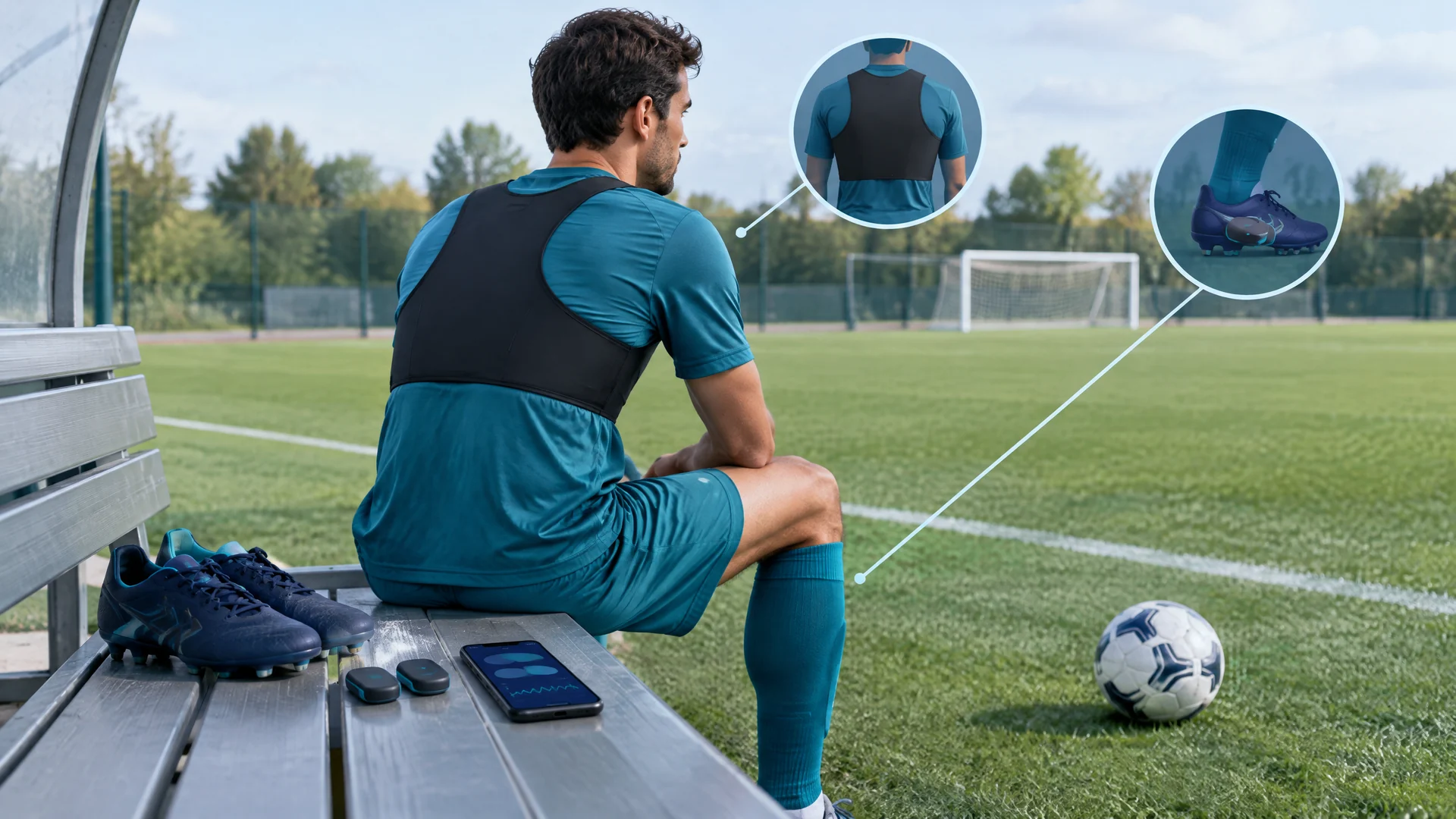
Compare soccer GPS vests, boot sensors and apps by what they measure, setup, costs and limitations. Choose a tracker around your training needs.

Learn how AI detects tennis courts in aerial images, with a worked review example, resolution limits, dataset checks and human verification.
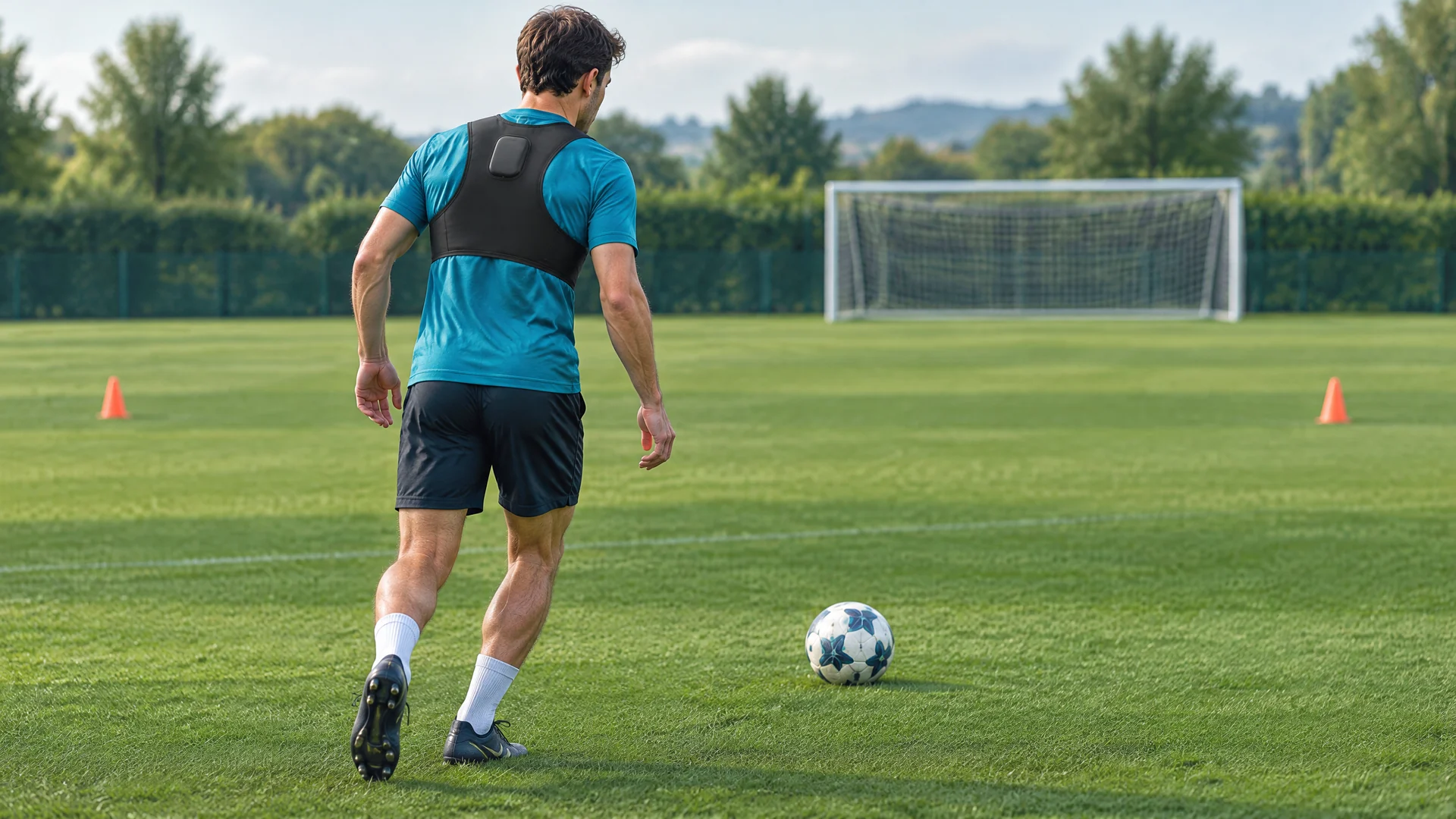
Understand football GPS vests, motion and heart-rate sensors, workload reports, match rules and privacy—with a practical example and realistic limits.

Learn what running watts actually represent, how watches and foot pods estimate power, and how to interpret hills, heart rate and device differences.
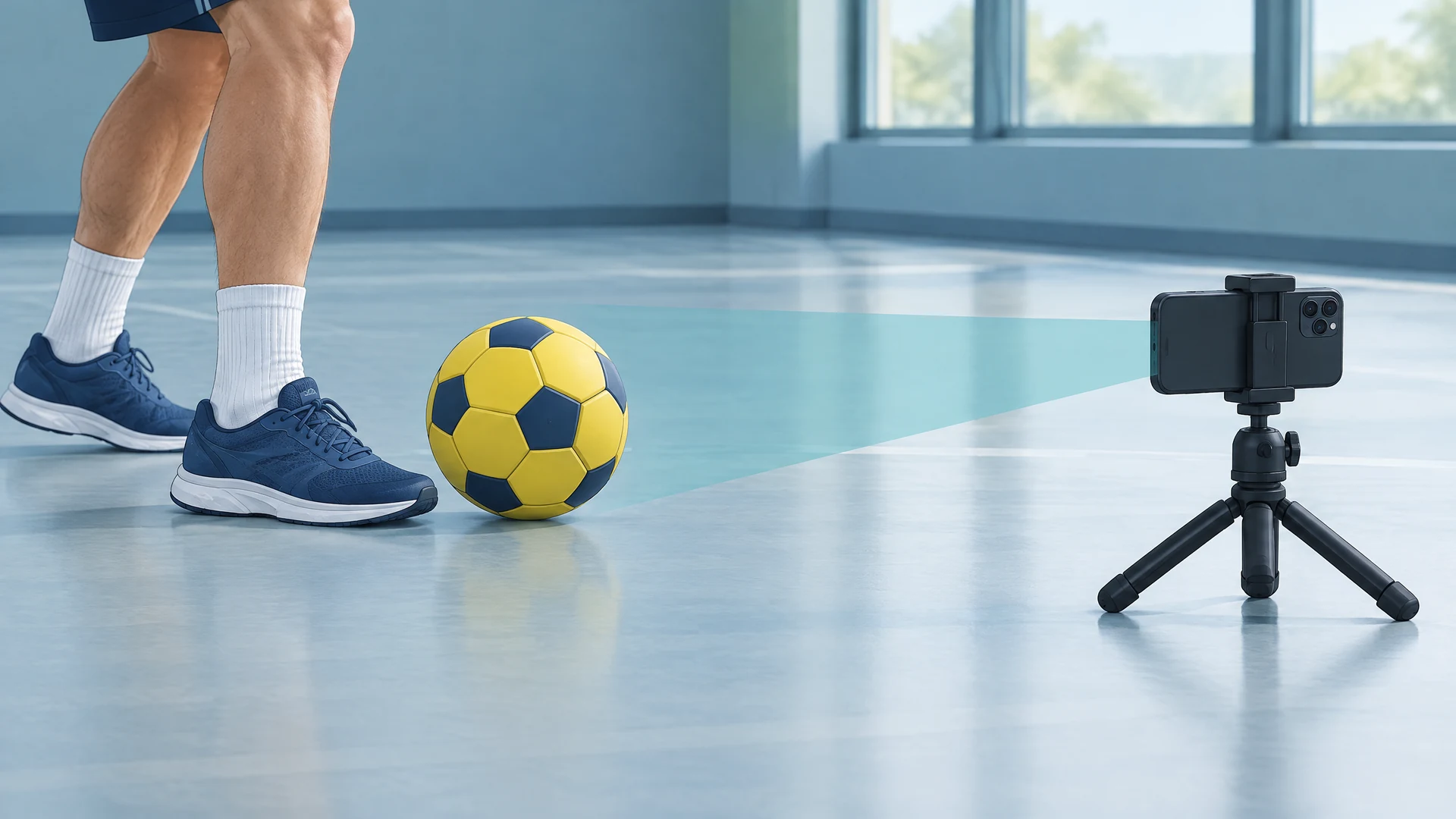
Understand the camera tracking behind DribbleUp soccer practice, what app feedback means, and the setup, membership and coaching limits to check.
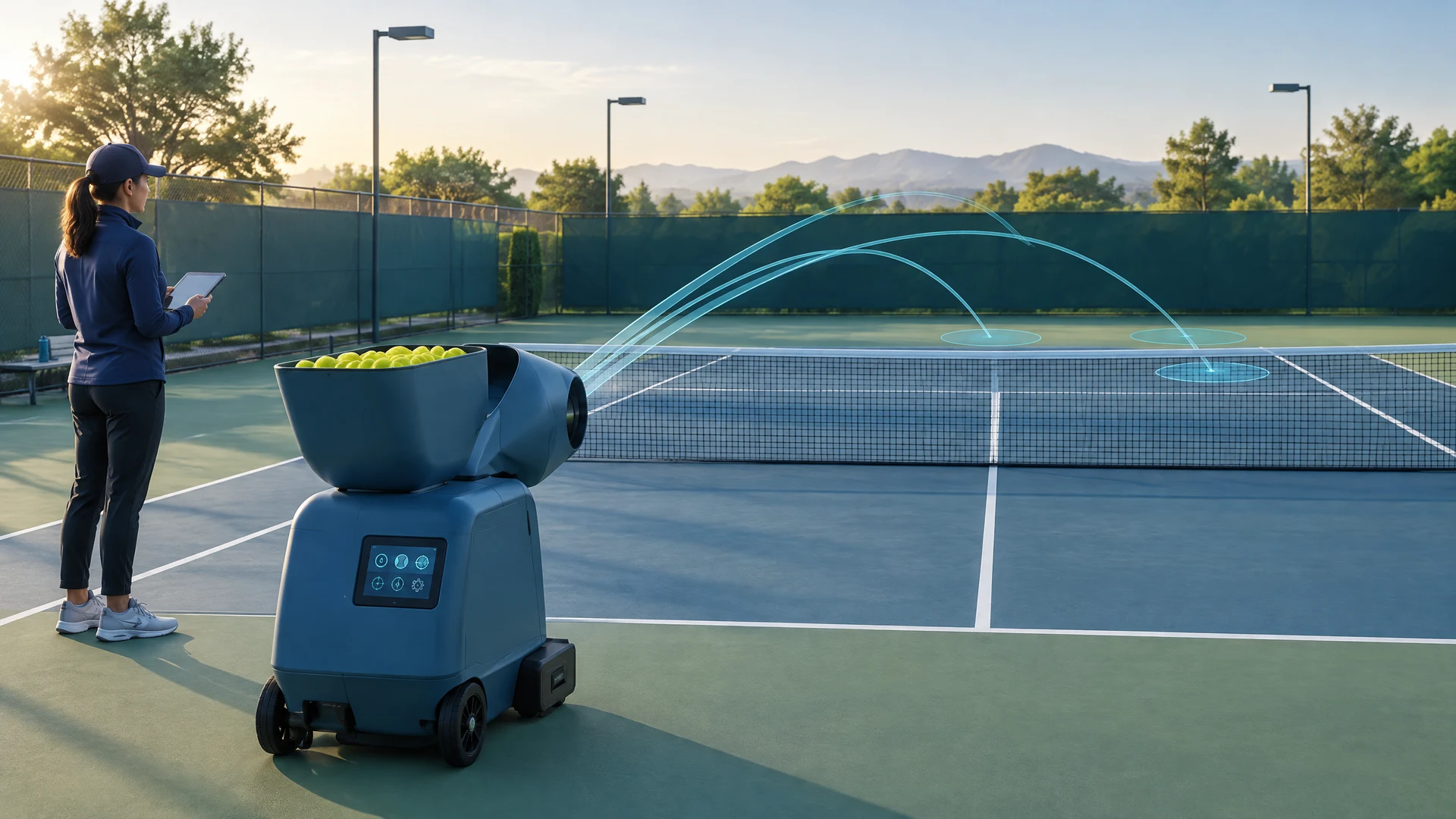
Explore the motors, sensors and control loops behind sports training machines, with original diagrams, documented examples and clear AI and safety limits.
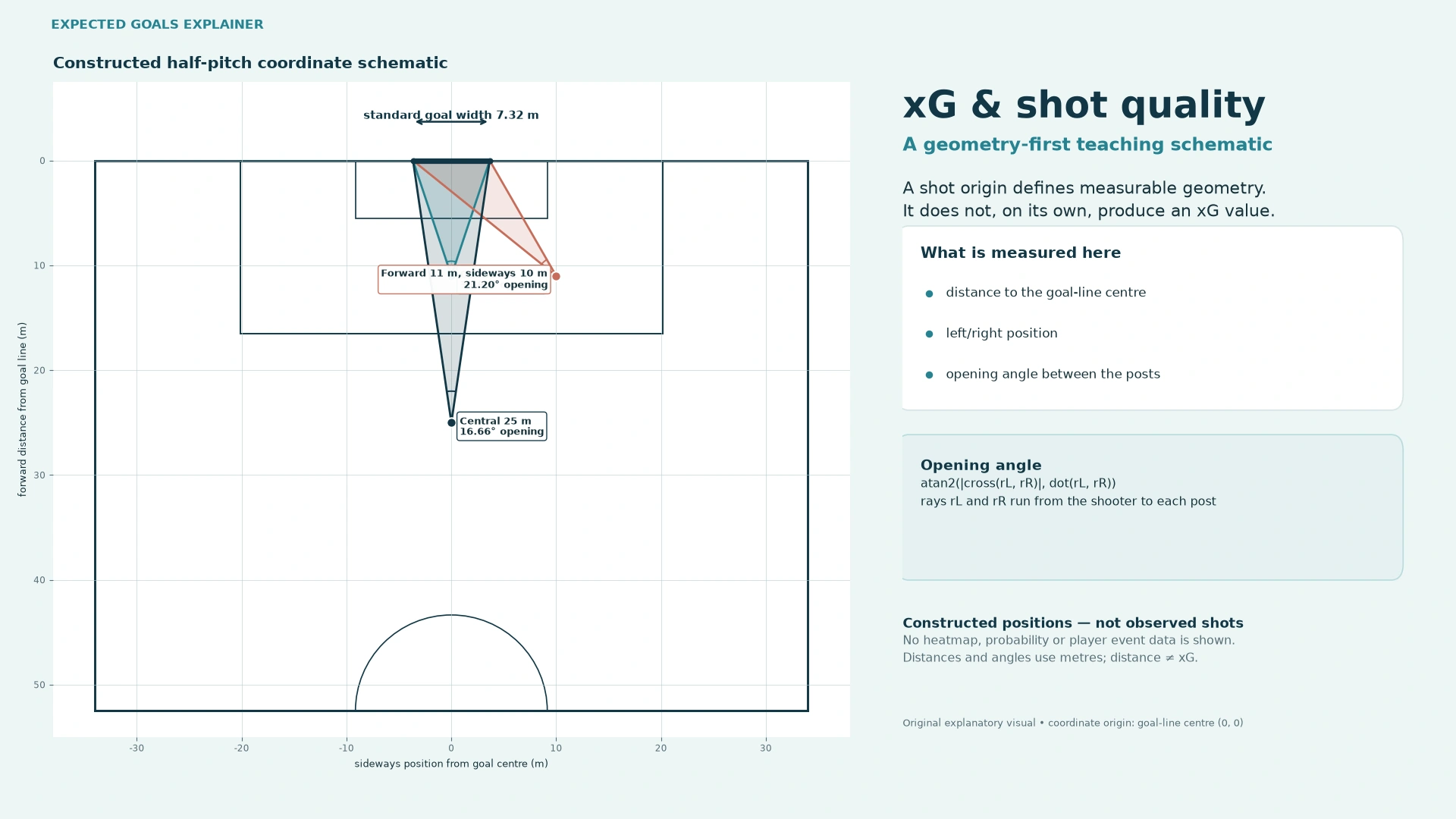
Understand what xG measures through real football examples, original shot diagrams, clear calculations and a simple probability arithmetic calculator.
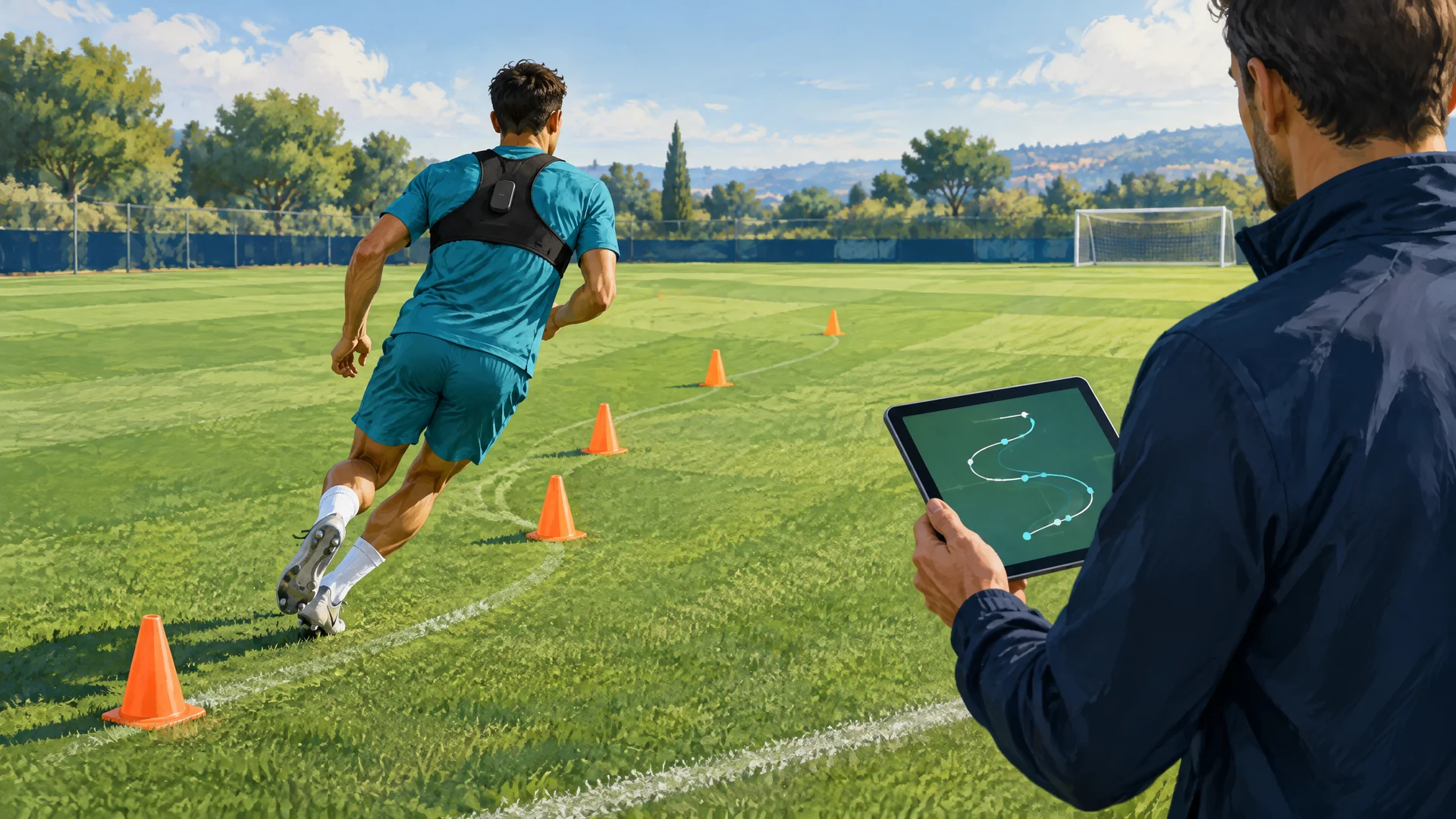
Understand sports GPS reports: distance, speed, accelerations, sensor limits, equipment costs and a clearly illustrated training-log example.
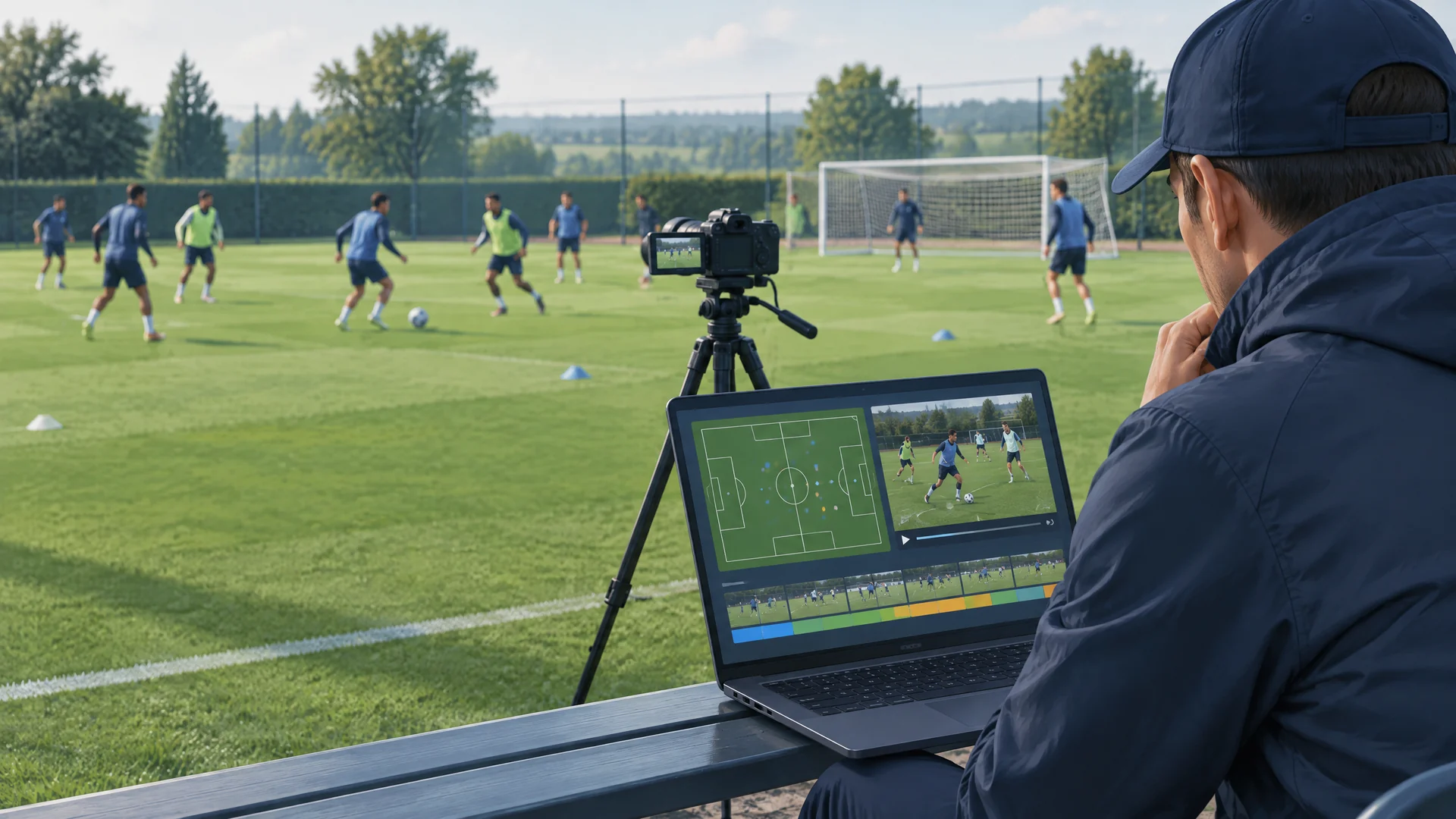
Compare five football video-analysis workflows, verified pricing terms, tagging, tactical drawing and camera requirements to shortlist the right coaching tools.

Learn a safe League of Legends ping test workflow: show ping and FPS in-game, separate network faults from frame drops, and collect focused evidence.

A practical esports workstation guide: connect display, desk and input placement with clear session logs, without treating observations as a diagnosis.

An esports tournament stream is a programme, not simply a player screen: learn how observers, cameras, graphics, replay, encoding and delivery fit together.

Esports anti-cheat layers server validation, client integrity checks and reviewed behaviour signals. Learn what kernel and AI tools can—and cannot—prove.

A reaction-time score includes task, display, input and browser—not only a gamer’s response. Learn to build a fair, repeatable personal baseline.

A clear guide to high-refresh-rate esports monitors: how 144Hz, 240Hz, 360Hz and 540Hz affect update timing, motion clarity and the wider latency chain.

Gaming latency is more than a ping number. Learn how RTT, jitter, packet loss, server ticks, local input delay and congestion affect an online match.

Esports technology connects player hardware, game servers, competition controls, authorised data and broadcasts; each has a distinct job in a competitive match.

AI-generated training plans turn goals, schedules and session records into proposed calendars. Learn what they can do, miss, and how to review their output.

How barbell velocity, training load and context fit into strength and conditioning analytics—without treating one dashboard score as the answer.

Virtual training environments can rehearse sport-specific cues and decisions. Learn what VR measures, what it misses, and how to judge transfer.
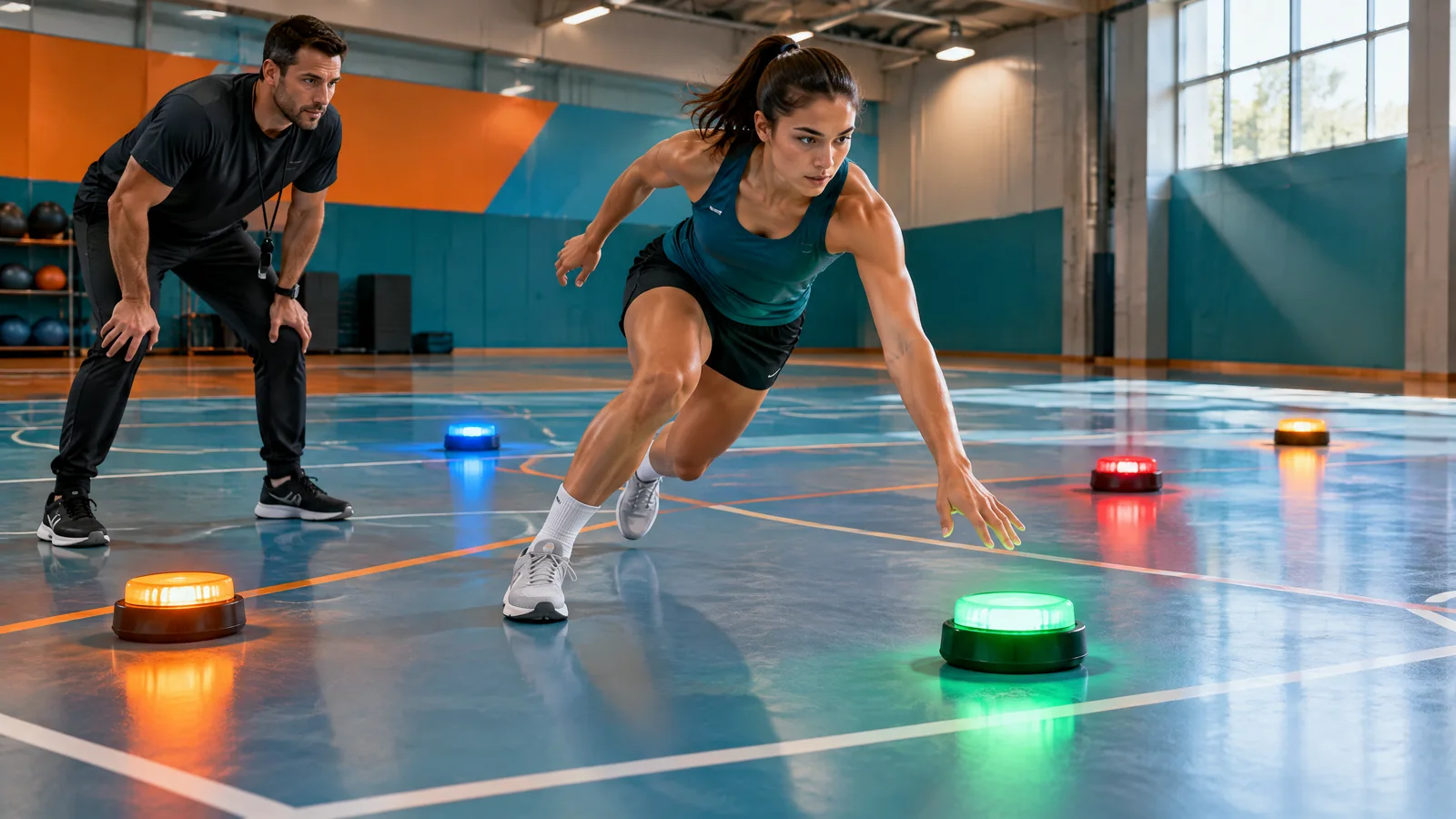
Reaction lights make cues less predictable, but a fast tap is not automatically better game play. Learn what they measure, how to check transfer and its limits.
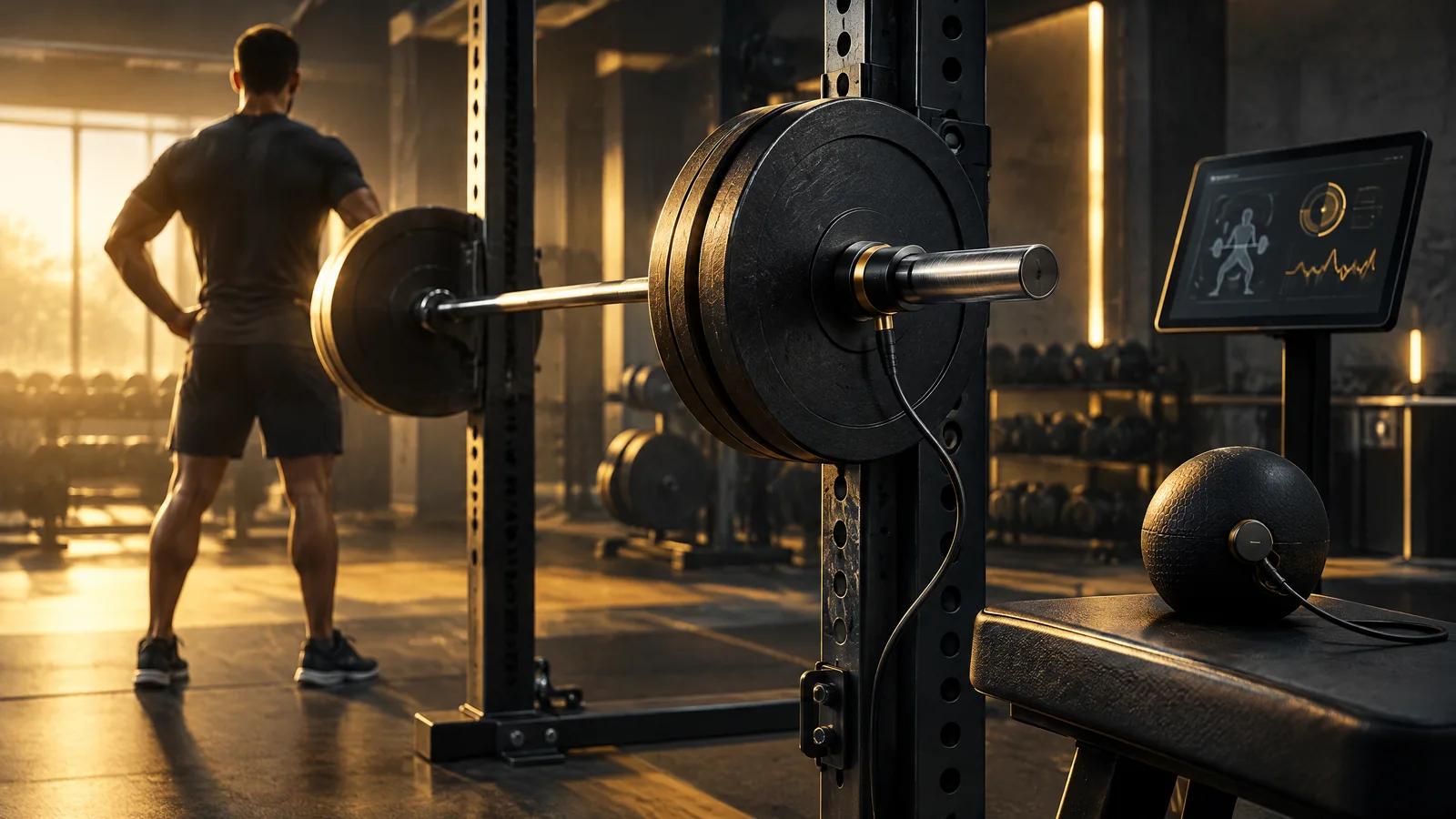
Smart training equipment can capture a movement or ball action, but a useful decision needs a clear question, comparable setup and human review.
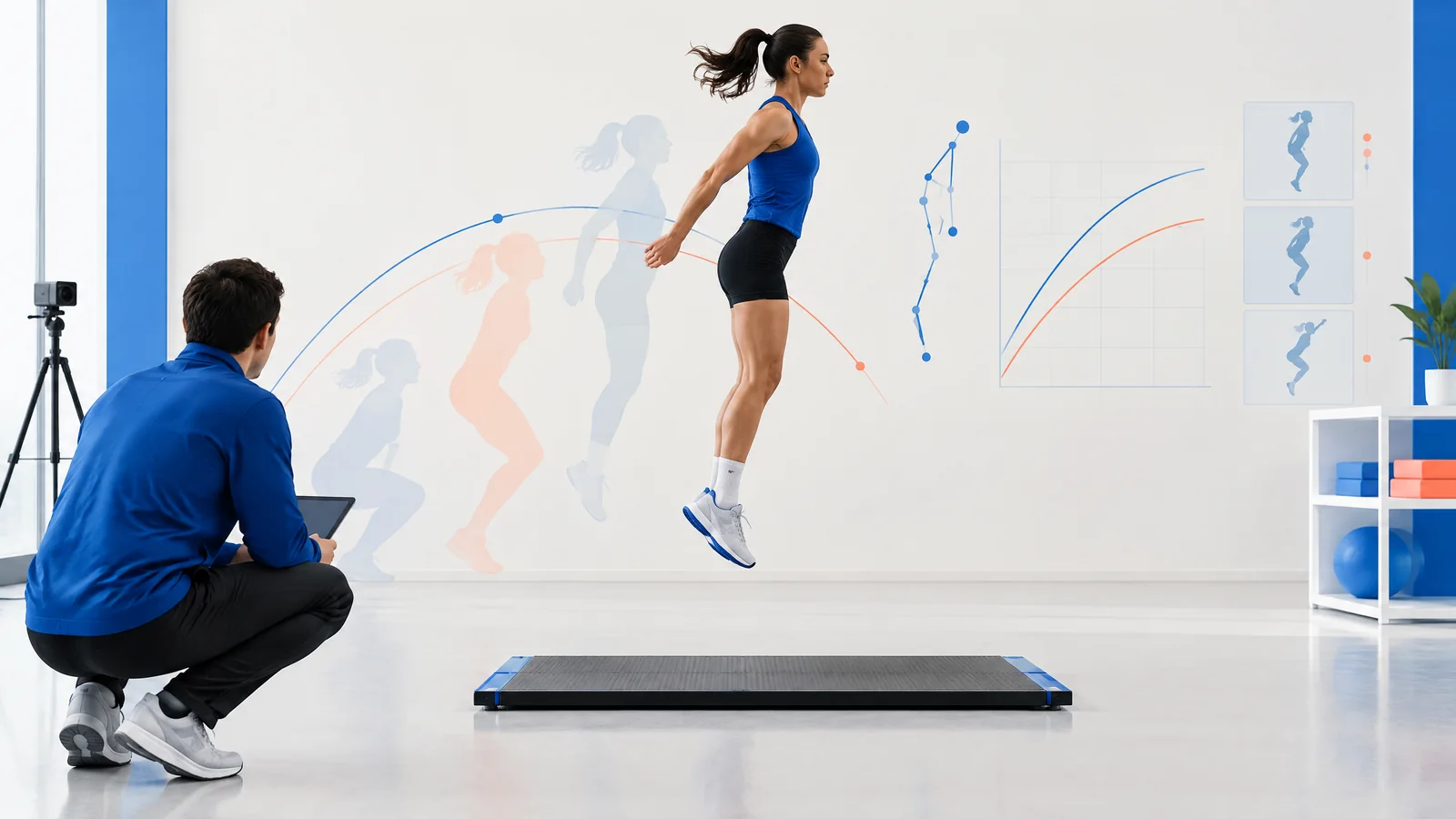
Sports biomechanics connects athlete motion with the forces around it. Learn what kinematics, kinetics, force plates and models can show—and where results stop.
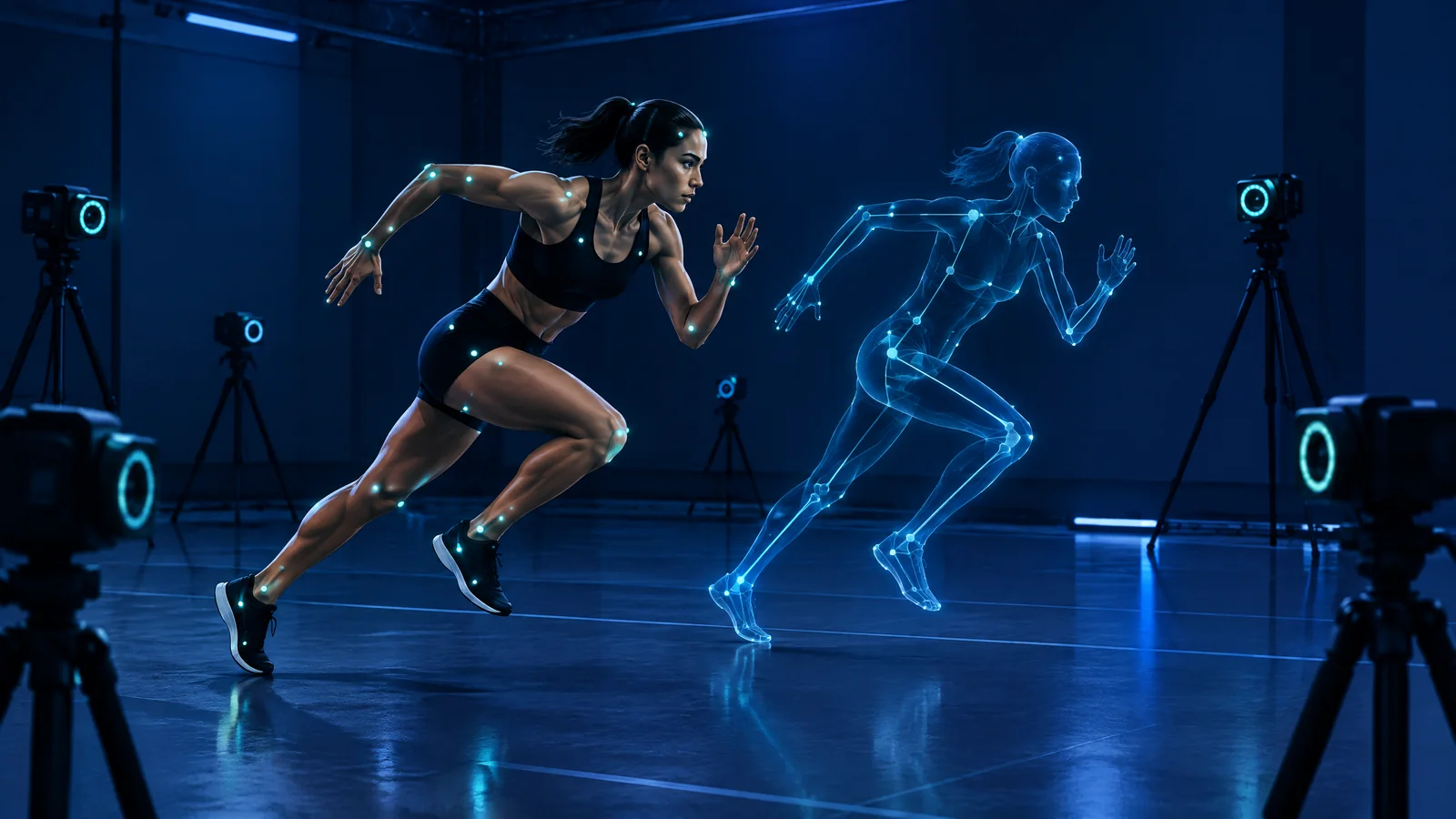
Motion capture turns sensor observations into 3D movement estimates. See how optical, markerless and inertial systems differ and how to read their limits.
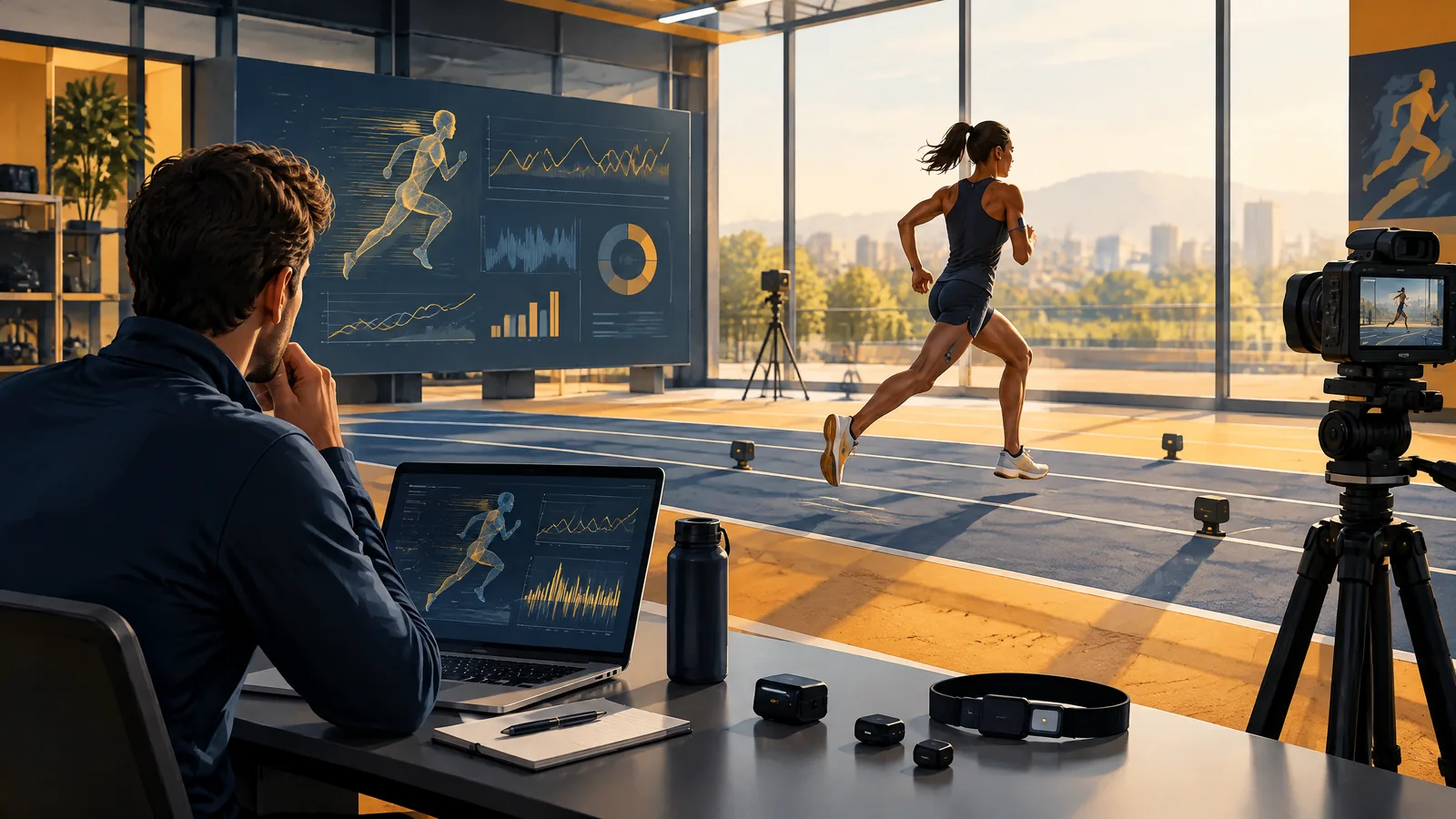
Sports science and training technology turn data into training questions. Learn what data show, where comparisons fail and how to review them responsibly.
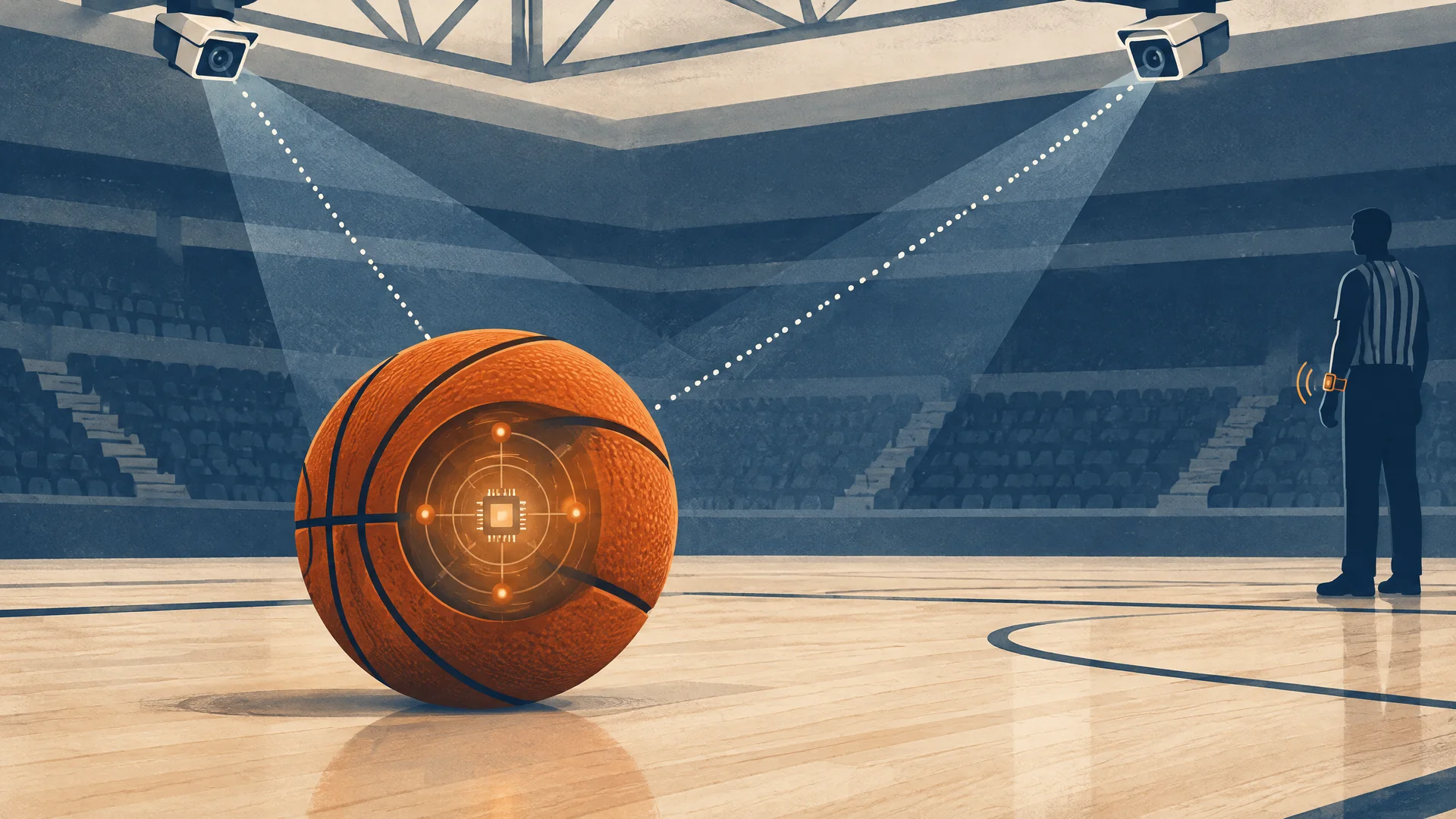
The NBA has three separate technology stories: research-only connected basketballs, referee wrist communication, and established optical player tracking. Here is what each can and cannot do.
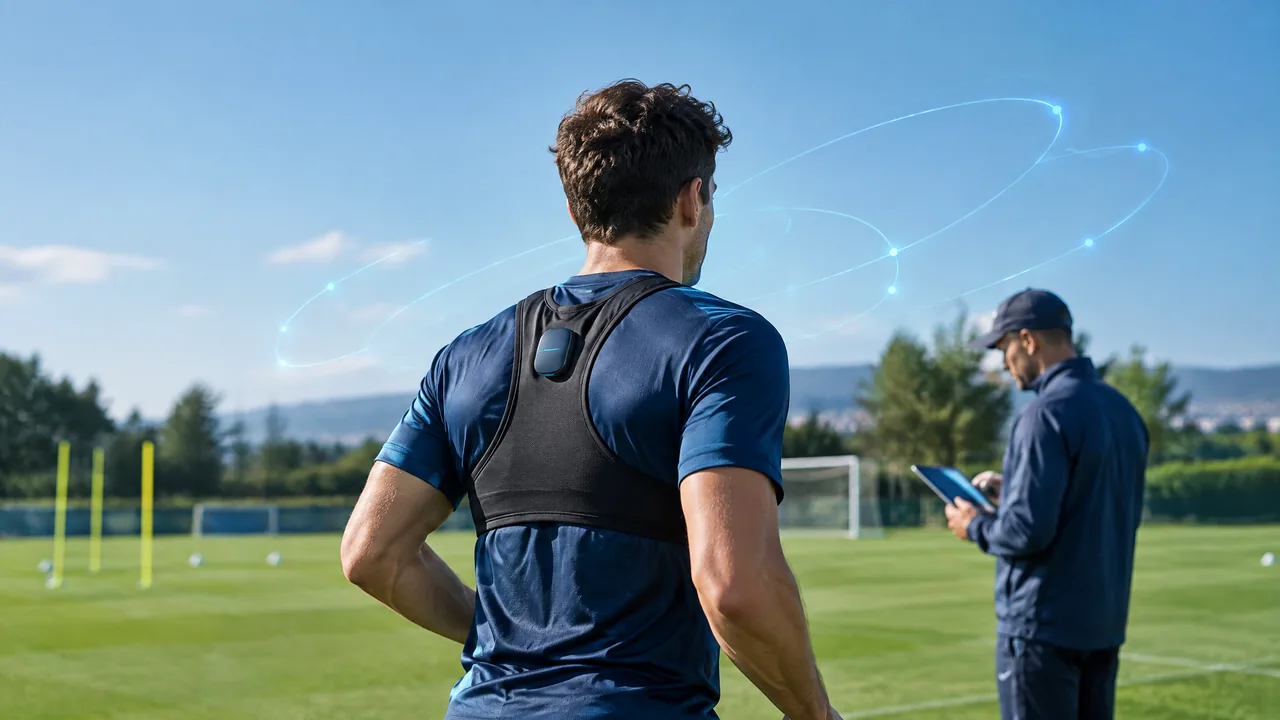
How a sports GPS vest gets satellite positions, estimates distance and speed, and differs from motion sensors—with practical checks for questionable data.
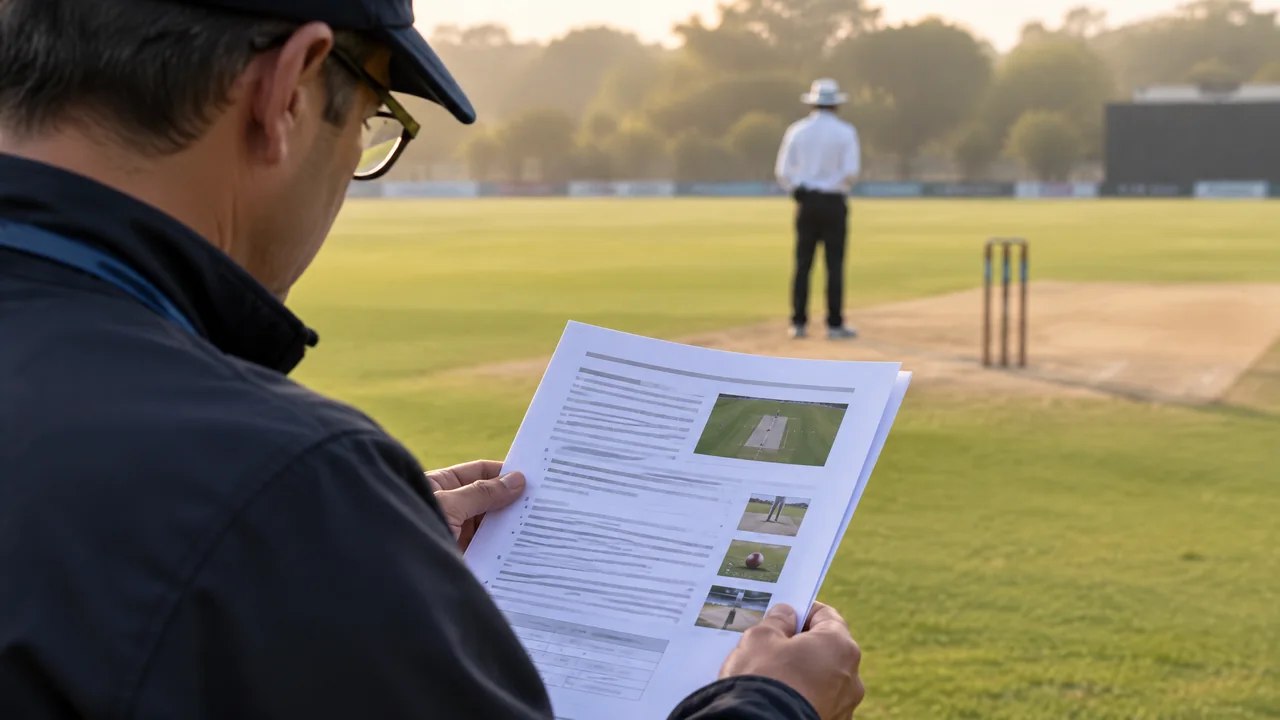
Check official conditions and match records to see whether Player Review was available; a TV umpire or replay alone cannot prove DRS.
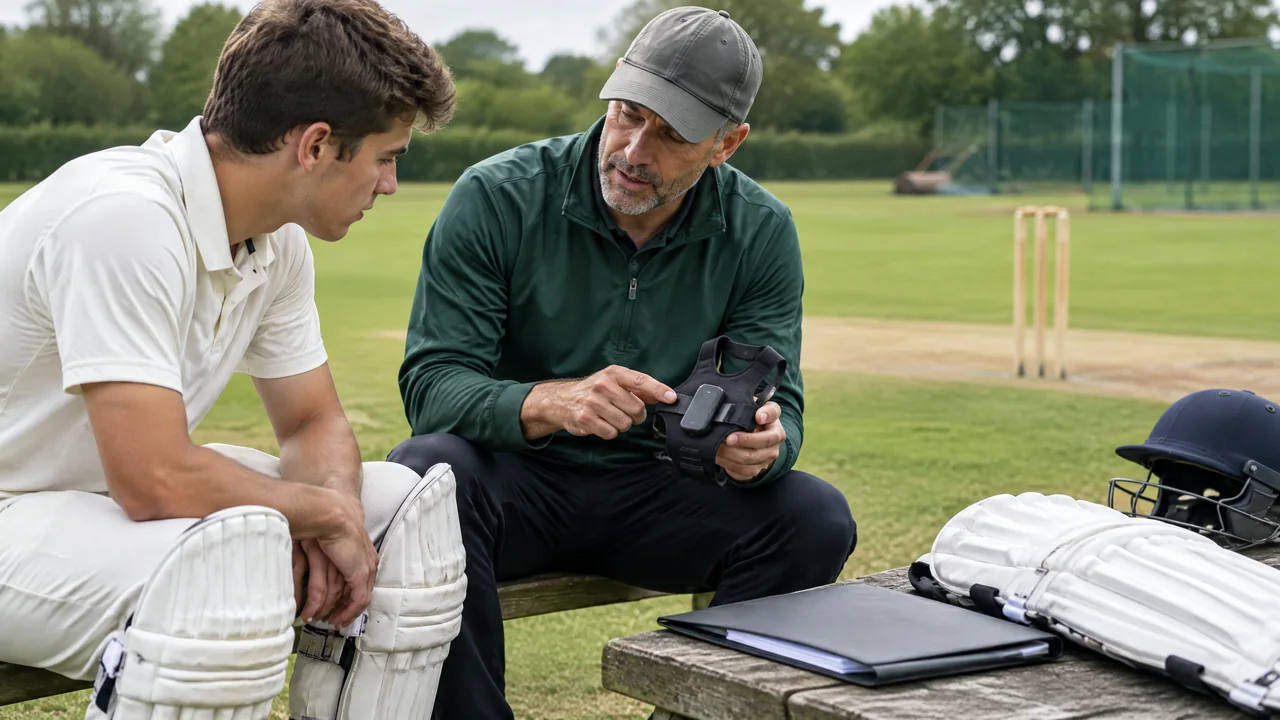
A rules-first checklist for deciding whether a GPS vest used in training can be worn in a specific cricket match.
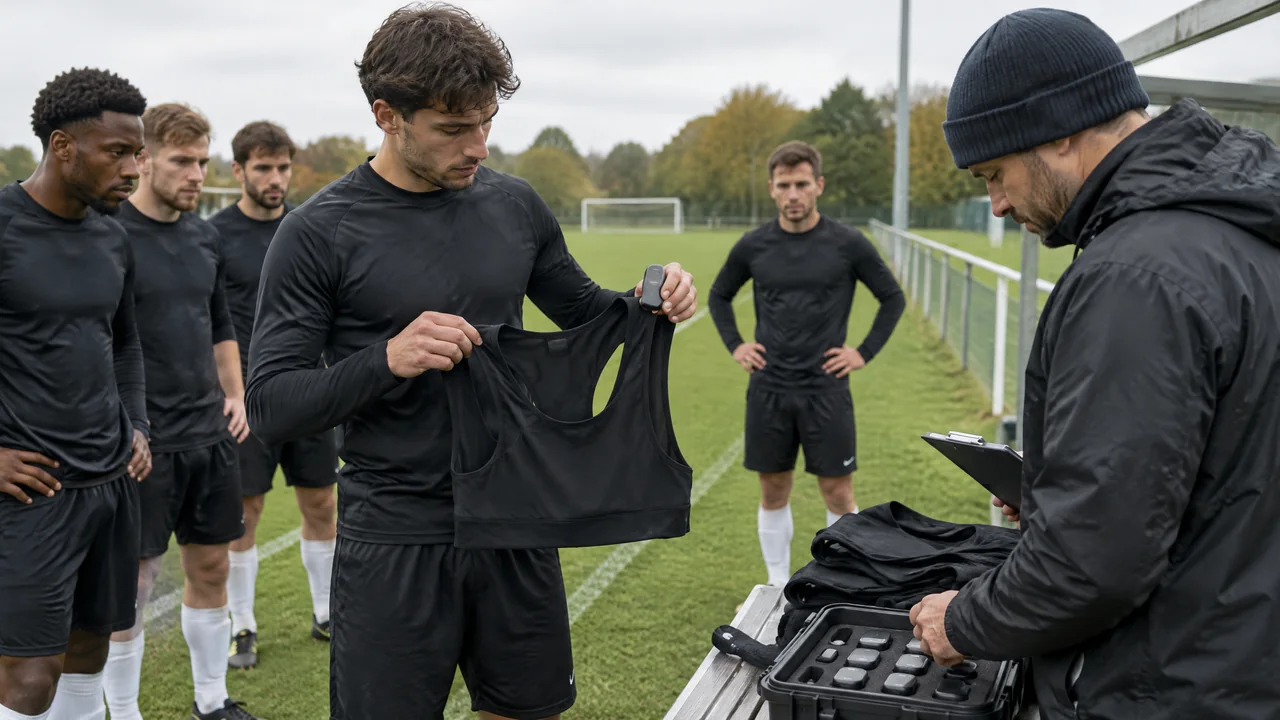
Before wearing a GPS vest in a football match, check the exact EPTS record, competition instructions and pre-match equipment decision.
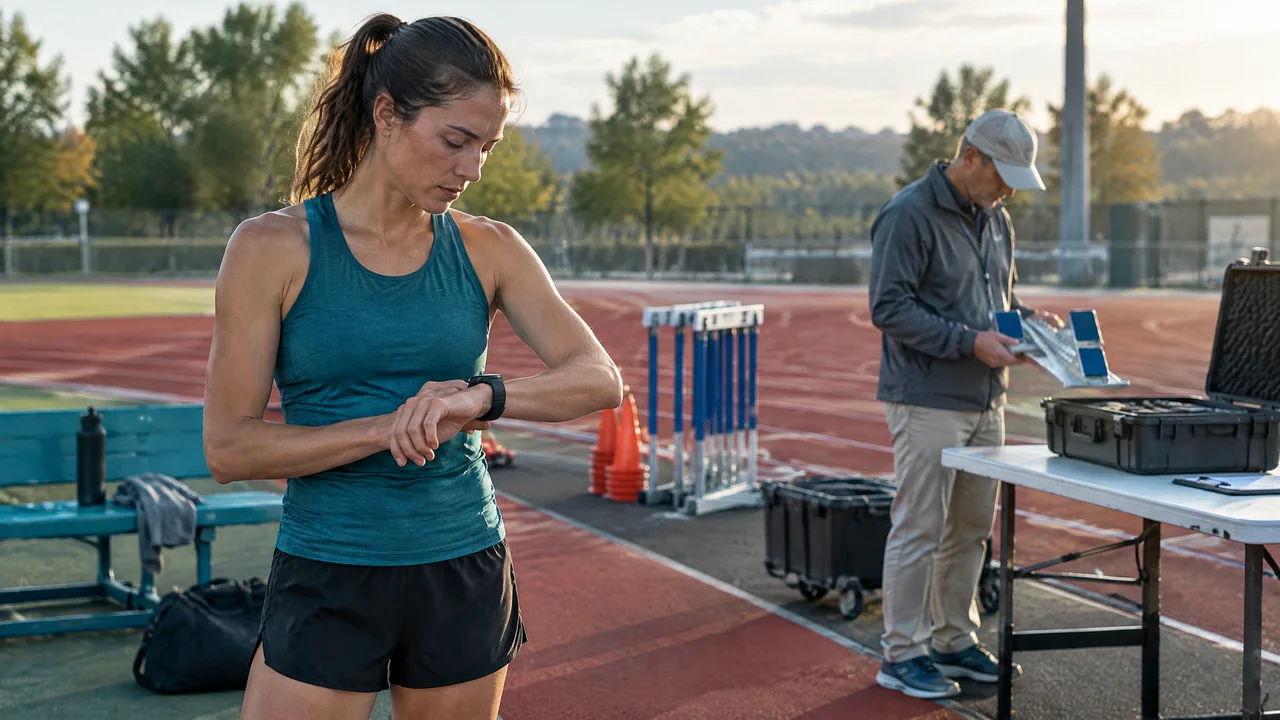
A World Athletics rules check for athletes and officials: separate wearing a GPS watch from using its functions, then verify the event’s own instructions.

If an esports score appears before the stream, compare official data and video timing; a timing gap alone does not prove either feed is fake.
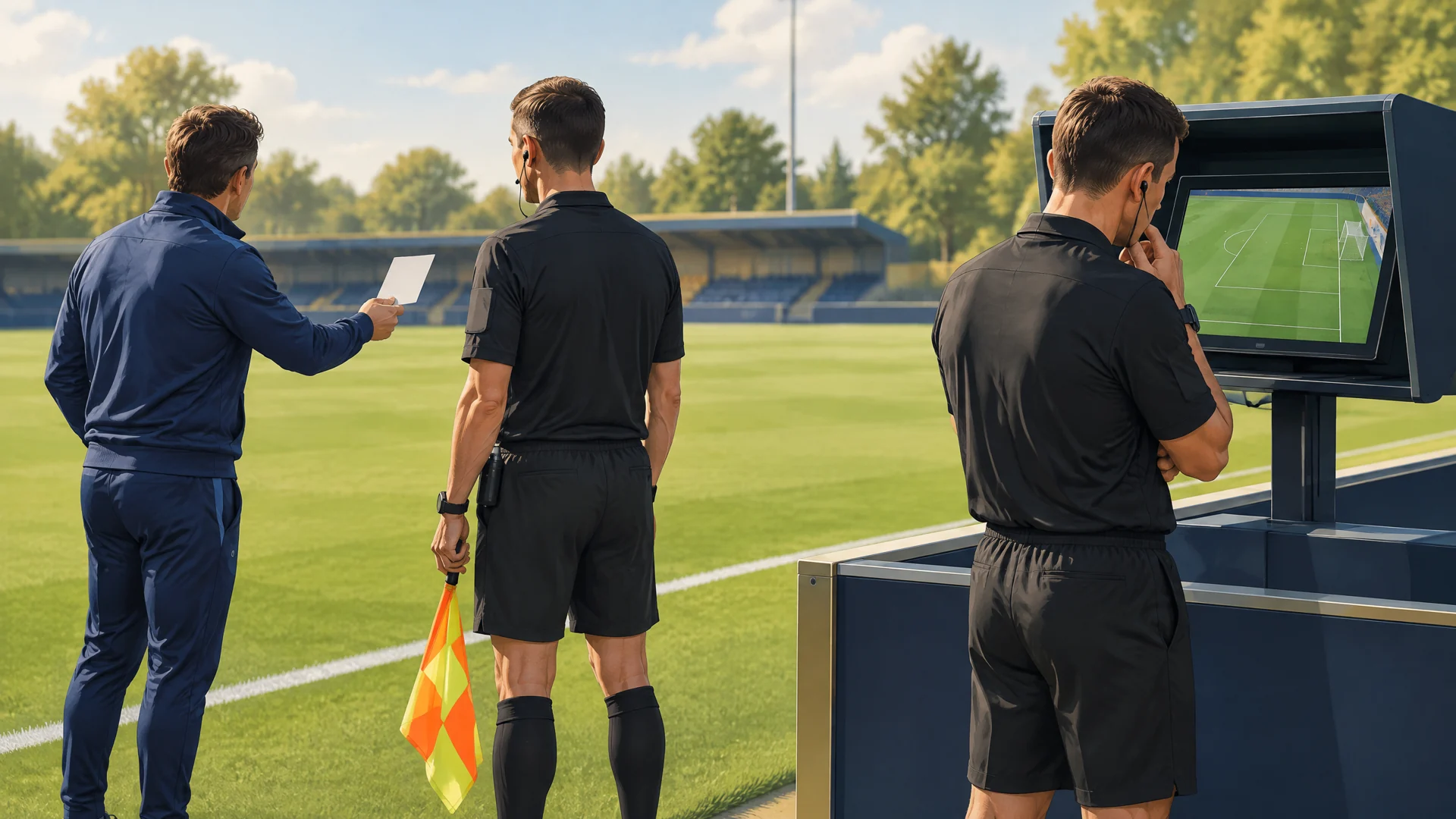
Compare Football Video Support and VAR: who starts a review, what the referee checks, and why replay footage may not change a decision.
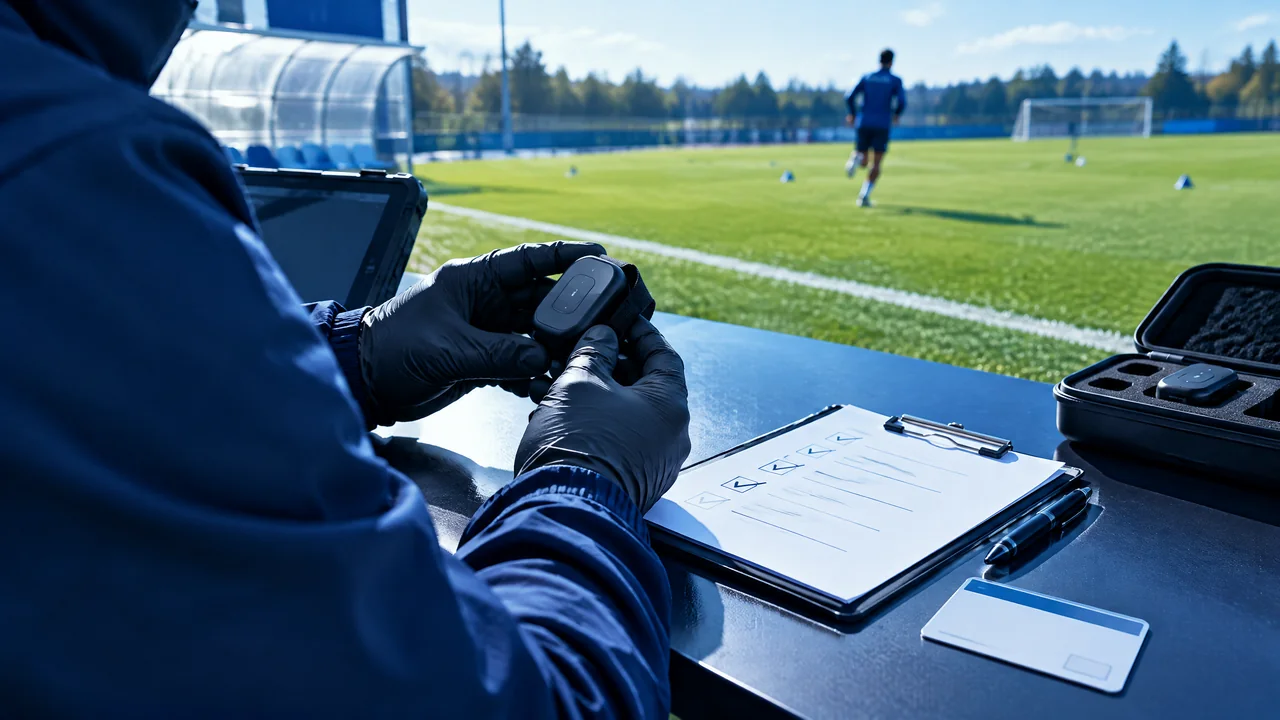
Check the exact FIFA EPTS system, tracking type, mark and certification period; the record does not prove use in a match or improved outcomes.
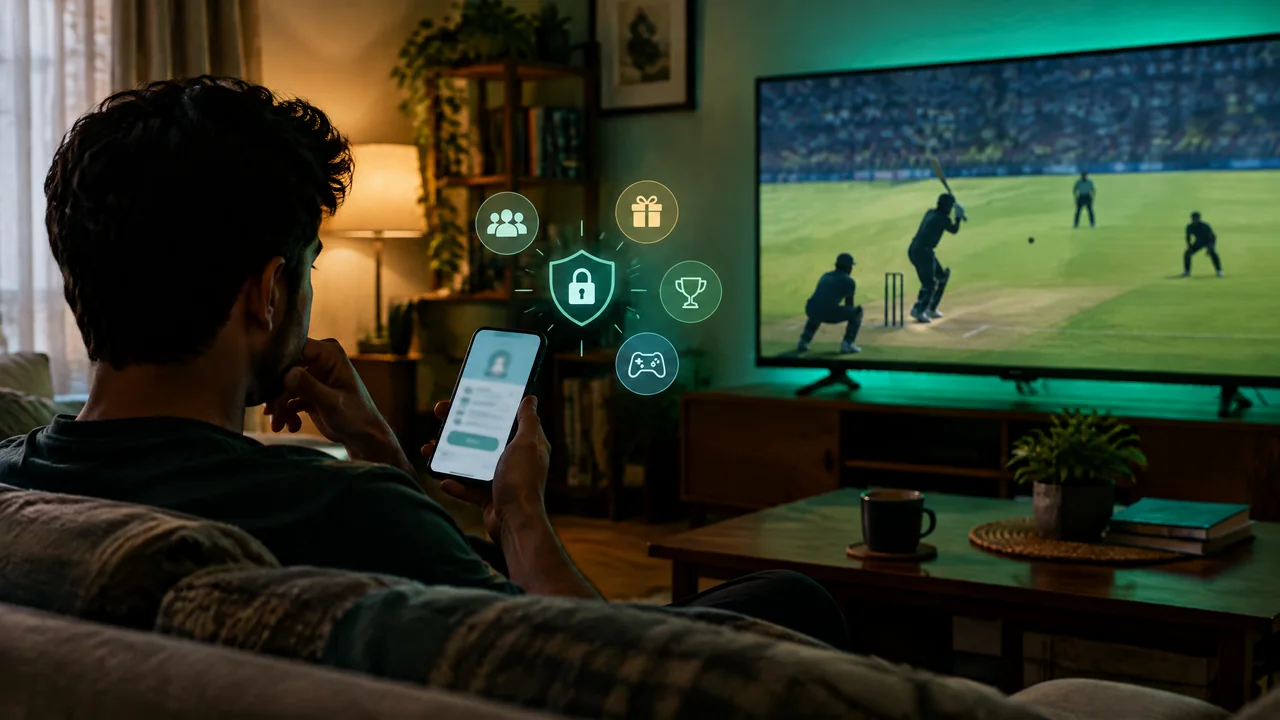
If a participation feature appears beside live cricket, check its own terms, data requests and JioHotstar privacy choices before joining.
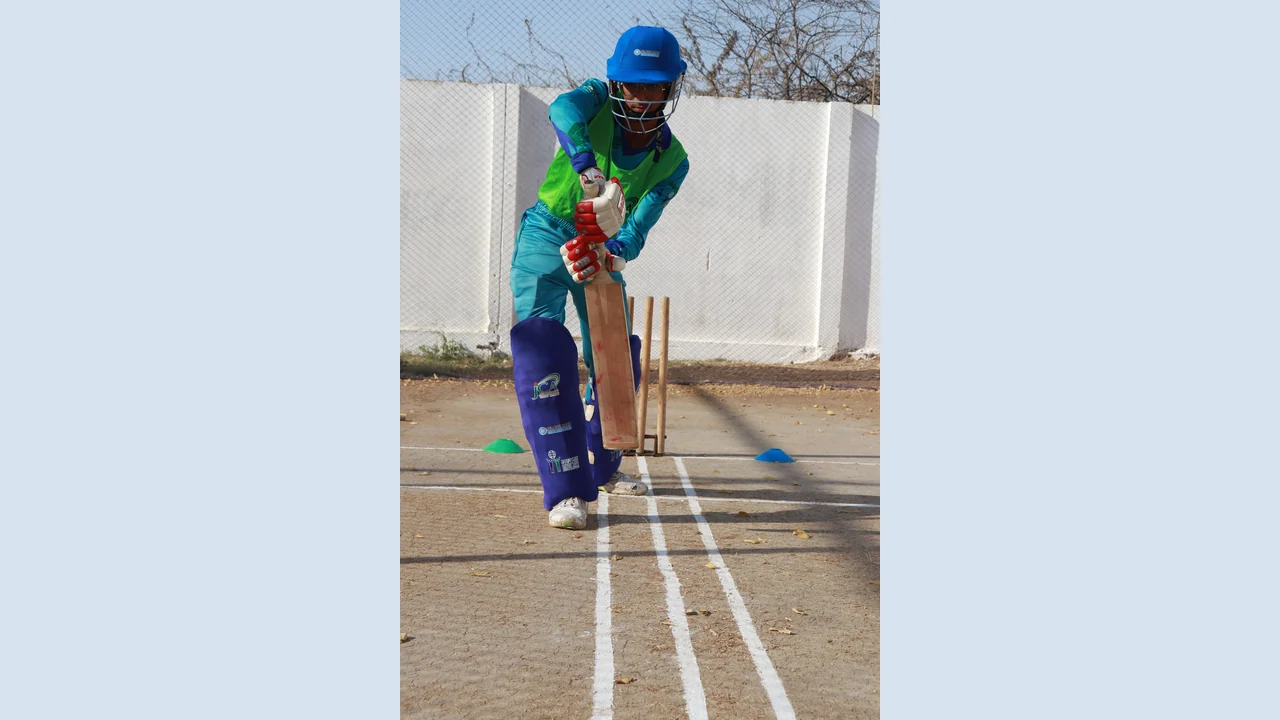
Rohit Sharma described studying elite openers' footage and getting filtered Mumbai Indians data from an analyst. Here is the sourced history, how review can work, and what tools remain undisclosed.
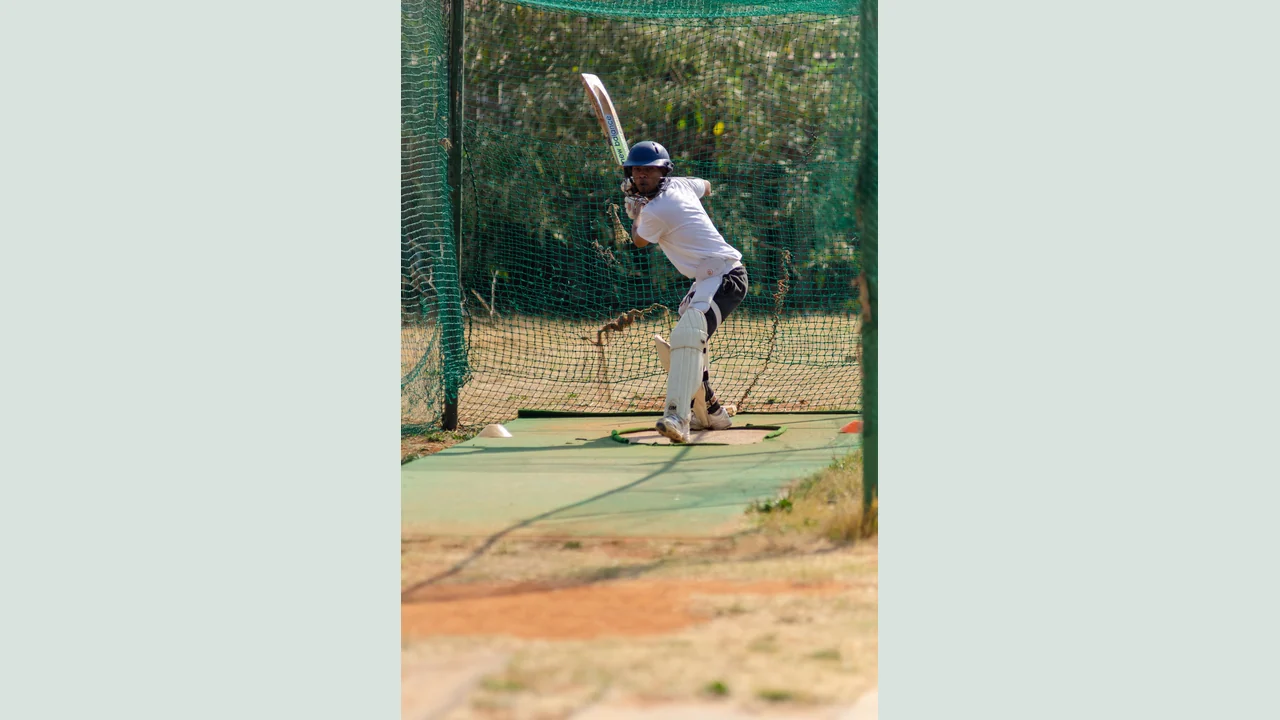
What training technology has Virat Kohli actually described? See his documented 2019 India GPS workload account, what it measured, and which current personal tools remain unverified.
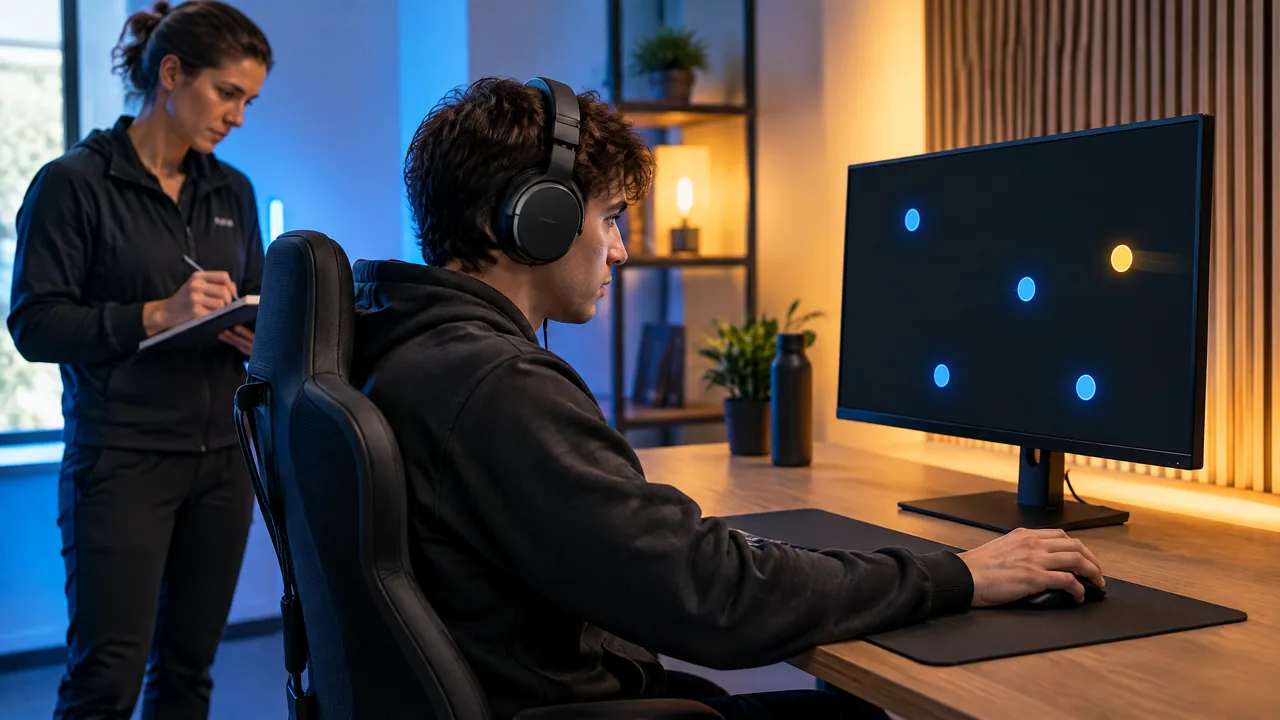
Learn what adaptive aim practice and AI gameplay feedback measure, how to check drill transfer in a match, and why live input automation is not training.

Learn how esports analytics turns permitted game records into fair performance metrics, replay questions and post-match review—not live assistance.
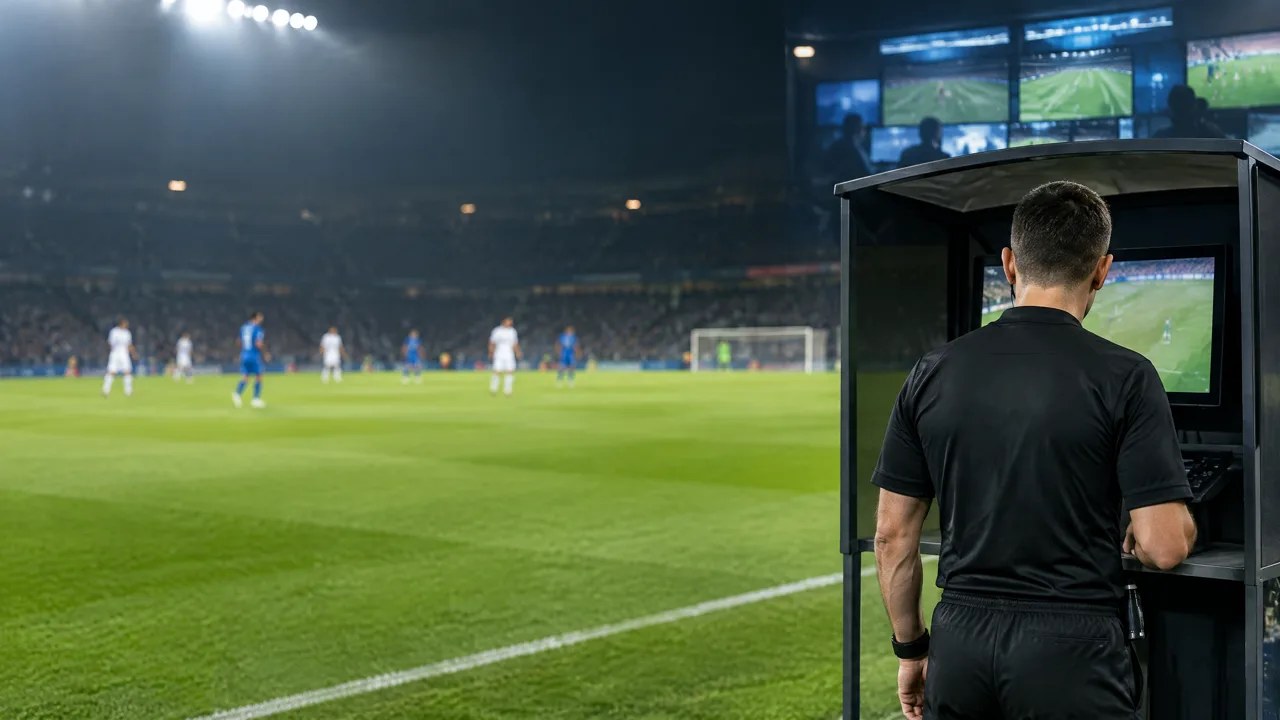
What football's video assistant referee can review, how a silent check differs from an on-field review, who decides, and what changed in the 2026/27 IFAB protocol.

A readable, source-checked guide to NFL Next Gen Stats: RFID tags, UWB receivers, a tagged ball, developing camera-pose data and what a tracking metric cannot prove.
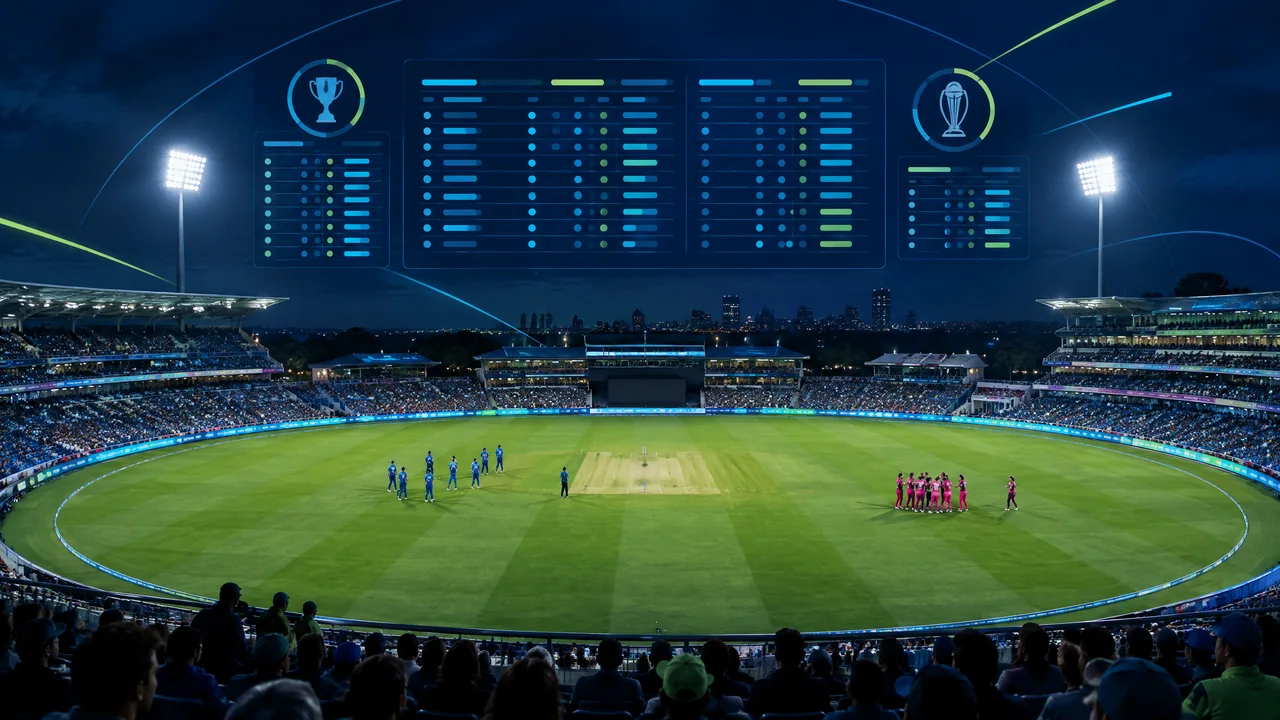
Find the men's and women's Asian Games 2026 T20 cricket results in one dated record: 22 fixtures, scores, abandoned matches and both medal podiums—with no invented technology claims.
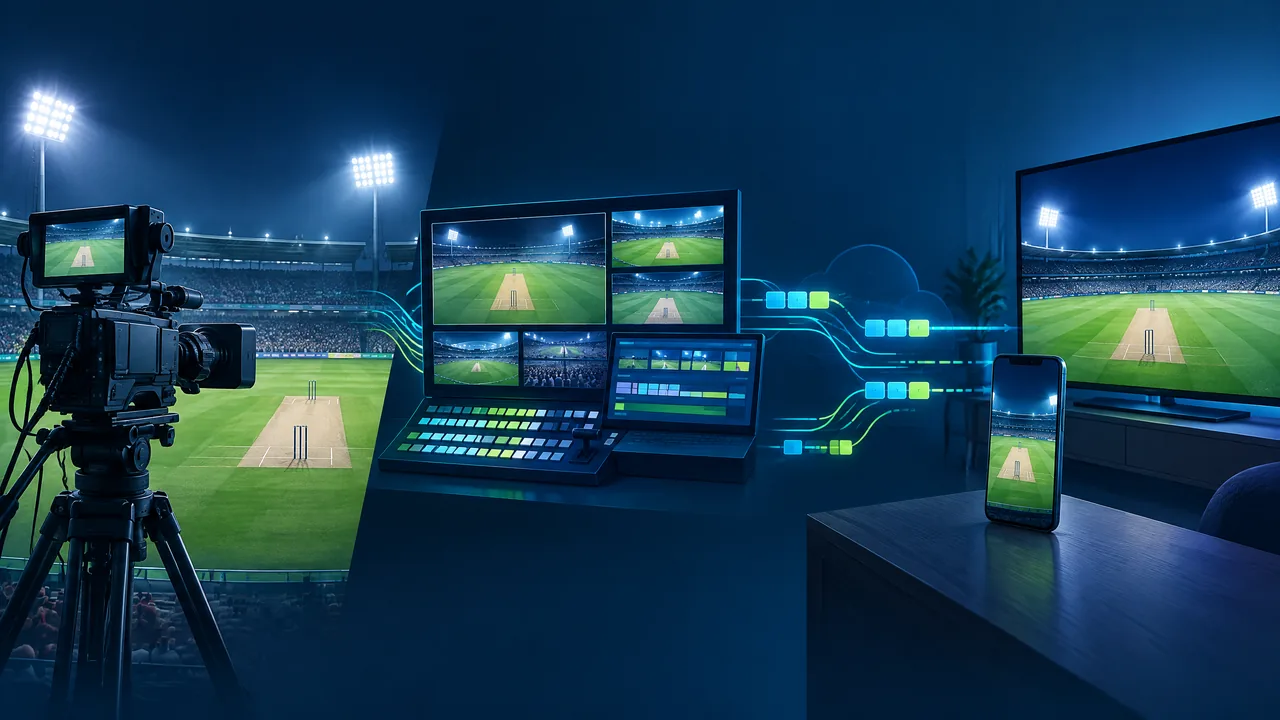
Live cricket reaches a phone, TV or browser through a chain of specialist decisions: capture at the ground, a produced programme feed, multiple encoded versions, HTTP delivery and player adaptation. This guide separates that general workflow from a particular broadcaster’s undisclosed setup.
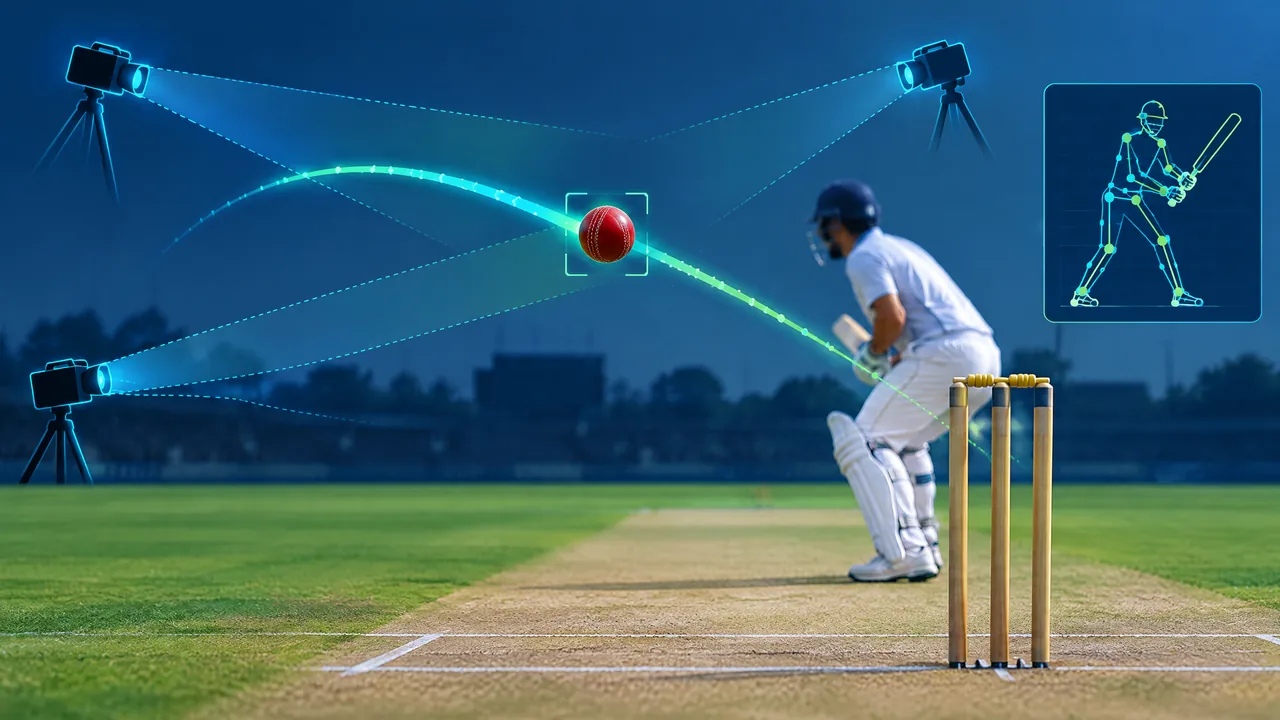
How Hawk-Eye SkeleTRACK tracks players and balls, how it differs from SAOT, and what a reviewed offside animation can—and cannot—show.
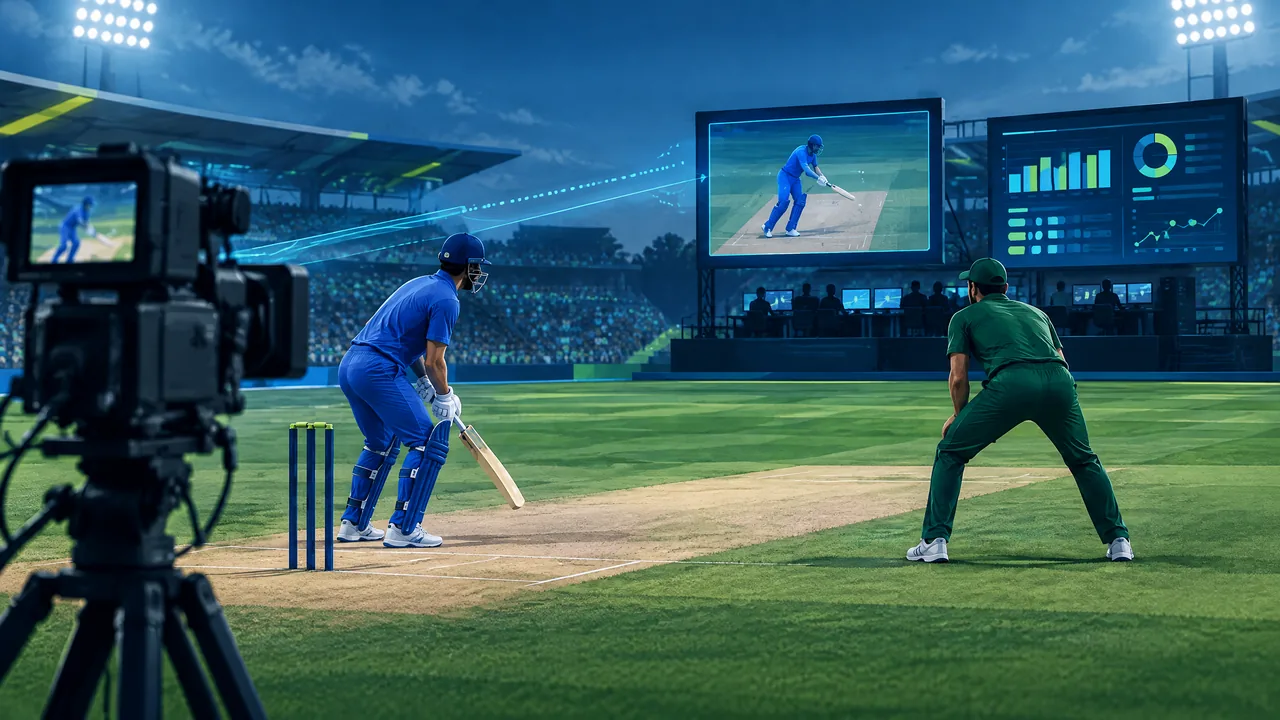
ICC and Olympics.com identify the India–Pakistan Asian Games men’s cricket final in Nisshin on 3 October. This guide separates confirmed India viewing details from broadcast, replay, scoring and review technology that still needs event-specific proof.
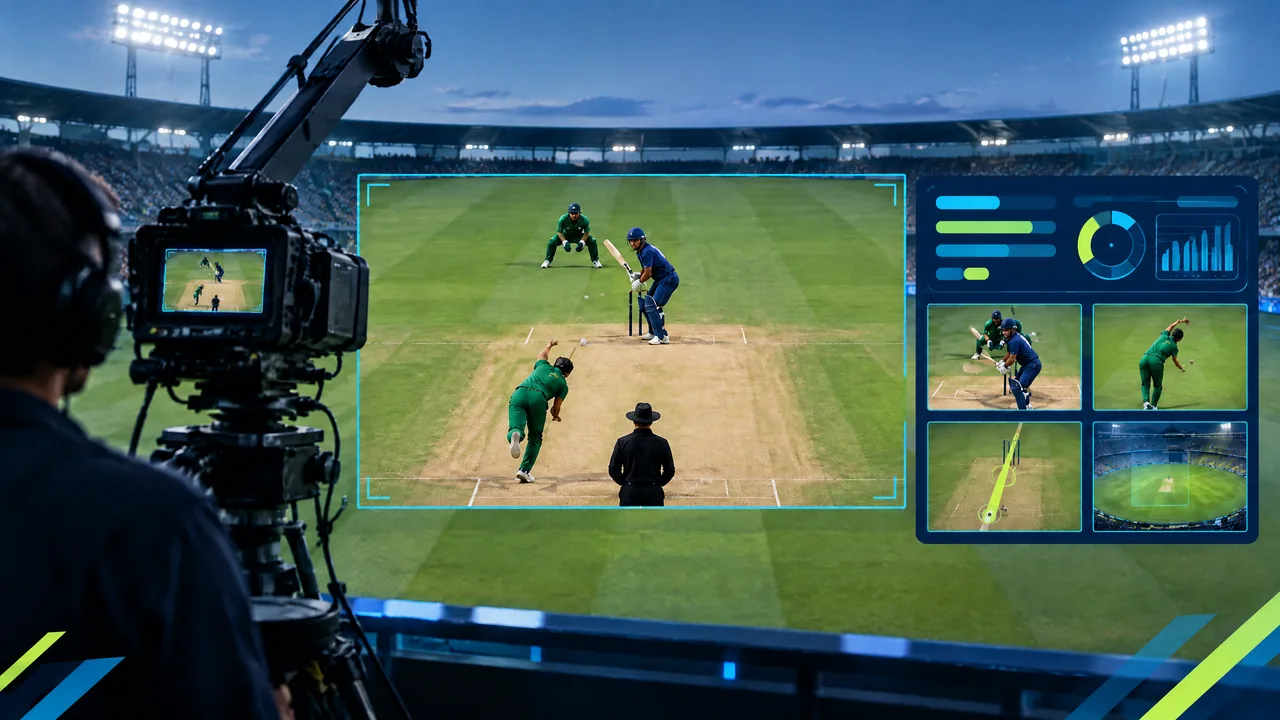
Sri Lanka and Bangladesh are listed for the Asian Games men's T20I third-place play-off at Korogi Sports Park. This guide separates the confirmed fixture record from technology that must be visible or officially documented before it can be called match-specific.
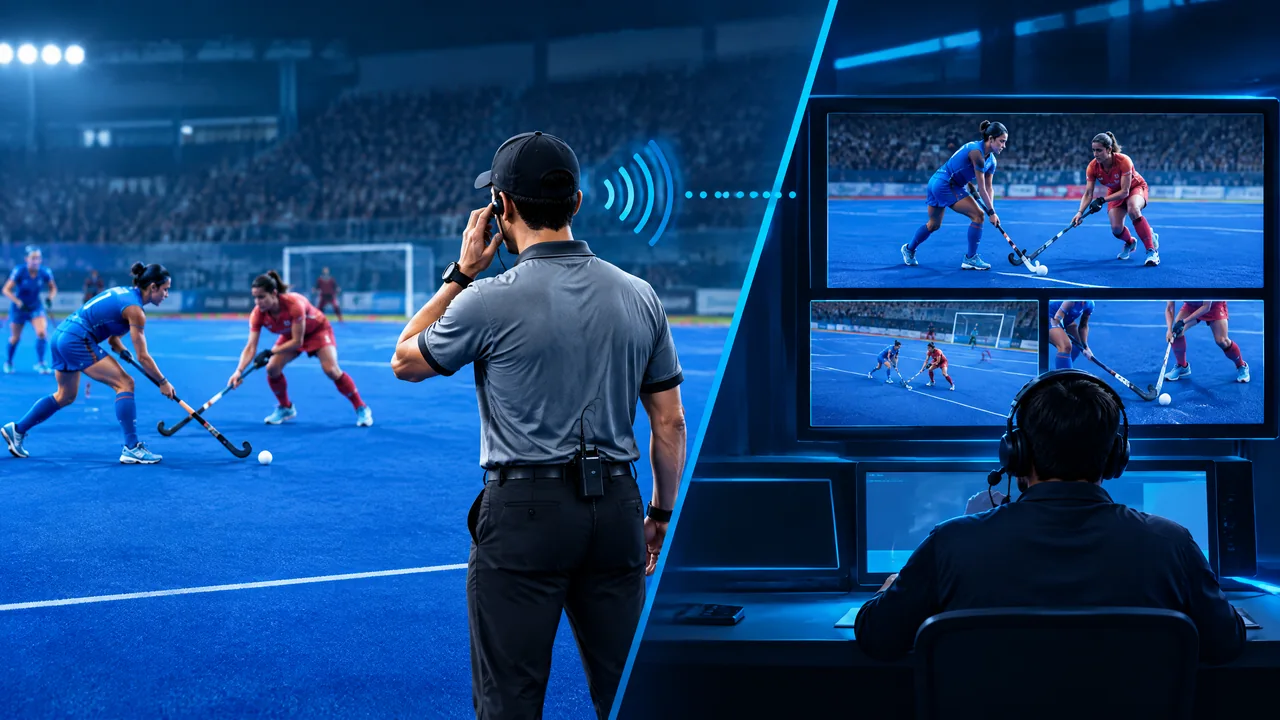
Who may ask for a hockey video review, which decisions can be checked, and who makes the final call? A readable guide to team and umpire referrals using the FIH's 2026 World Cup protocol as a clearly labelled example.
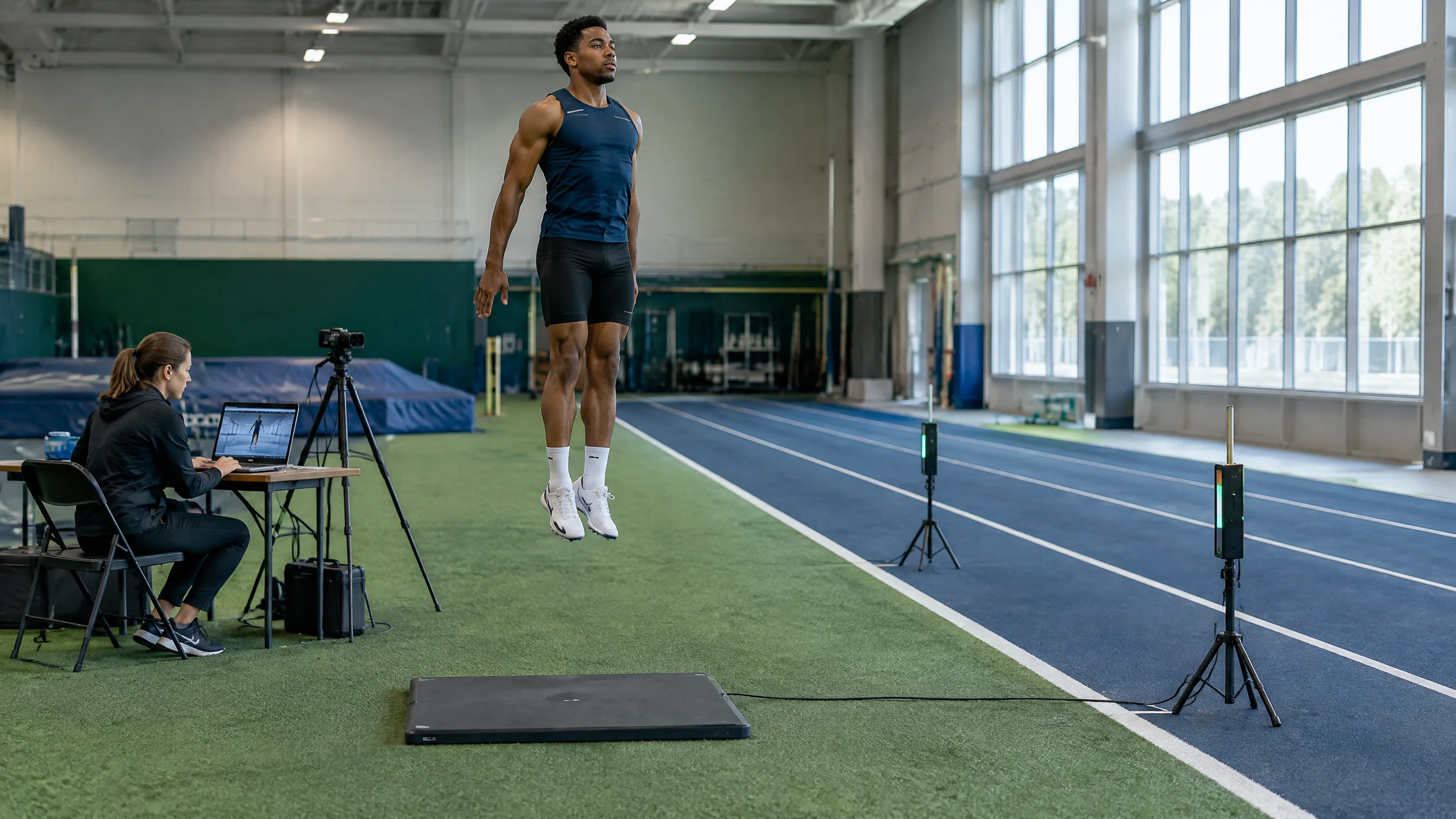
A decision-led guide to performance technology in sports: compare force plates, timing gates, cameras, wearables and testing protocols without mistaking a measurement for an outcome.

A verified map of the Asian Games 2026 technology stack, from event IT and venue support to timing, results, media devices and the esports competition environment.
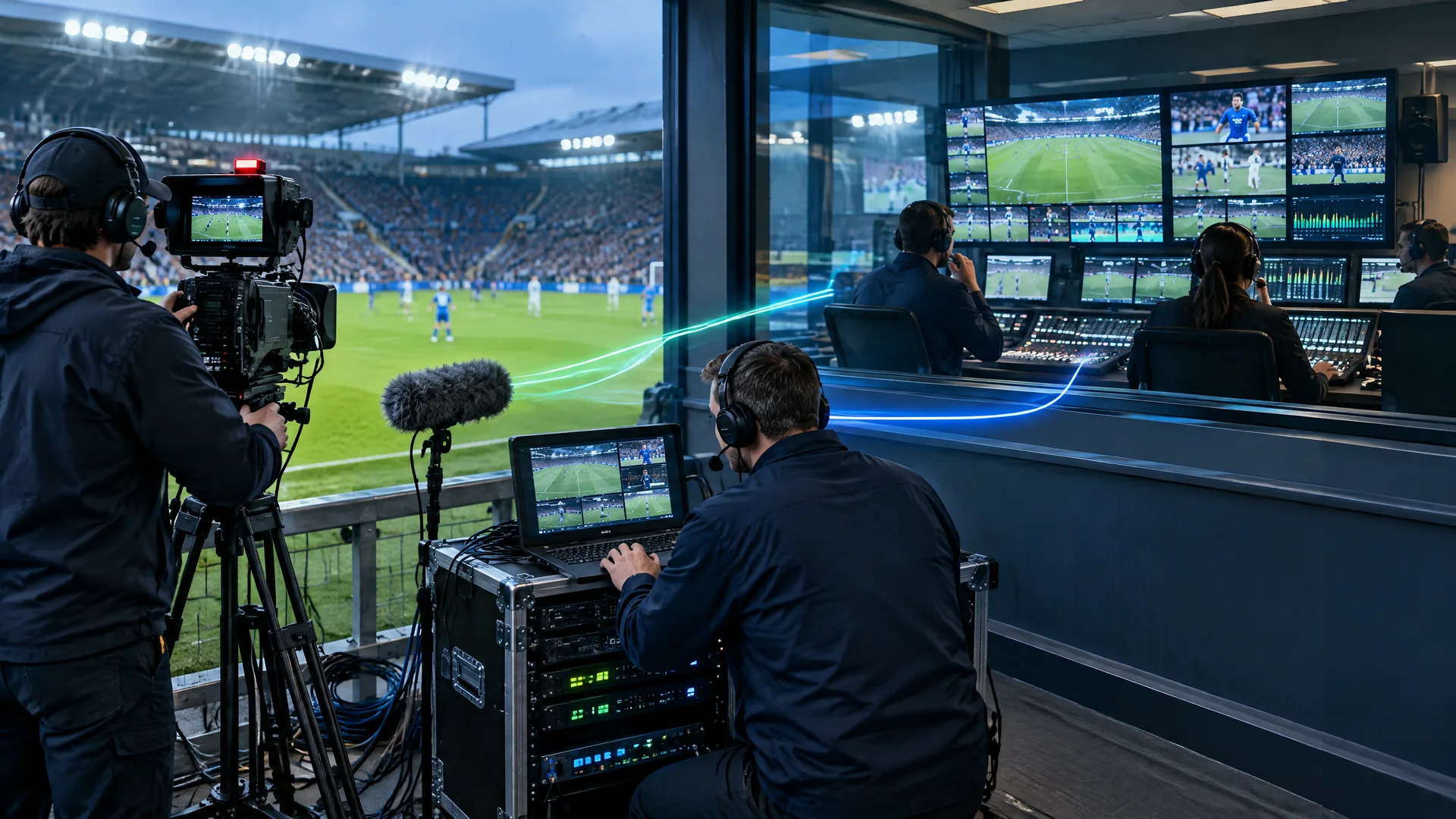
REMI moves selected live-production roles away from the venue while cameras and essential support remain on site. This guide follows every feed, return path and responsibility.
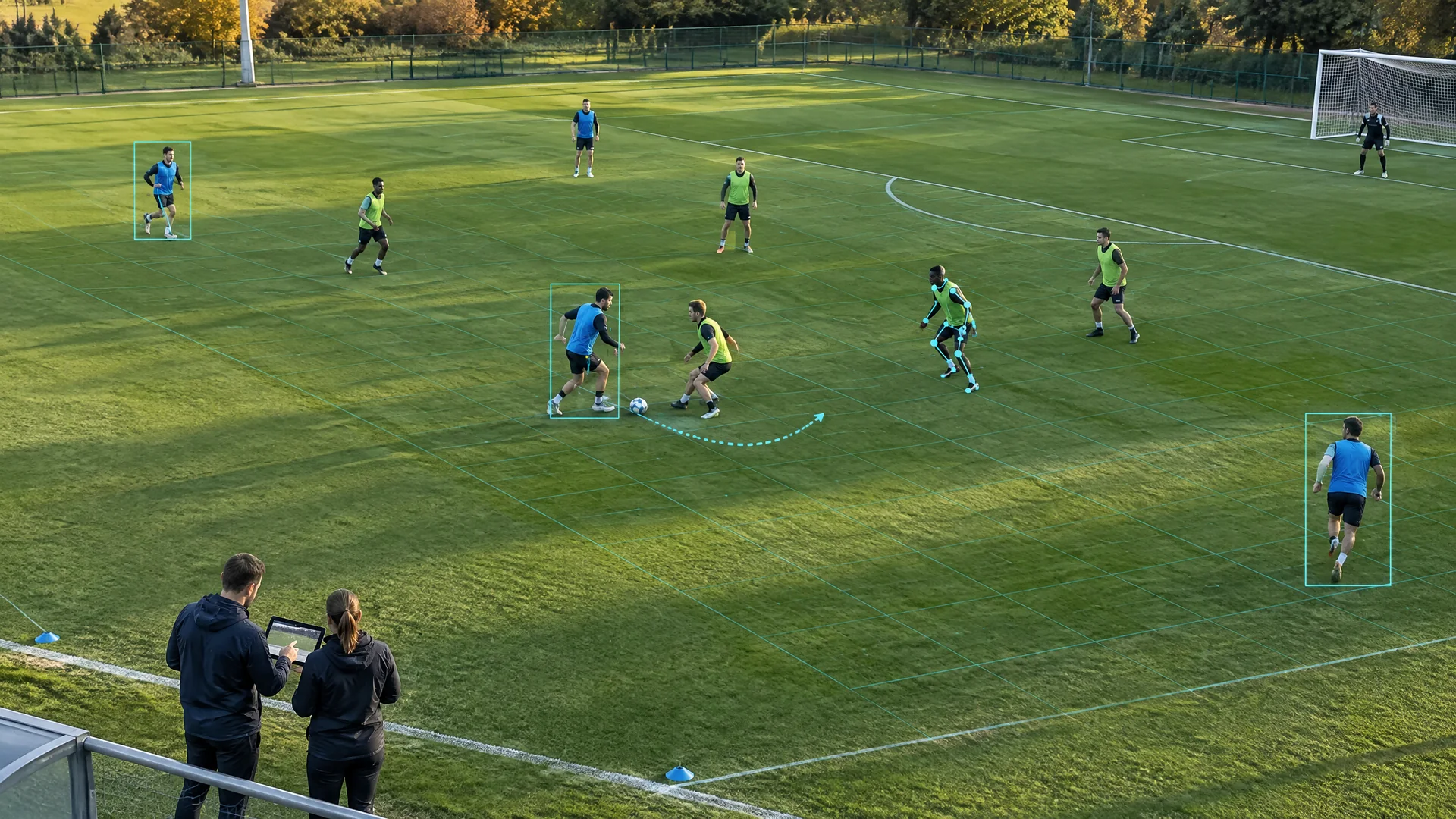
Follow sports footage from object detection and player tracking to events and tactical review, with three diagrams, worked examples and practical limits.
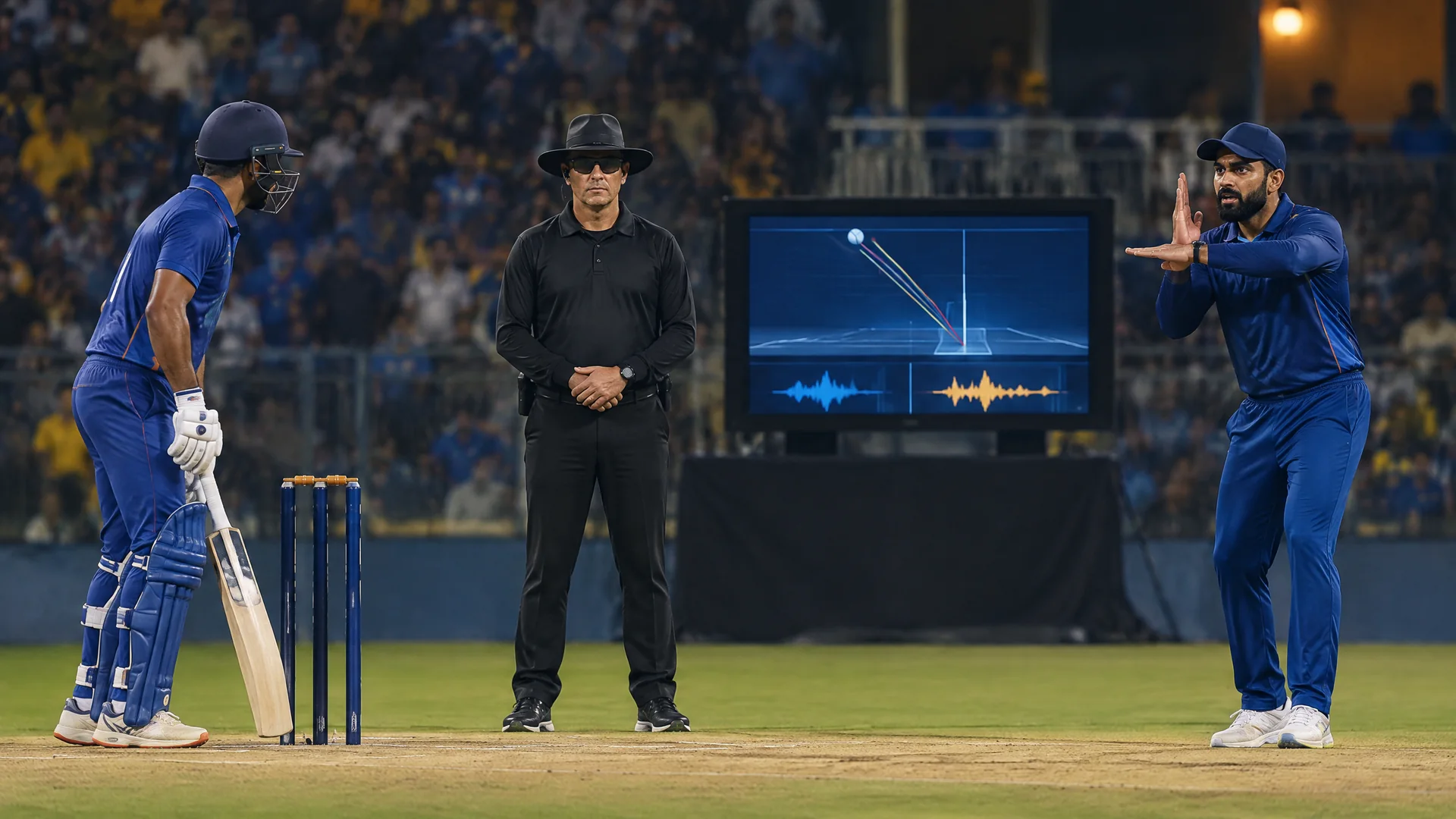
The DRS timer gives an eligible batter or fielding captain a short window to request a Player Review. This guide explains when the clock starts, what the umpire signals and how the evidence is checked.
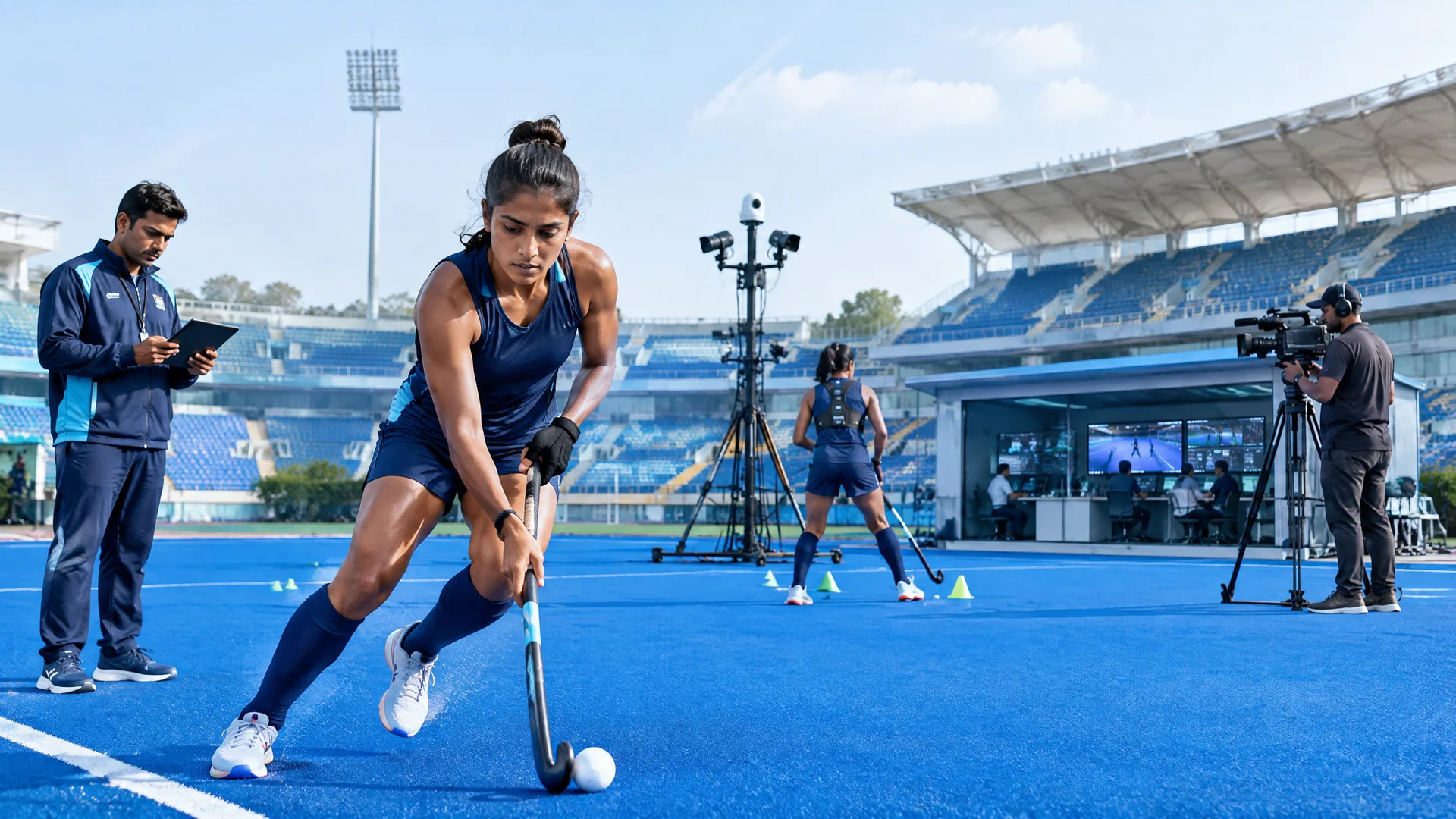
Explore sports technology examples in football, cricket, tennis and athletics, then follow the systems, measurements and practical decisions behind them.

Sports technology is the use of equipment, sensors, software, data systems and media infrastructure to support how sport is played, trained, judged, managed or experienced. It can improve a defined task, but its value depends on evidence, context, access, human judgement and clear responsibility for the decision.
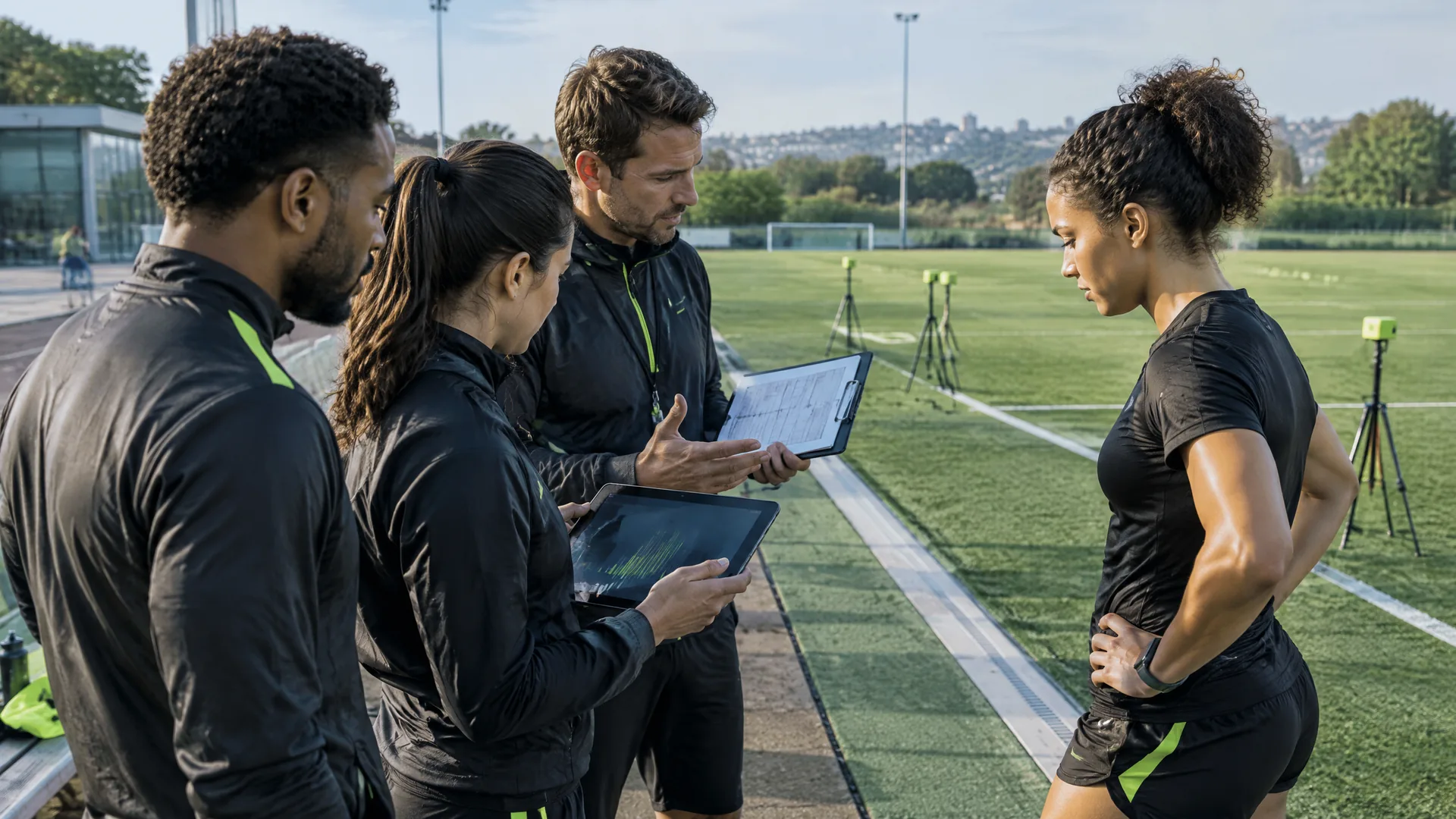
A practical framework for turning athlete performance tracking into accountable, proportionate decisions rather than a stream of disconnected measurements.
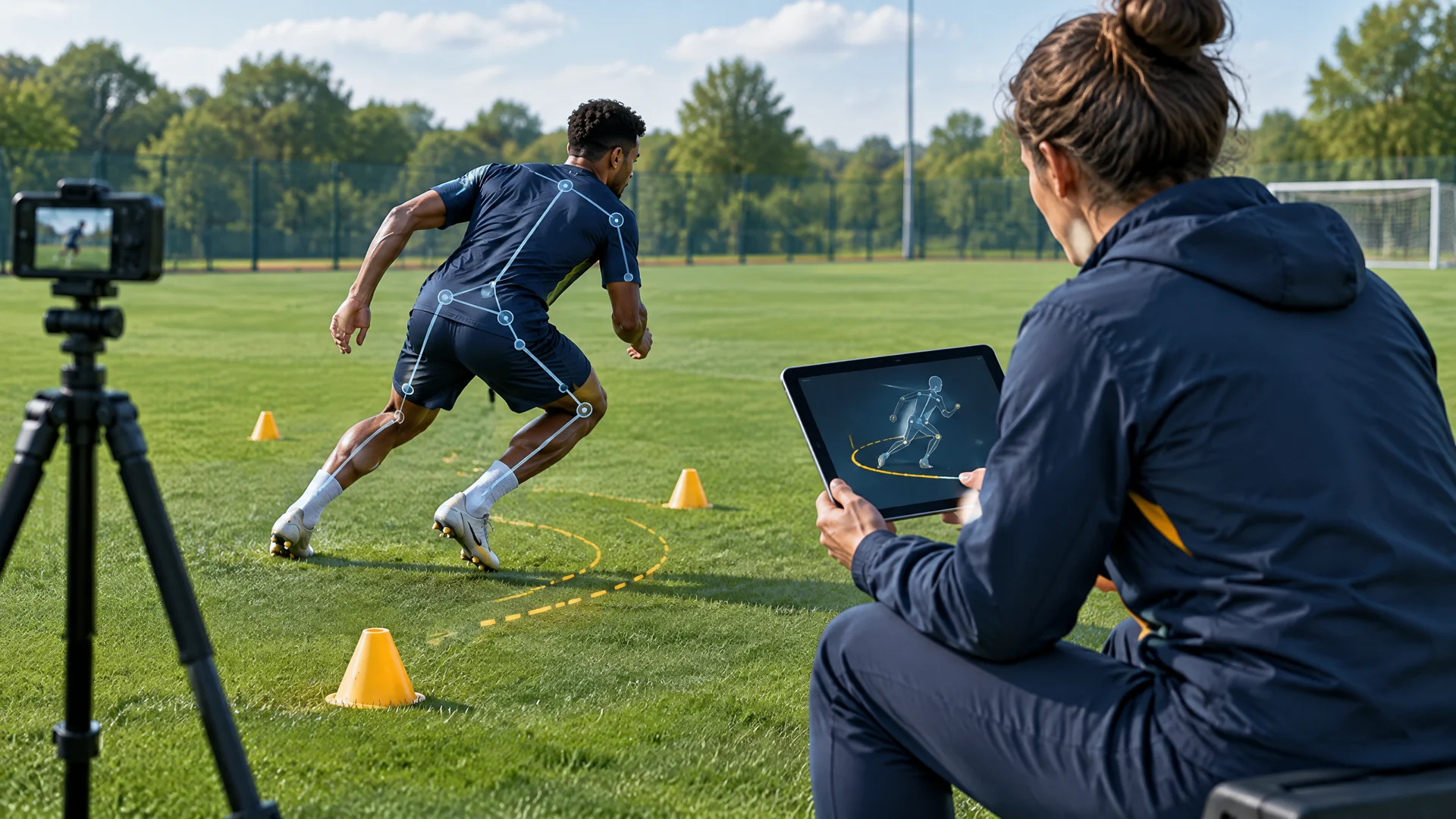
Explore player tracking, ball tracking and pose estimation, then follow a practical training example that keeps reliable footage and human review at the centre.
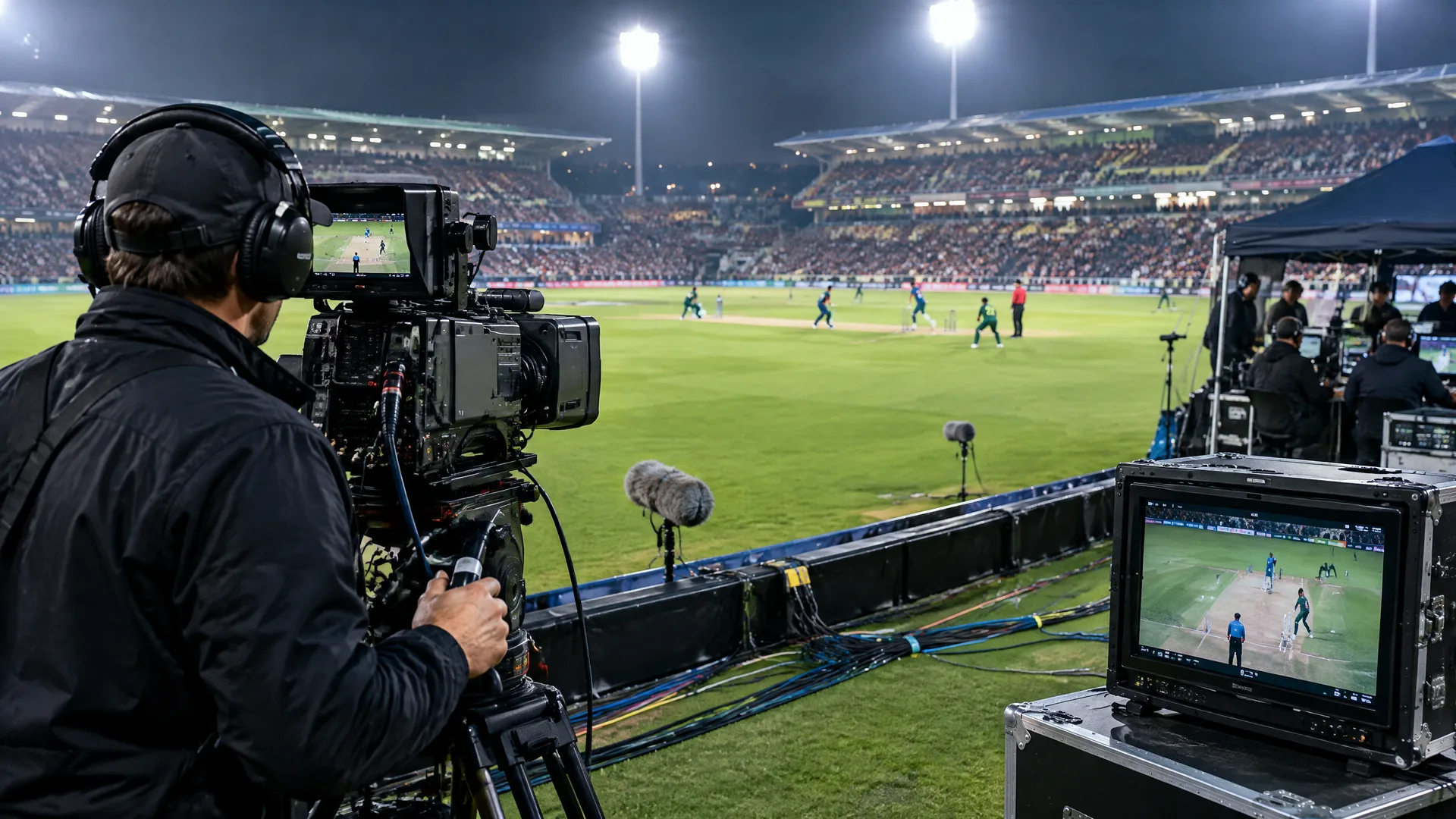
A practical guide to the connected systems that capture, produce, protect and deliver a live sporting event to every viewer.
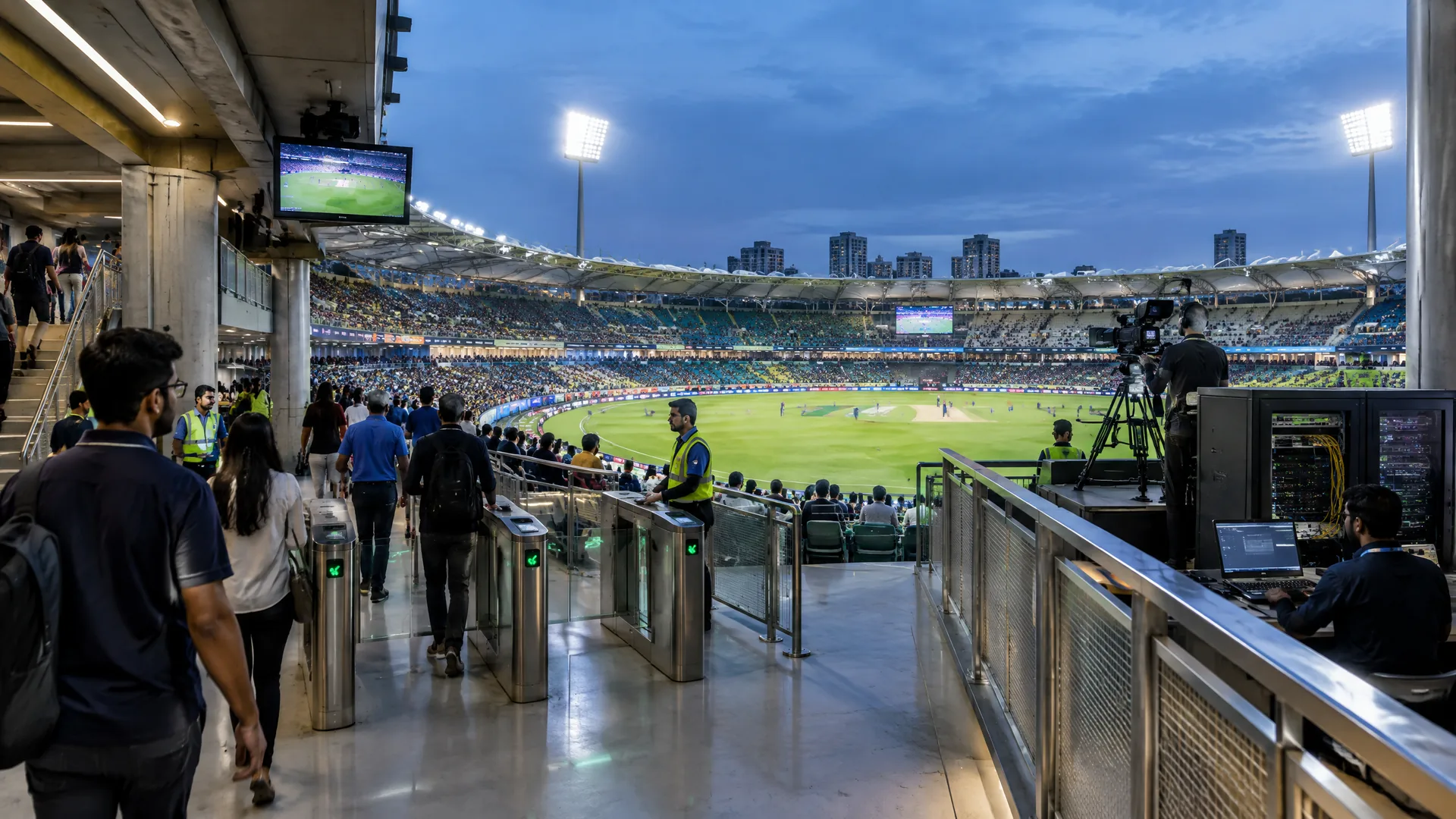
A practical guide to the connected systems that help stadium teams manage arrival, safety, media, buildings, accessibility and disruption.
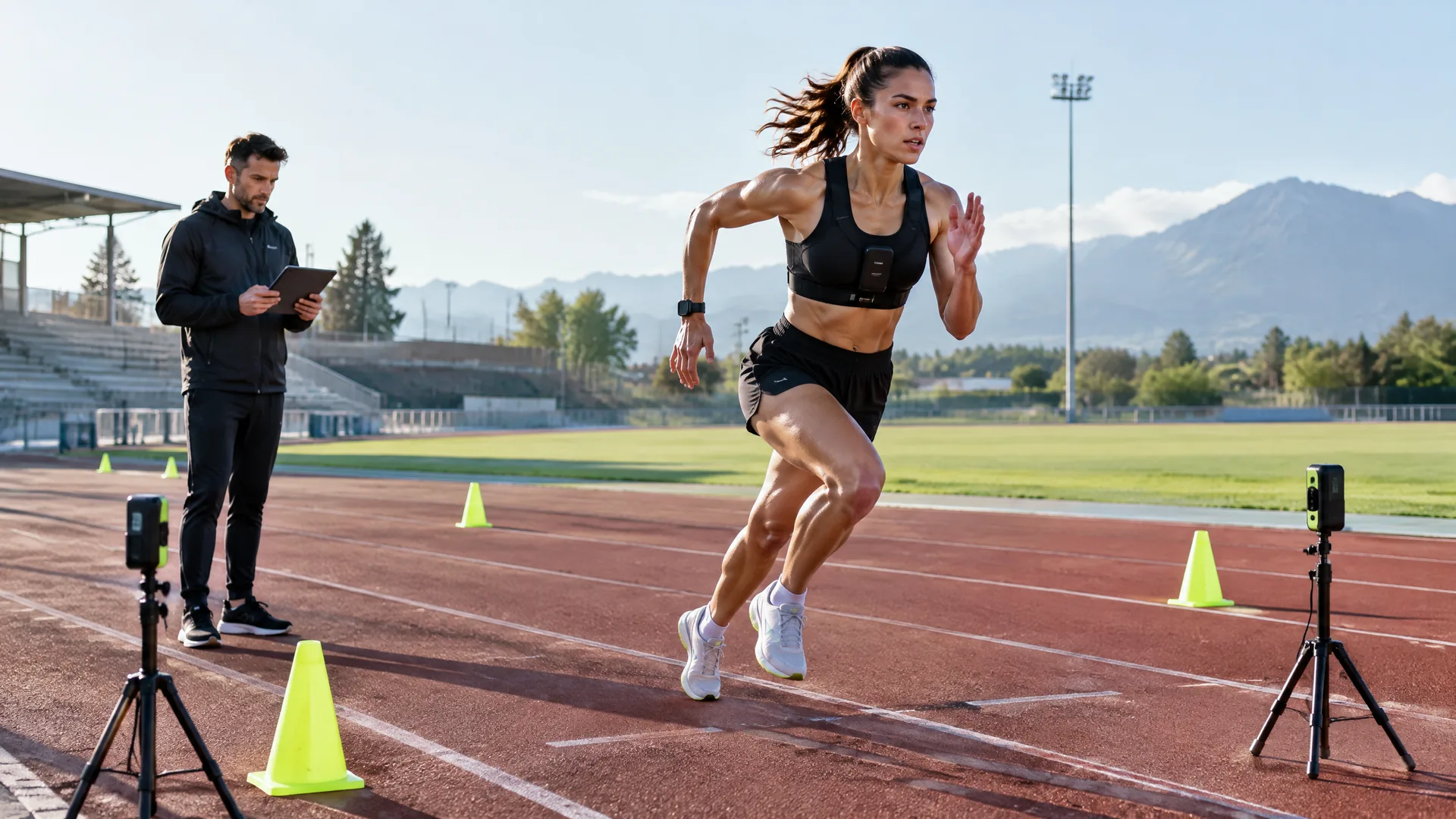
Understand GPS vests, heart-rate monitors, inertial sensors, smartwatches and sleep tracking, with practical guidance on accuracy, athlete privacy and limits.
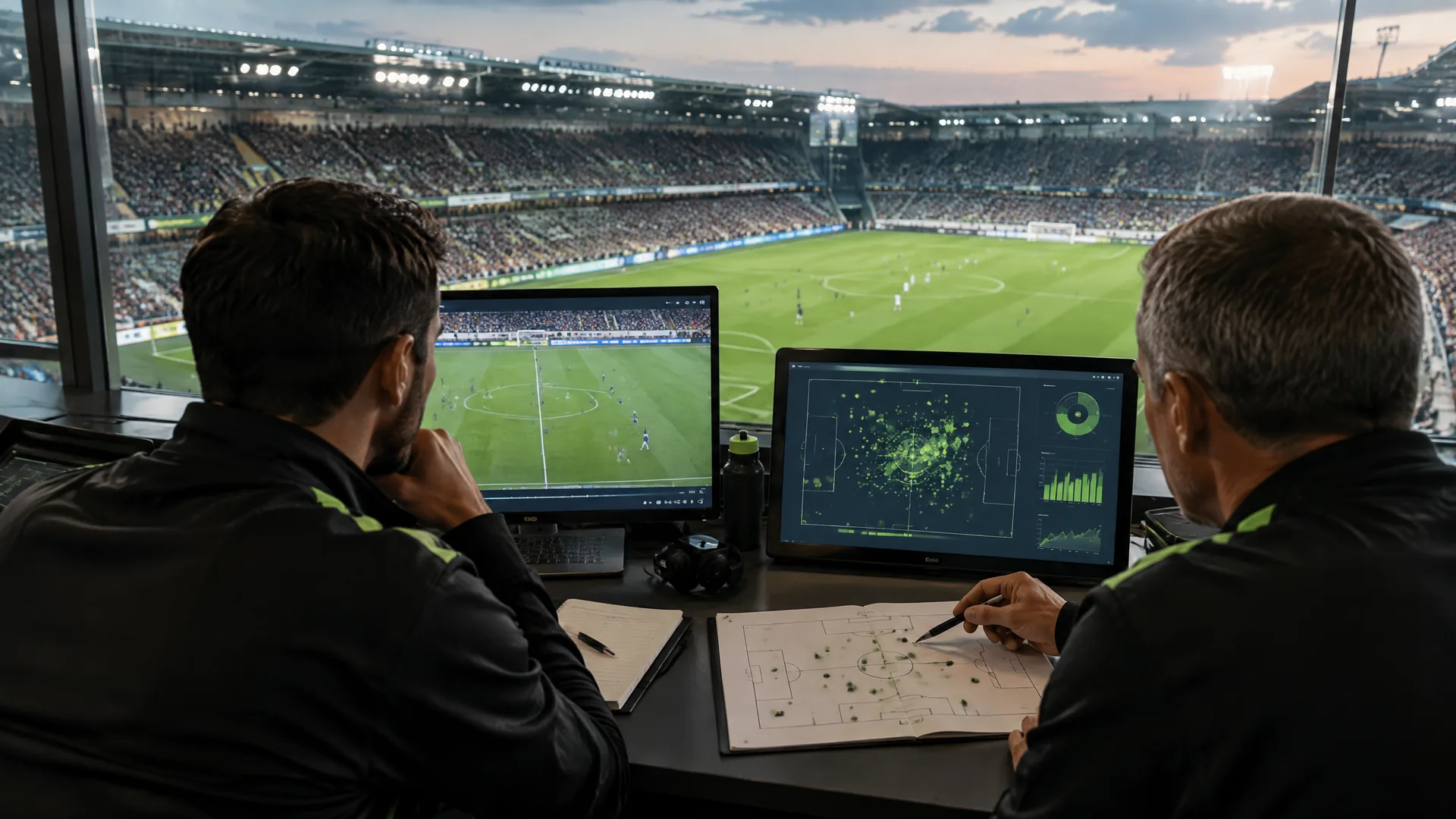
A decision-led guide to sports analytics types, data, examples, reporting, validation and accountable use by coaches, players and sports organisations.
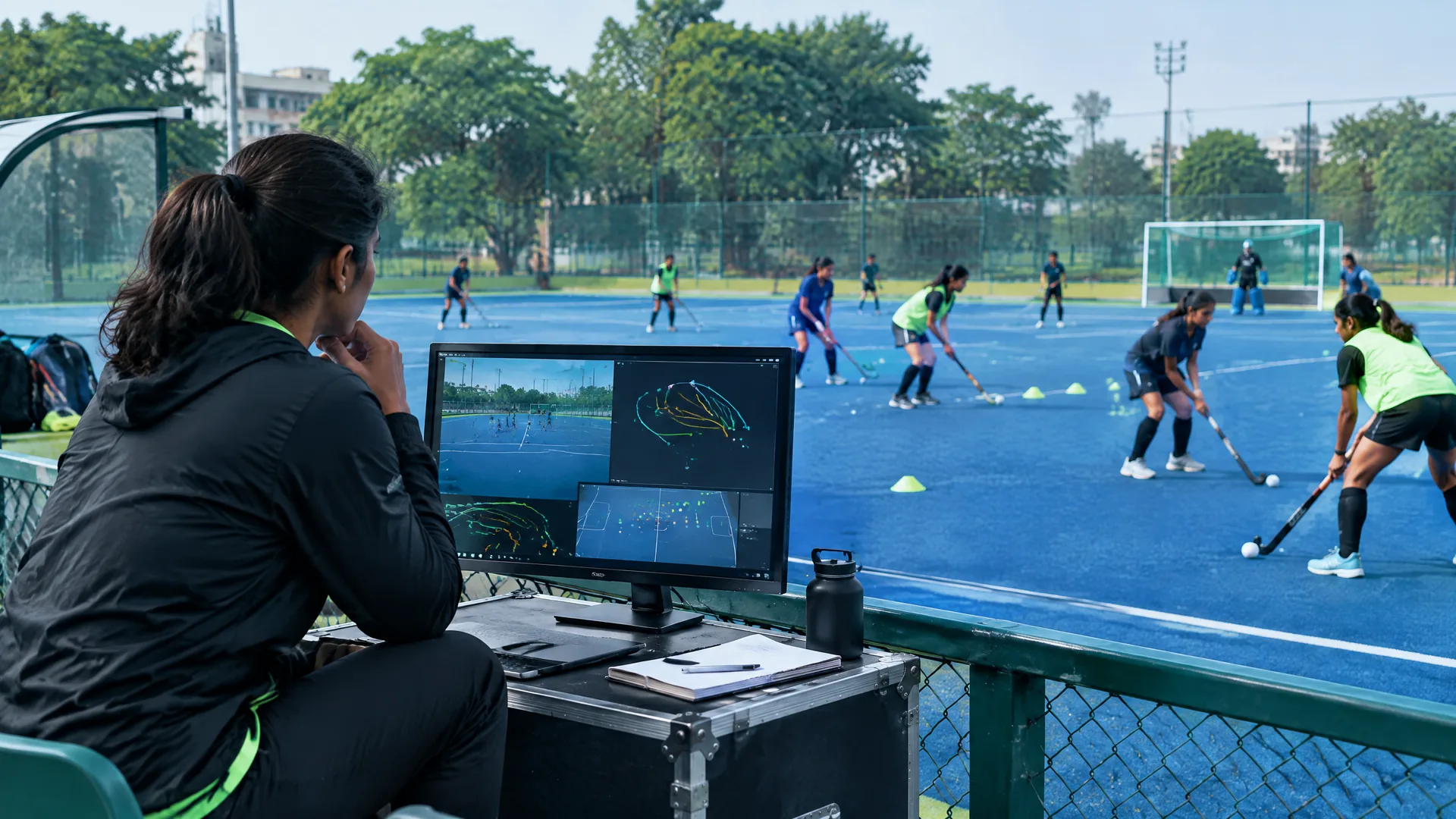
A decision-led guide to AI inputs, outputs, uses, examples, measurable benefits, risks and human accountability across sport.