AI & Analyticsdeep dive
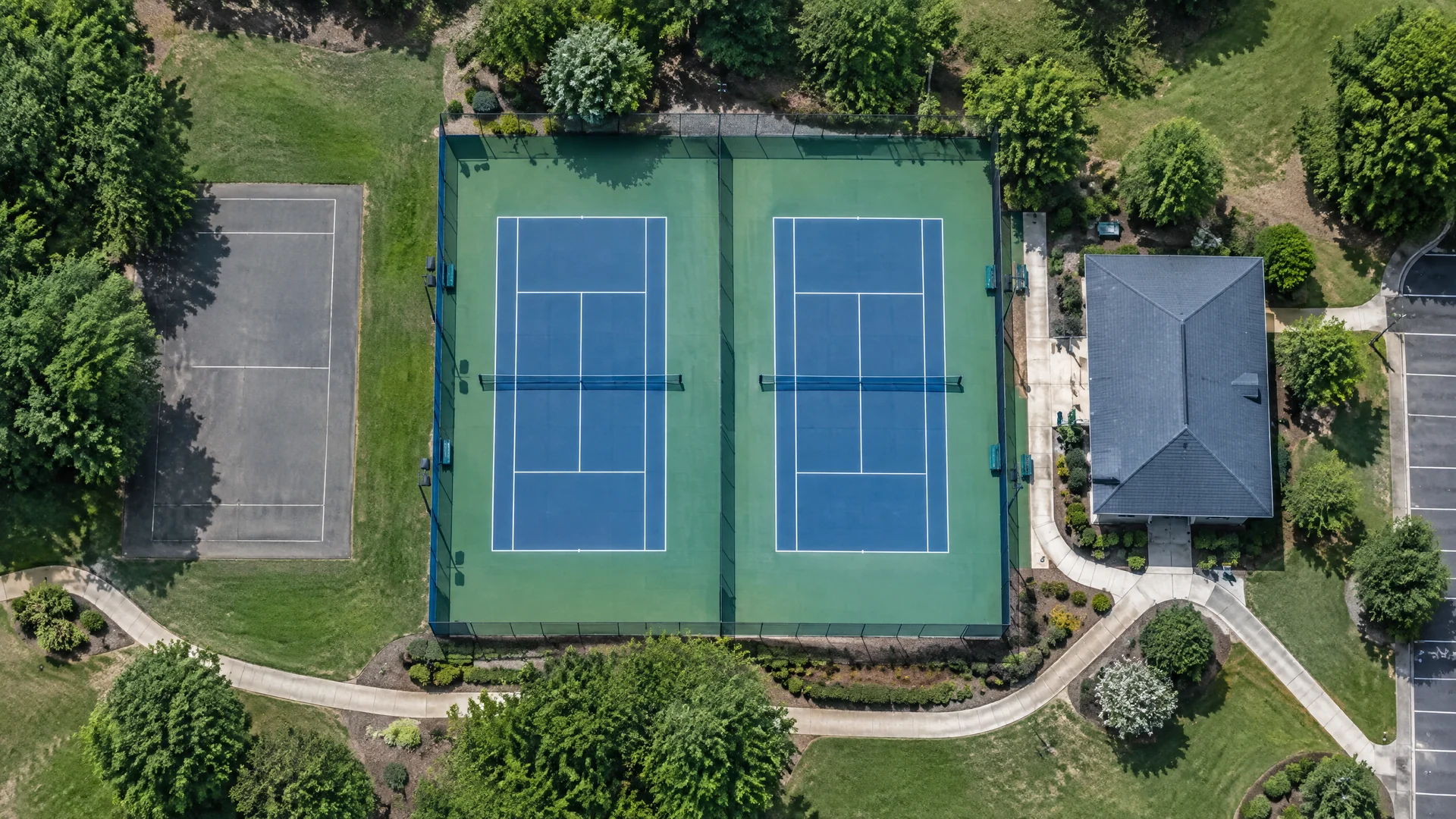
How AI Detects Tennis Courts in Aerial Images
Learn how AI detects tennis courts in aerial images, with a worked review example, resolution limits, dataset checks and human verification.
Compare how tracking, officiating, video and performance tools change across hockey, athletics, basketball, esports and other disciplines.
26 in-depth storiesLearn how AI detects tennis courts in aerial images, with a worked review example, resolution limits, dataset checks and human verification.

Learn what running watts actually represent, how watches and foot pods estimate power, and how to interpret hills, heart rate and device differences.

A practical esports workstation guide: connect display, desk and input placement with clear session logs, without treating observations as a diagnosis.
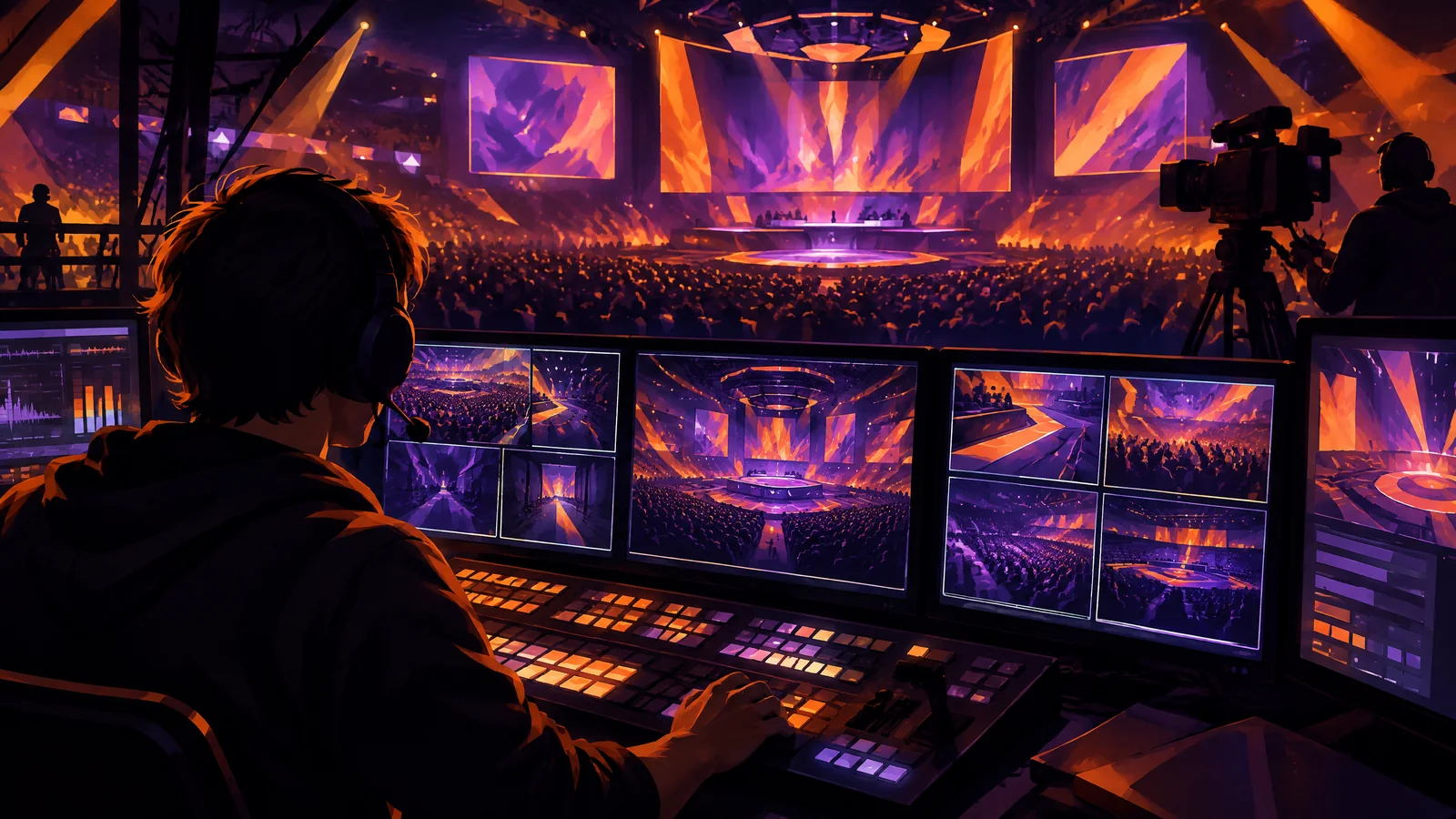
An esports tournament stream is a programme, not simply a player screen: learn how observers, cameras, graphics, replay, encoding and delivery fit together.

Esports anti-cheat layers server validation, client integrity checks and reviewed behaviour signals. Learn what kernel and AI tools can—and cannot—prove.

A reaction-time score includes task, display, input and browser—not only a gamer’s response. Learn to build a fair, repeatable personal baseline.
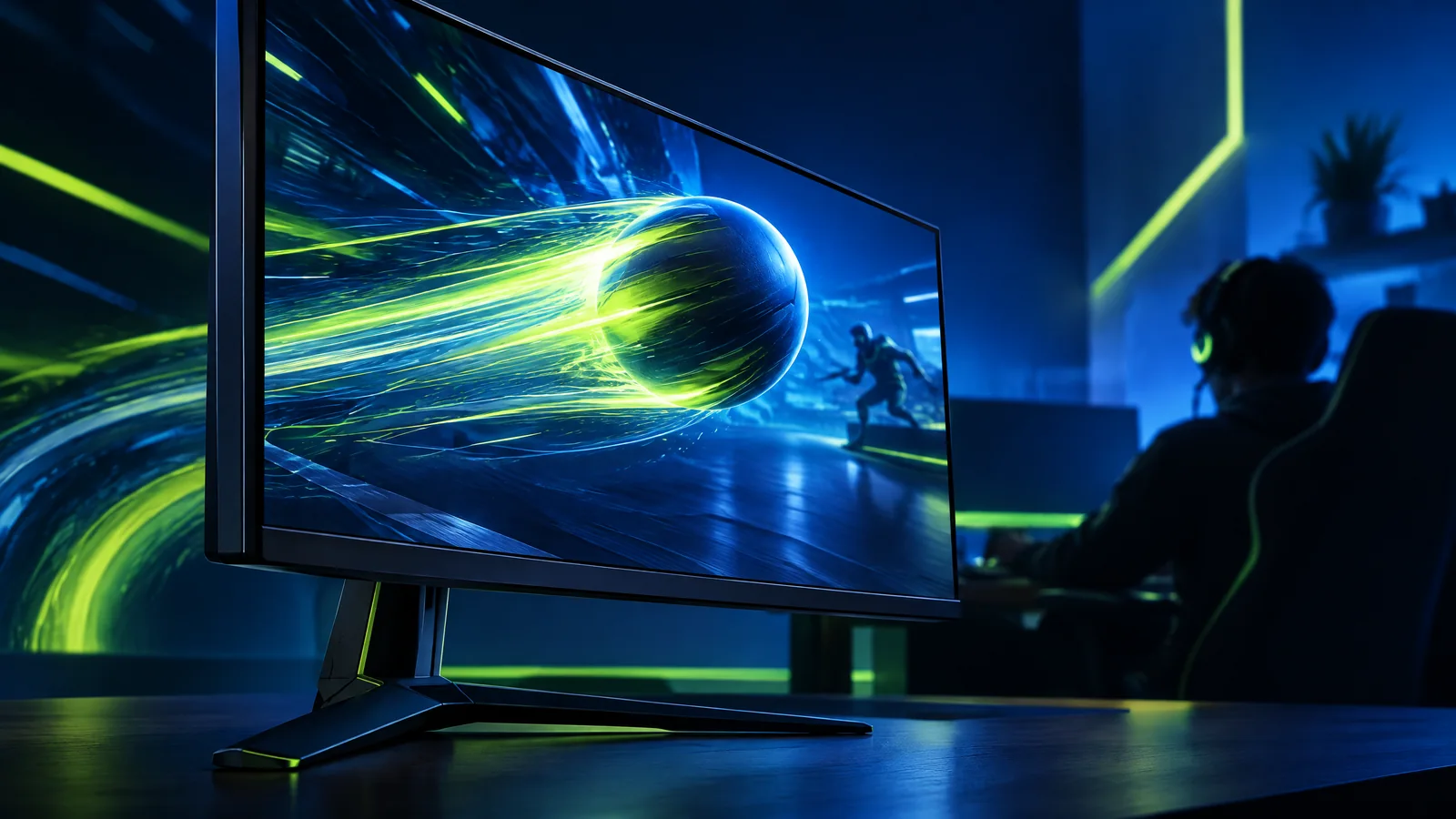
A clear guide to high-refresh-rate esports monitors: how 144Hz, 240Hz, 360Hz and 540Hz affect update timing, motion clarity and the wider latency chain.

Gaming latency is more than a ping number. Learn how RTT, jitter, packet loss, server ticks, local input delay and congestion affect an online match.
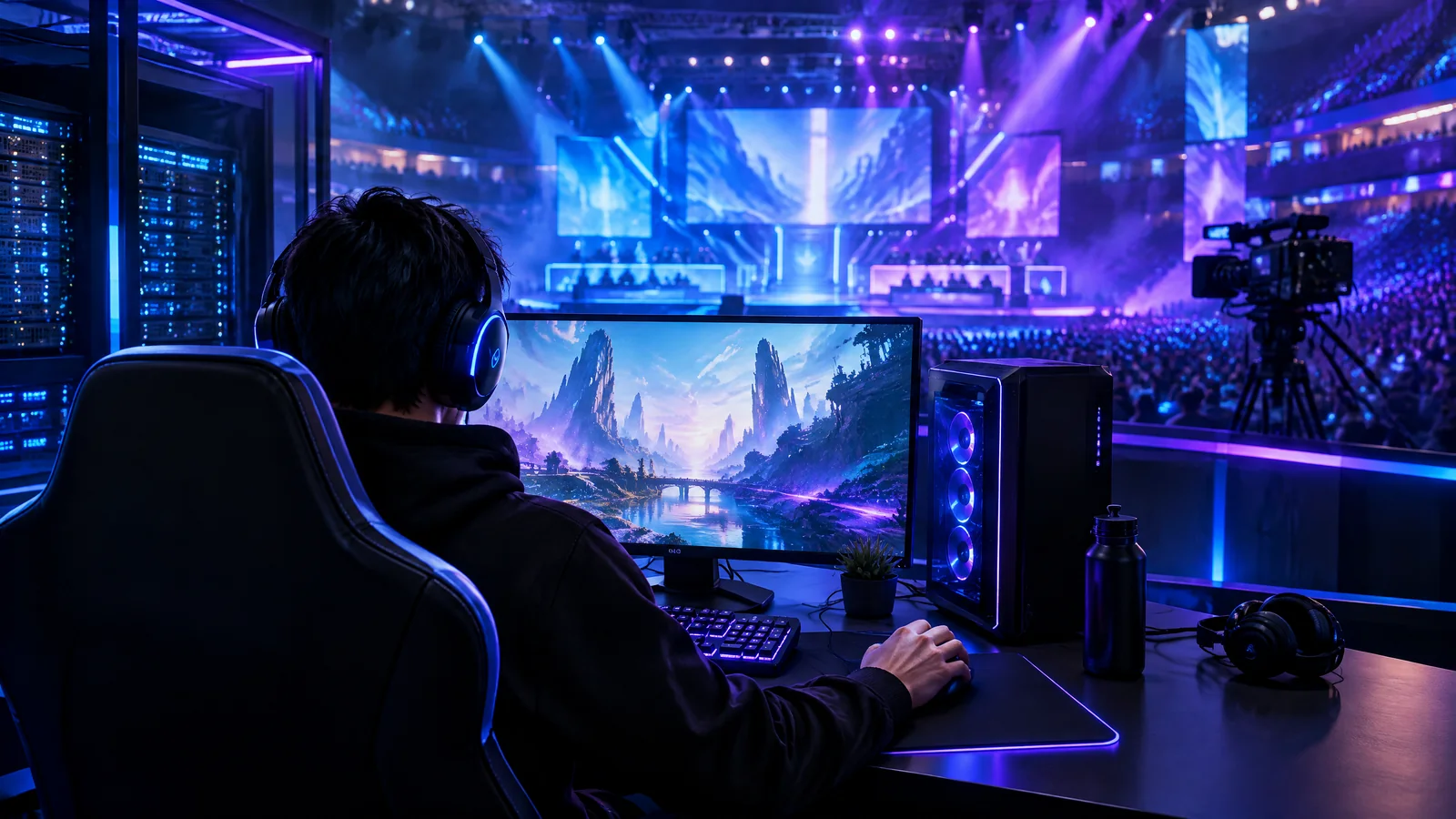
Esports technology connects player hardware, game servers, competition controls, authorised data and broadcasts; each has a distinct job in a competitive match.
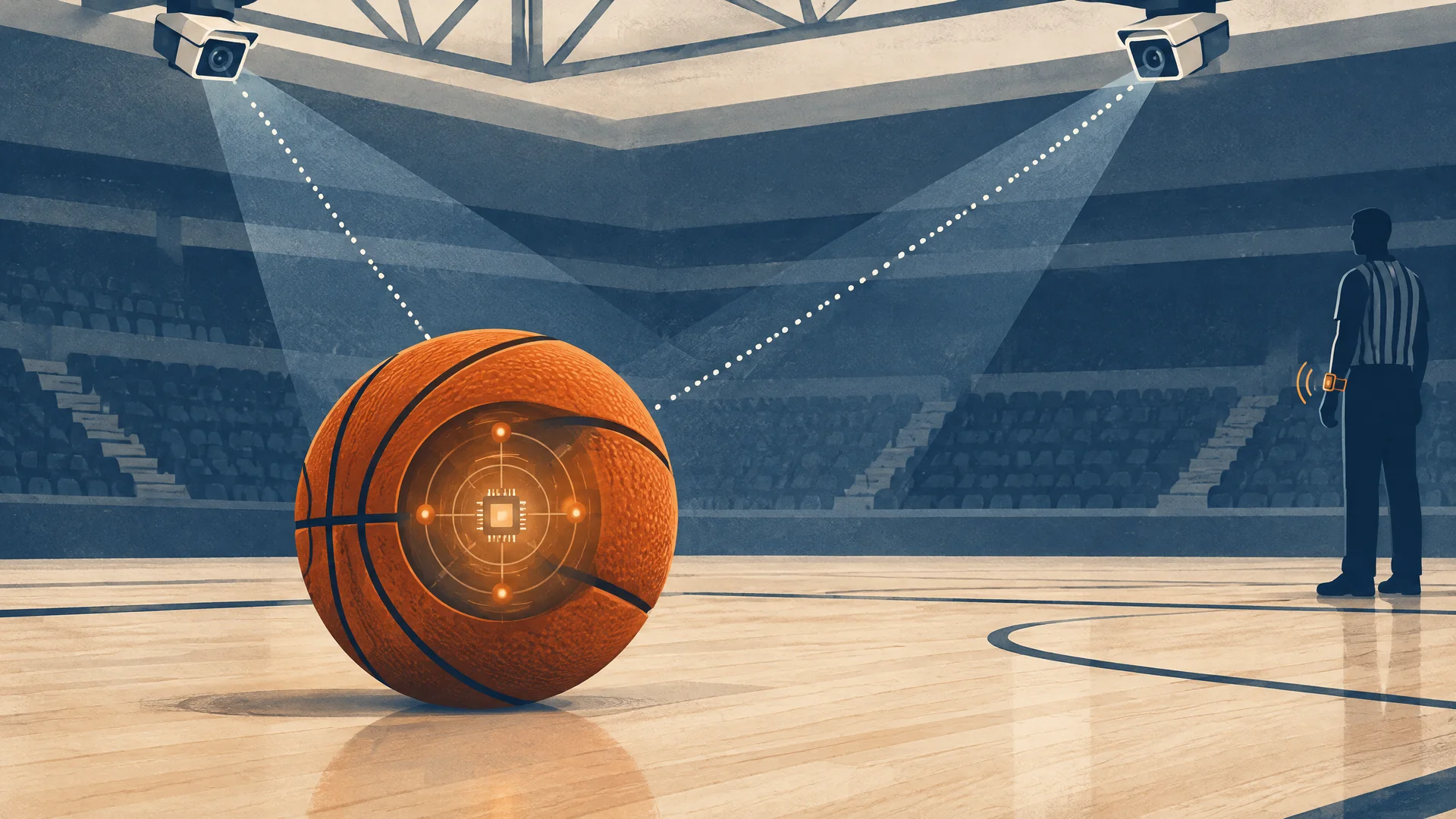
The NBA has three separate technology stories: research-only connected basketballs, referee wrist communication, and established optical player tracking. Here is what each can and cannot do.
Six October 8 U.S.-date NBA preseason games start early October 9 in India. See verified start times, five prior-day finals and two player lines; no upcoming score is final.
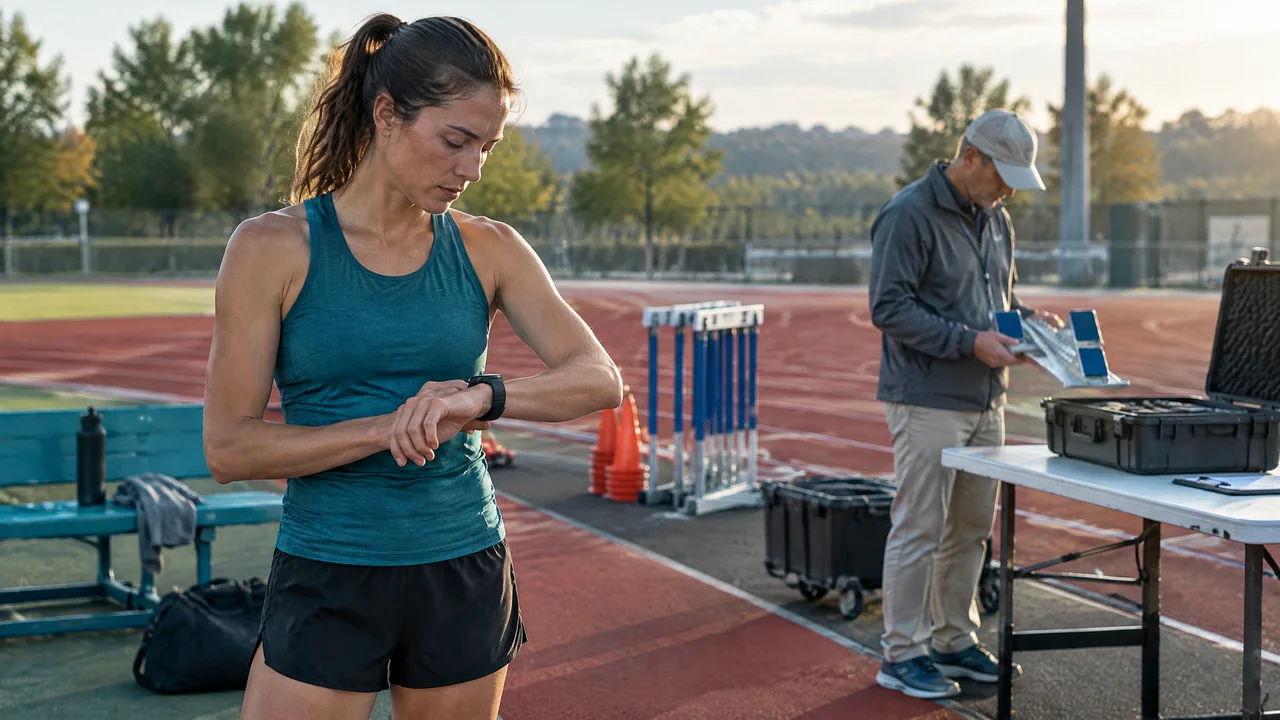
A World Athletics rules check for athletes and officials: separate wearing a GPS watch from using its functions, then verify the event’s own instructions.
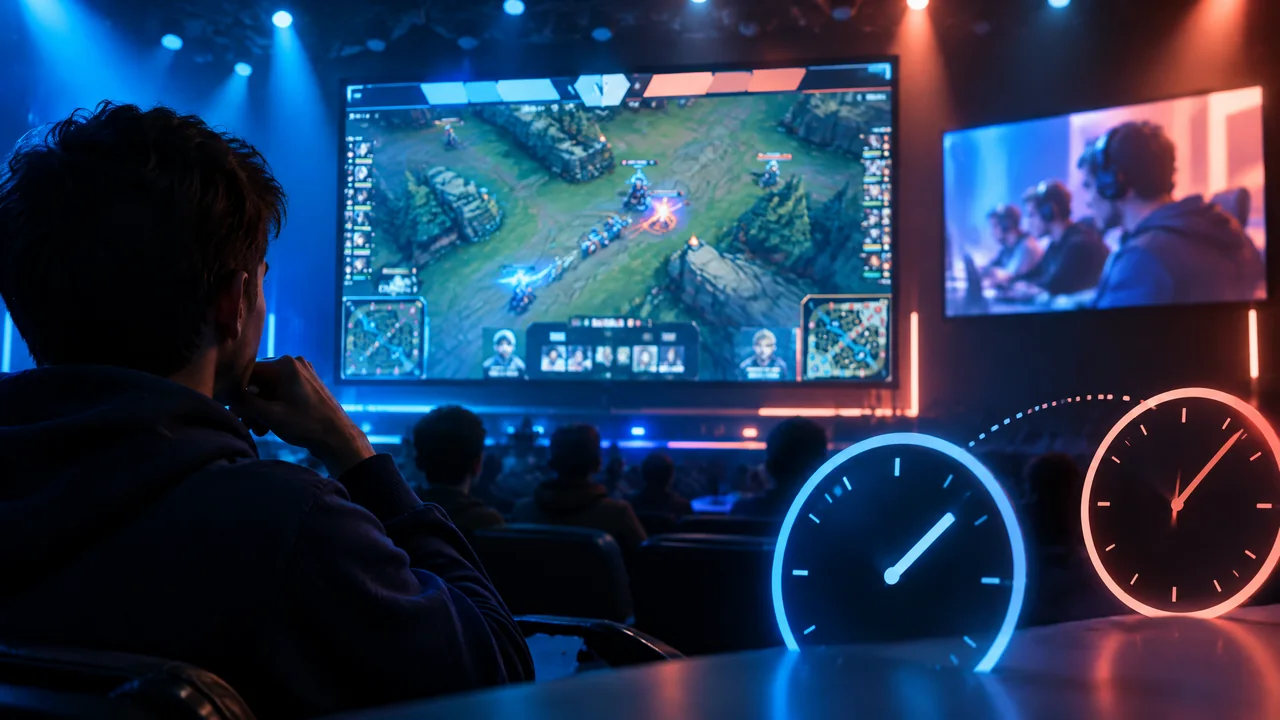
If an esports score appears before the stream, compare official data and video timing; a timing gap alone does not prove either feed is fake.
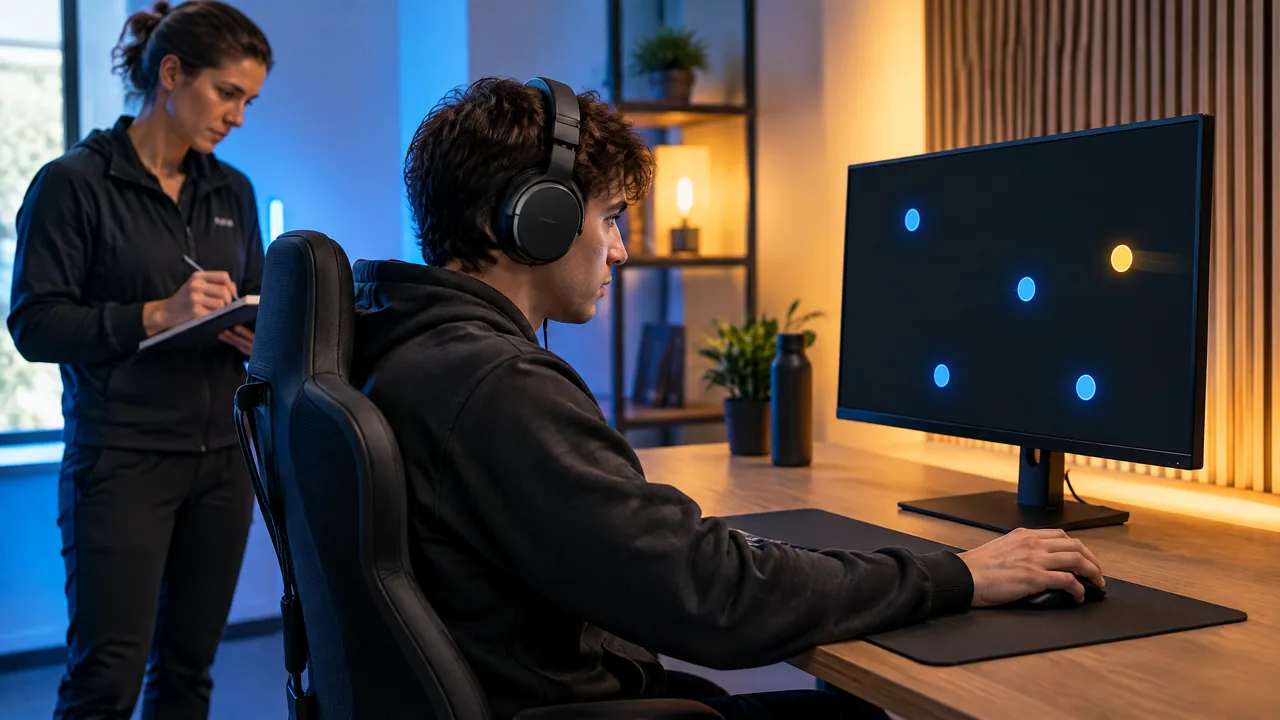
Learn what adaptive aim practice and AI gameplay feedback measure, how to check drill transfer in a match, and why live input automation is not training.

Learn how esports analytics turns permitted game records into fair performance metrics, replay questions and post-match review—not live assistance.
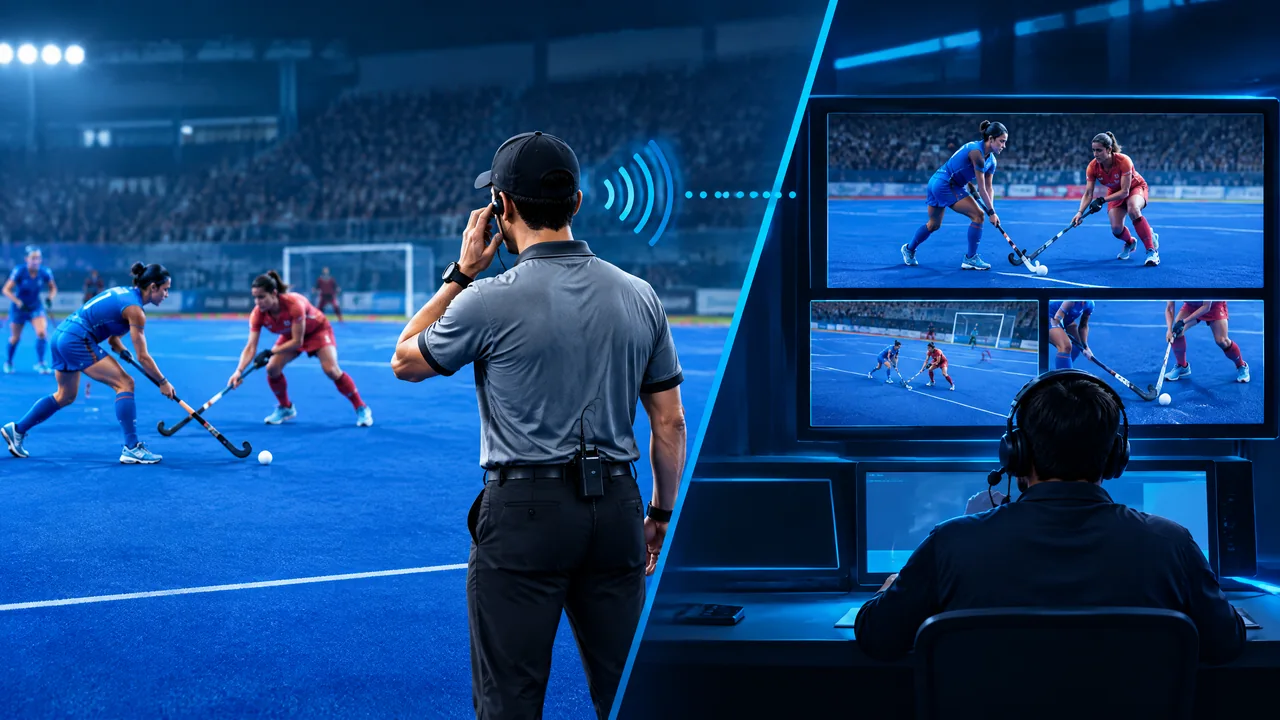
Who may ask for a hockey video review, which decisions can be checked, and who makes the final call? A readable guide to team and umpire referrals using the FIH's 2026 World Cup protocol as a clearly labelled example.
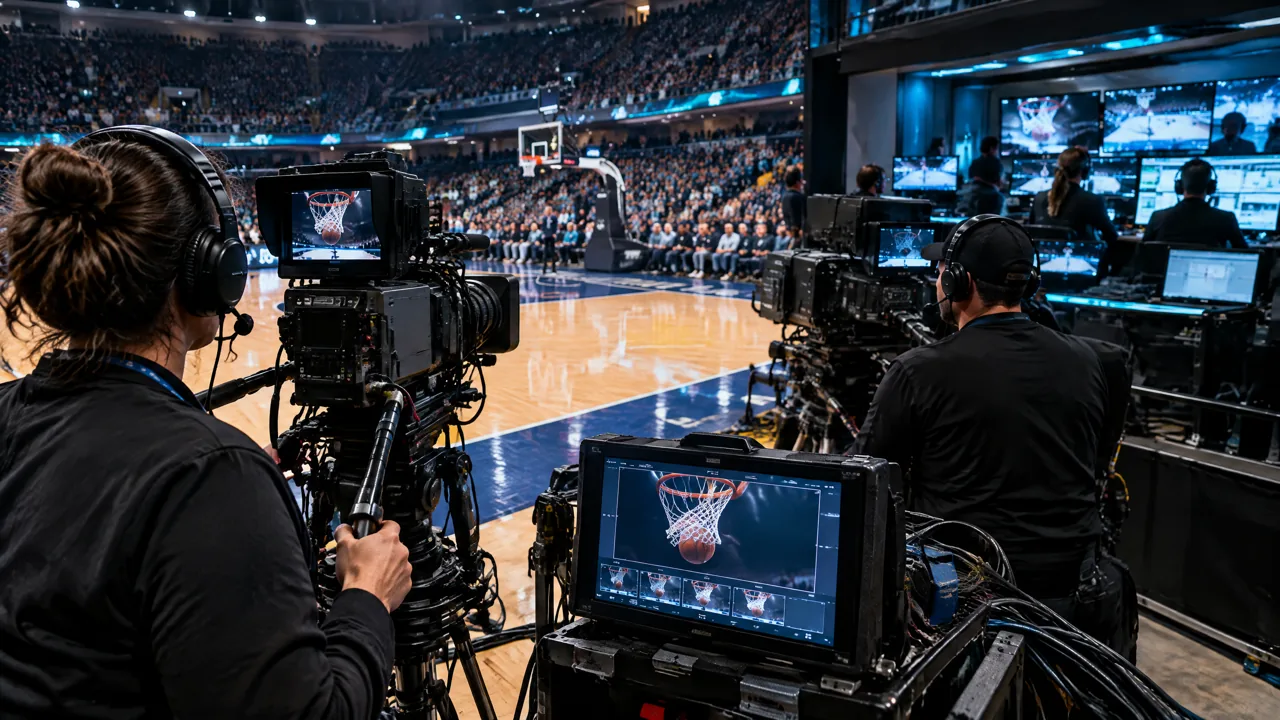
USA Sports described additional replay, camera and player-mic coverage for the 2026 WNBA playoffs, with graphics operated across a Denver-to-venue REMI workflow. What did the plan actually establish?
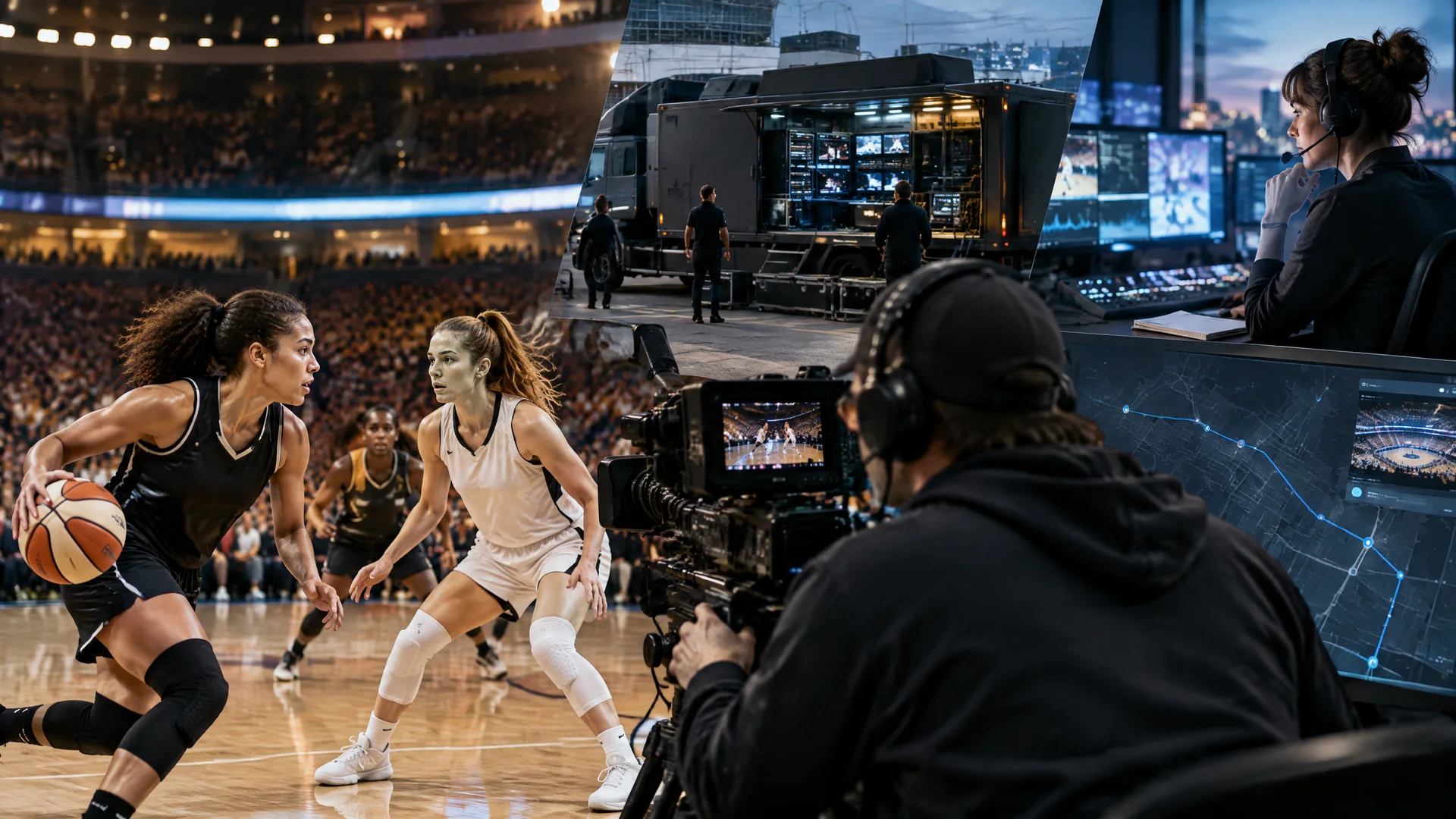
ESPN prepared parallel truck, crew and transmission plans for uncertain WNBA playoff locations while retaining 1080p HDR, REMI and home-based rules analysis.
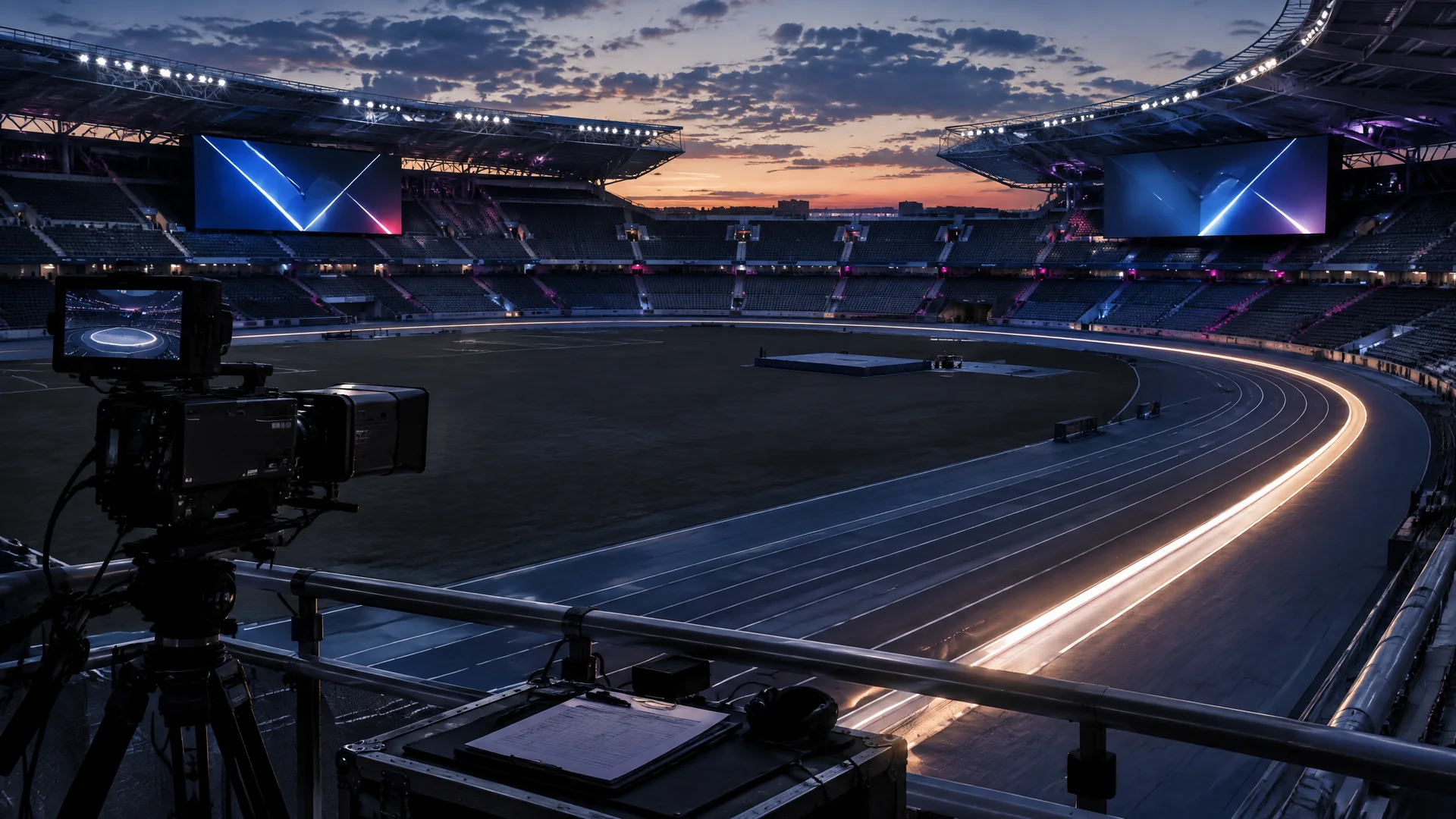
Host Broadcast Services says World Athletics Ultimate ran competition, stadium presentation and television from one detailed rundown. The post-event account documents coordination and live difficulty, not measured audience or accessibility gains.
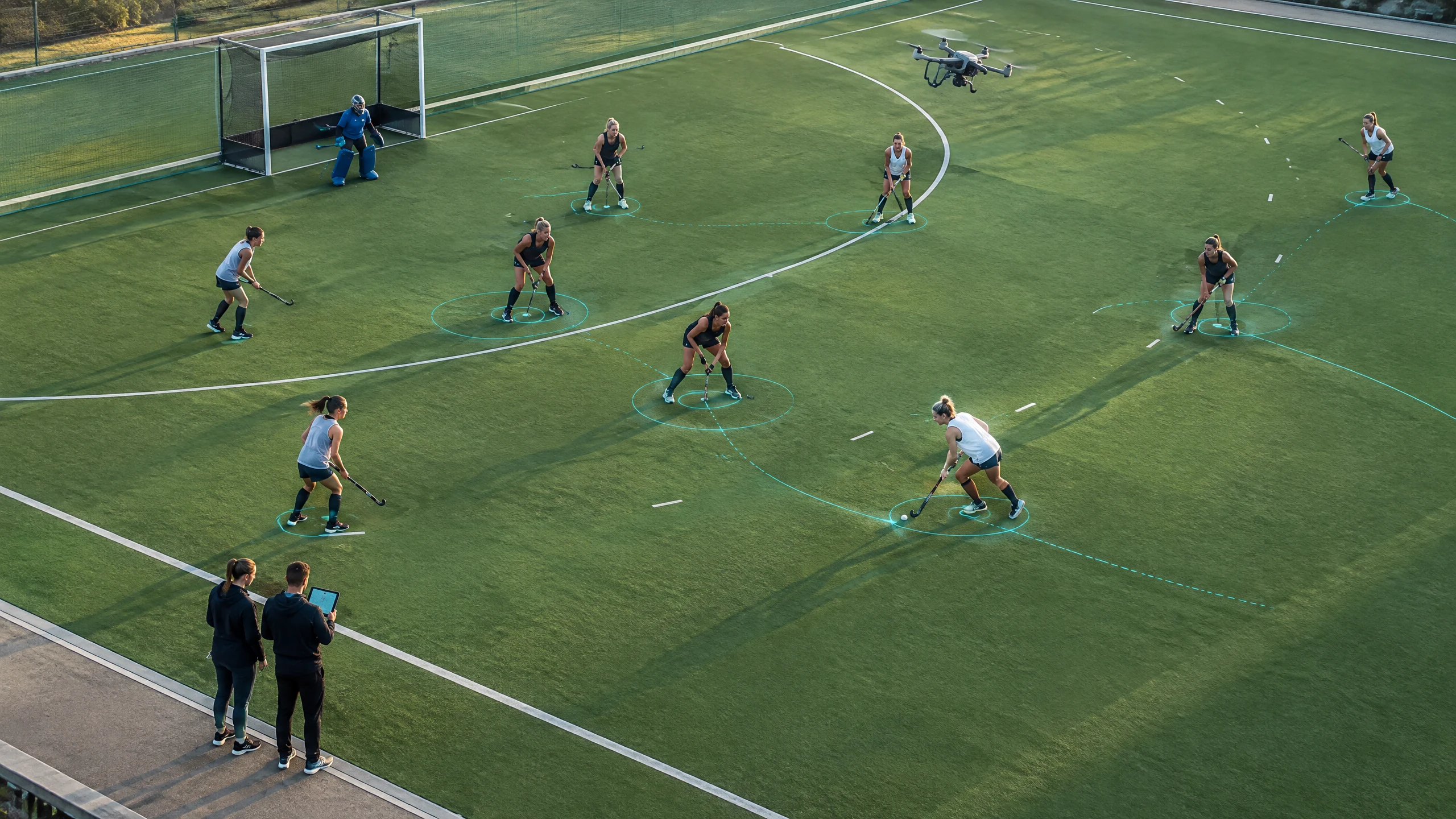
South Korea’s hockey and shooting teams are using AI video analysis in training. What coaches can act on—and what the report does not prove.
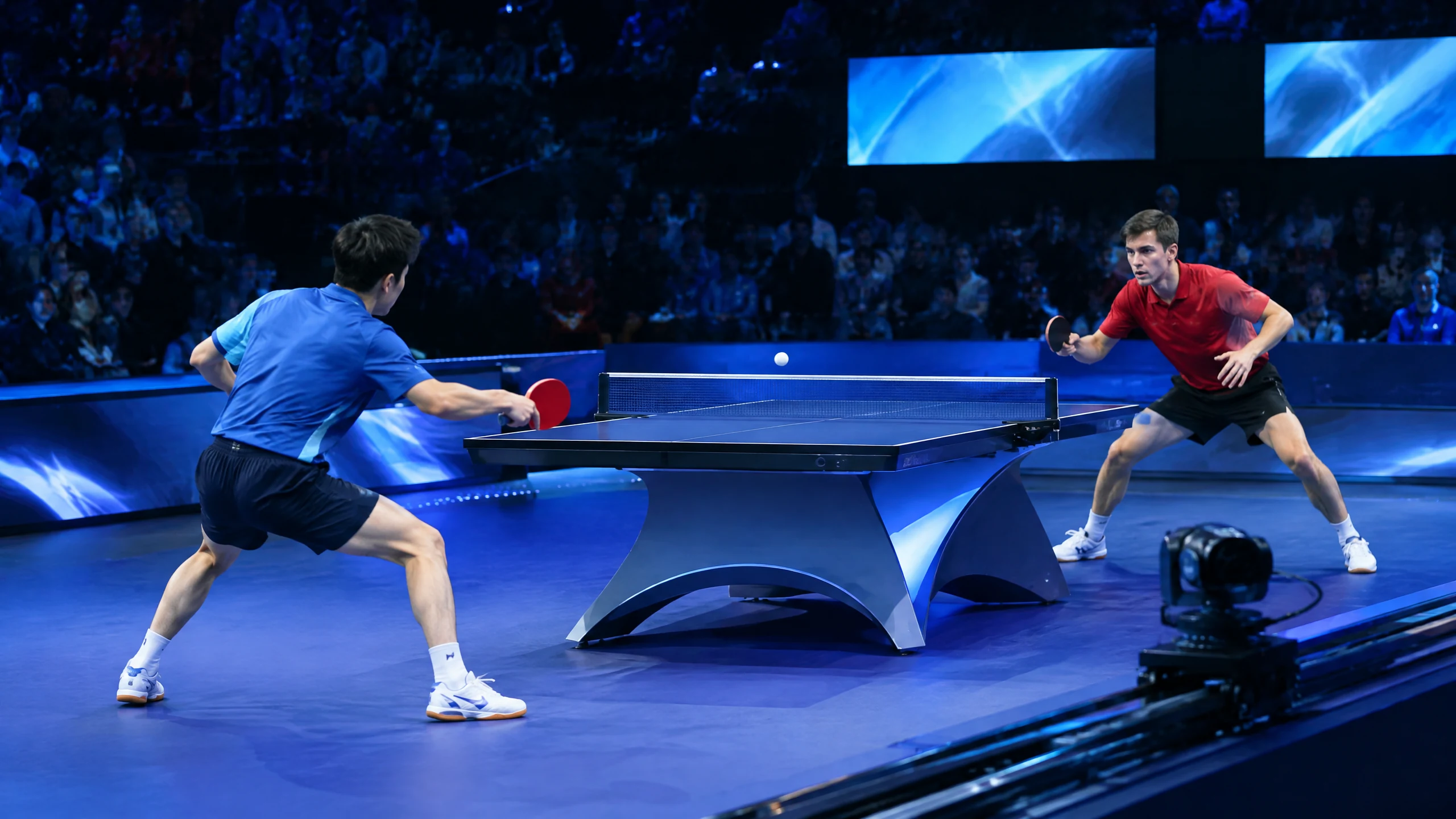
Major League Table Tennis has added DAZN, Youku, SI TV and U.S. recap outlets for 2026–27. What the distribution plan confirms—and what it does not.
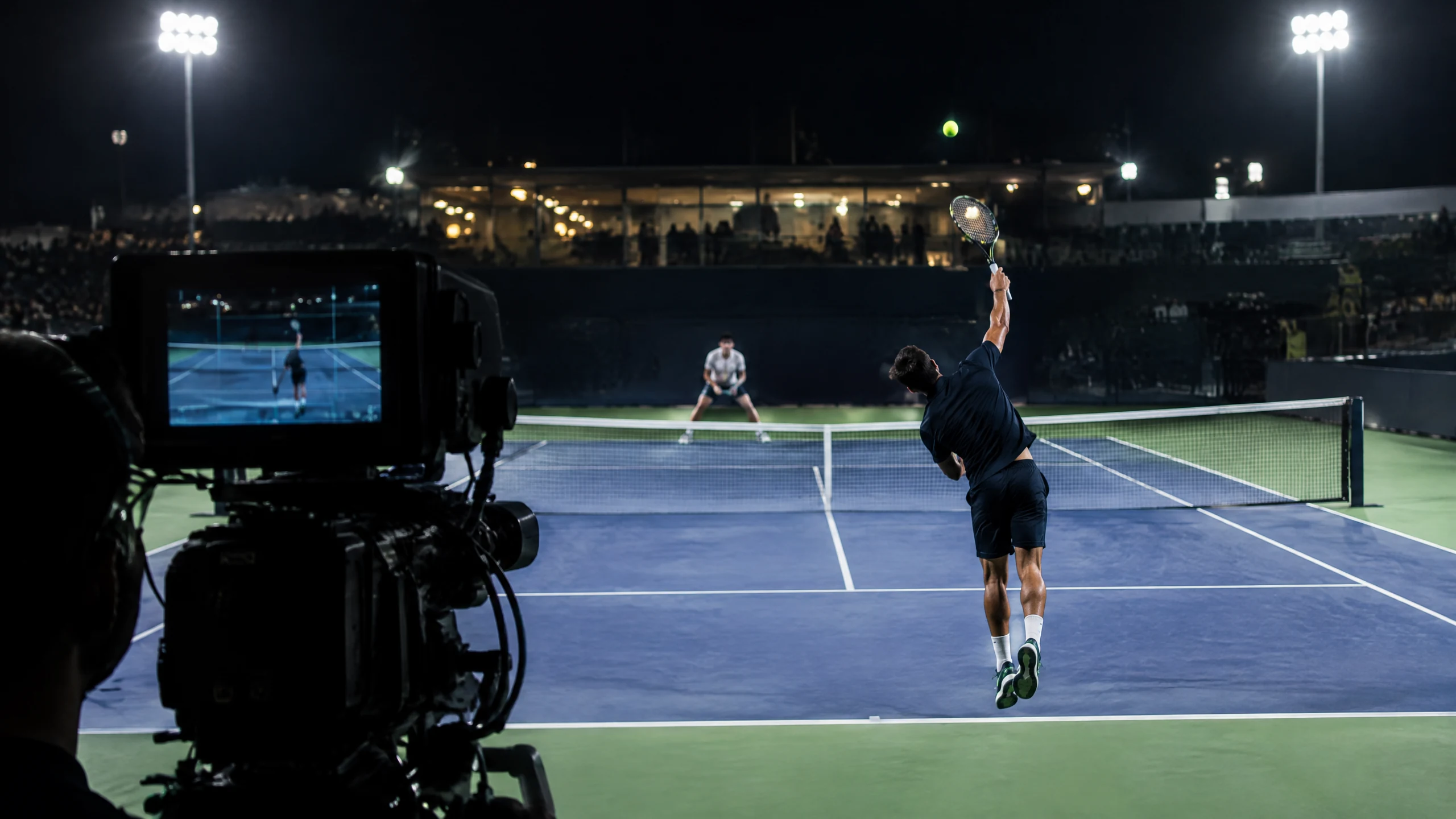
Sky Sports and NOW will remain the exclusive UK and Ireland home of the US Open through 2030 under a three-year extension with the USTA.
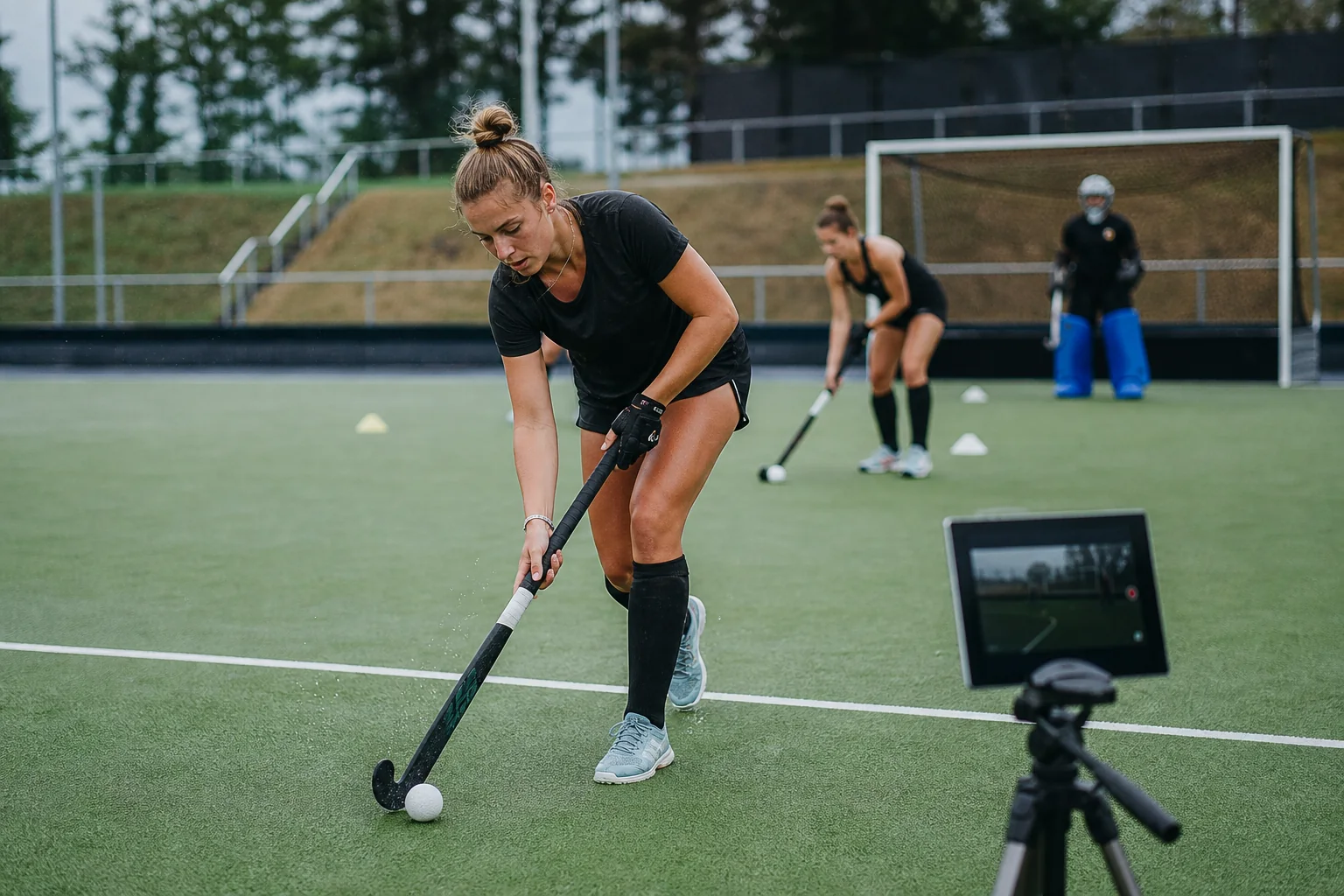
Turf speed, water availability, and training time can change the feel of hockey practice overnight. Keep the tactical objective stable while adapting ball speed, contact, running load, and session setup to the surface you actually have.
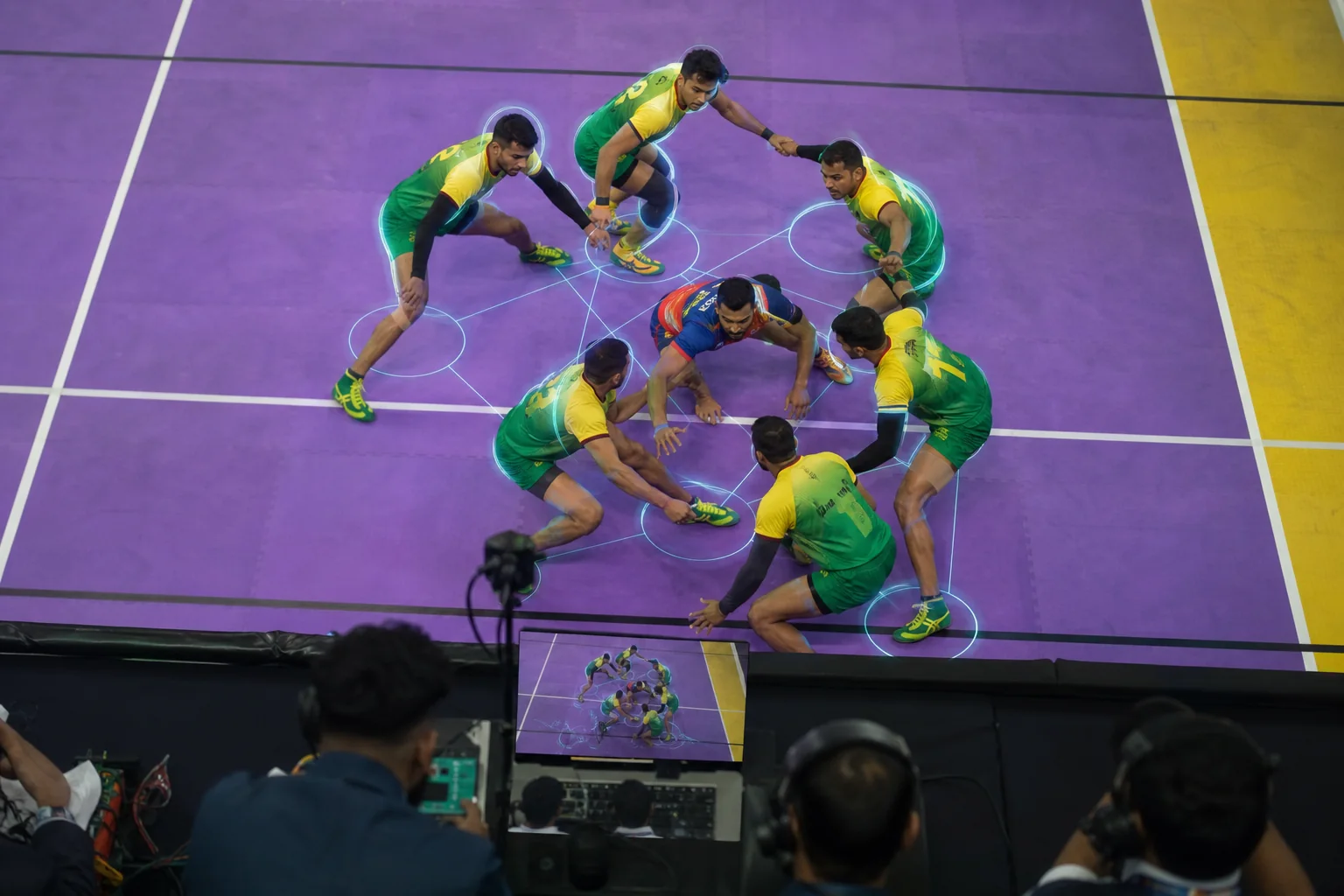
Kabaddi makes optical tracking confront rapid contact, compressed space, and frequent occlusion. The right design focuses on confidence-aware sequences and reviewable phases rather than a brittle promise of continuous certainty.
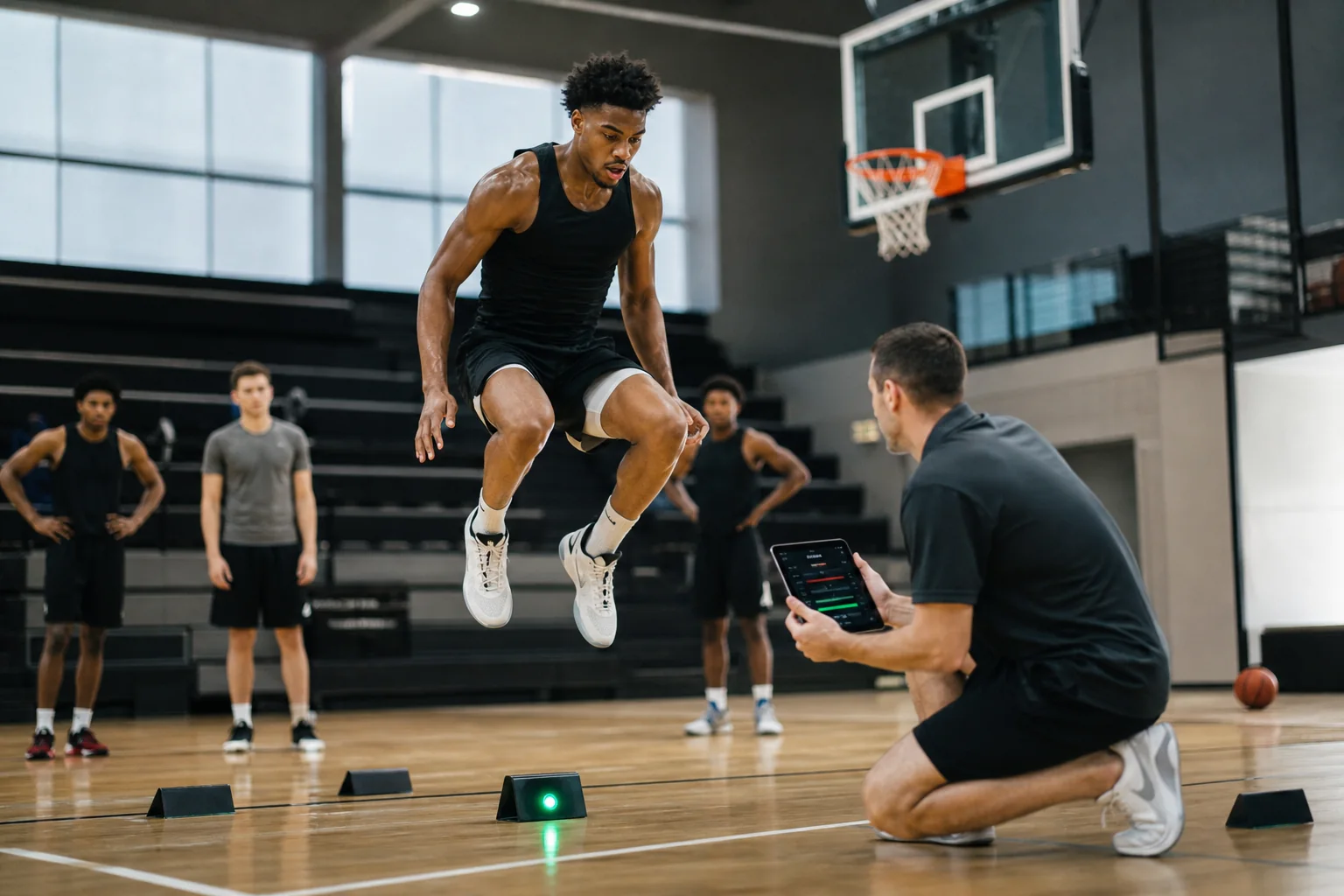
Landing quality is a skill shaped by task design, fatigue, and the next action—not a pose held for a camera. This article shows how to integrate jump and landing exposure into basketball practice without turning it into a disconnected test.
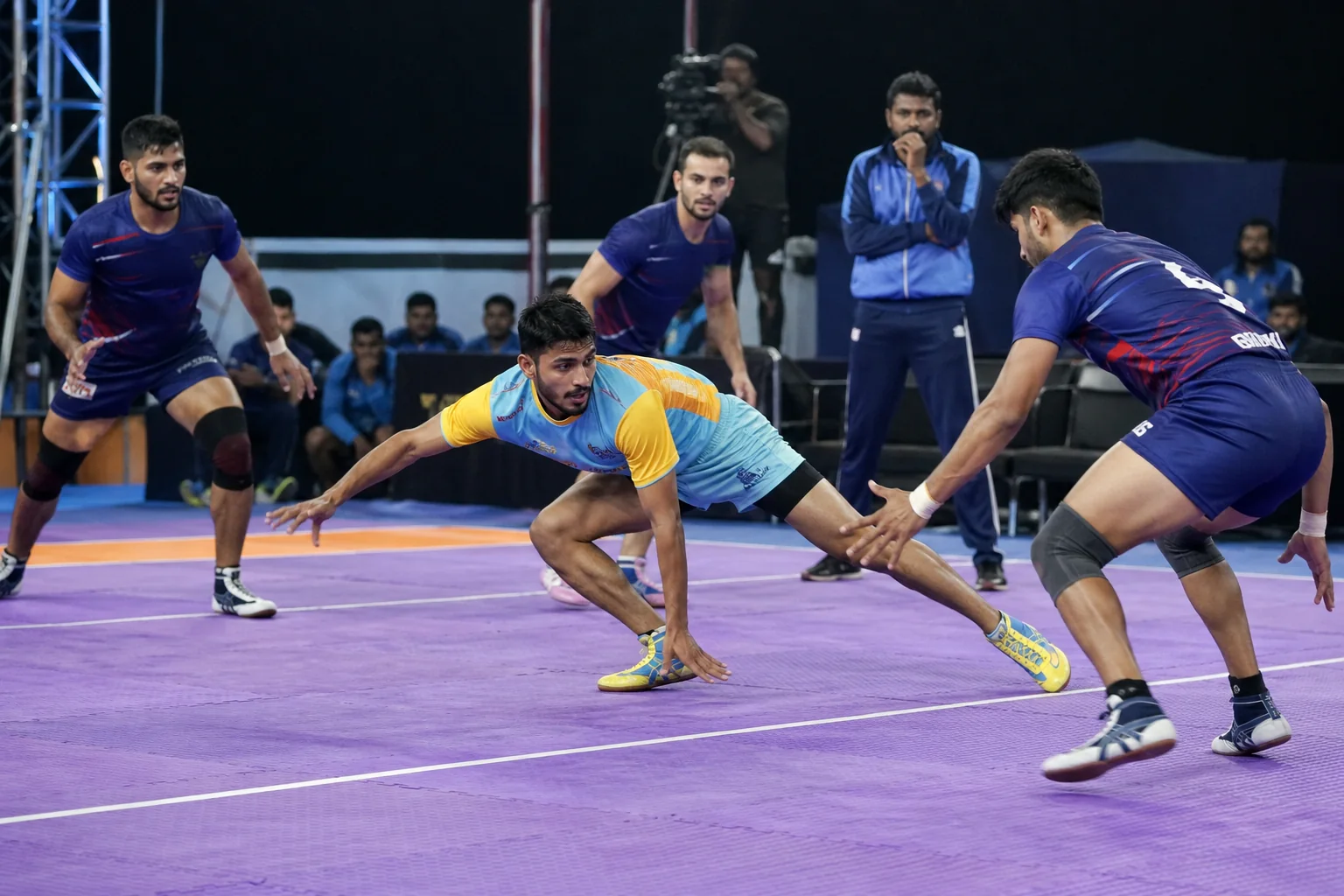
Kabaddi practice can preserve its improvisation while becoming more deliberate about what players see and choose. Use raid and defence cues to design representative tasks, manage contact exposure, and review decisions with precision.