Independent reporting on the systems changing sportAbout the newsroom
Building the sports-tech market

Sports Technology Business

Clear-eyed coverage of product strategy, procurement, pilots, governance, partnerships and durable sports-technology business models.

27 in-depth stories
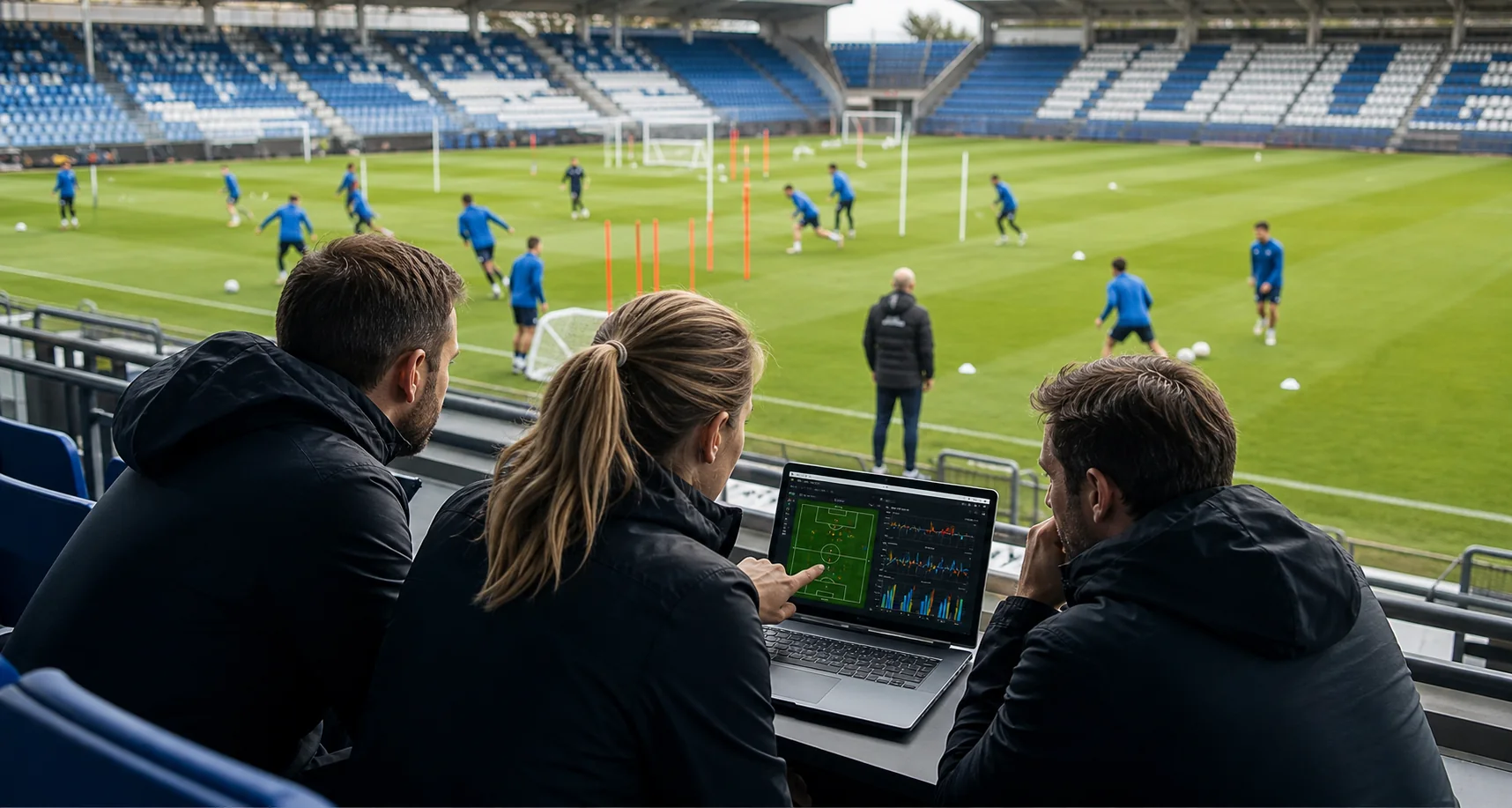
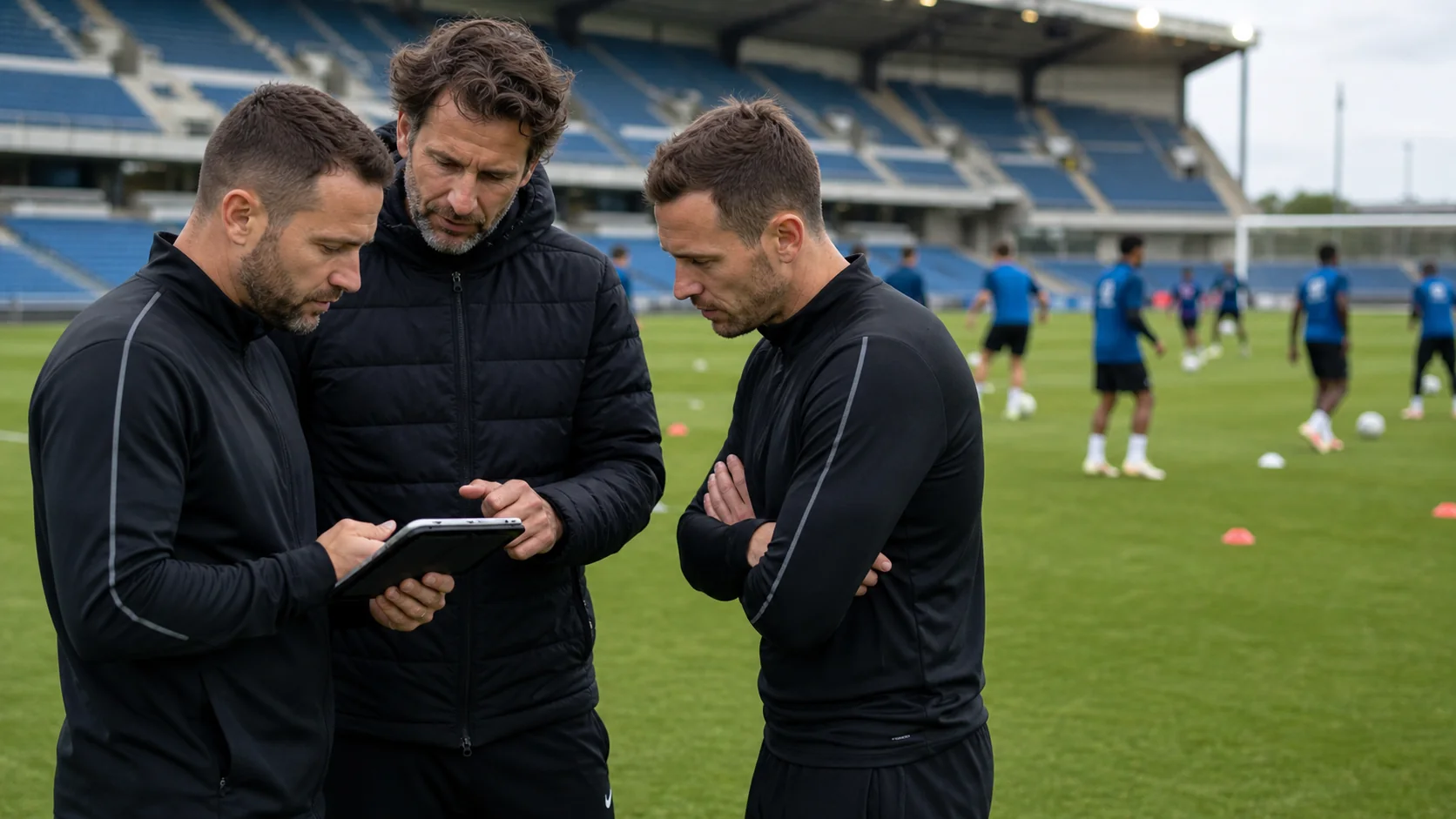
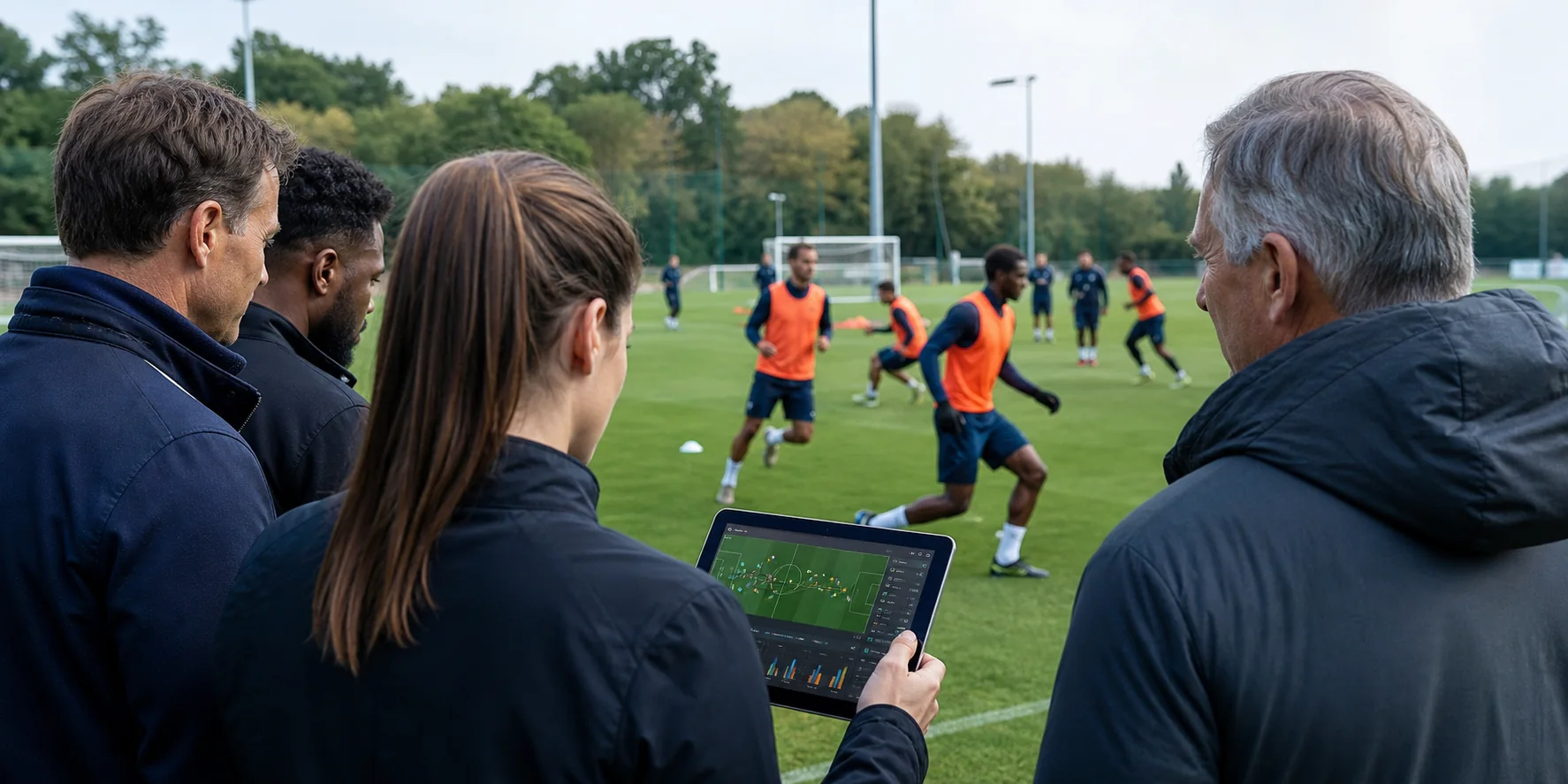
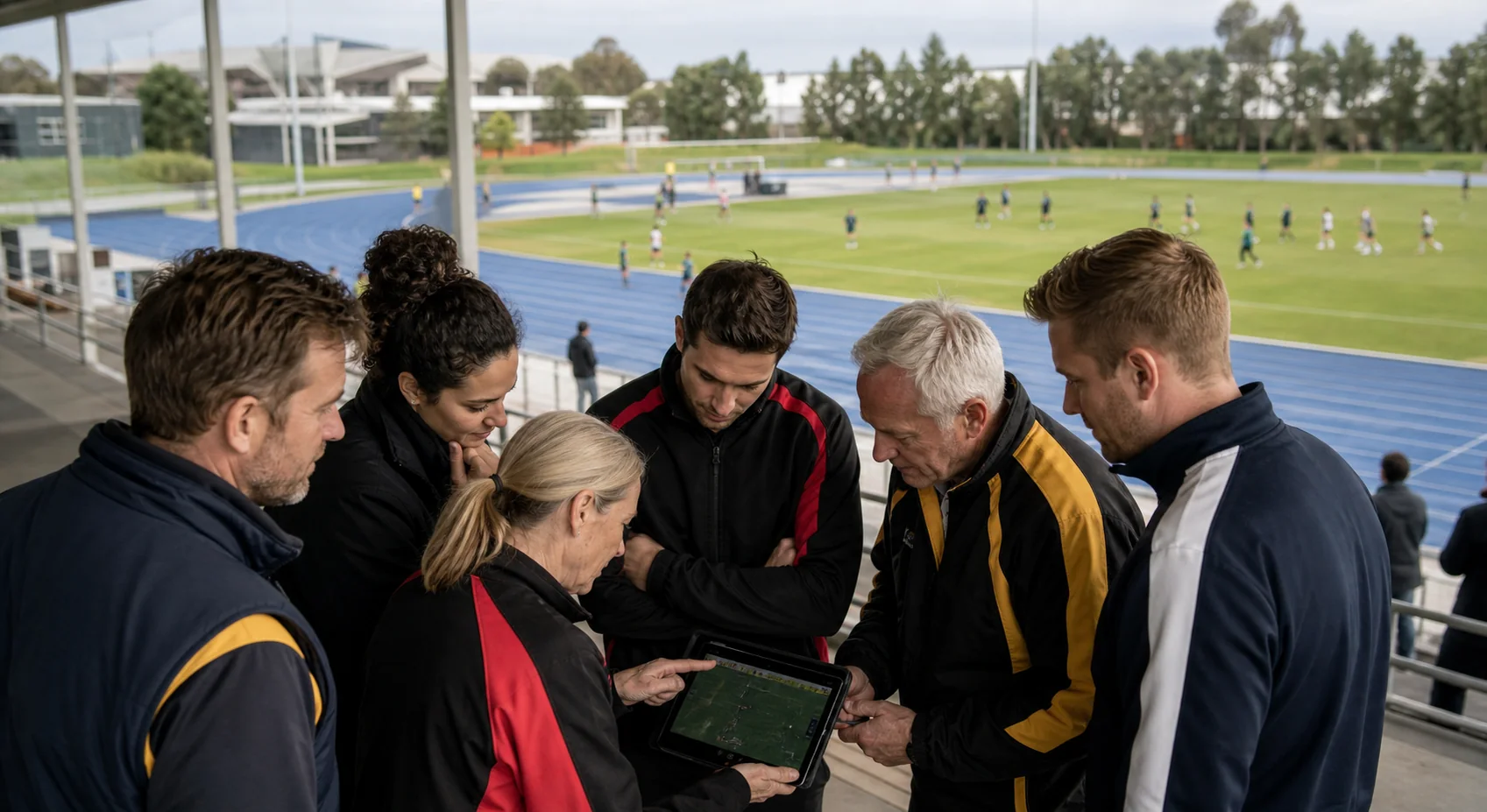
A procurement team reviewing a sports-tech pilot dashboard beside coaches running a clearly visible football training drill on a pitch
Businessfield note

Turning a SportsTech Pilot Into a Procurement Decision

A pilot should resolve a specific buying uncertainty, not become a low-cost demonstration with no route to ownership. This field guide shows how to design the evidence, review gates, and handoff that turn a trial into a defensible decision.

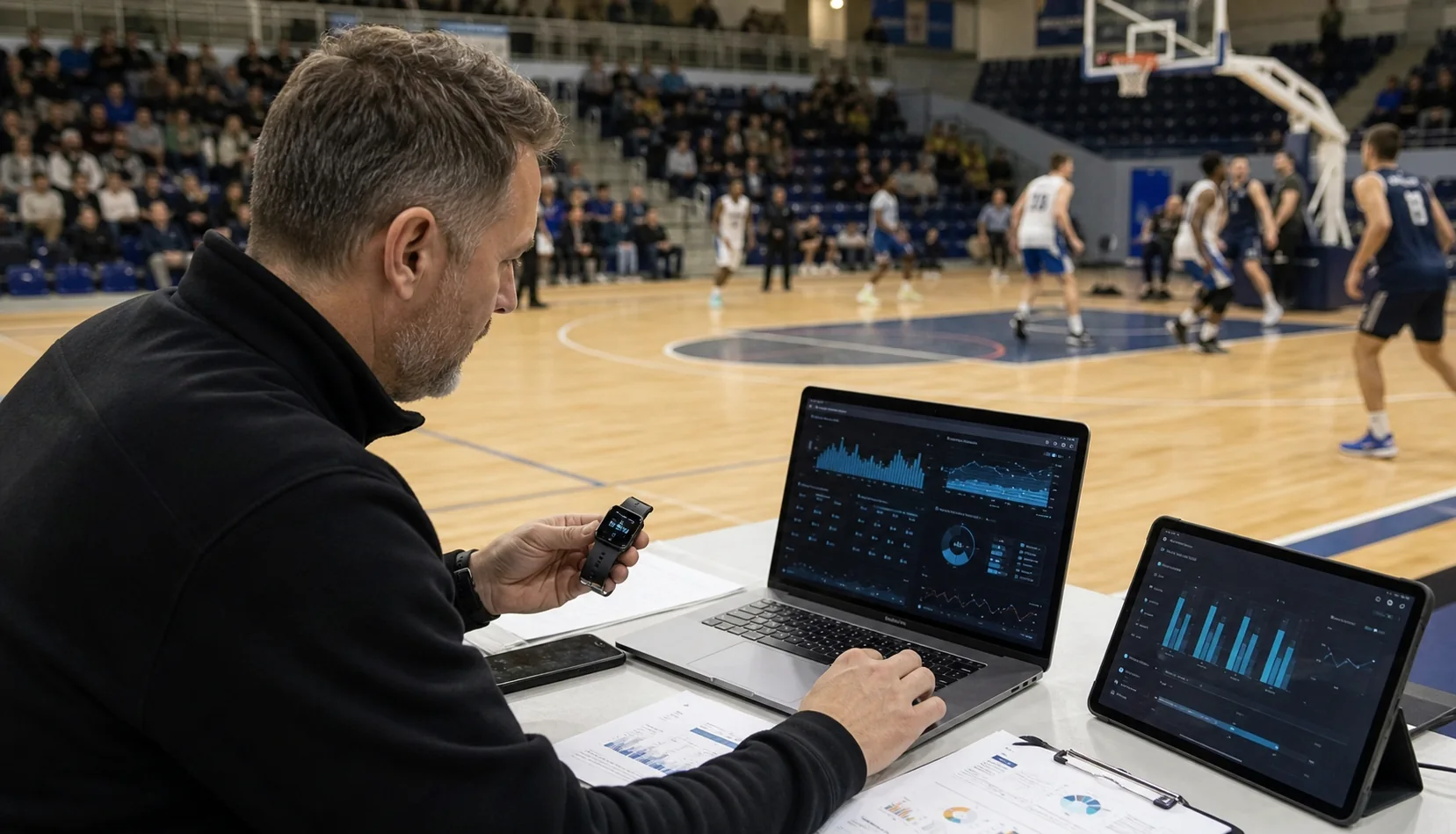
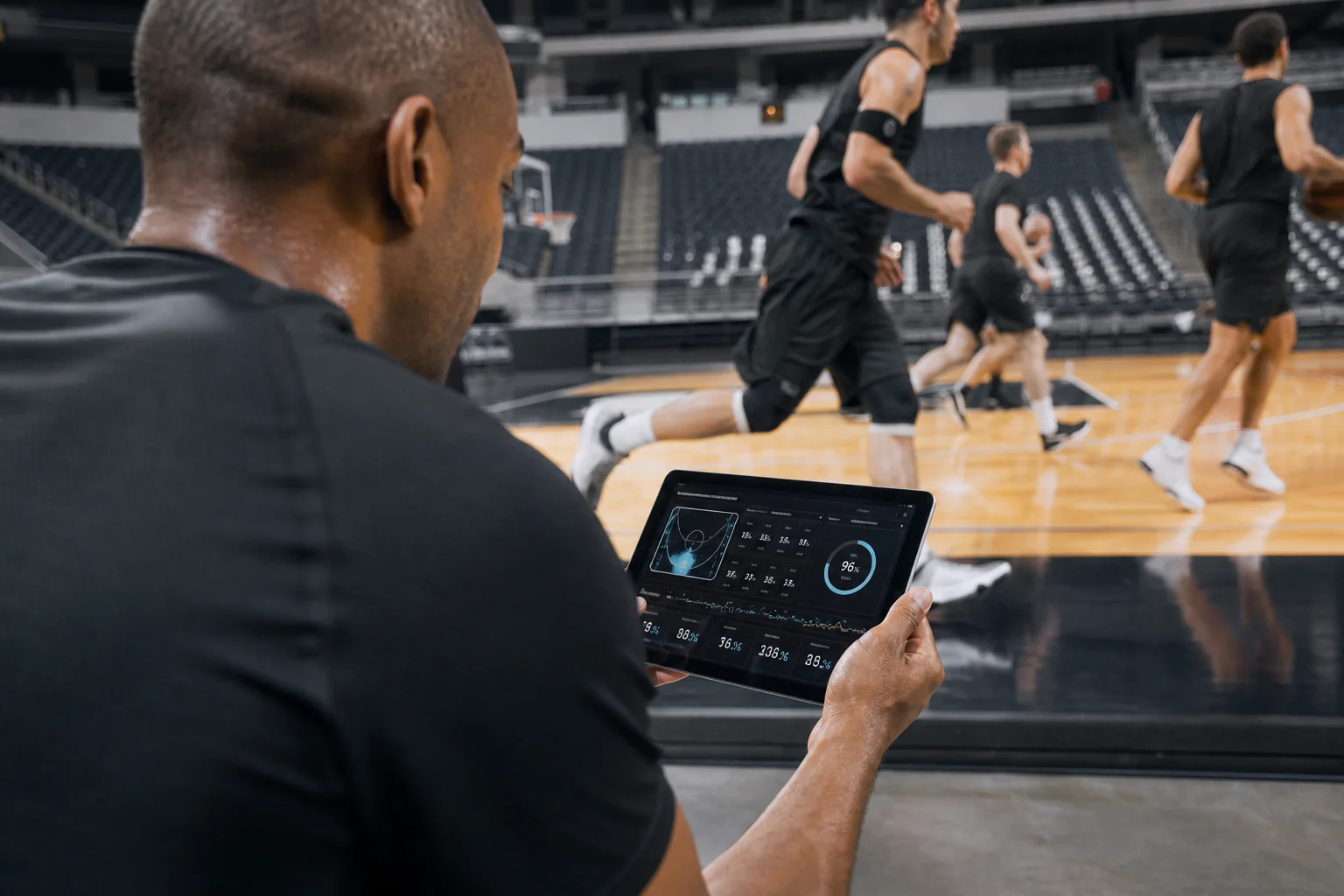
A sports facility manager comparing actual court-booking and wearable-use data beside an active indoor basketball court
Businessdeep dive

Pricing Sports Technology Around Real Usage, Not Optimism

SportsTech pricing becomes durable when it reflects the buyer’s operating rhythm, not the seller’s forecast. This article compares practical pricing architectures and the controls that keep usage, value, and renewal discussions aligned.

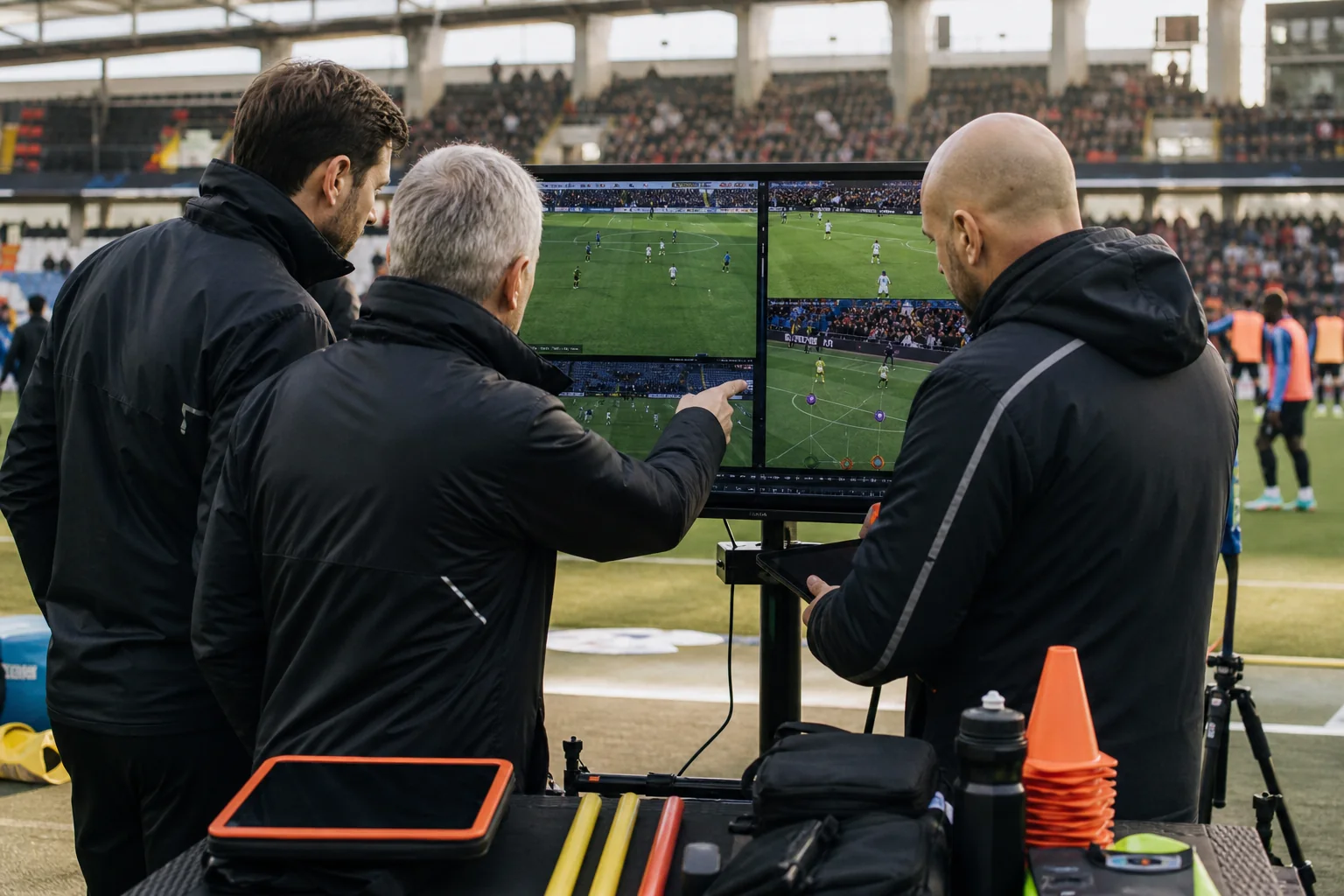
Sports buyers and coaches reviewing evidence boards with athlete-performance footage and clearly visible training equipment
Businessdeep dive

The Startup Evidence Room for Sports Buyers

Early-stage sports technology companies earn trust by making operational evidence easy to inspect. An evidence room replaces sales theatre with clear answers about readiness, constraints, and accountability.

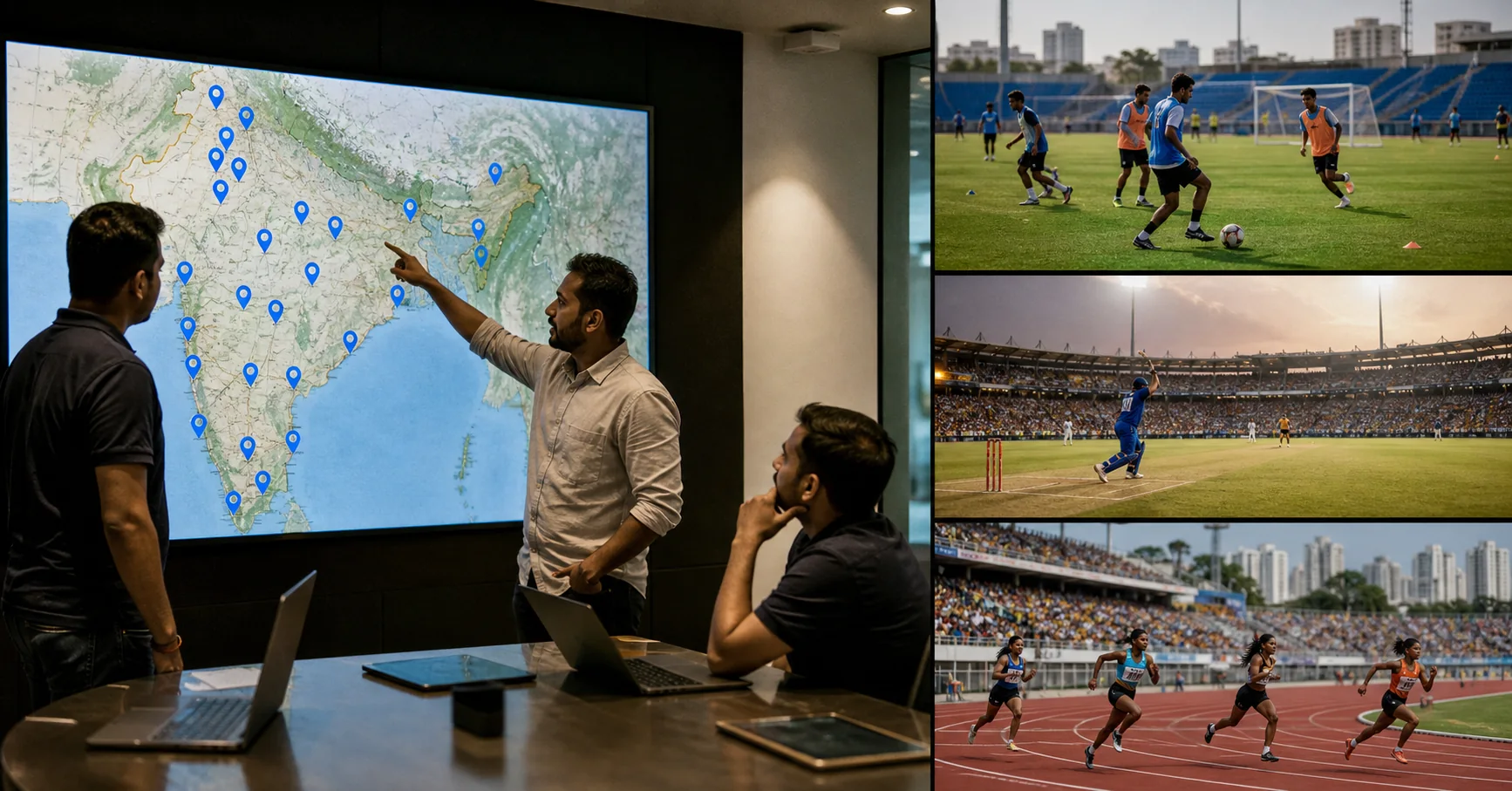
A map-based rollout meeting showing Indian cities alongside separate, unmistakable football, cricket, and athletics venues in use
Businessdeep dive

Designing Multi-City SportsTech Rollouts in India

A multi-city rollout in India must accommodate different facility conditions, local operating teams, and practical support routes. The right design standardises essential controls while leaving room for local execution.

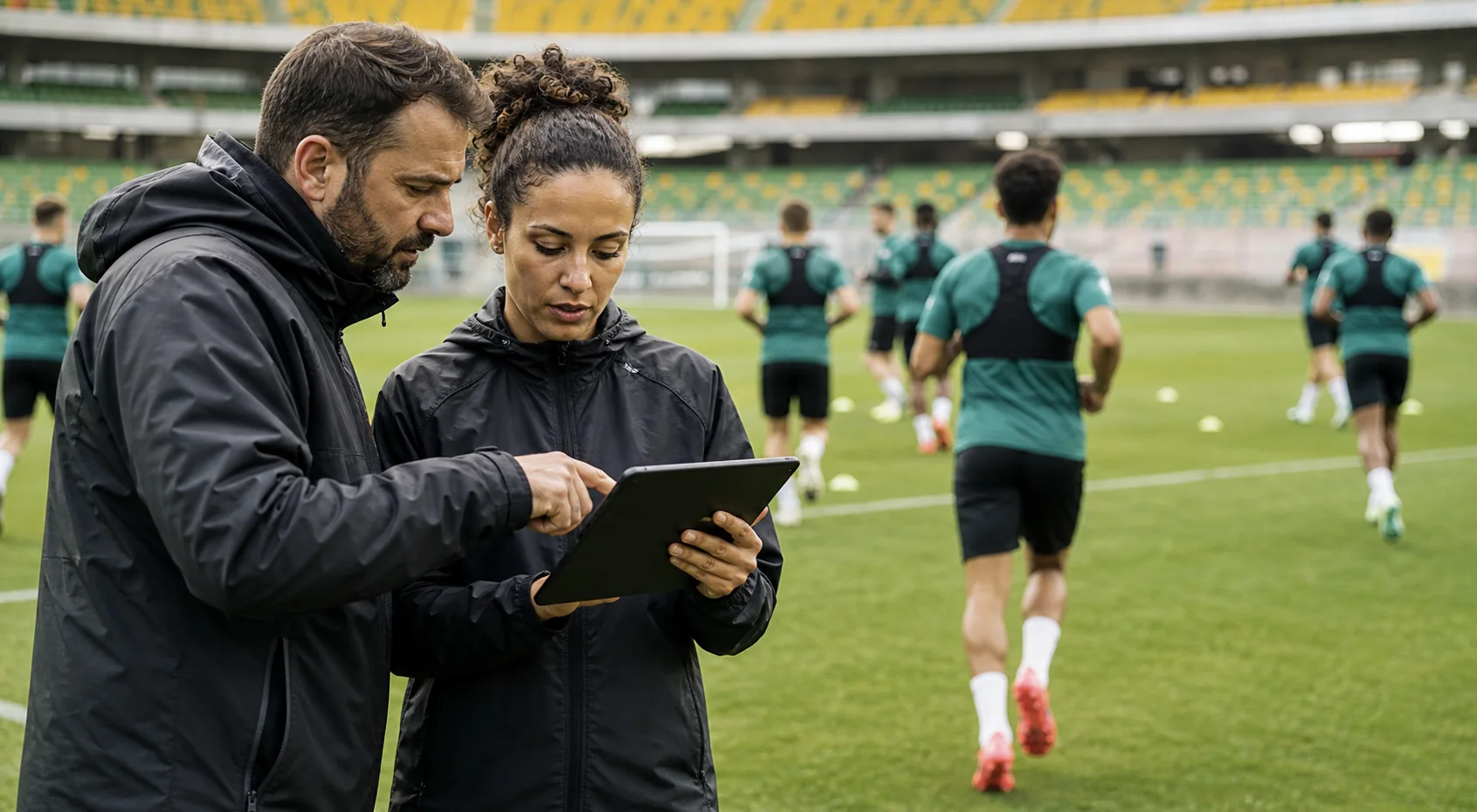
A coach and data officer managing consent on a tablet while athletes train with visible GPS vests on a football pitch
Businessdeep dive

A Governance Map for Sharing Sports Data

Data-sharing decisions should begin with roles, purpose, and access pathways rather than a generic consent form. A governance map helps clubs, venues, partners, and startups make data use visible and reviewable.

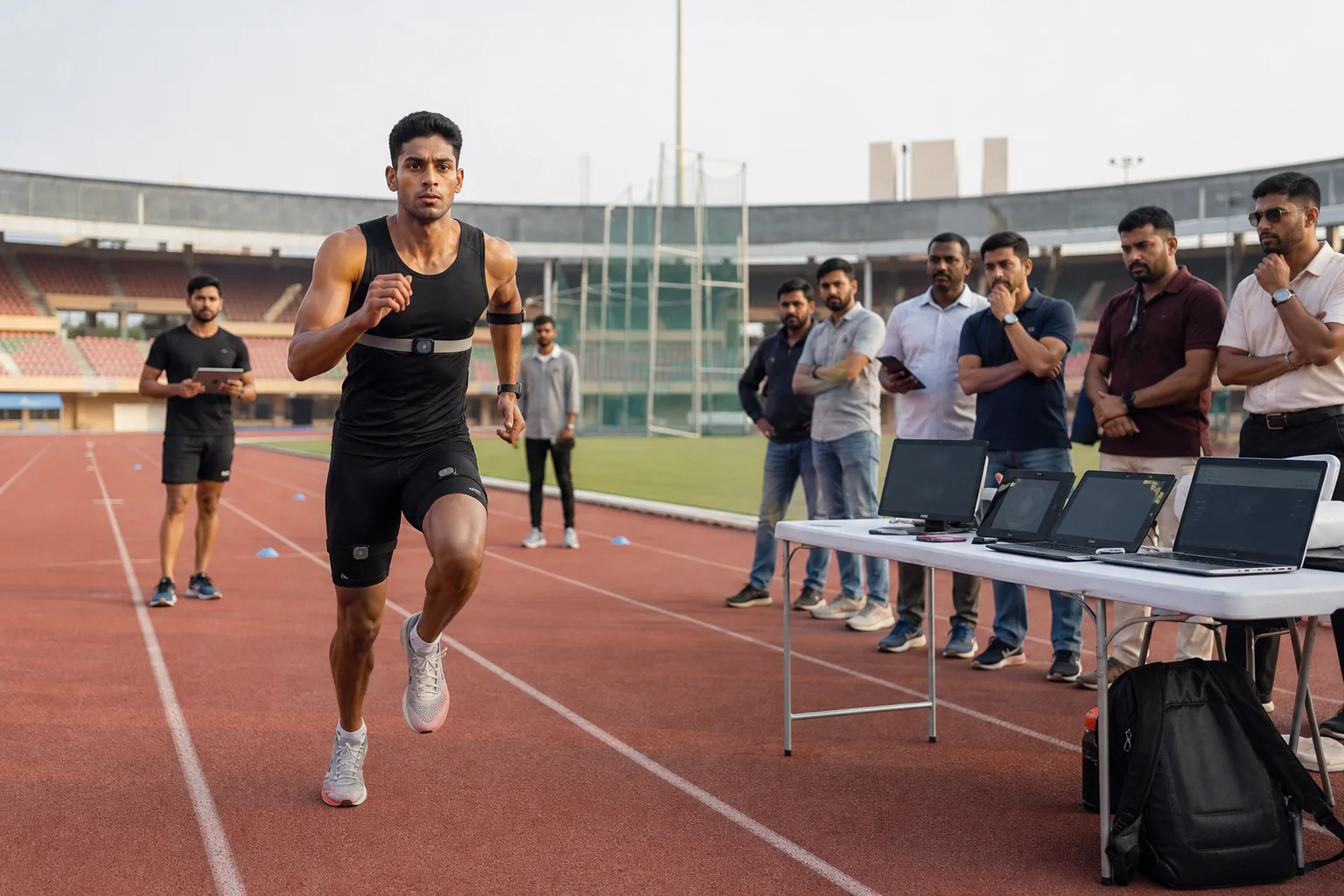
An Indian sportstech demo day where athletes test a performance device on a track while club buyers observe
Businessfield note

Innovation Hubs in India: From Demo Days to Demand Signals

Sports innovation hubs in India can create durable value when they convert local operating problems into clear demand signals for startups. The work is less about spectacle and more about repeatable problem discovery, testing, and buyer readiness.

A club administrator and technology vendor reviewing a contract beside a team training session on a marked playing field
Businessdeep dive

Exit Clauses That Make SportsTech Contracts Healthier

A well-designed exit plan makes a sports technology agreement easier to enter because both parties know how continuity will be protected if circumstances change. The strongest clauses are operational instructions, not legal decorations.

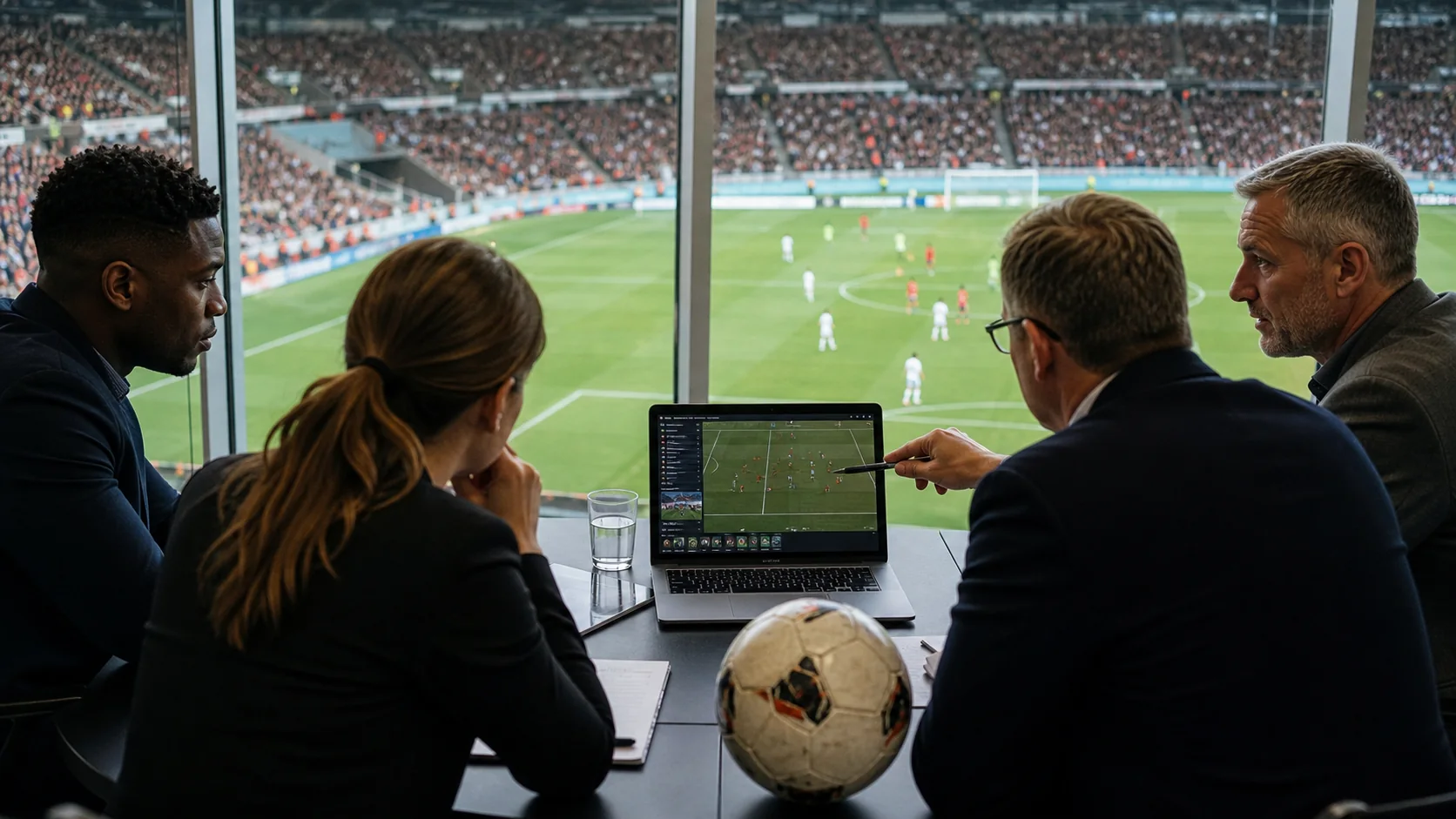
A club operations lead checking post-purchase results on a sports analytics screen while athletes use the purchased equipment in training
Businessfield note

Owning Benefits After a SportsTech Purchase

A contract award does not create value; changed work does. Benefits ownership gives a sports organisation the roles, milestones, and evidence needed to realise value after purchase.

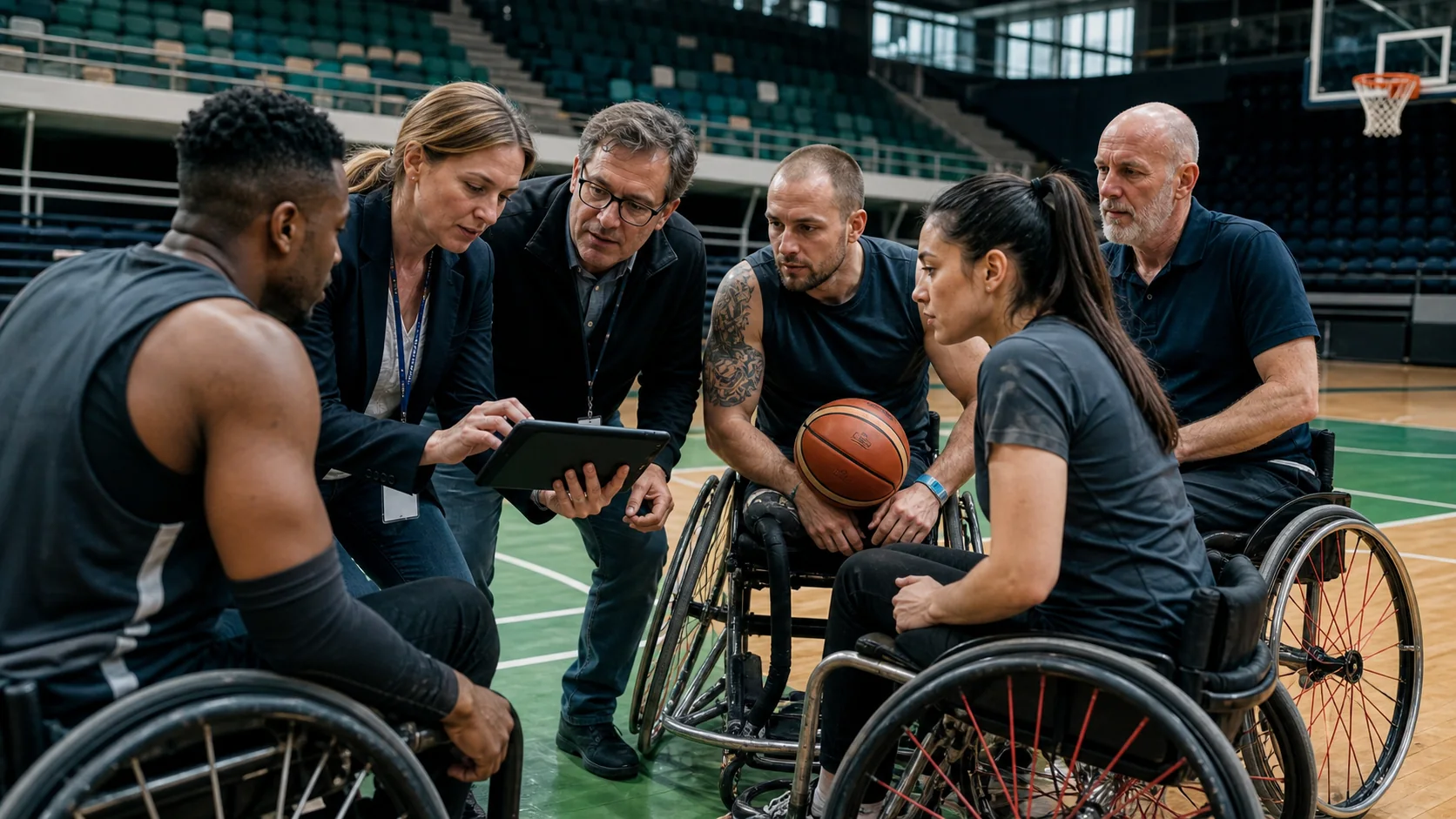
Wheelchair basketball athletes and a procurement team evaluating adaptive sports technology on a clearly marked court
Businessdeep dive

Inclusive Procurement for Para Sport and Adaptive Use

Inclusive SportsTech procurement treats accessibility as a core operating requirement, not a late-stage feature check. A practical process involves users early and tests technology in the conditions where participation actually happens.

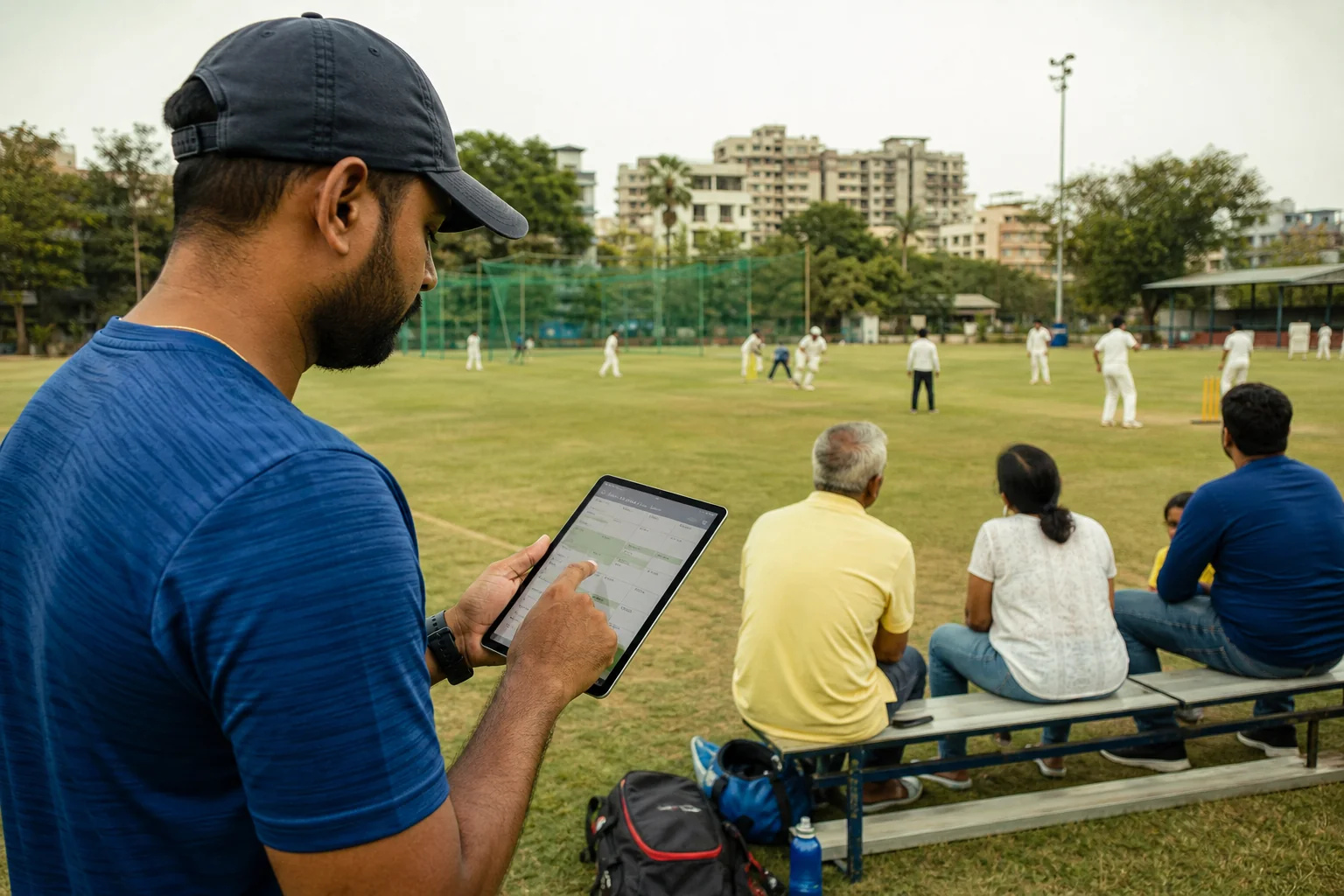
A community organiser using a local sports-booking platform while families and players participate in an Indian community football or cricket session
Businessfield note

Community Sport Platforms in India That Earn Trust

Community sport platforms in India need an operating model that works for organisers, families, and occasional volunteers before they chase growth. Trust is built through clear roles, low-burden workflows, and transparent handling of money and information.

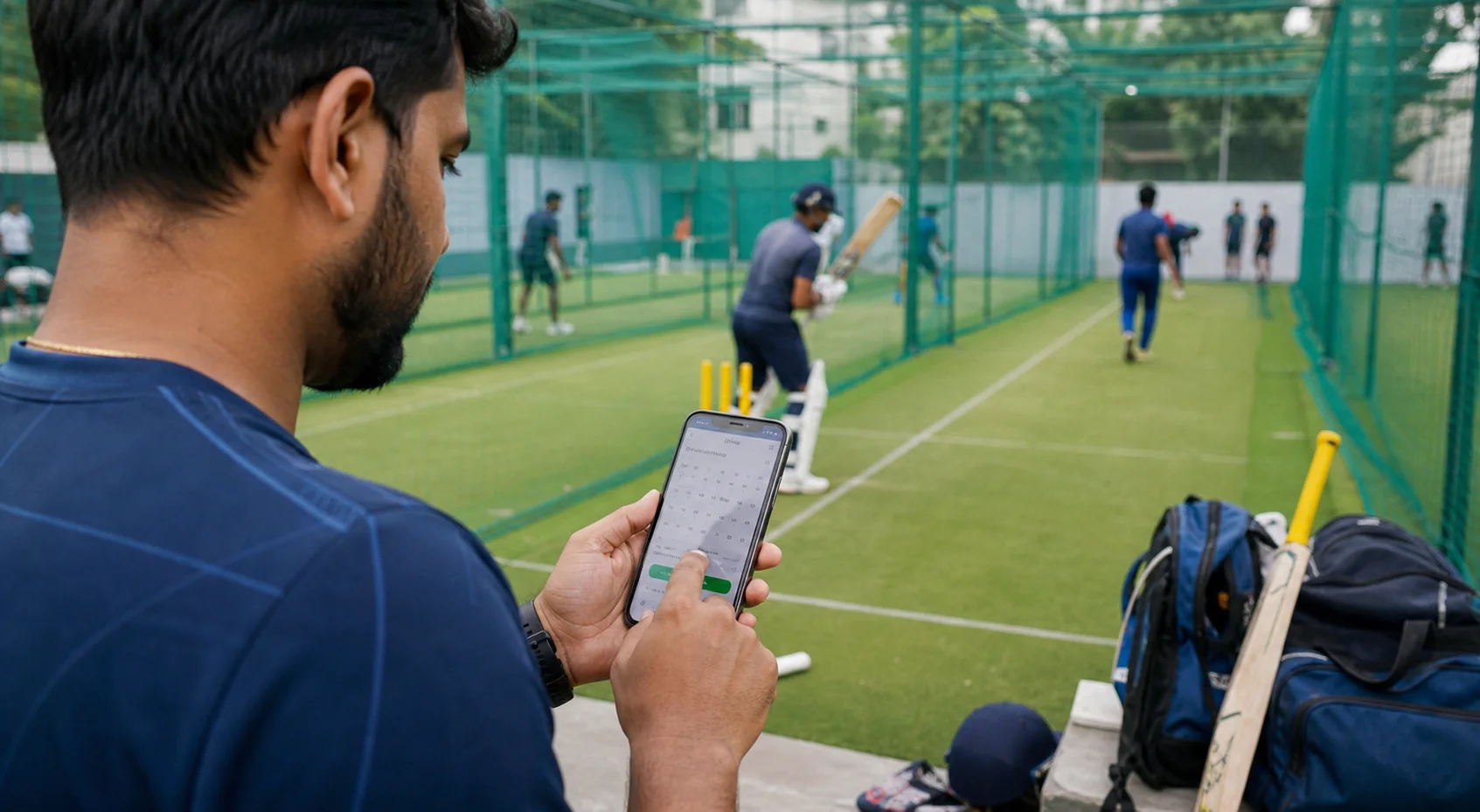
Connected sports wearables or sensor-equipped balls being used by athletes during an identifiable training drill, with usage metrics visible
Businessdeep dive

Unit Economics for Connected Sports Hardware

Connected sports hardware needs a business model that includes installation, replacement, maintenance, and support—not just the cost of the device. Clear unit economics help founders and buyers see what a durable service can support.

A public sports facility in India with an active pitch or court, players training, and a digital booking/access platform in use
Businessdeep dive

Public-Private Sport Facility Platforms in India

Digital systems for public-private sport facilities in India must reconcile community access, operational accountability, and commercial service. A staged governance model can keep these aims visible as the platform grows.

An identifiable athlete recording performance through a wearable during track training while reviewing data-rights terms with a representative
Businessdeep dive

Commercial Rules for Athlete-Created Performance Data

Athlete-created data can support training and product improvement, but commercial use requires clear boundaries and accountable review. Agreements should make purpose, access, compensation, and withdrawal pathways understandable before collection begins.

Several community sports clubs jointly selecting technology beside visible football, cricket, or basketball activity at a shared facility
Businessfield note

Shared Procurement for Community Sport Technology

Community sport organisations can pool procurement effort without forcing every club into the same technology or contract. A shared model works when common requirements, local choices, and accountability are designed separately.

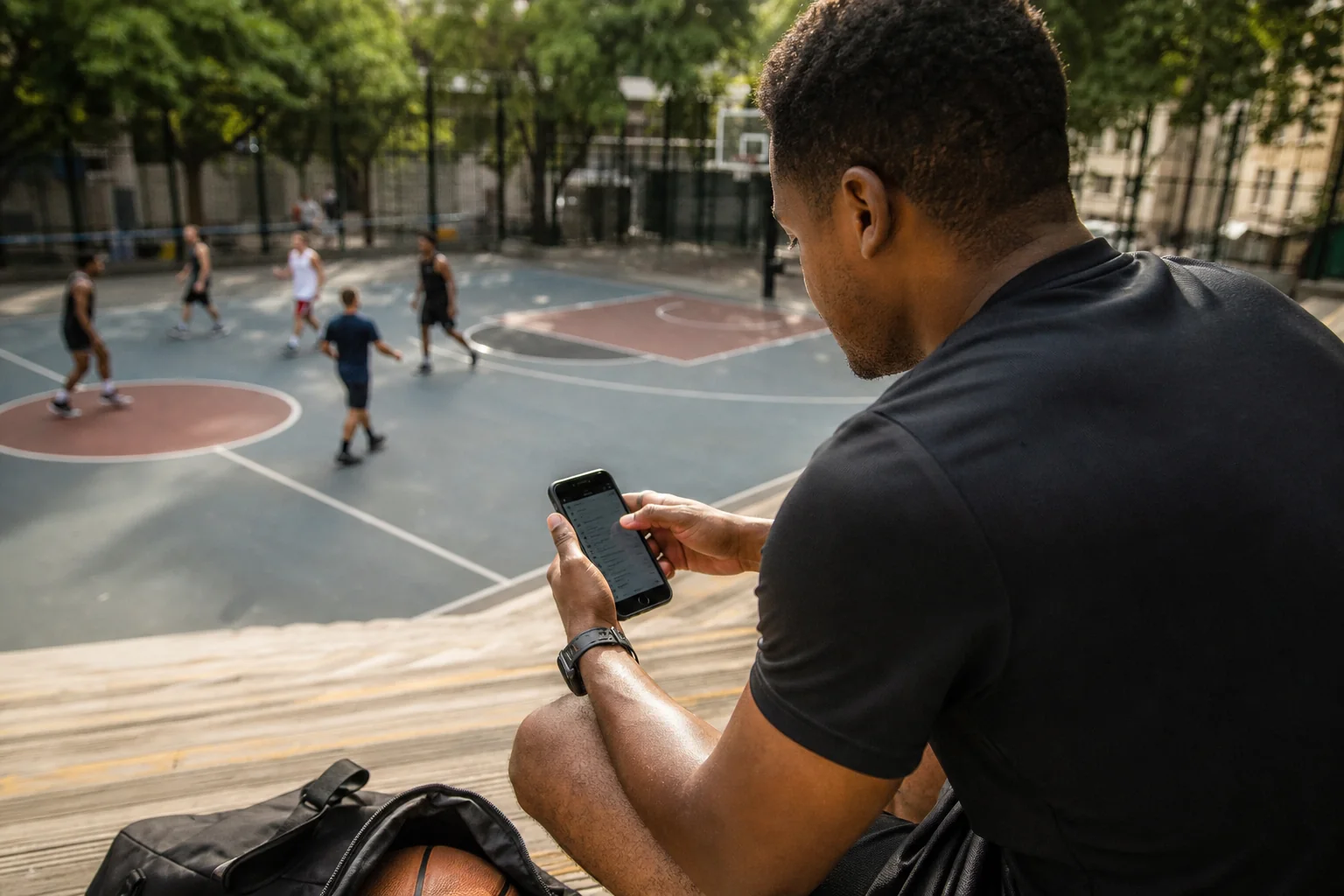
A participation-sports app supporting recurring bookings while players actively use a clearly visible court, pitch, or track
Businessdeep dive

Durable Revenue Models for Participation Technology

Participation technology succeeds commercially when its revenue model matches who receives value, who bears operating work, and how activity changes through a season. This guide helps founders and buyers test whether a model can support service over time.