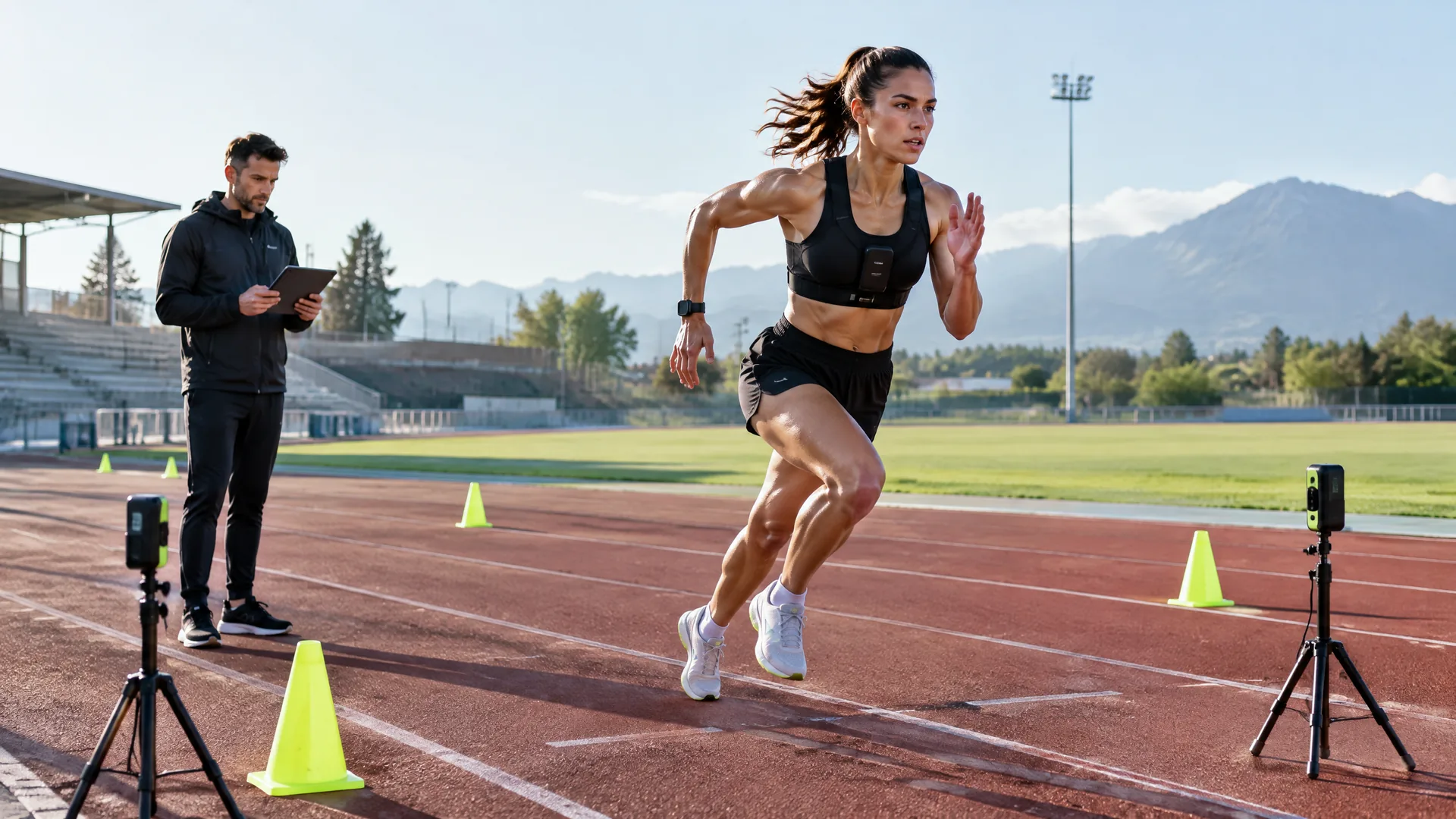
Wearablesdeep dive
Wearable Technology in Sports: Measures, Decisions and Limits
A practical framework for interpreting sports wearables, connecting measurements to decisions, and protecting athletes from misplaced certainty.
Practical analysis of sensors, validation, data rights and the coaching workflows that turn measurements into responsible decisions.
22 in-depth storiesA practical framework for interpreting sports wearables, connecting measurements to decisions, and protecting athletes from misplaced certainty.
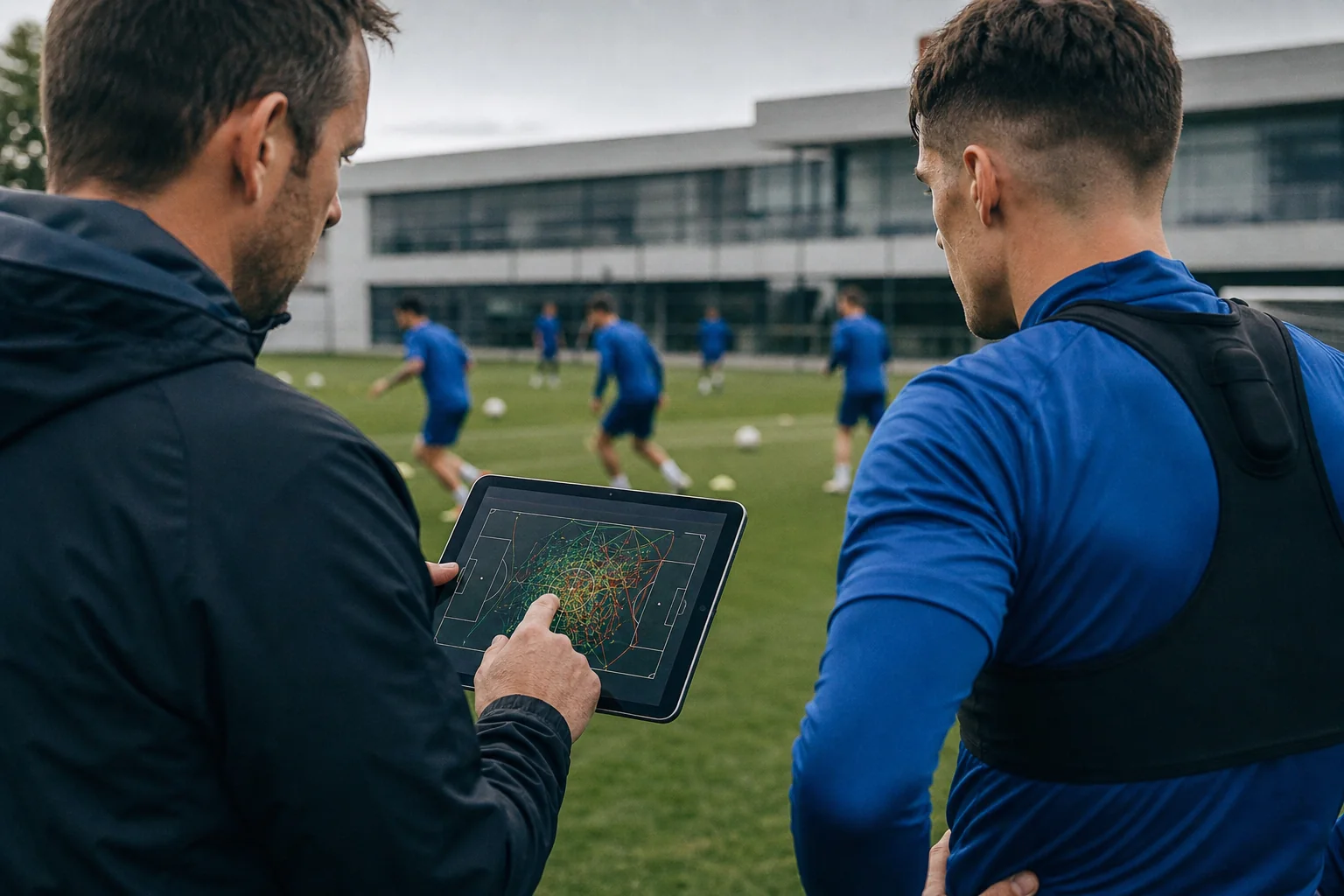
Turning GPS Tracks Into Training Decisions explains how teams can turn wearable measurements into a defined operational decision while keeping collection honest and workable. It sets out practical checks for data quality, athlete communication, and context before any signal informs coaching or programme management.

What coaches can—and cannot—learn from the growing stream of biometric and movement data.
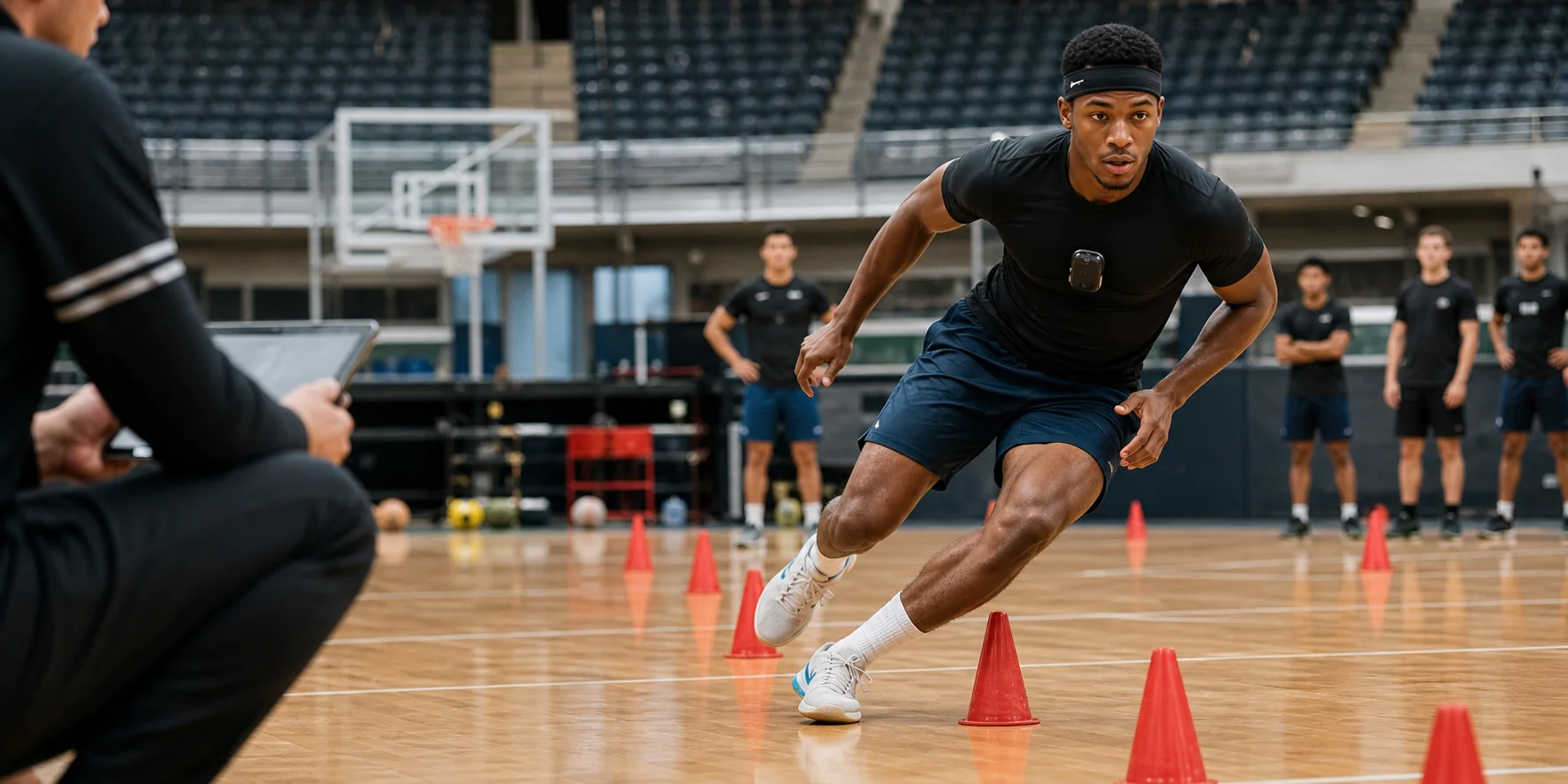
Indoor Inertial Sensors Without False Precision explains how teams can turn wearable measurements into a defined operational decision while keeping collection honest and workable. It sets out practical checks for data quality, athlete communication, and context before any signal informs coaching or programme management.
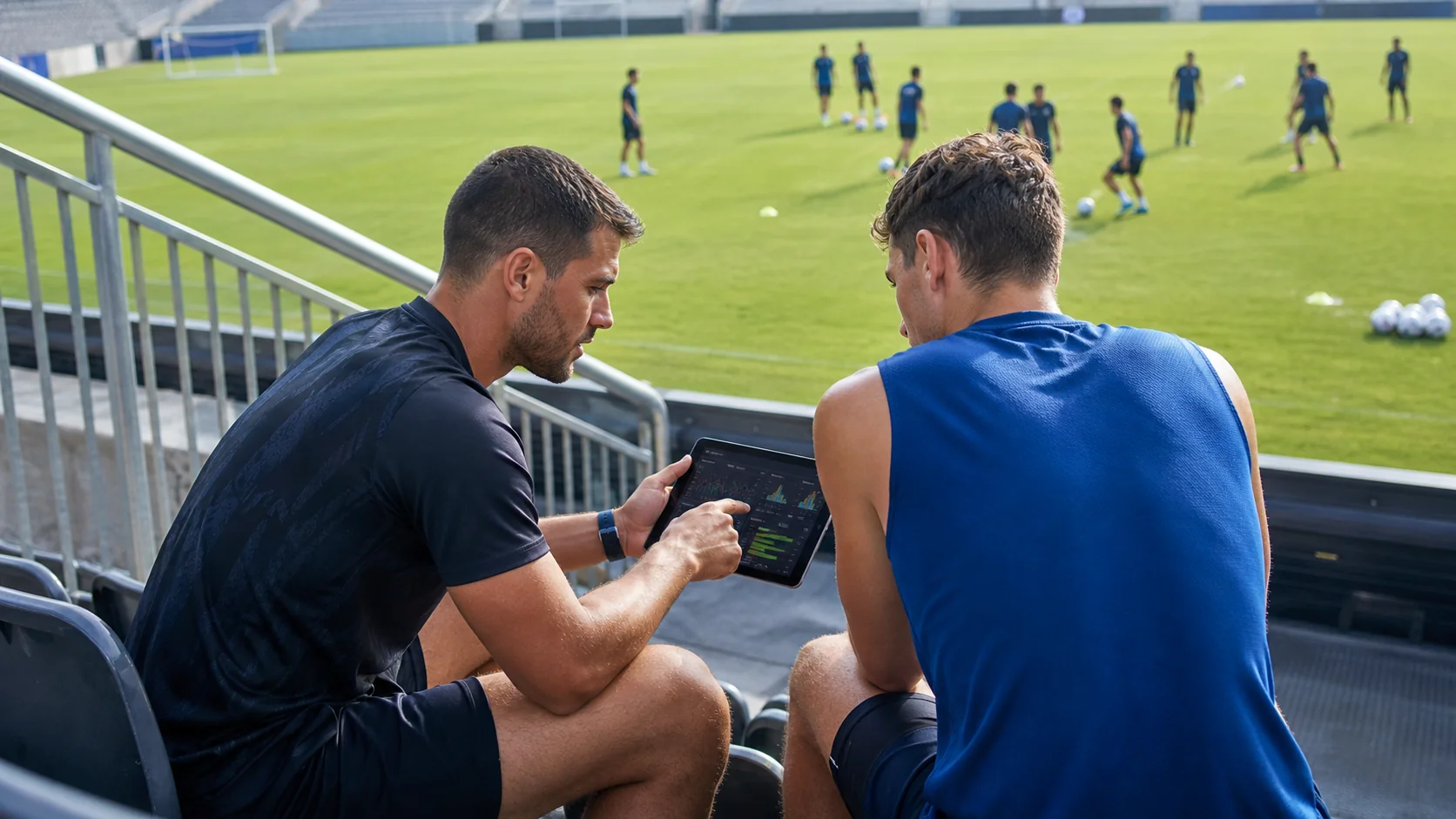
Recovery Monitoring That Does Not Become Surveillance explains how teams can turn wearable measurements into a defined operational decision while keeping collection honest and workable. It sets out practical checks for data quality, athlete communication, and context before any signal informs coaching or programme management.

Sleep Wearables on Tour: A Practical Protocol explains how teams can turn wearable measurements into a defined operational decision while keeping collection honest and workable. It sets out practical checks for data quality, athlete communication, and context before any signal informs coaching or programme management.
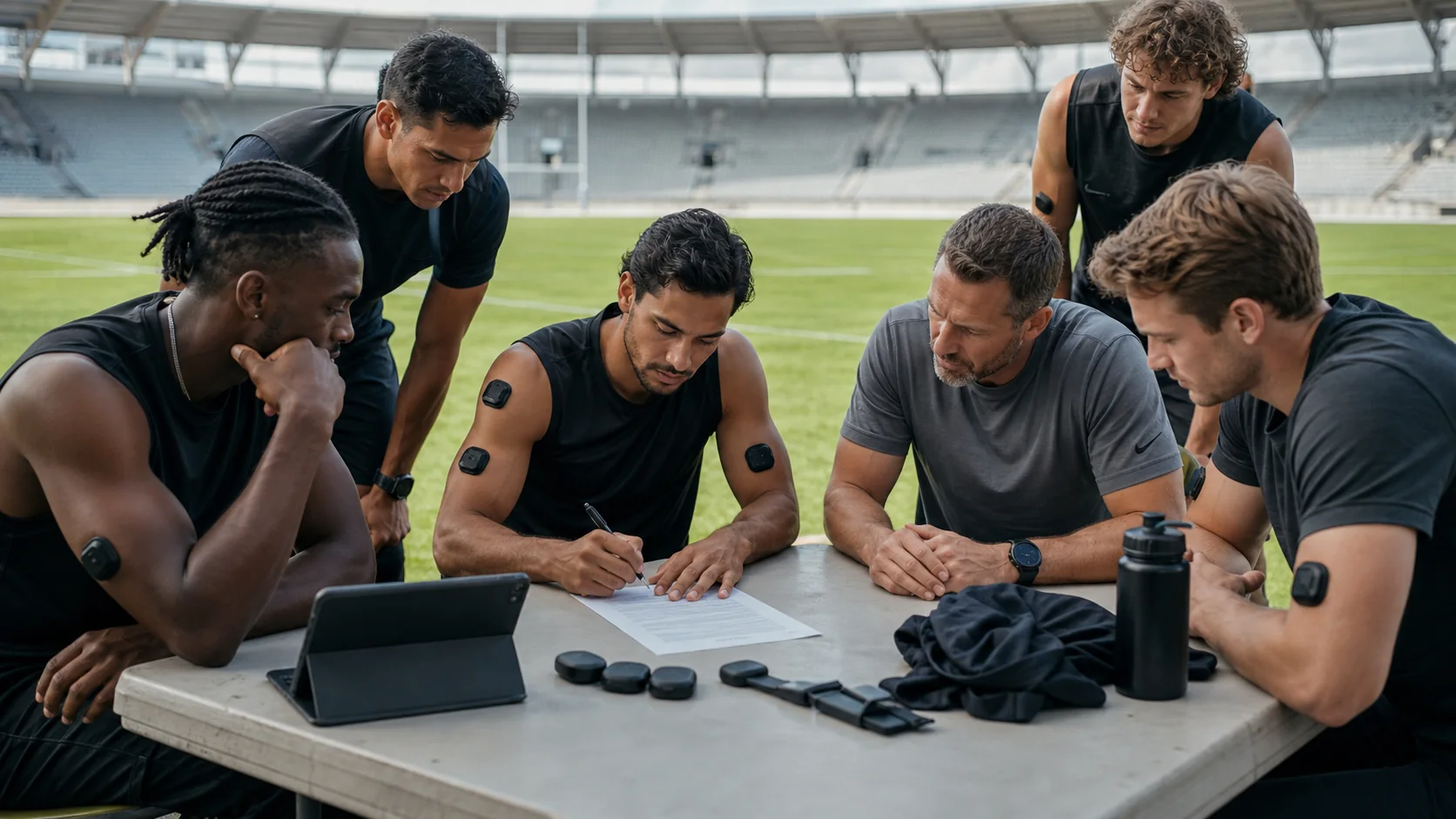
Building an Athlete Data Rights Charter explains how teams can turn wearable measurements into a defined operational decision while keeping collection honest and workable. It sets out practical checks for data quality, athlete communication, and context before any signal informs coaching or programme management.
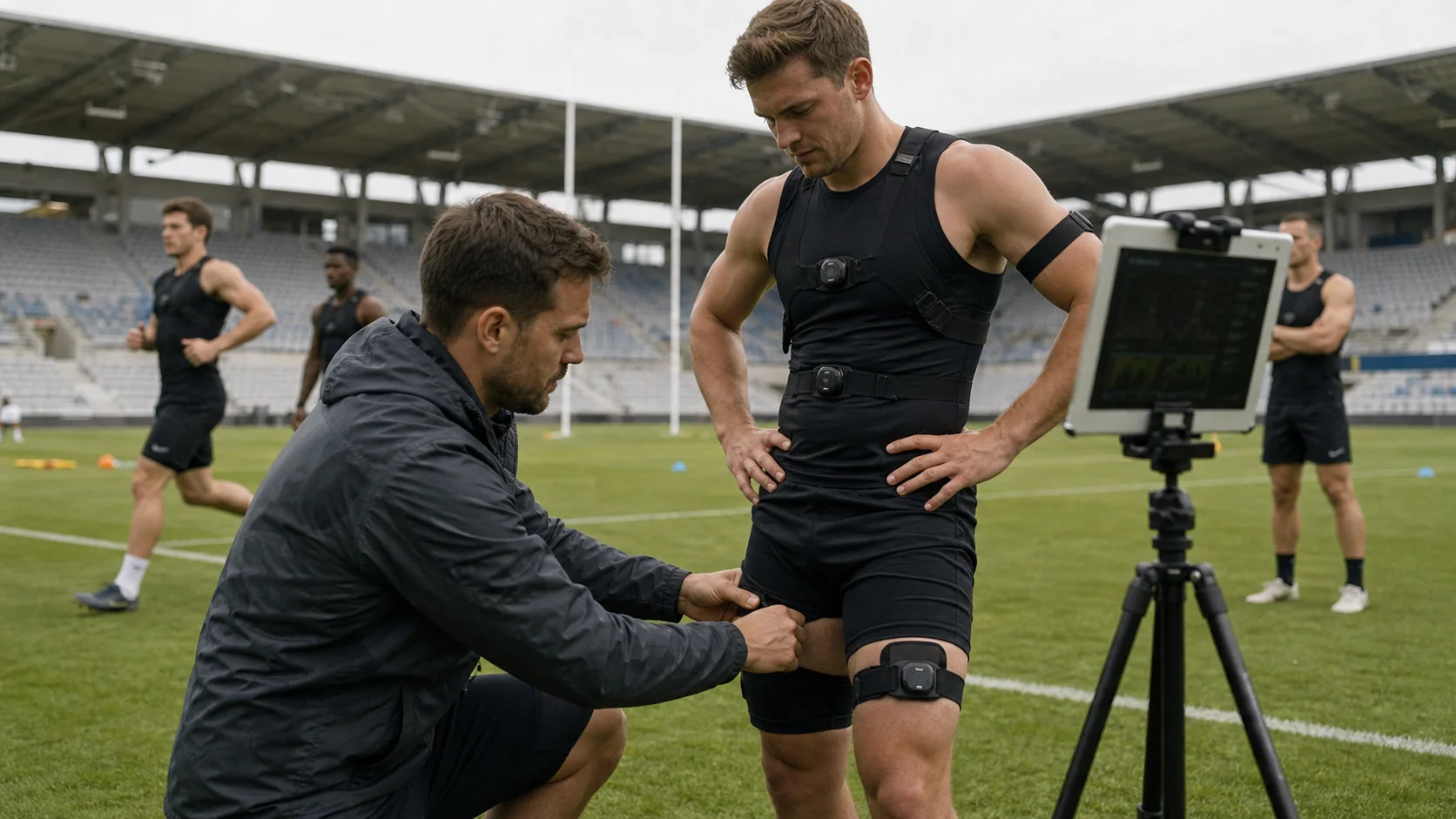
Validating a Wearable Before It Shapes Selection explains how teams can turn wearable measurements into a defined operational decision while keeping collection honest and workable. It sets out practical checks for data quality, athlete communication, and context before any signal informs coaching or programme management.
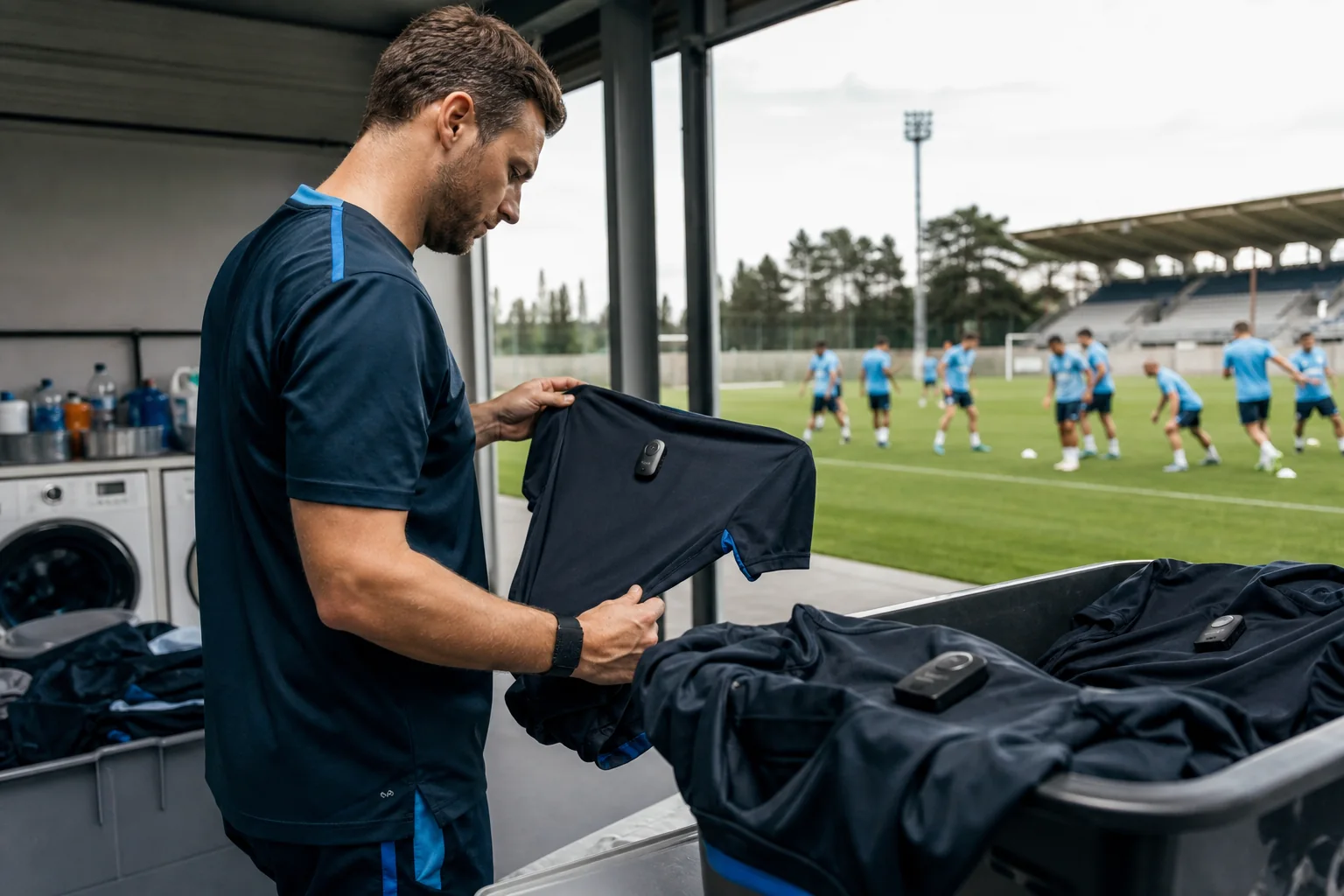
Textile Sensors: From Laundry Room to Session Log explains how teams can turn wearable measurements into a defined operational decision while keeping collection honest and workable. It sets out practical checks for data quality, athlete communication, and context before any signal informs coaching or programme management.
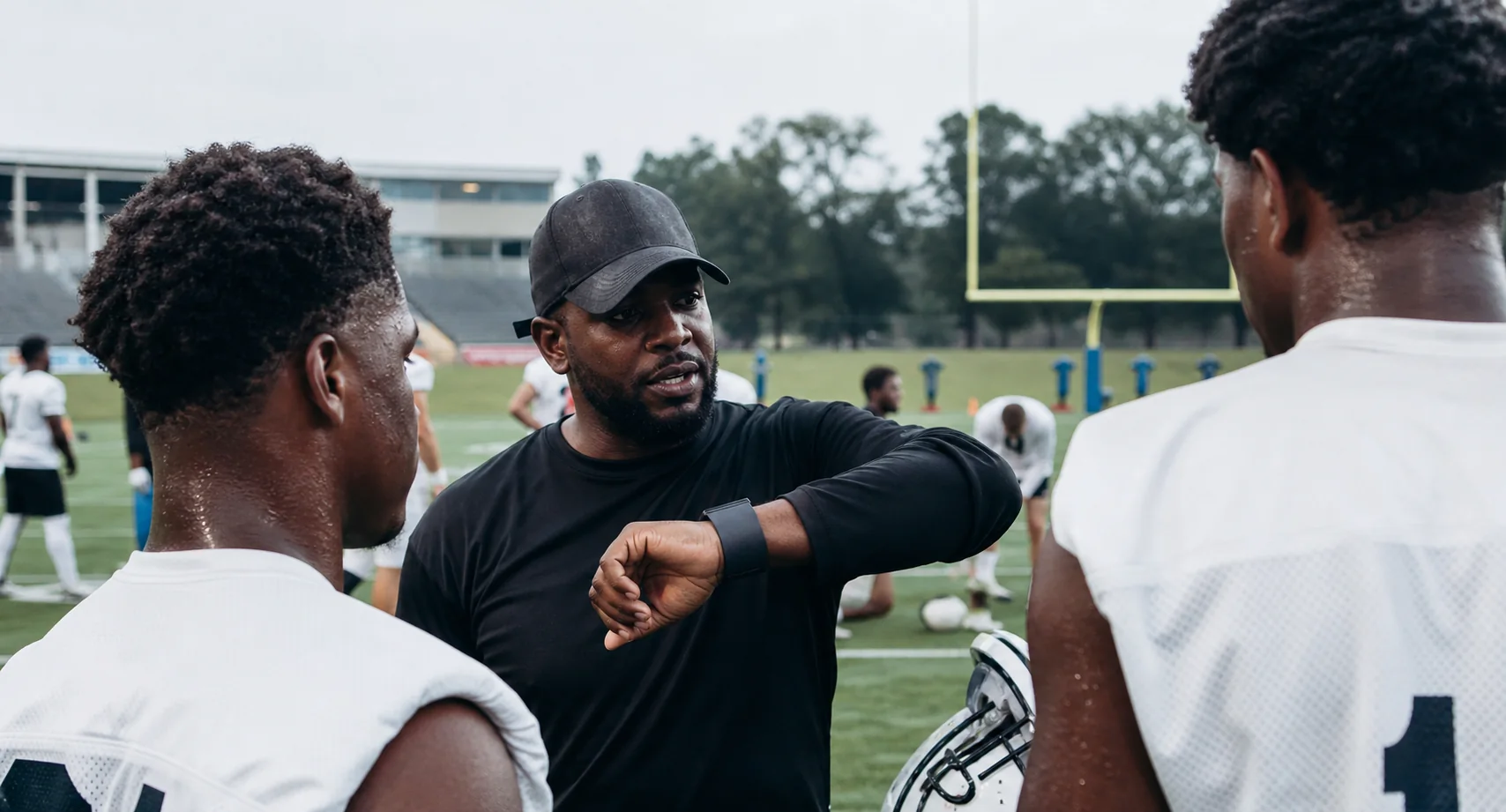
Coaching With Wearable Cues, Not Dashboard Overload explains how teams can turn wearable measurements into a defined operational decision while keeping collection honest and workable. It sets out practical checks for data quality, athlete communication, and context before any signal informs coaching or programme management.
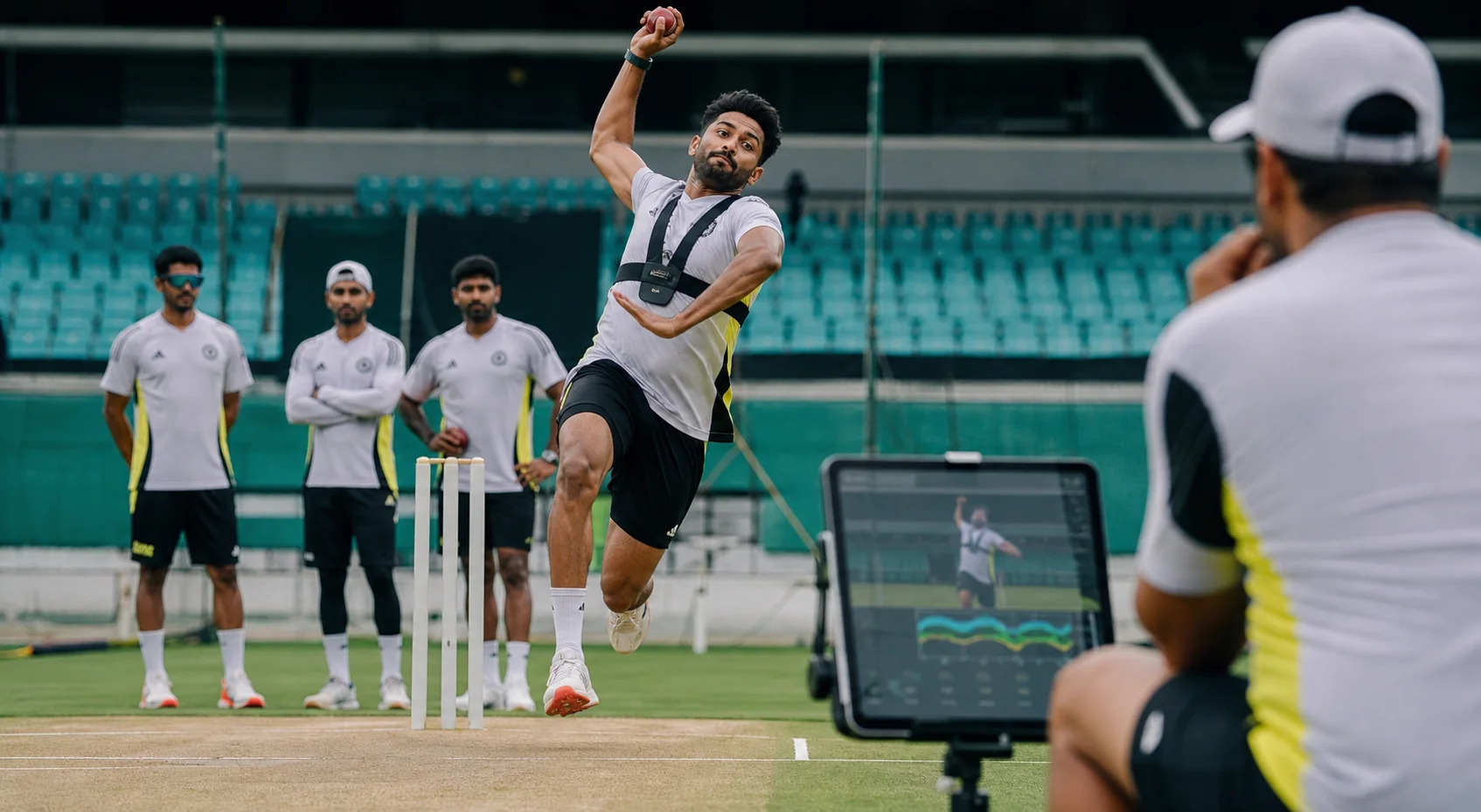
Wearables for Cricket Bowling Loads With Context explains how teams can turn wearable measurements into a defined operational decision while keeping collection honest and workable. It sets out practical checks for data quality, athlete communication, and context before any signal informs coaching or programme management.
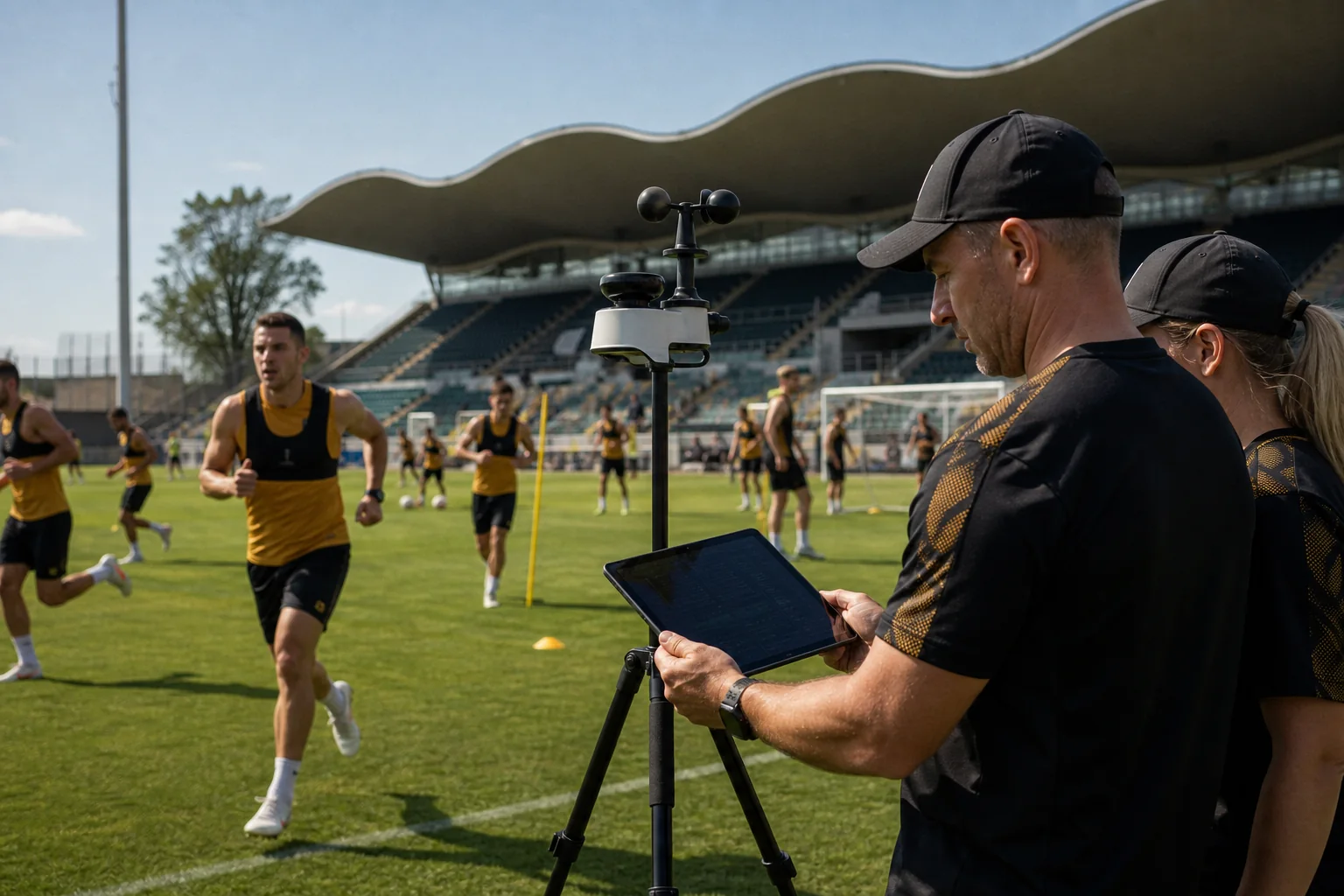
Heat, Humidity, and Wearable Interpretation explains how teams can turn wearable measurements into a defined operational decision while keeping collection honest and workable. It sets out practical checks for data quality, athlete communication, and context before any signal informs coaching or programme management.
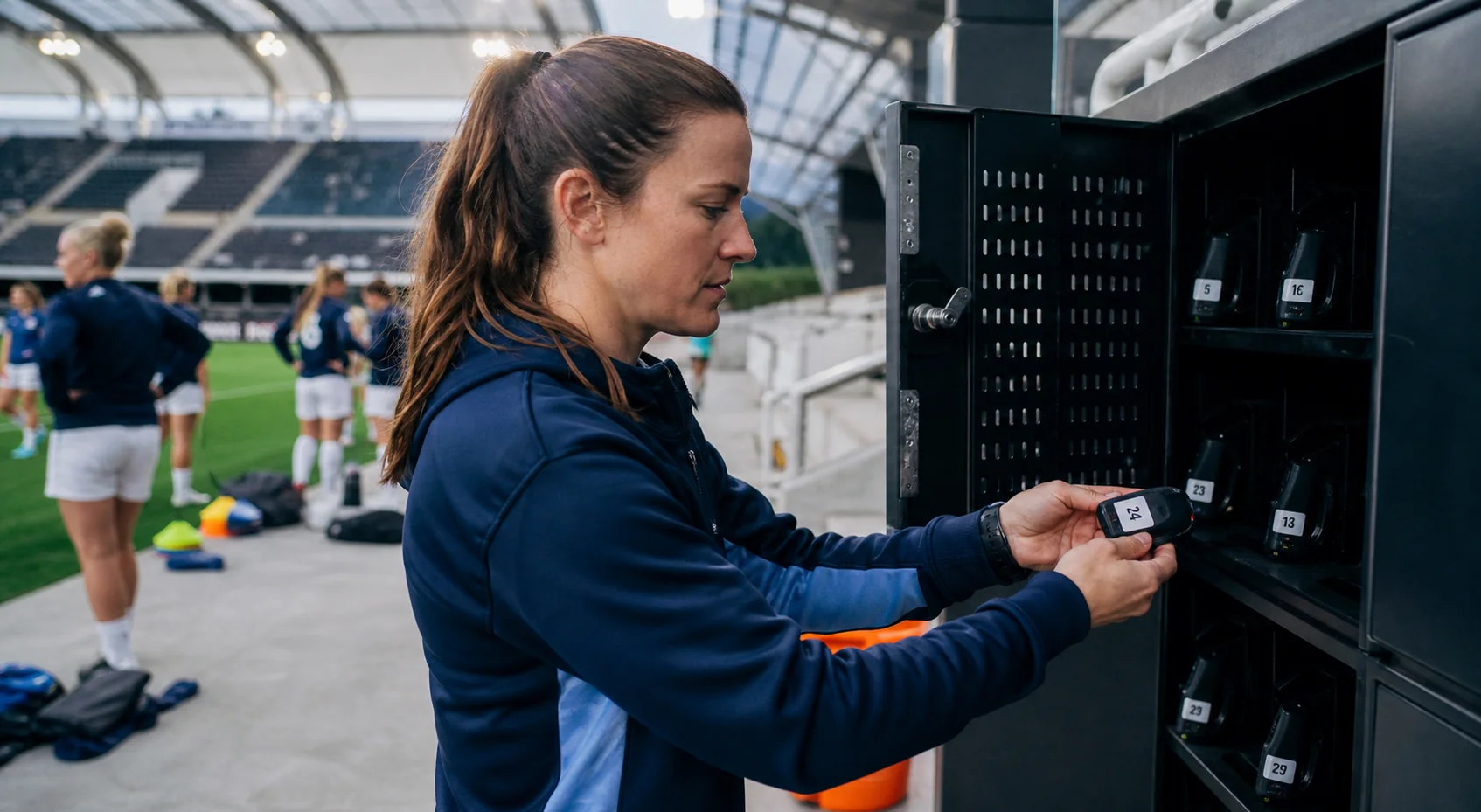
The Wearable Data Chain of Custody explains how teams can turn wearable measurements into a defined operational decision while keeping collection honest and workable. It sets out practical checks for data quality, athlete communication, and context before any signal informs coaching or programme management.
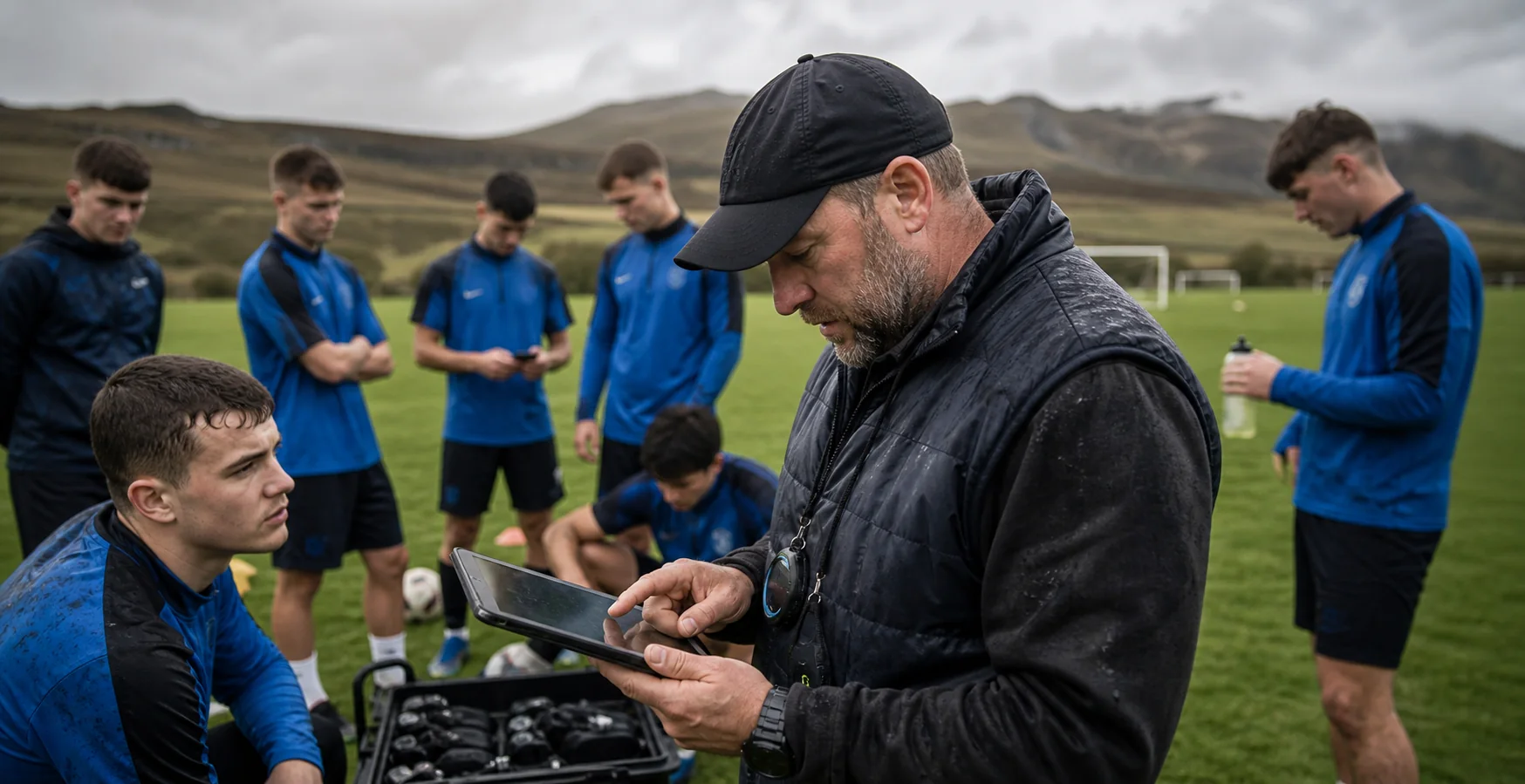
Starting a Low-Bandwidth Wearables Programme explains how teams can turn wearable measurements into a defined operational decision while keeping collection honest and workable. It sets out practical checks for data quality, athlete communication, and context before any signal informs coaching or programme management.
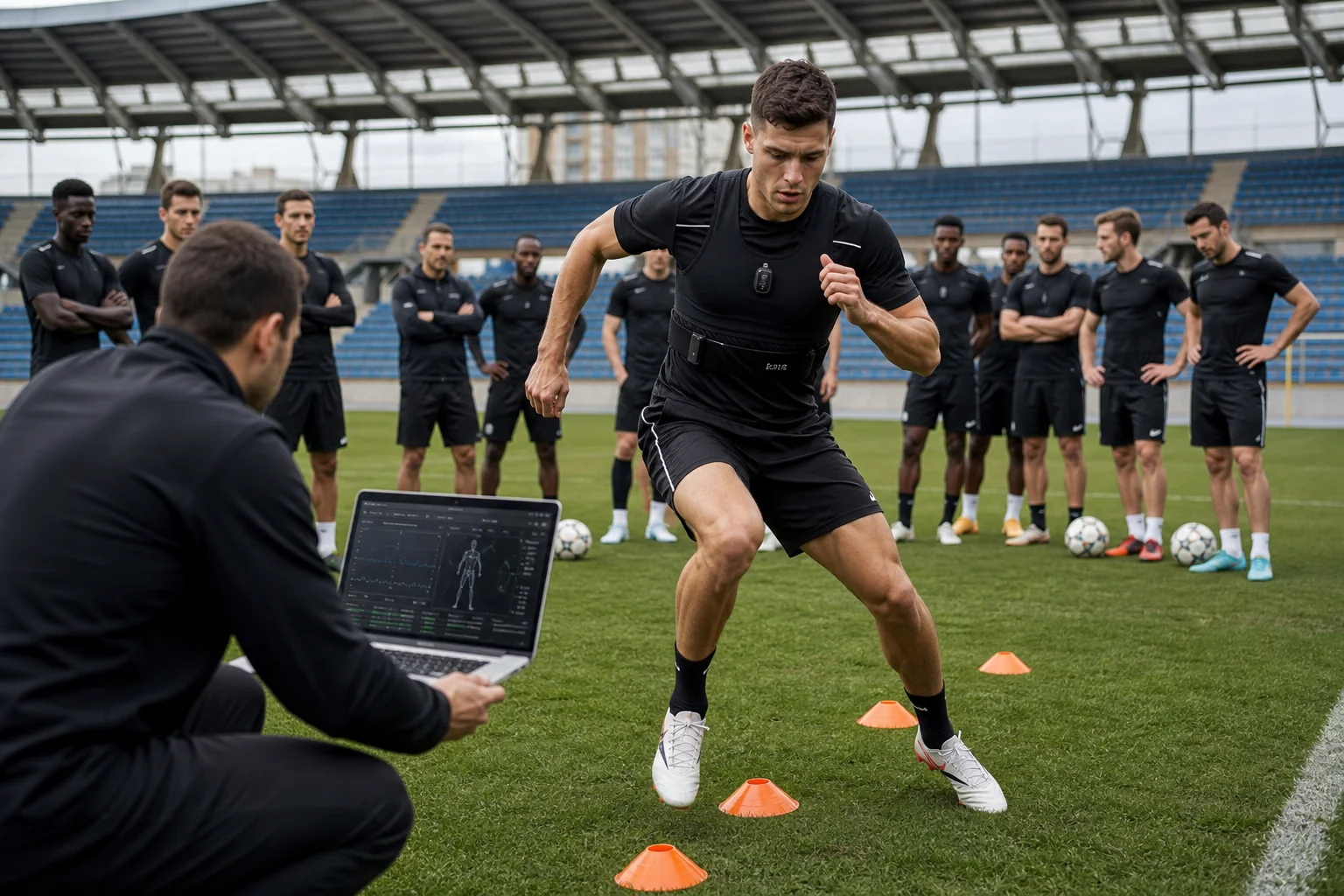
Using Inertial Data for Change-of-Direction Drills explains how teams can turn wearable measurements into a defined operational decision while keeping collection honest and workable. It sets out practical checks for data quality, athlete communication, and context before any signal informs coaching or programme management.
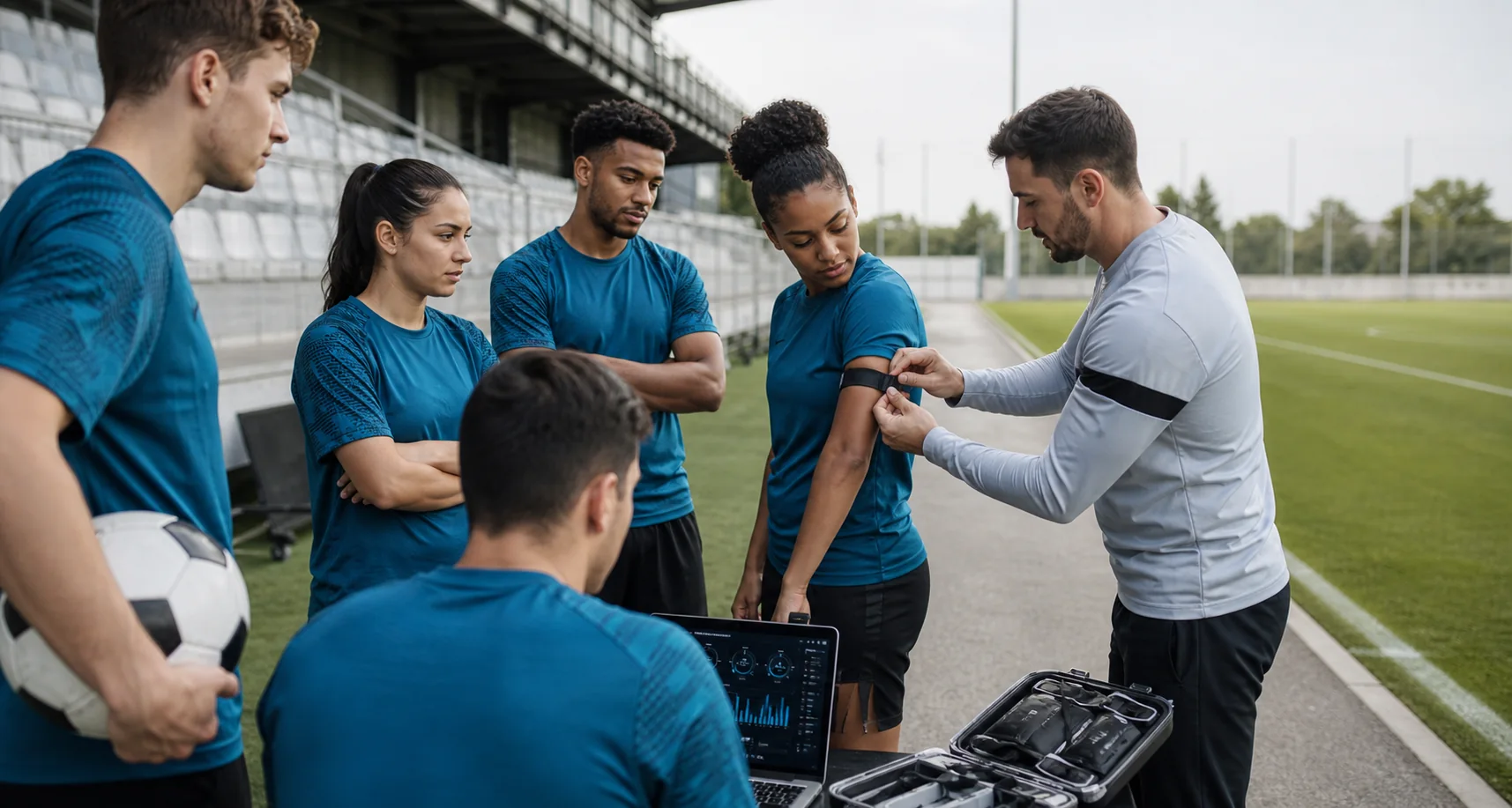
Wearable Onboarding for Multi-Language Squads explains how teams can turn wearable measurements into a defined operational decision while keeping collection honest and workable. It sets out practical checks for data quality, athlete communication, and context before any signal informs coaching or programme management.

When Wearable Data Disagrees With the Coach explains how teams can turn wearable measurements into a defined operational decision while keeping collection honest and workable. It sets out practical checks for data quality, athlete communication, and context before any signal informs coaching or programme management.
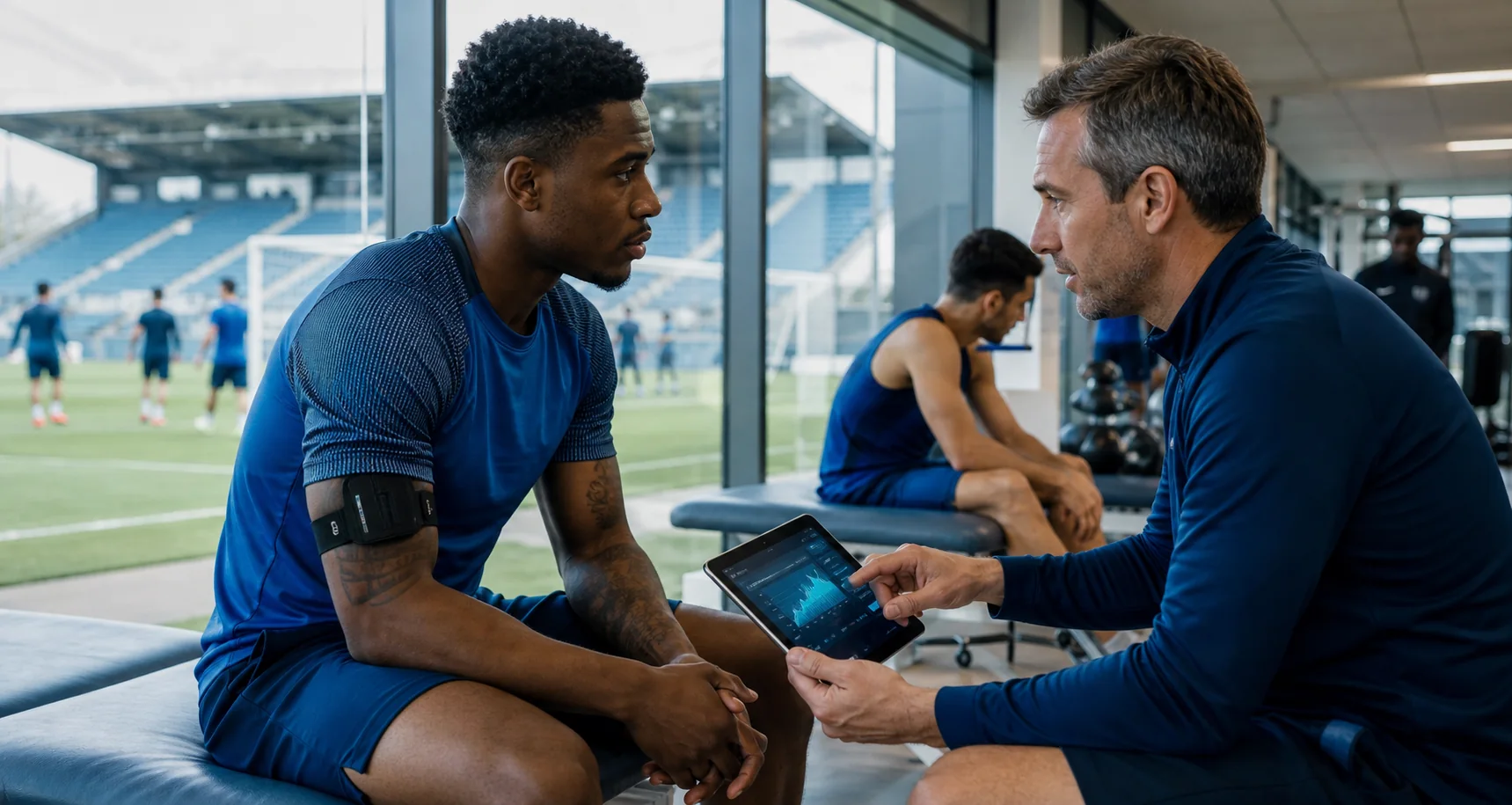
Sleep Data Boundaries in Team Environments explains how teams can turn wearable measurements into a defined operational decision while keeping collection honest and workable. It sets out practical checks for data quality, athlete communication, and context before any signal informs coaching or programme management.
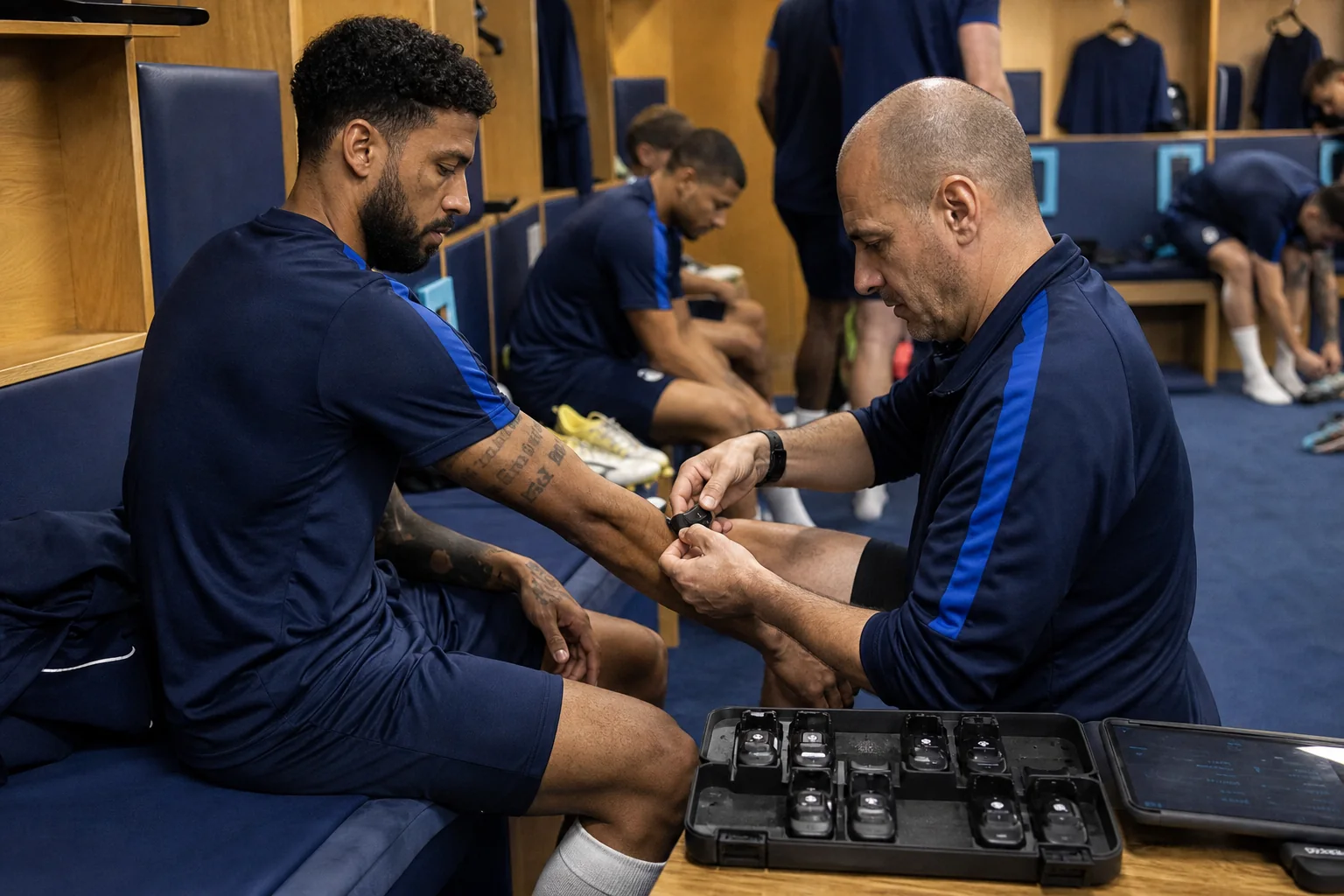
Wearable Workflows for Tournament Weekends explains how teams can turn wearable measurements into a defined operational decision while keeping collection honest and workable. It sets out practical checks for data quality, athlete communication, and context before any signal informs coaching or programme management.
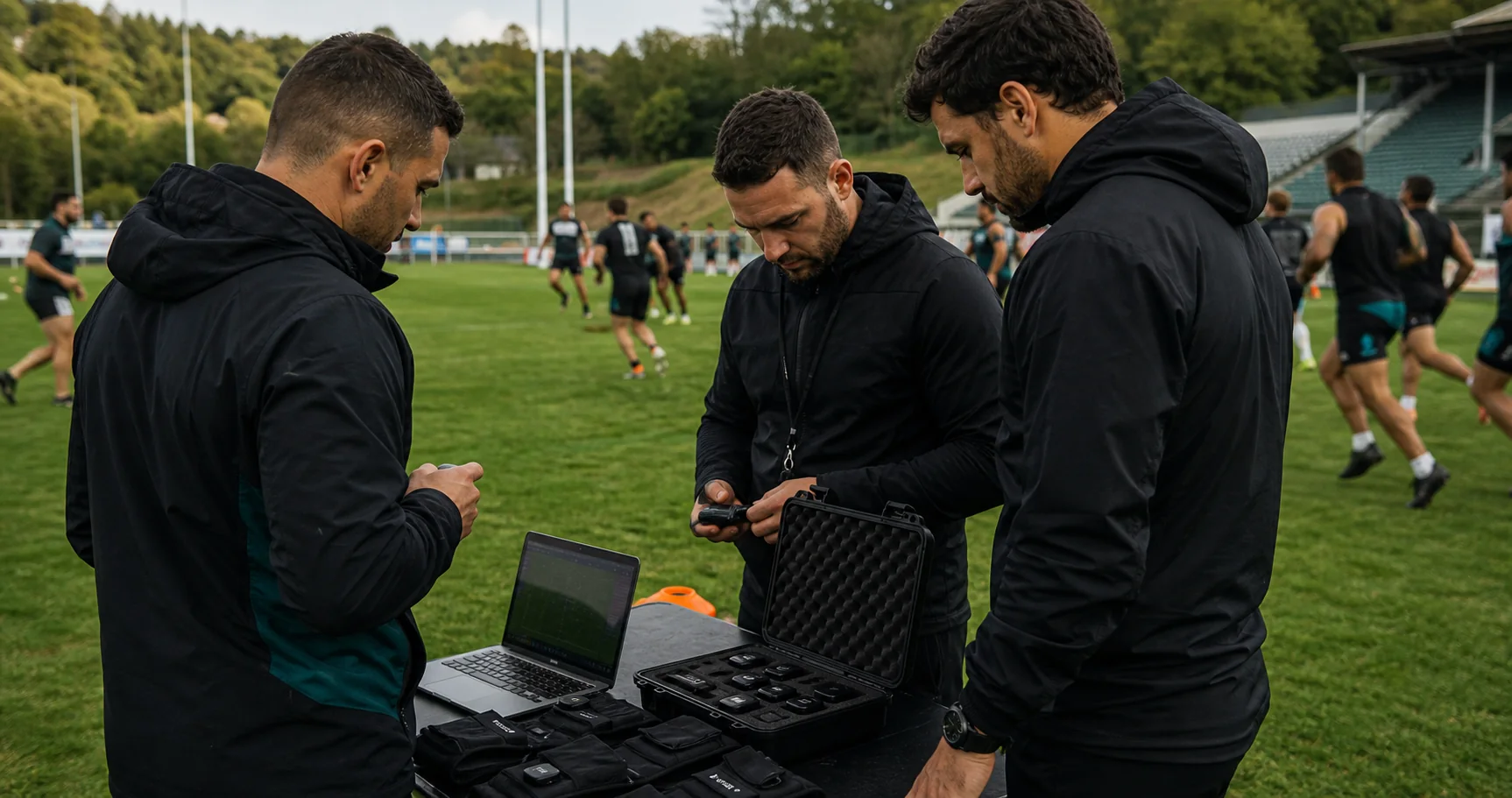
Procurement Questions for Wearable Systems explains how teams can turn wearable measurements into a defined operational decision while keeping collection honest and workable. It sets out practical checks for data quality, athlete communication, and context before any signal informs coaching or programme management.

Making Wearables Useful in Grassroots Football explains how teams can turn wearable measurements into a defined operational decision while keeping collection honest and workable. It sets out practical checks for data quality, athlete communication, and context before any signal informs coaching or programme management.
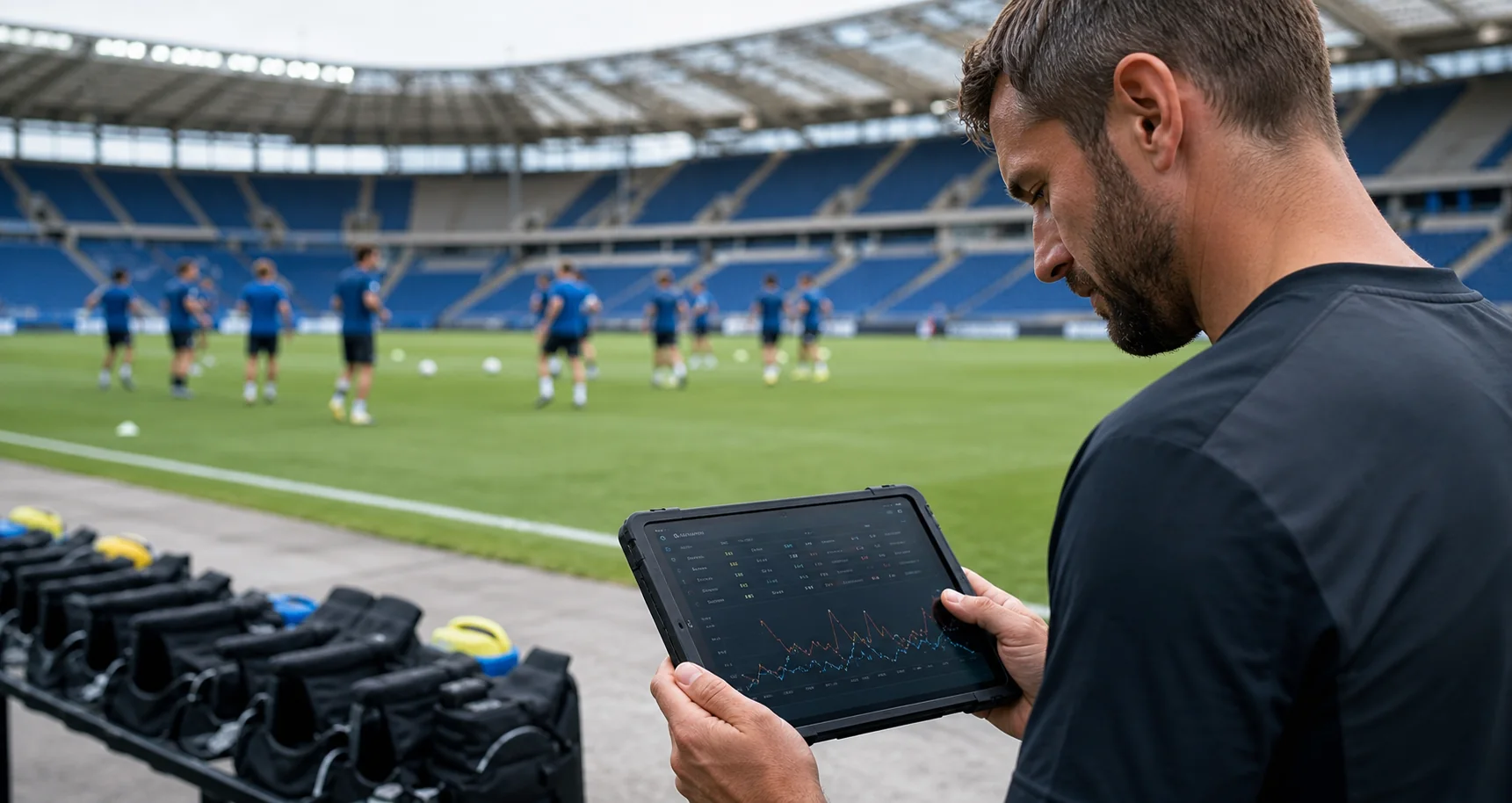
Designing a Wearable Exception Log explains how teams can turn wearable measurements into a defined operational decision while keeping collection honest and workable. It sets out practical checks for data quality, athlete communication, and context before any signal informs coaching or programme management.