
Performancetopic guide
Sports Science and Training Technology: A Practical Guide
Sports science and training technology turn data into training questions. Learn what data show, where comparisons fail and how to review them responsibly.
Read storyNavigate SportyTechs reporting on how teams measure movement, build training environments and turn performance signals into better questions.
8 published storiesThe systems used to observe movement, technique and the context behind a training signal.
Sports science and training technology turn data into training questions. Learn what data show, where comparisons fail and how to review them responsibly.
Read story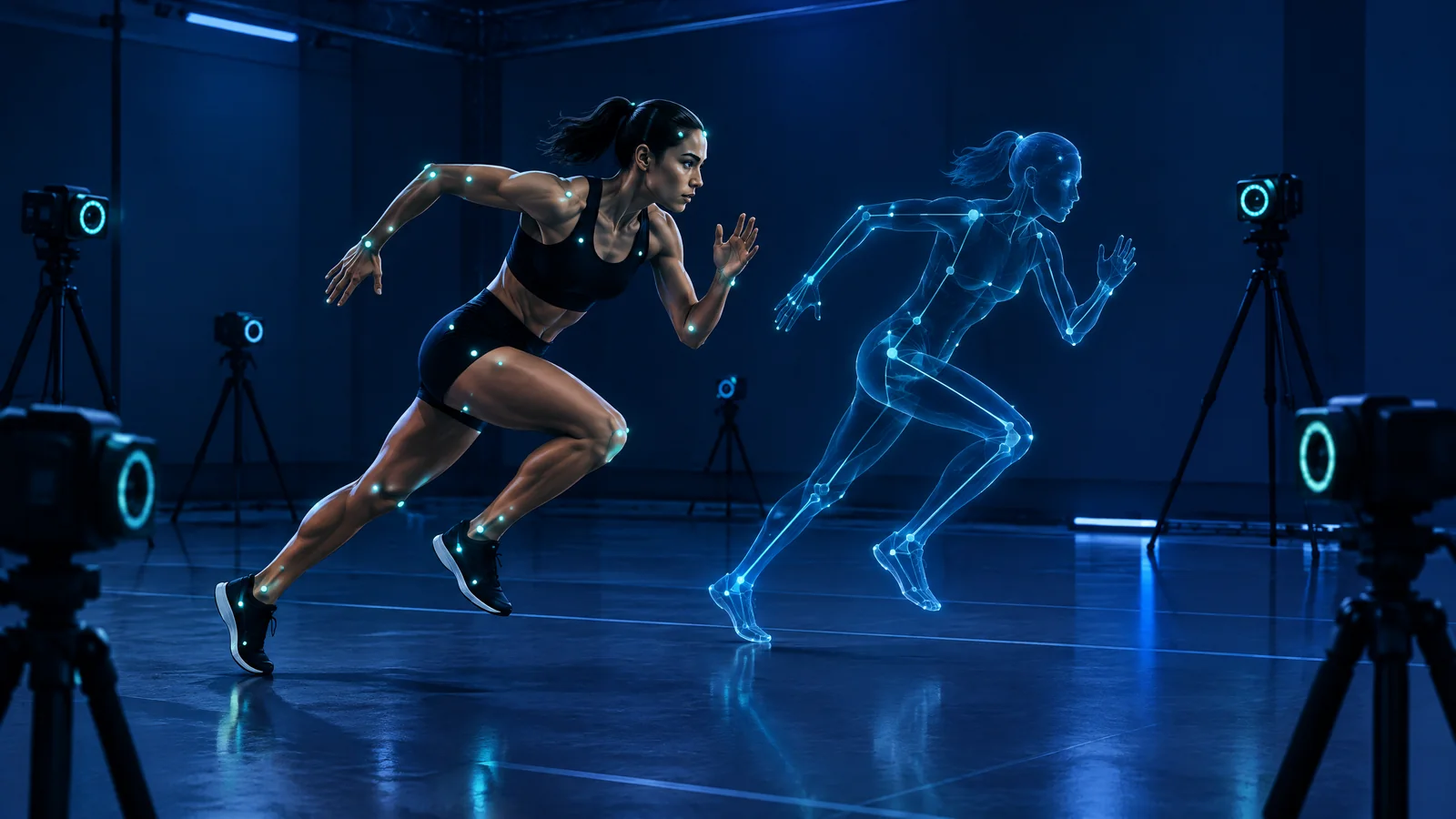
Motion capture turns sensor observations into 3D movement estimates. See how optical, markerless and inertial systems differ and how to read their limits.
Read story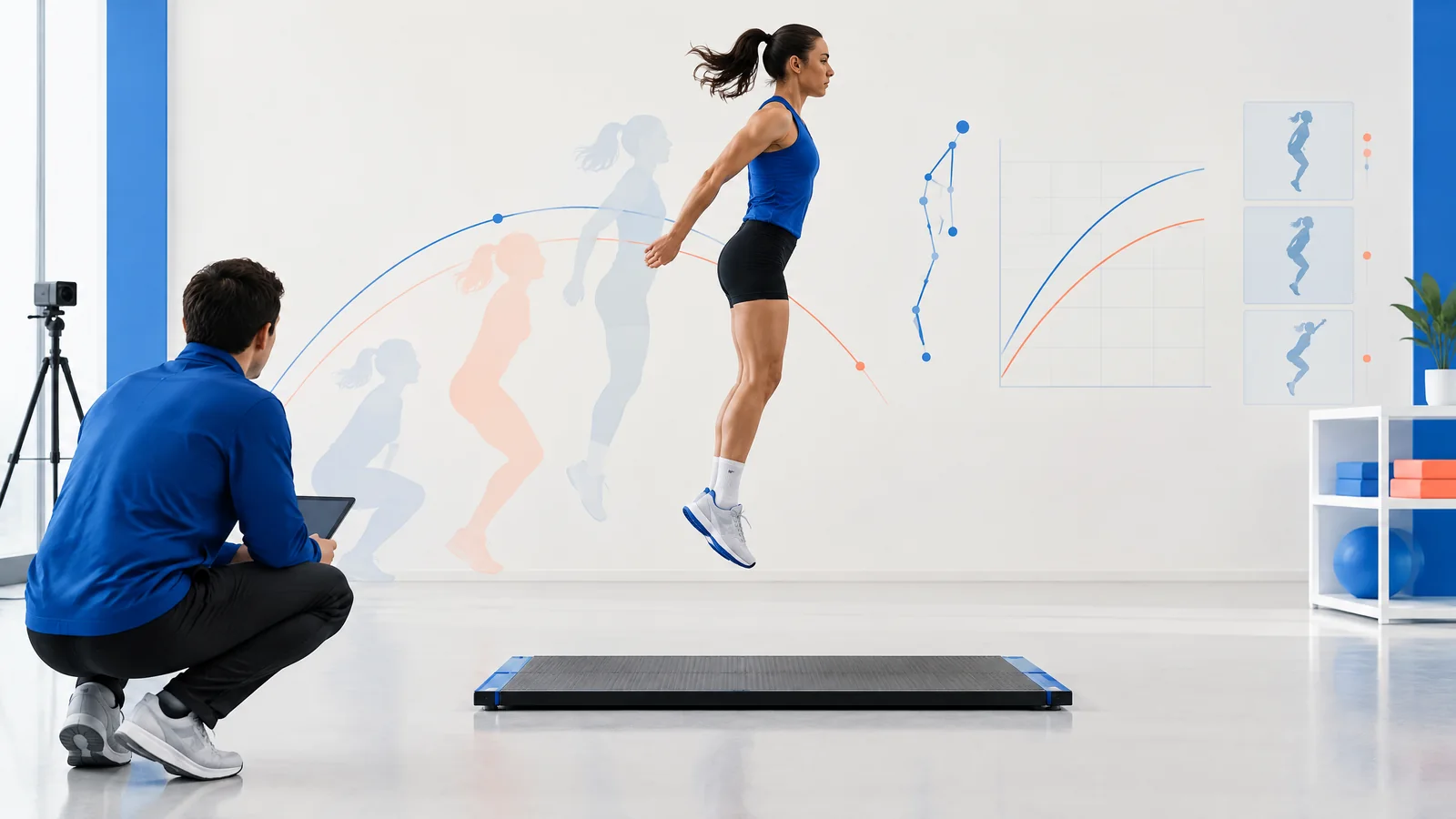
Sports biomechanics connects athlete motion with the forces around it. Learn what kinematics, kinetics, force plates and models can show—and where results stop.
Read storyEquipment and simulated environments that shape drills, feedback and skill development.
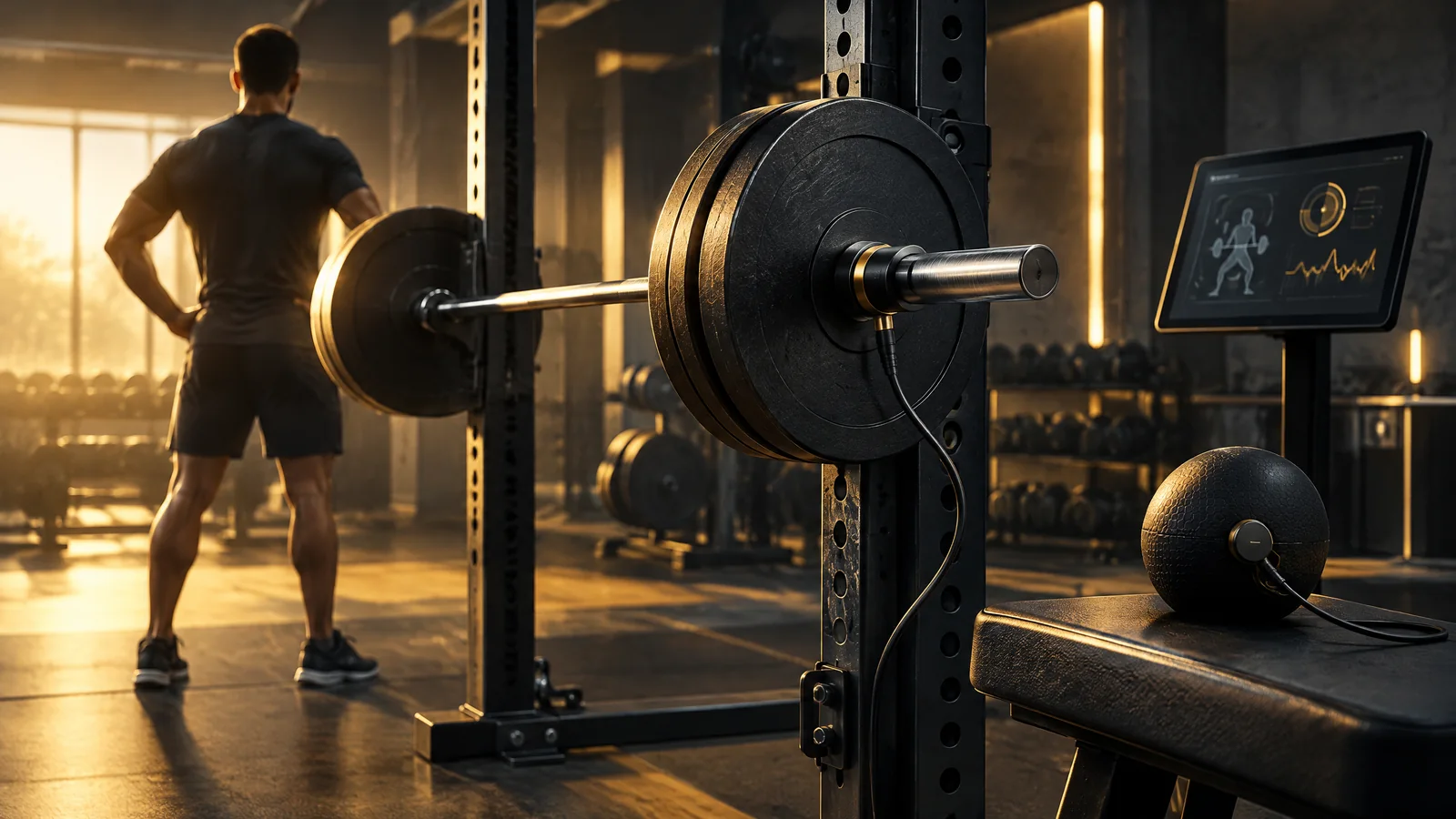
Smart training equipment can capture a movement or ball action, but a useful decision needs a clear question, comparable setup and human review.
Read story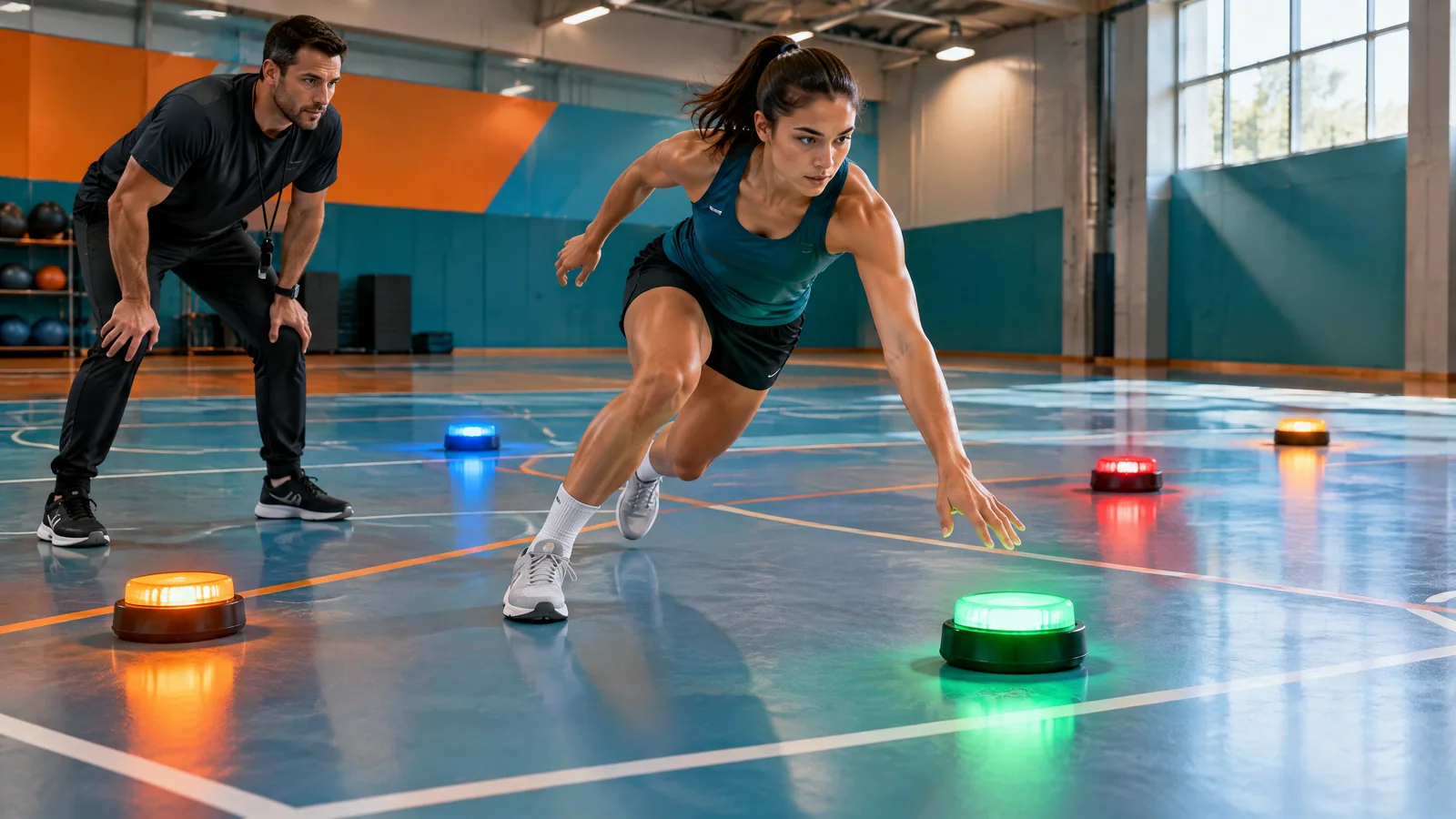
Reaction lights make cues less predictable, but a fast tap is not automatically better game play. Learn what they measure, how to check transfer and its limits.
Read story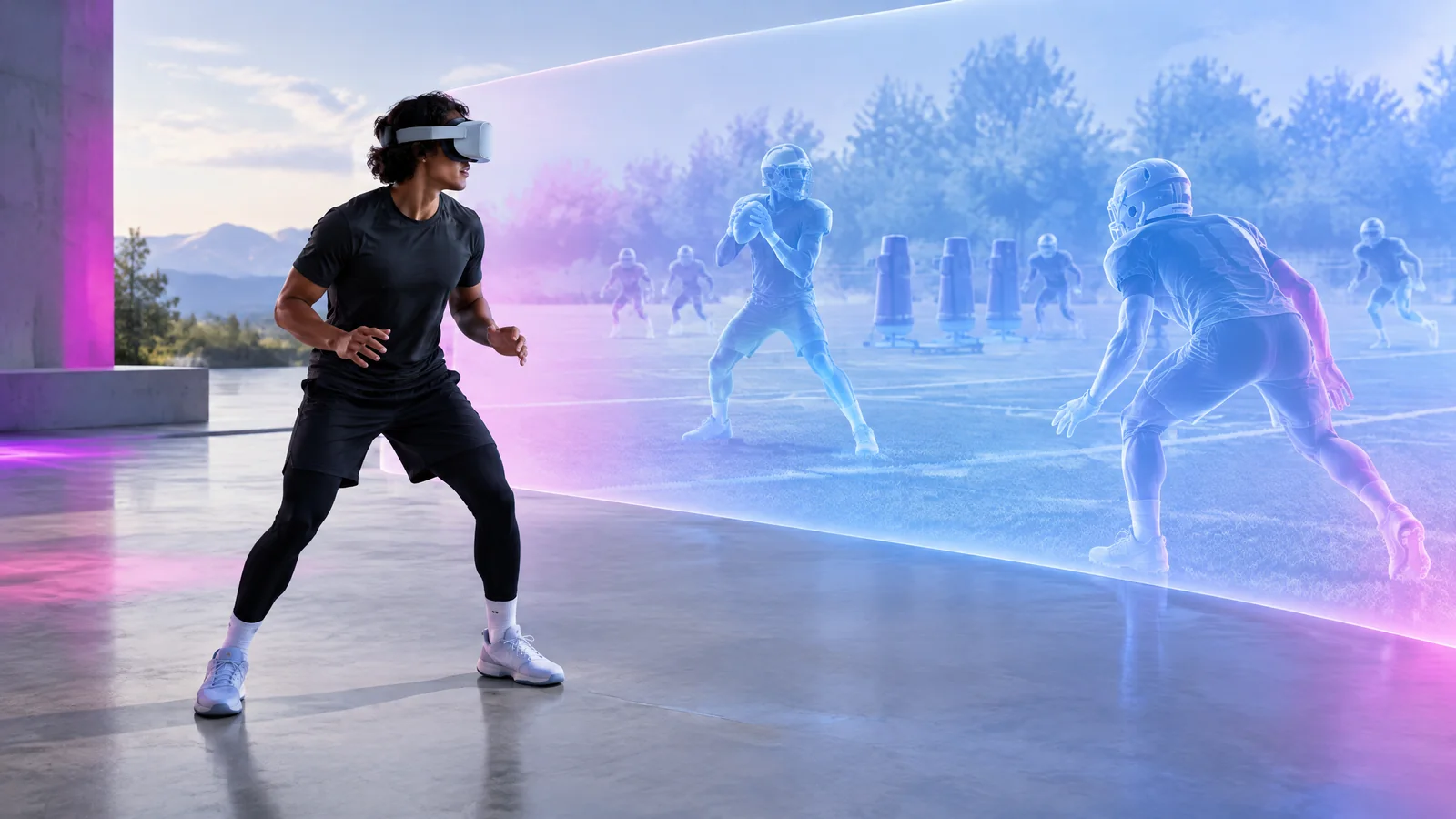
Virtual training environments can rehearse sport-specific cues and decisions. Learn what VR measures, what it misses, and how to judge transfer.
Read storyHow workload, strength and personalised planning information is used alongside coaching judgement.
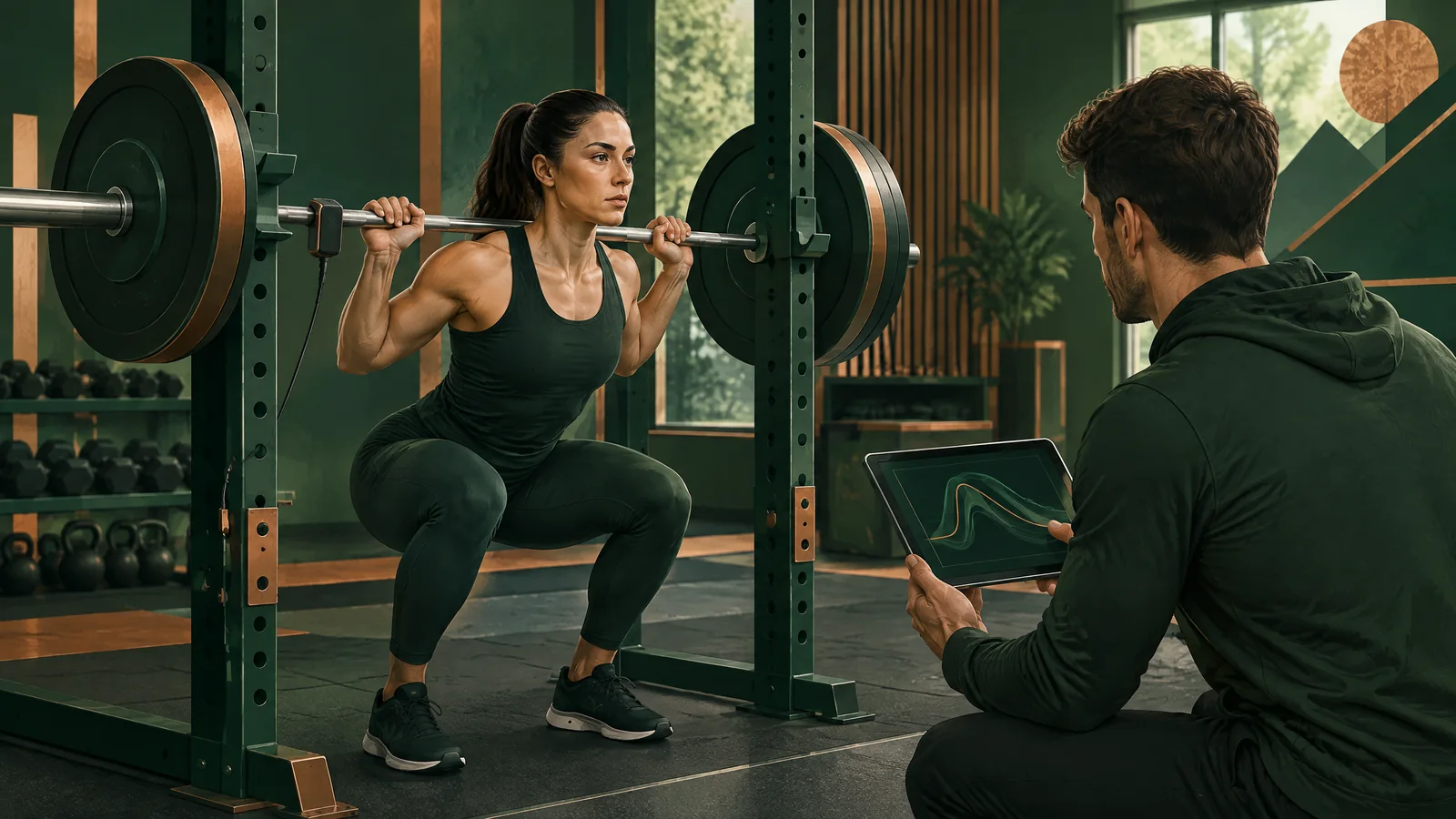
How barbell velocity, training load and context fit into strength and conditioning analytics—without treating one dashboard score as the answer.
Read story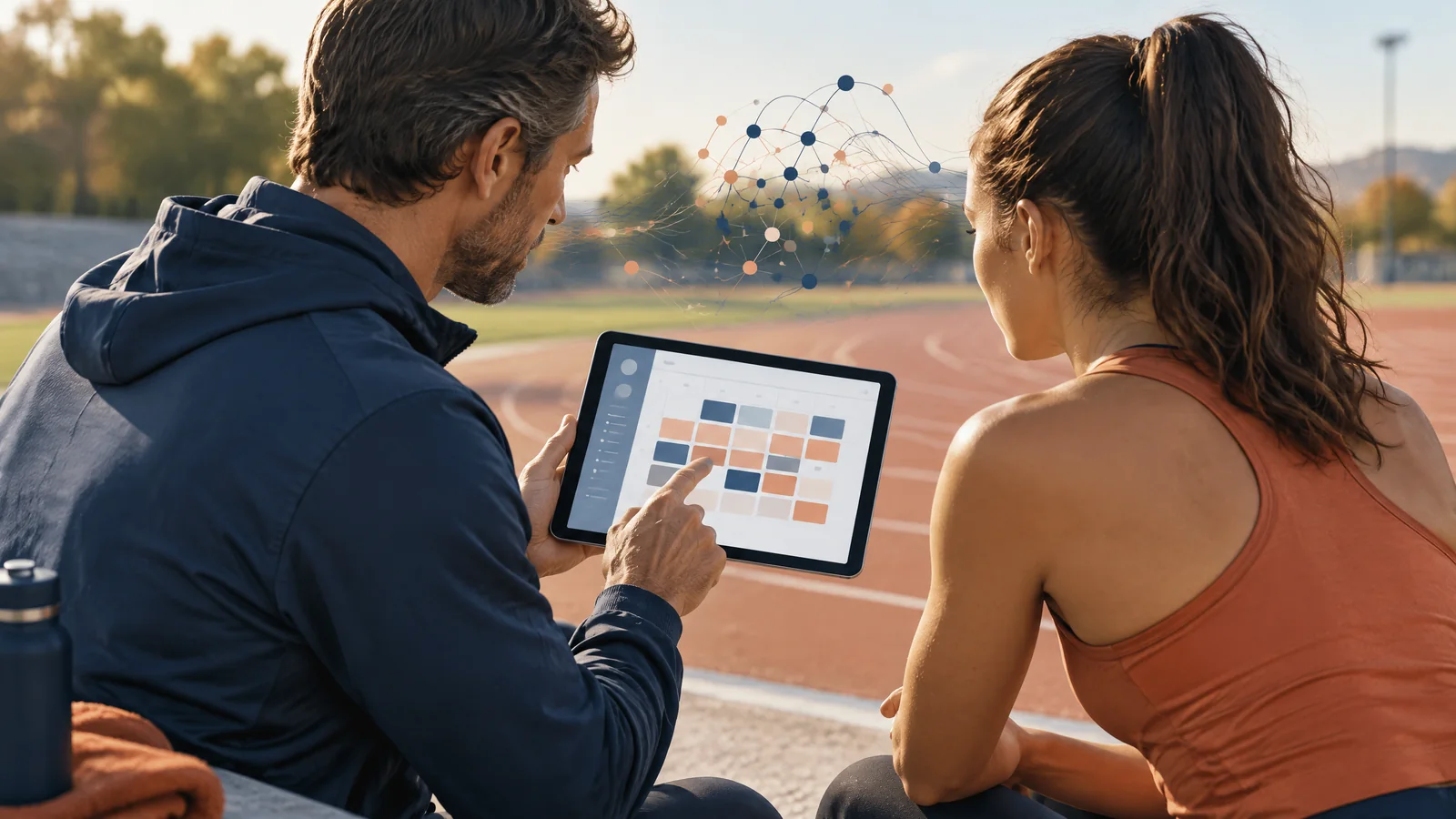
AI-generated training plans turn goals, schedules and session records into proposed calendars. Learn what they can do, miss, and how to review their output.
Read story