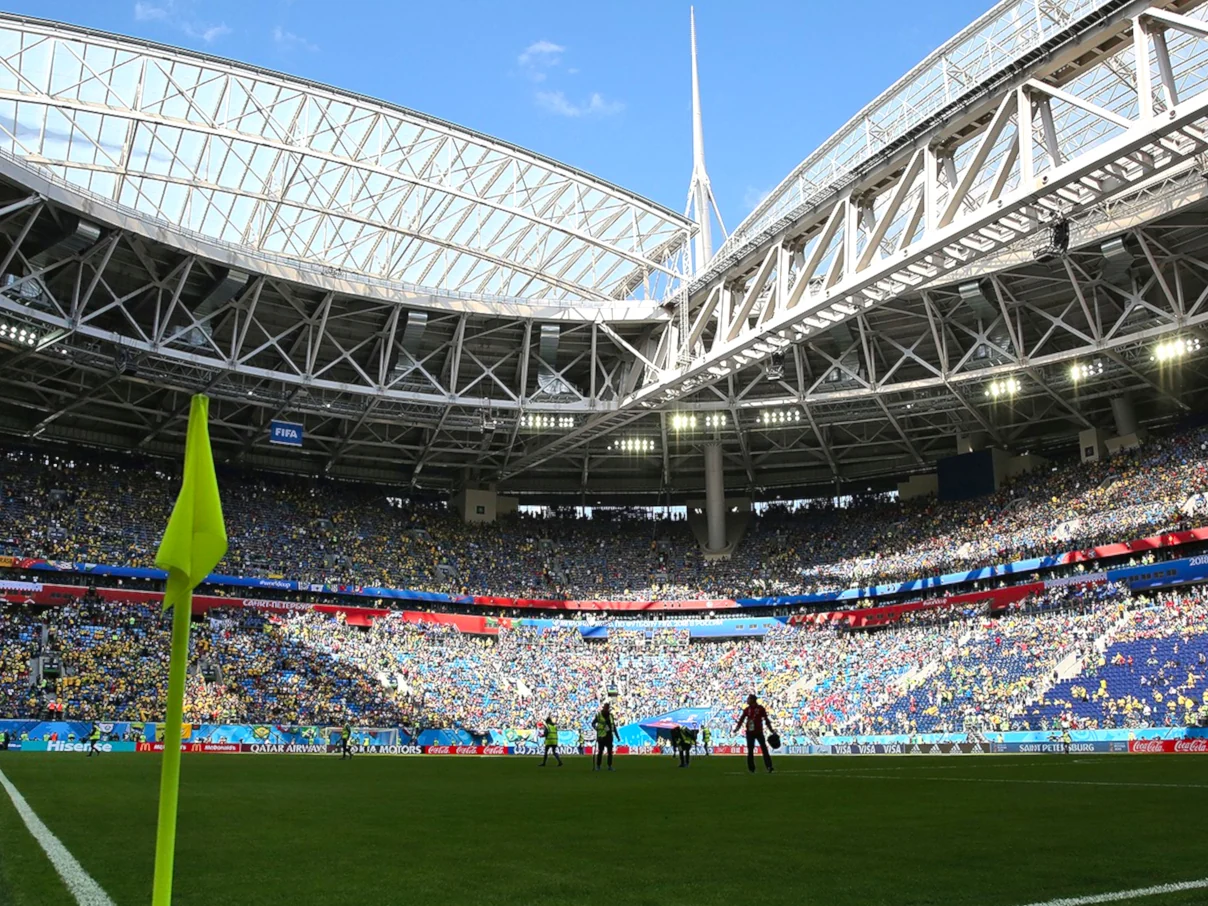
Smart Venuesdeep dive
World Cup Broadcast Technology: FIFA 2026 Systems Case Study
A source-led map of FIFA World Cup 2026 host broadcast, tracking, officiating and distribution layers—and the boundaries of each claim.
Find football (soccer) and American-football technology reporting in one place. Match-specific tools are described only where the evidence supports them.
16 in-depth storiesA source-led map of FIFA World Cup 2026 host broadcast, tracking, officiating and distribution layers—and the boundaries of each claim.
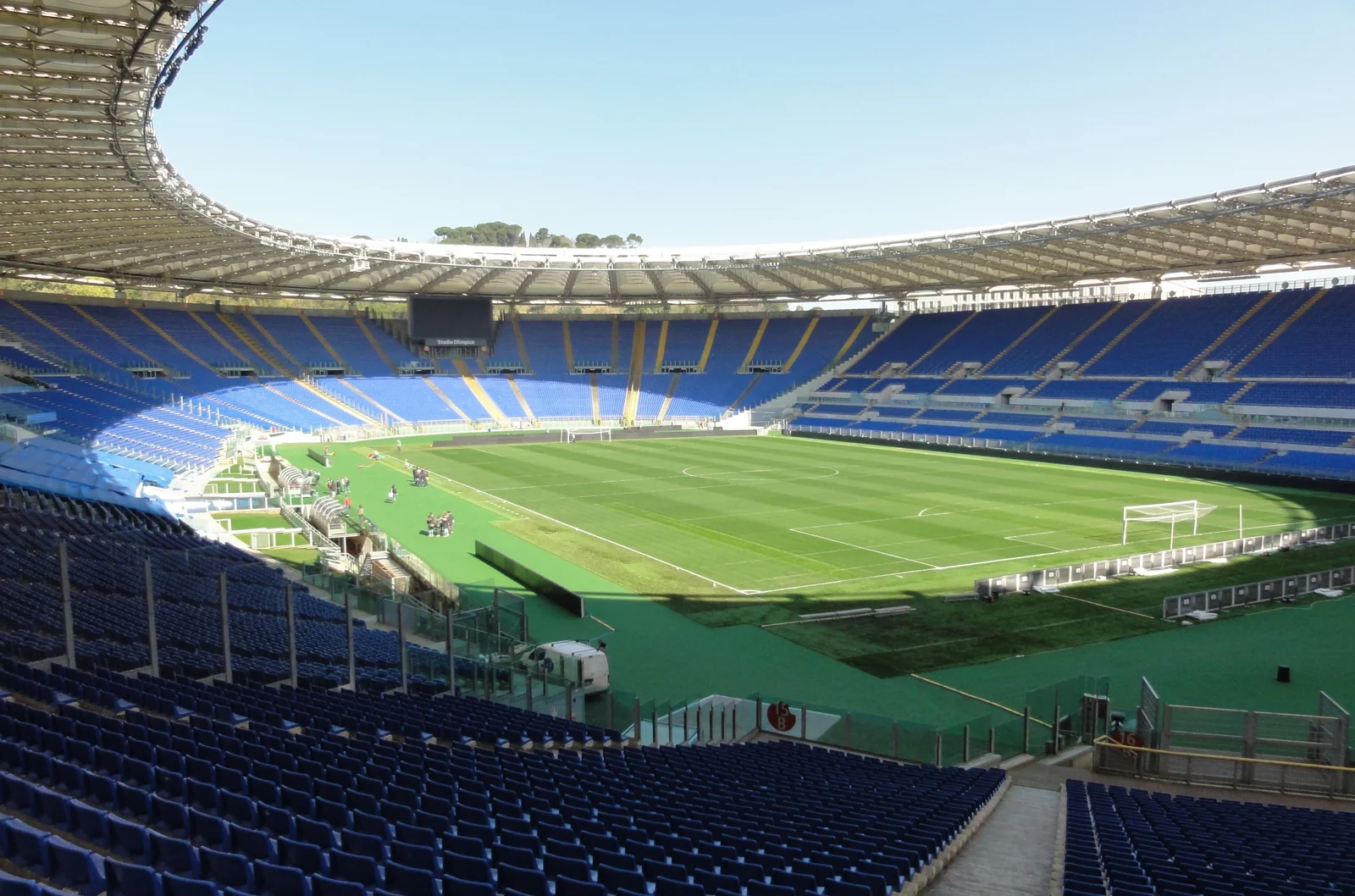
Roma’s 3–4 defeat on 14 October 2026 explained through the verified goal timeline, team statistics, set-piece opportunities and a reported VAR review.
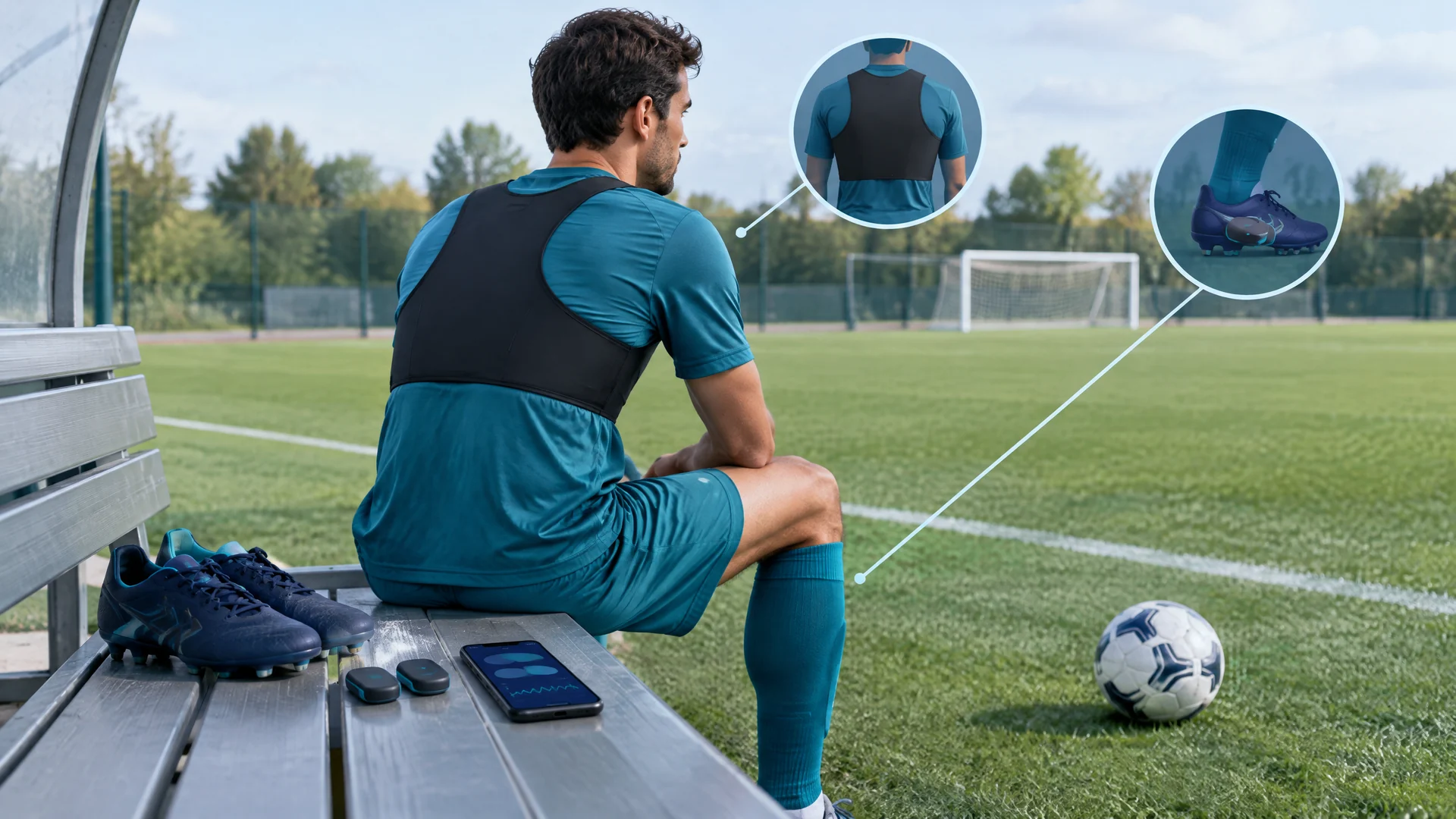
Compare soccer GPS vests, boot sensors and apps by what they measure, setup, costs and limitations. Choose a tracker around your training needs.
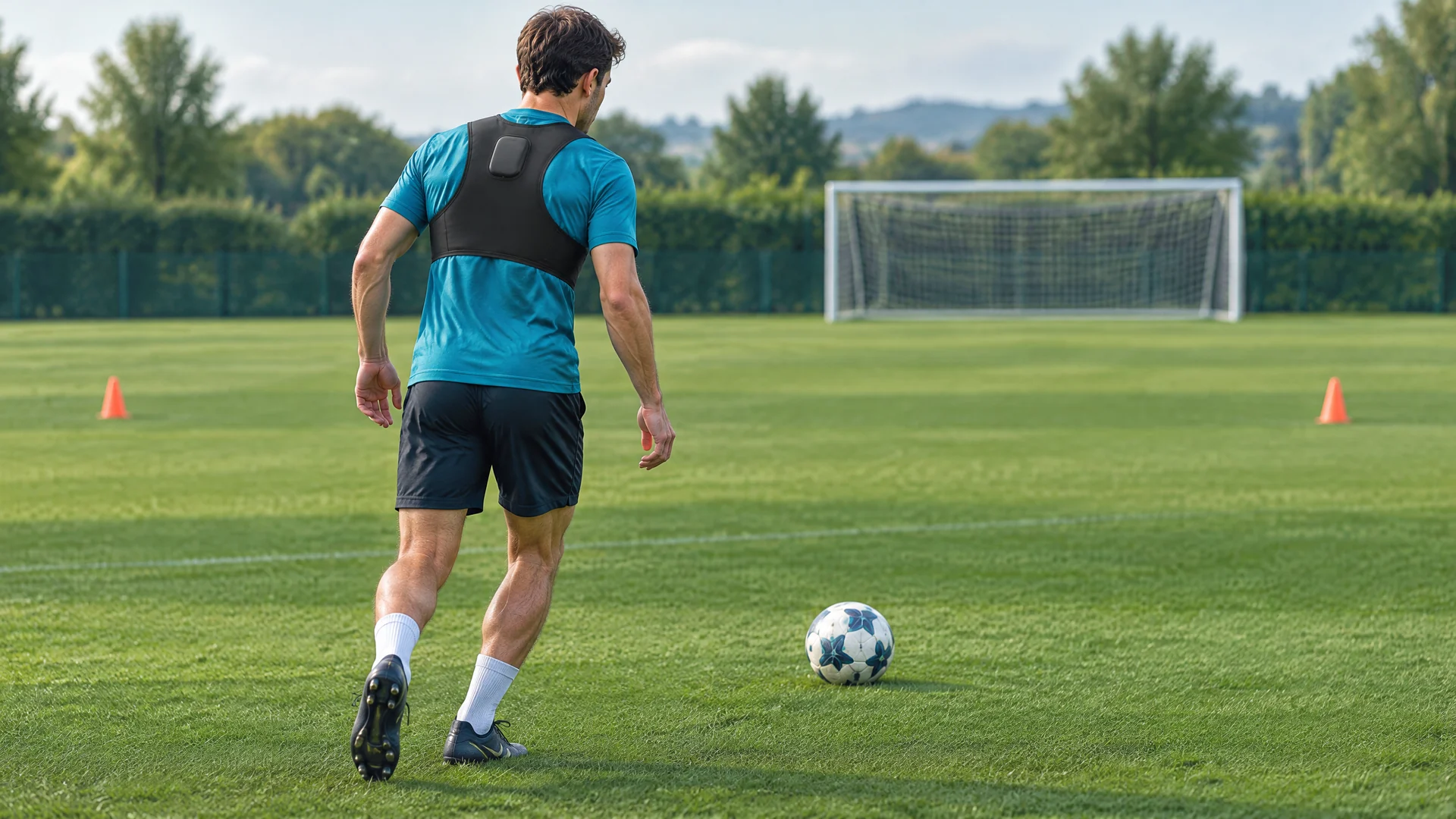
Understand football GPS vests, motion and heart-rate sensors, workload reports, match rules and privacy—with a practical example and realistic limits.
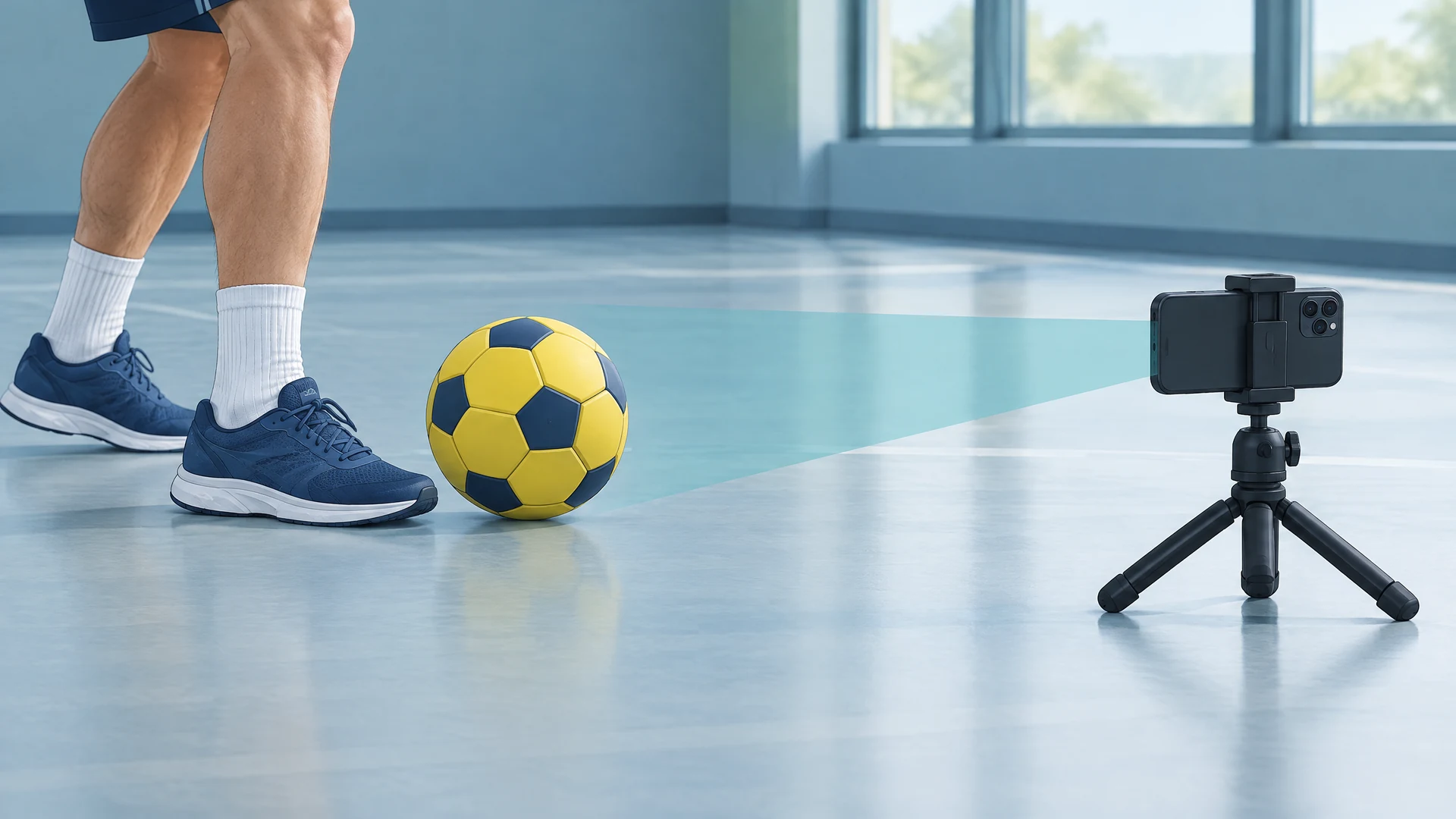
Understand the camera tracking behind DribbleUp soccer practice, what app feedback means, and the setup, membership and coaching limits to check.
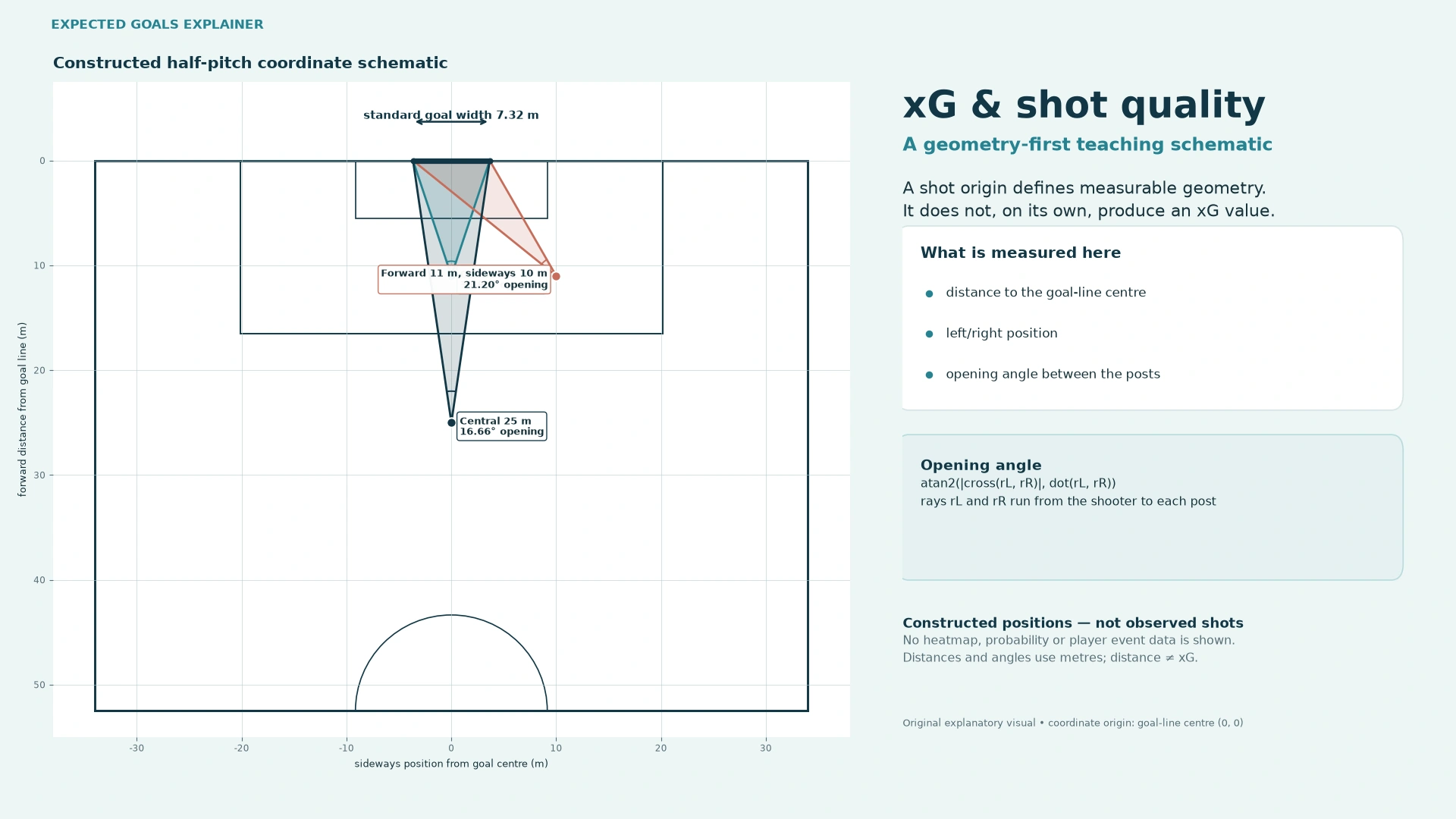
Understand what xG measures through real football examples, original shot diagrams, clear calculations and a simple probability arithmetic calculator.
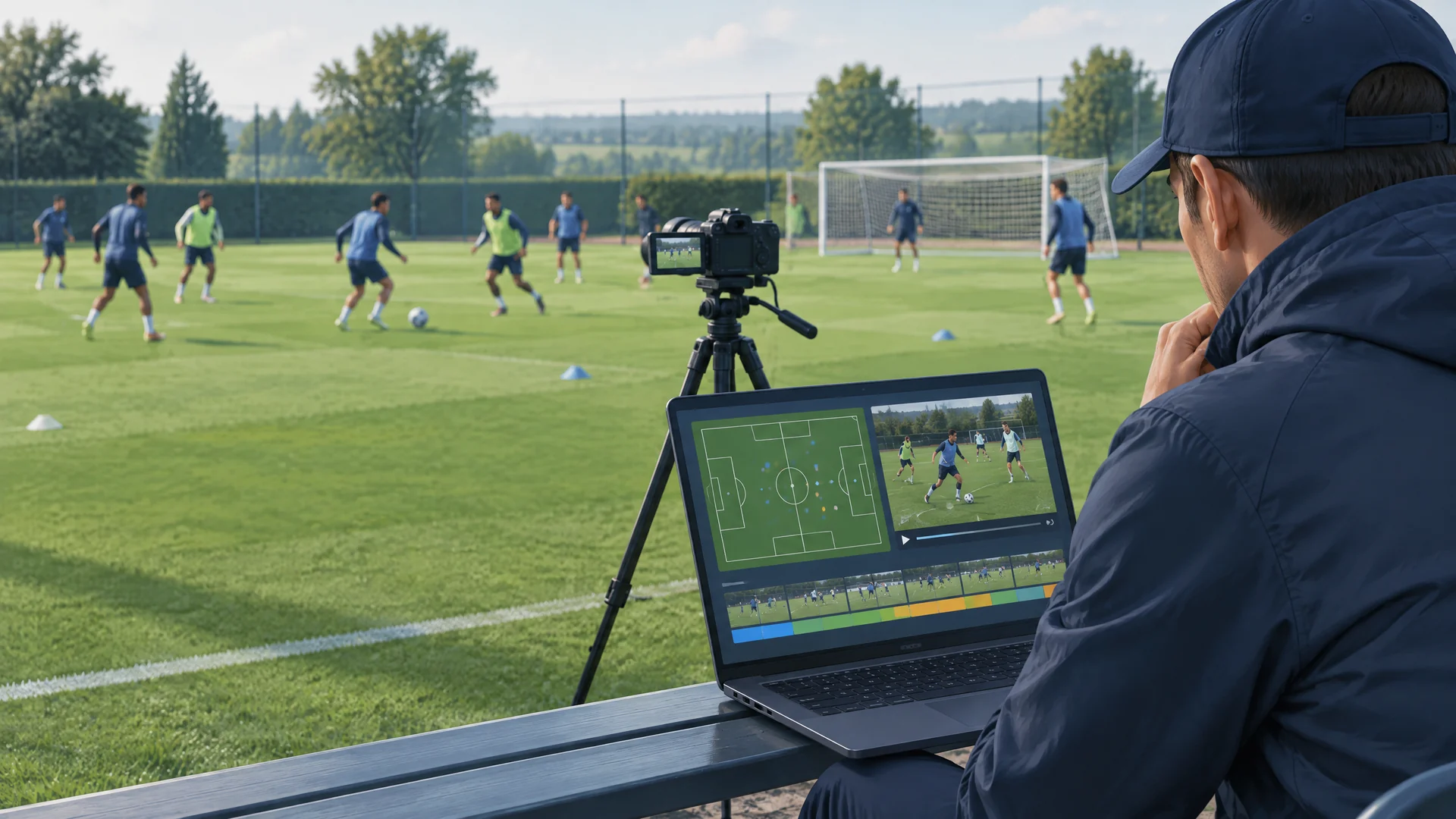
Compare five football video-analysis workflows, verified pricing terms, tagging, tactical drawing and camera requirements to shortlist the right coaching tools.
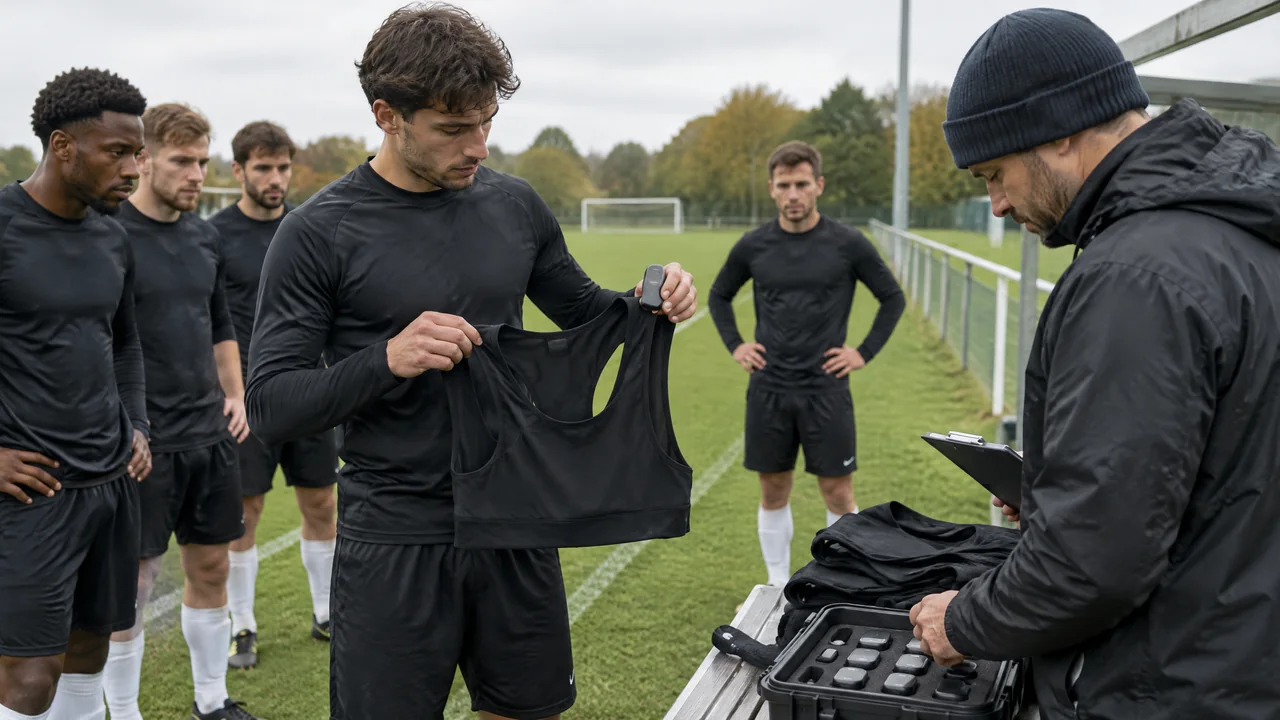
Before wearing a GPS vest in a football match, check the exact EPTS record, competition instructions and pre-match equipment decision.
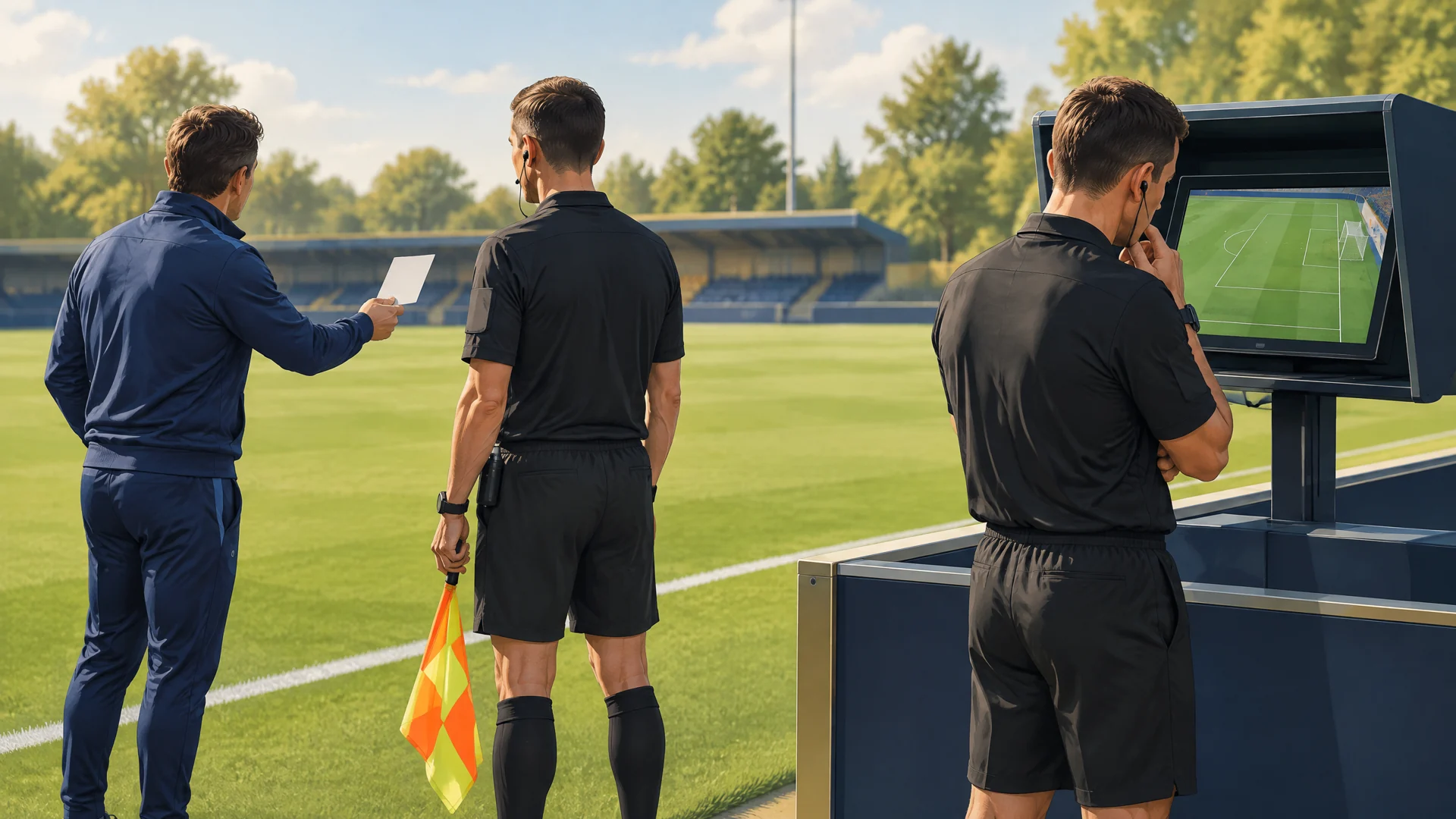
Compare Football Video Support and VAR: who starts a review, what the referee checks, and why replay footage may not change a decision.
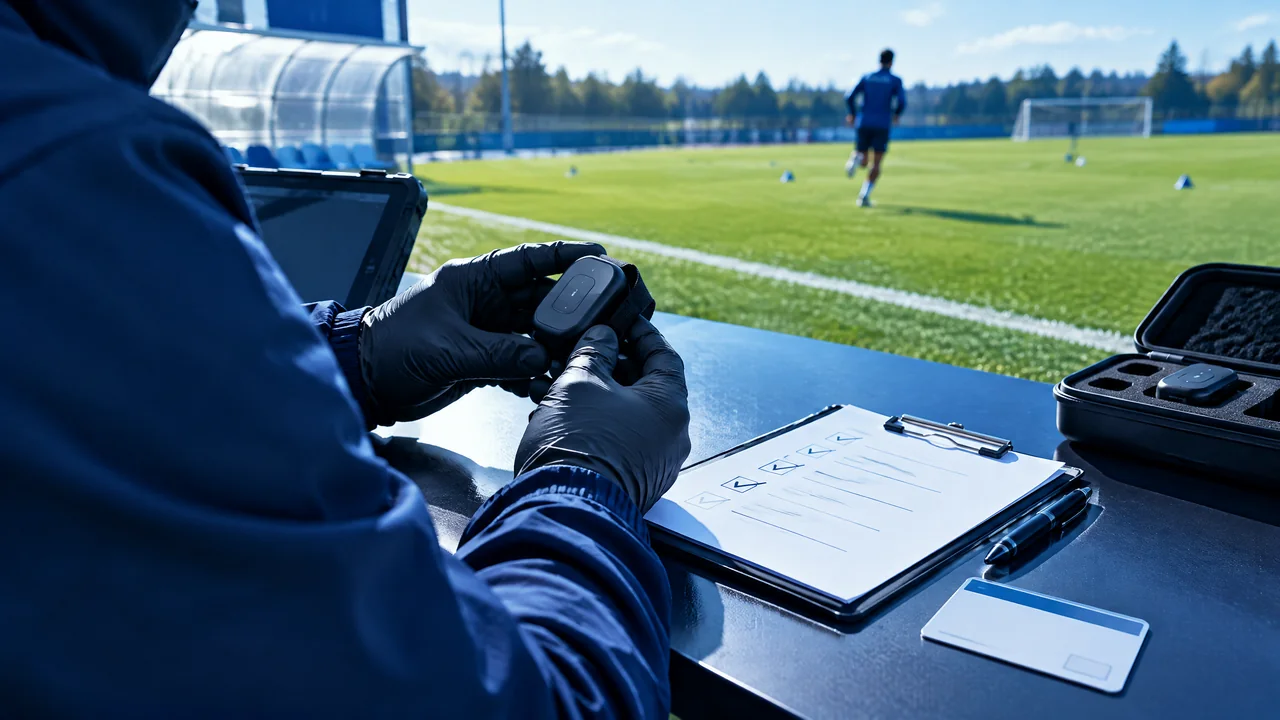
Check the exact FIFA EPTS system, tracking type, mark and certification period; the record does not prove use in a match or improved outcomes.
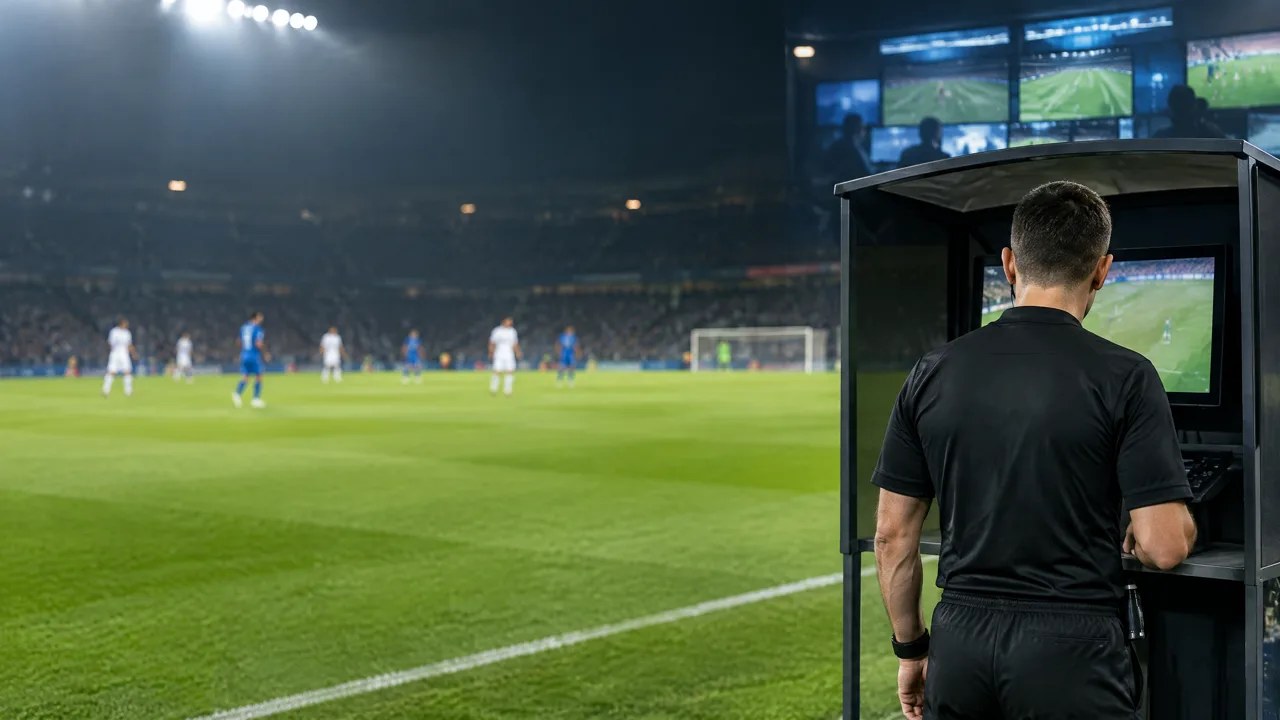
What football's video assistant referee can review, how a silent check differs from an on-field review, who decides, and what changed in the 2026/27 IFAB protocol.
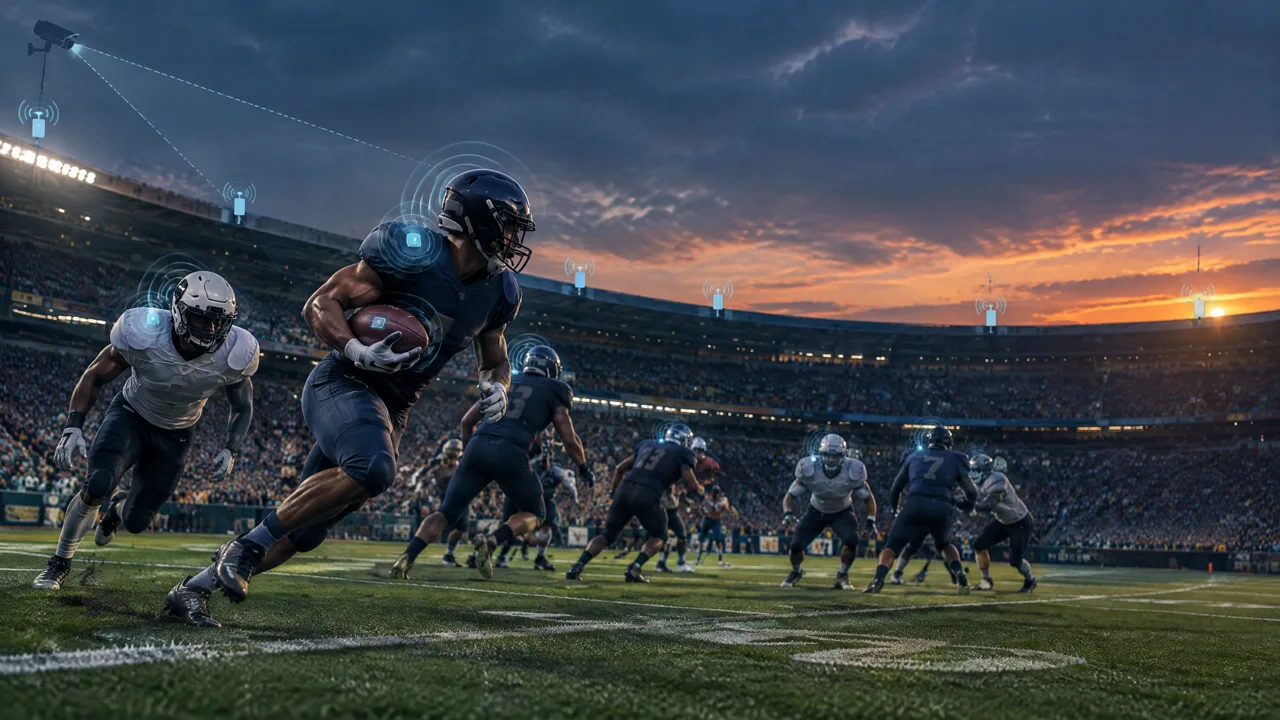
A readable, source-checked guide to NFL Next Gen Stats: RFID tags, UWB receivers, a tagged ball, developing camera-pose data and what a tracking metric cannot prove.
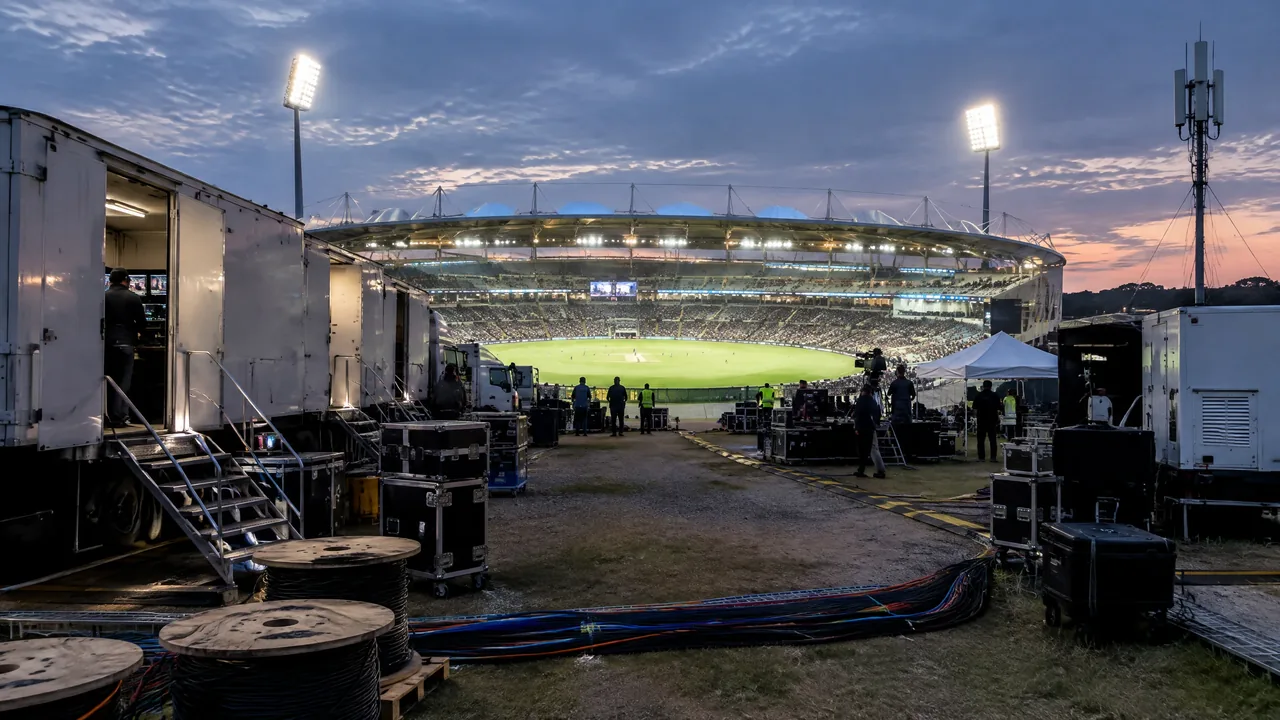
Netflix’s first NFL game in Australia used a large IP broadcast compound at the MCG. The case shows how redundancy and remote production shape global live sport.
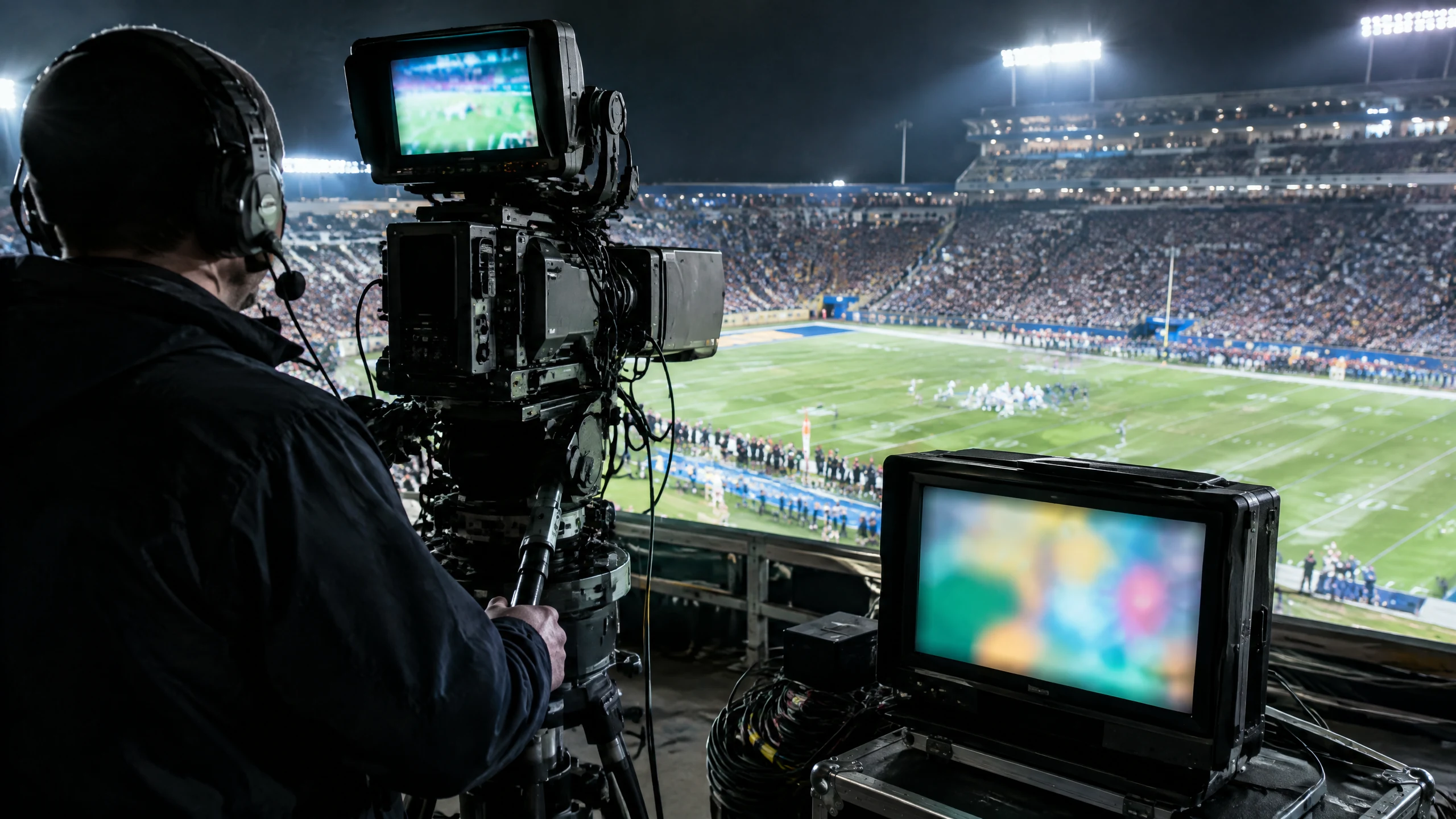
CBS Sports is phasing HDR across its NFL crews in 2026. The rollout shows why monitoring, mobile units and crew fluency matter as much as cameras.
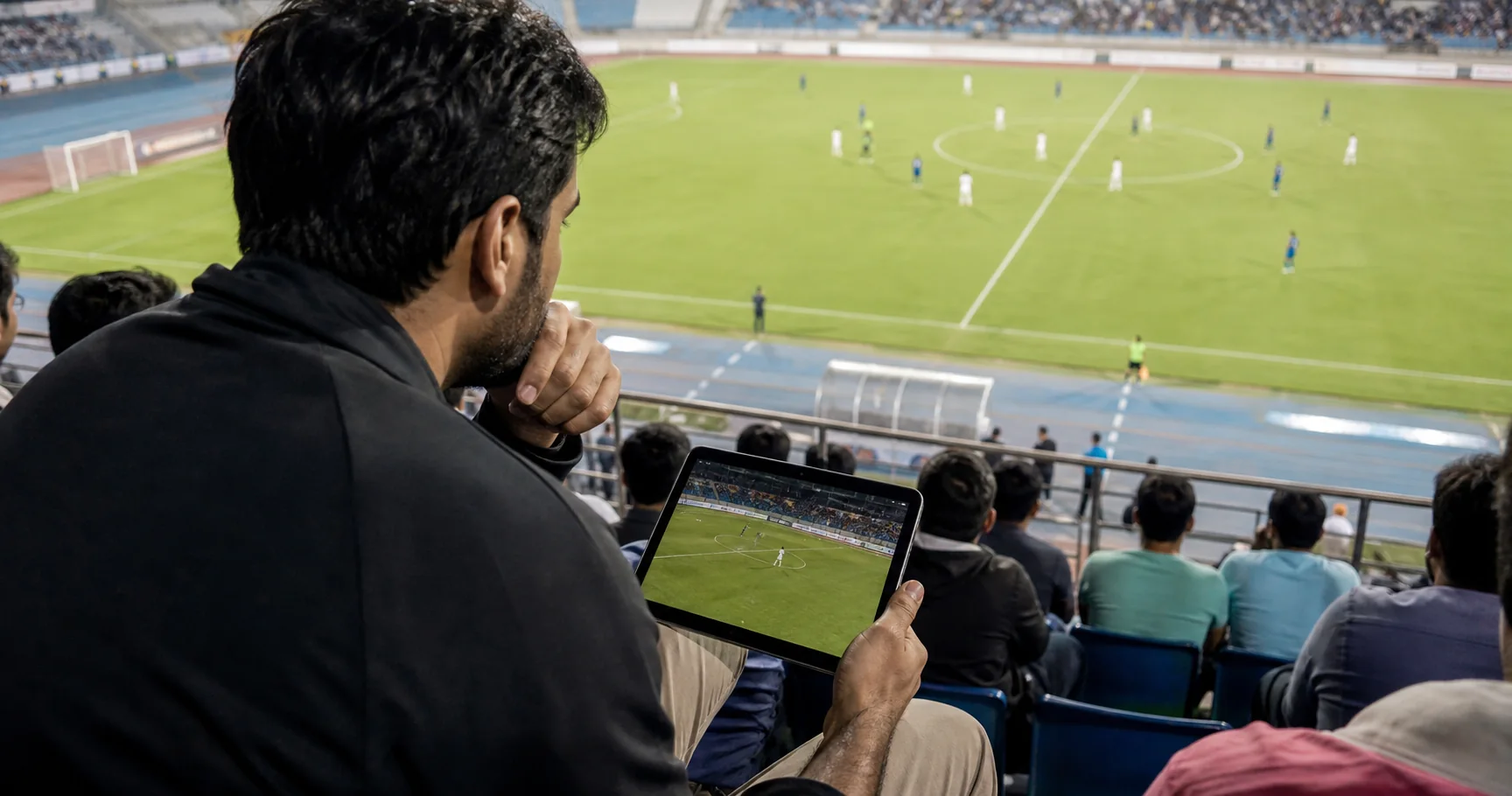
A player observed in one competition context can look different when the pitch, travel, opposition, and tactical instruction change. A context ledger helps scouts compare evidence fairly without claiming more certainty than the sample supports.
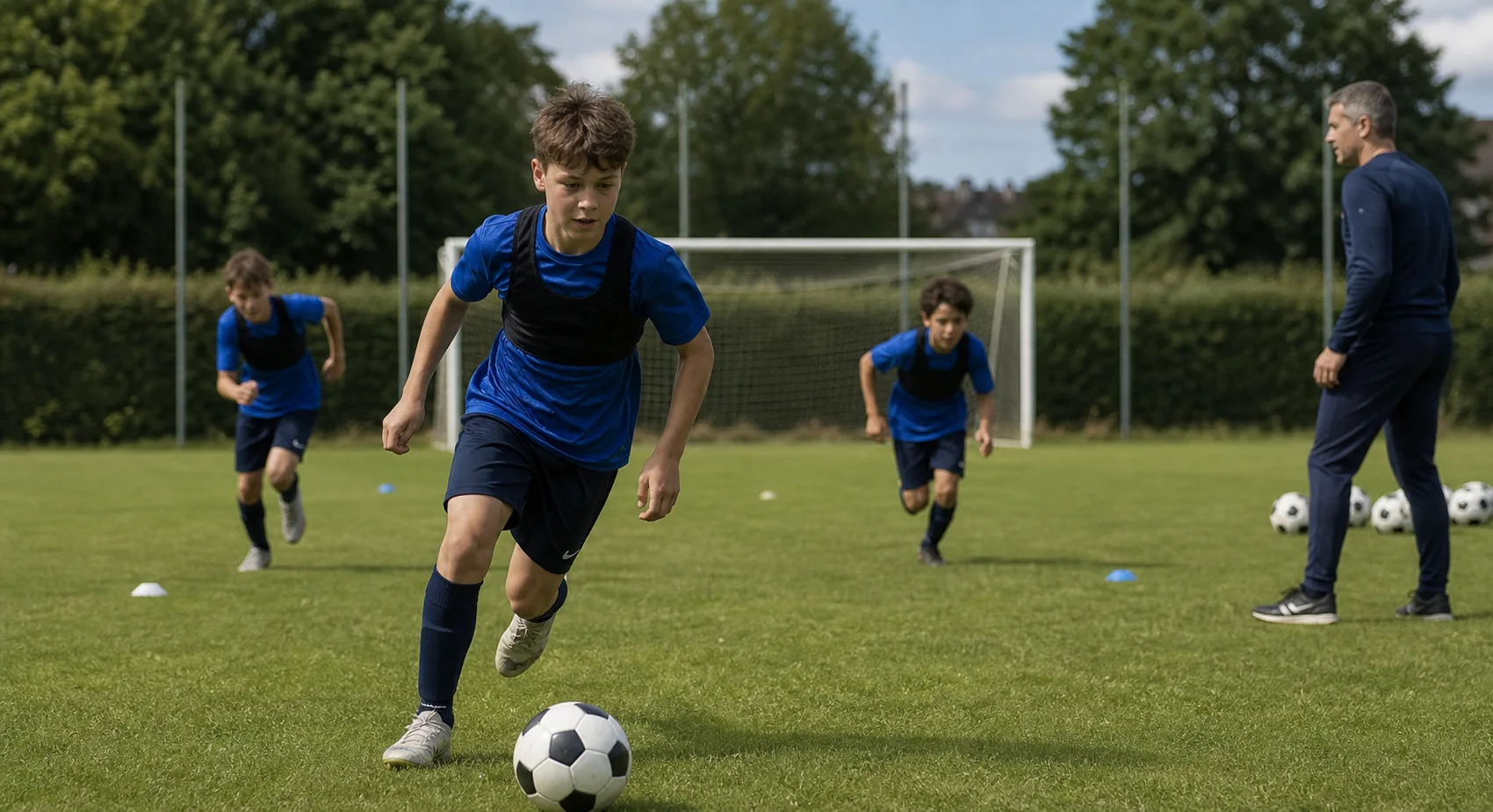
Making Wearables Useful in Grassroots Football explains how teams can turn wearable measurements into a defined operational decision while keeping collection honest and workable. It sets out practical checks for data quality, athlete communication, and context before any signal informs coaching or programme management.