AI & Analyticsdeep dive
Computer Vision in Sports: From Camera Feed to Defensible Decision
A practical guide to turning sports video into reviewable evidence, with attention to calibration, tracking, uncertainty, human oversight, rights and access.
Deep reporting on computer vision, tracking, modelling, officiating and the data systems that shape sporting decisions.
24 in-depth storiesA practical guide to turning sports video into reviewable evidence, with attention to calibration, tracking, uncertainty, human oversight, rights and access.
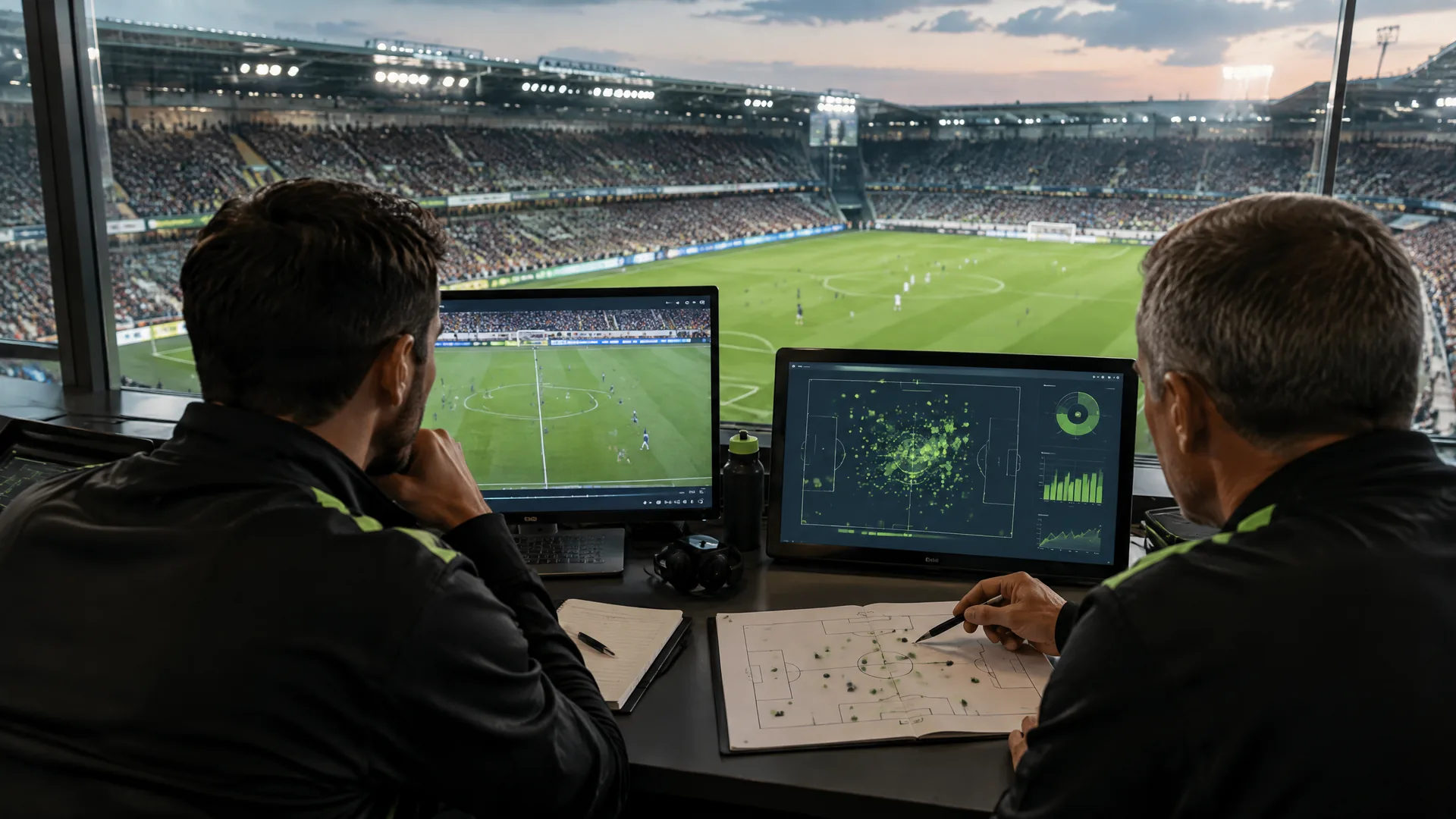
A practical framework for turning sports data into defensible coaching, scouting, operations and business decisions.
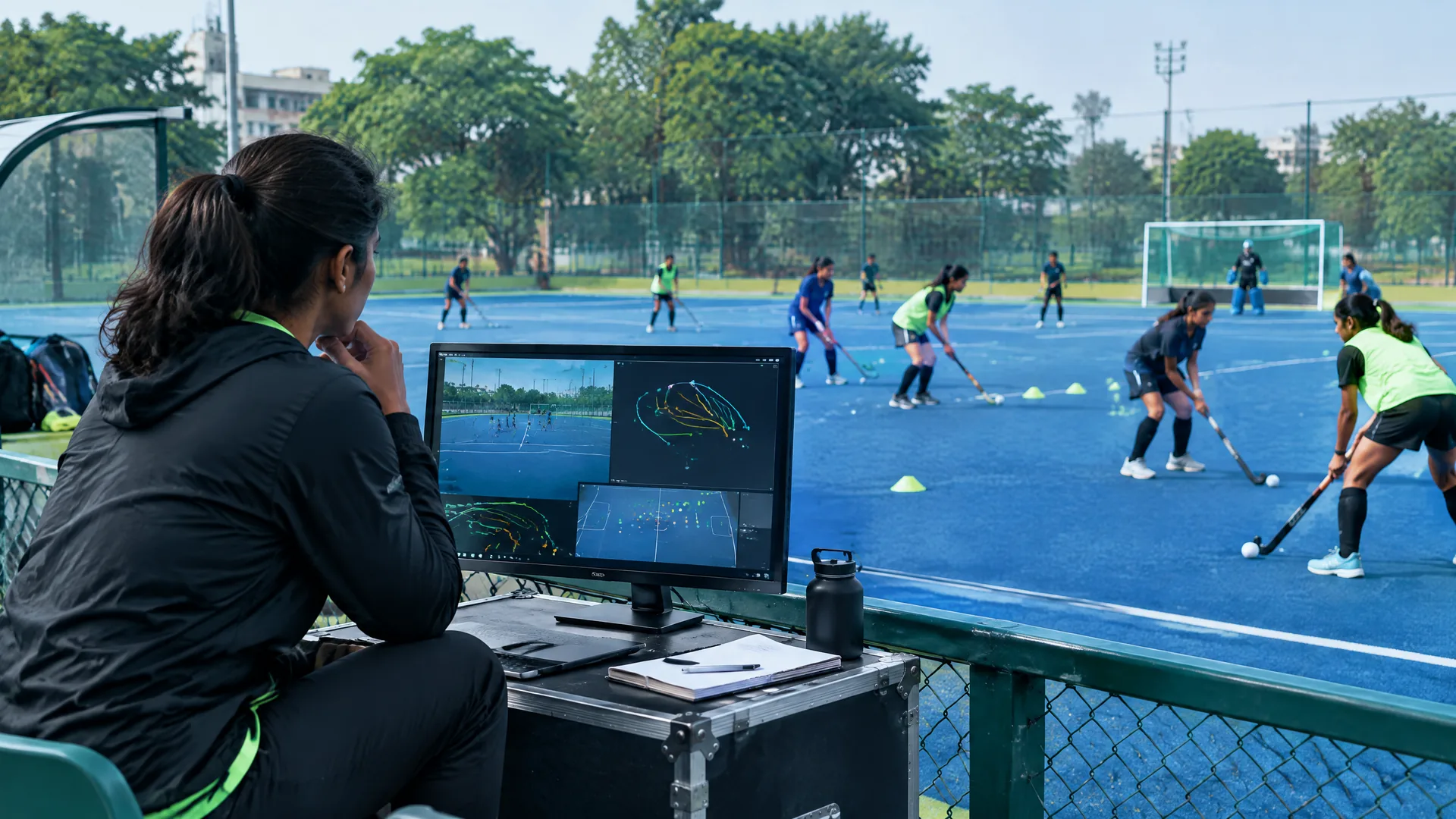
A practical guide to how AI turns sports data into patterns, where human judgement remains essential, and the safeguards that make use more responsible.

A practical look at camera calibration, confidence thresholds and the human decisions that remain after automation enters the stadium.
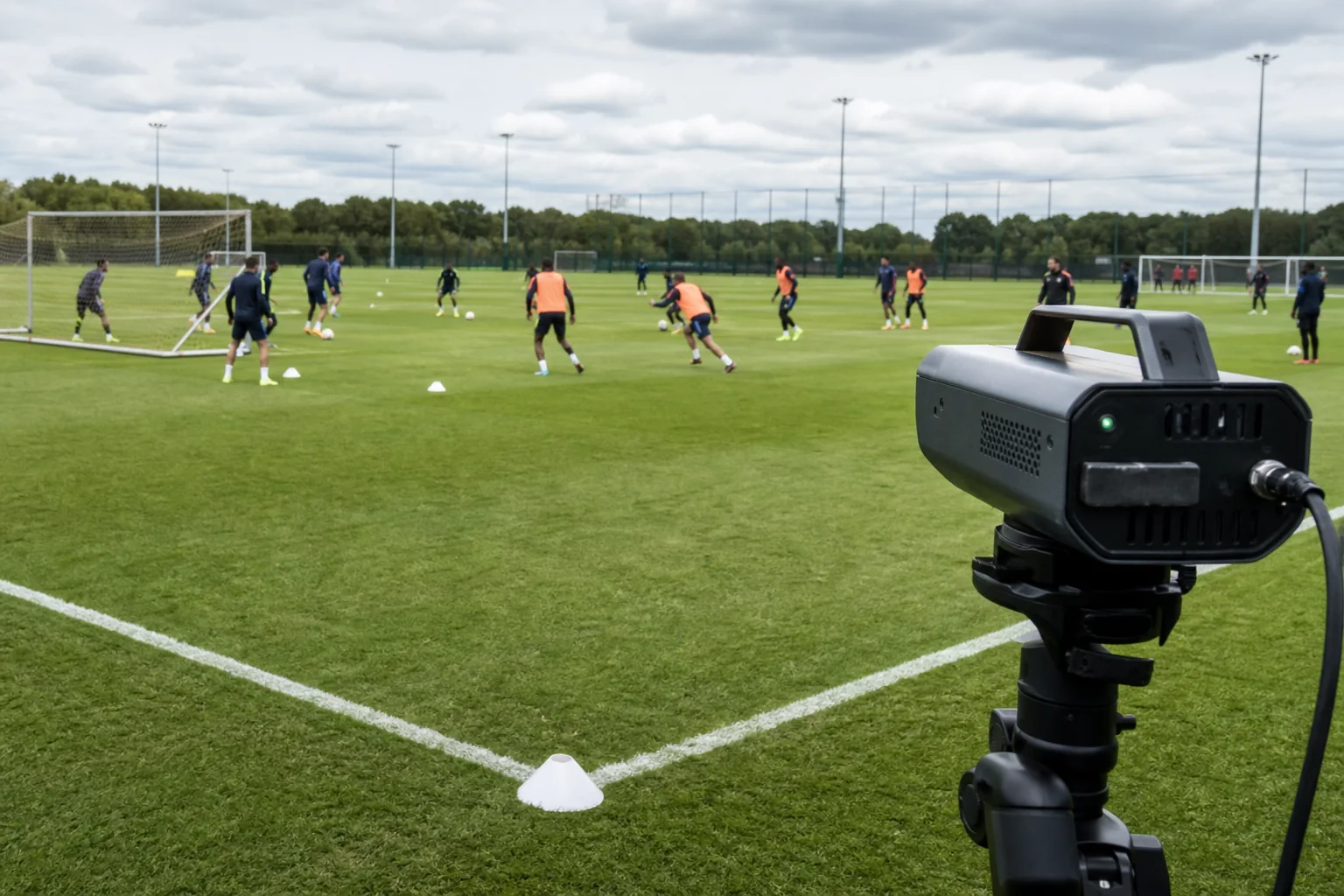
A camera feed becomes analytical only when its geometry is known and maintained. This guide turns calibration into an operating practice rather than a one-time installation task.

The hardest moment in player tracking is often the ordinary collision, screen, or line-of-sight loss. A resilient workflow makes uncertainty visible before it becomes a misleading workload or tactical conclusion.
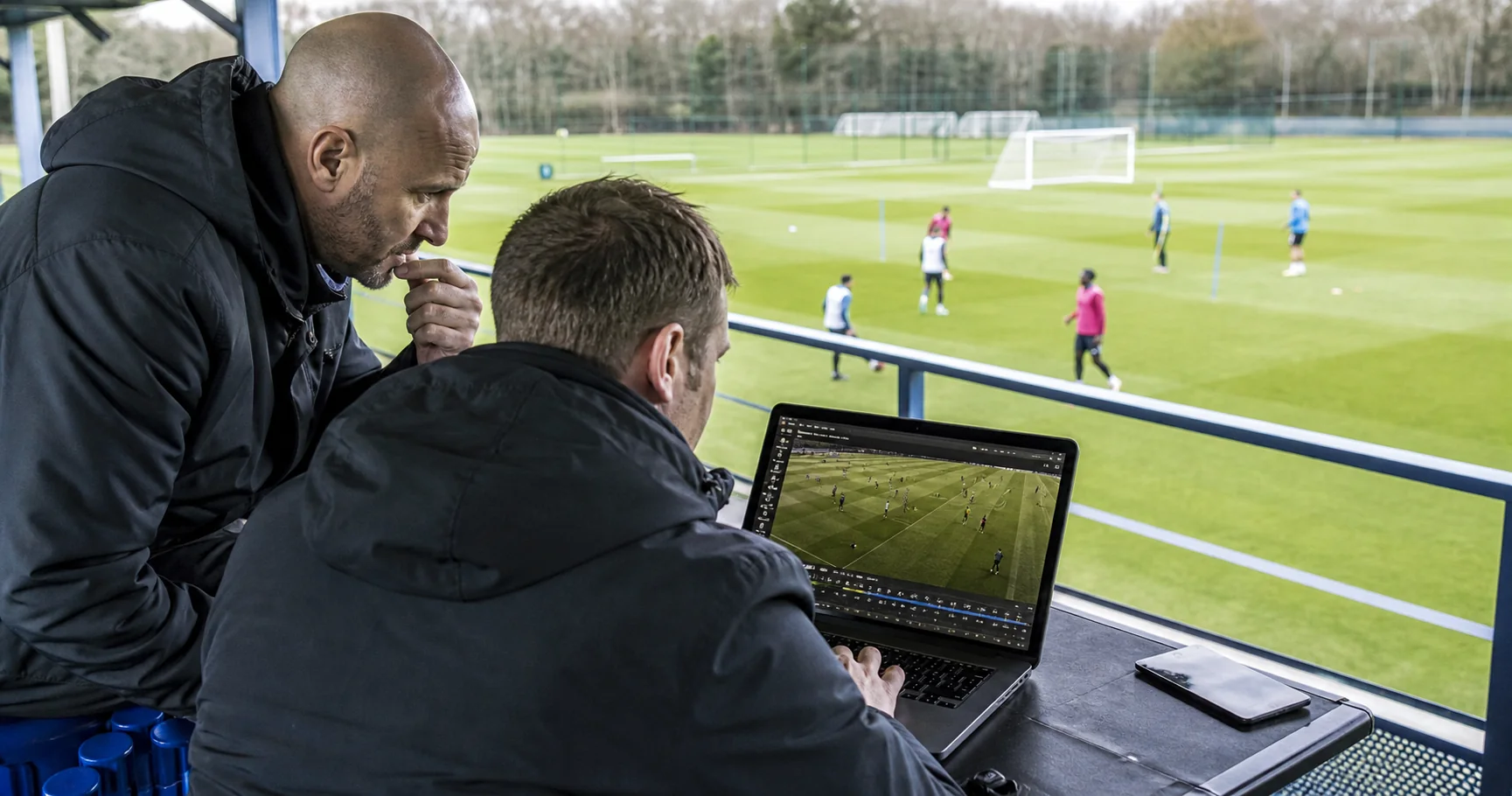
A useful sports model begins with a coaching decision, not a dashboard metric. This article explains how to define inputs, counterfactuals, and review rules for models built from event data.
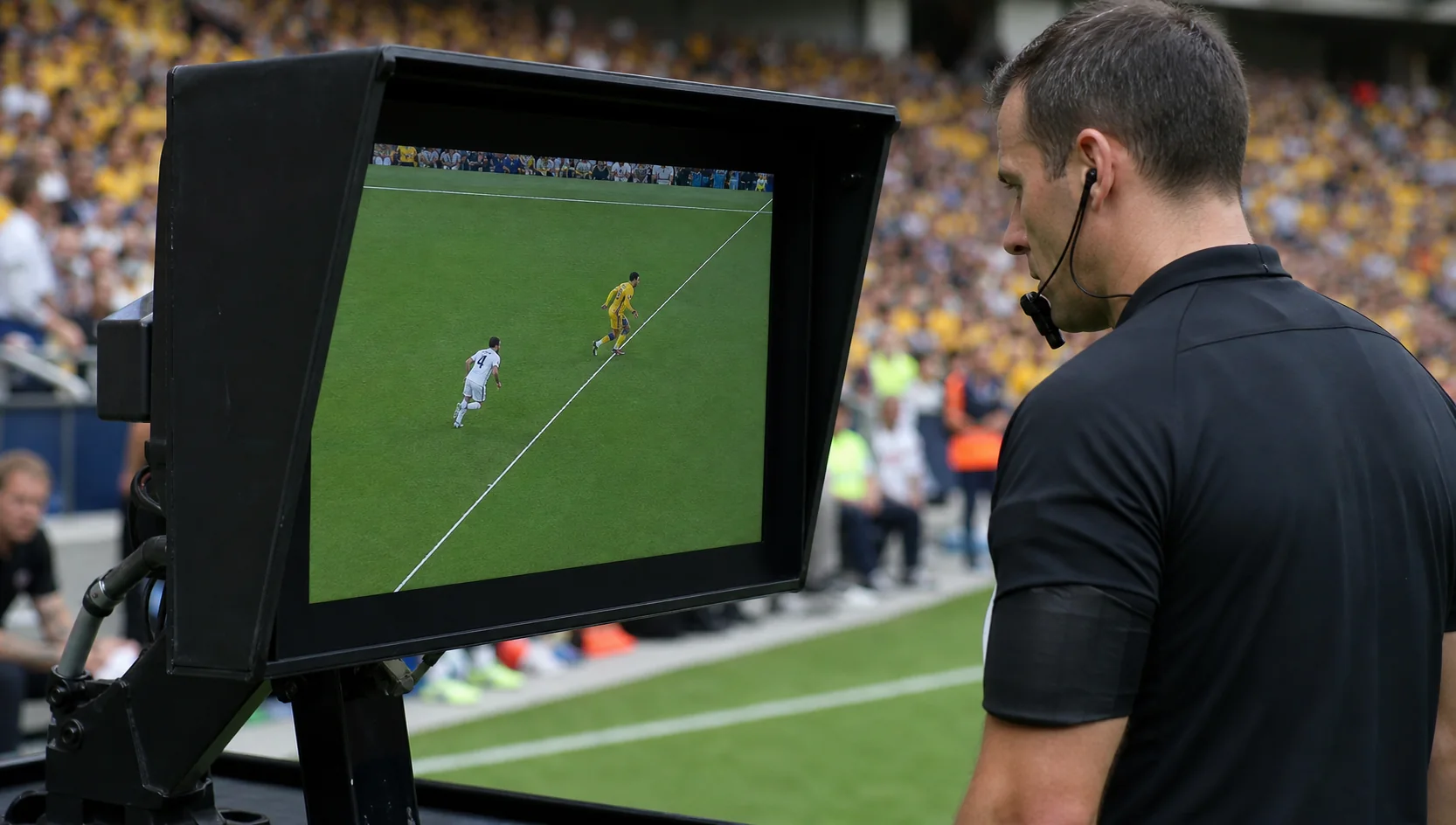
Offside assistance is a chain of measurements, interpretations, and communication—not a single automated answer. The most credible designs show officials what was measured, where uncertainty enters, and how a final decision is recorded.

A performance dataset fails quietly when its meaning changes mid-season. Data contracts make definitions, owners, tests, and downstream consequences explicit before reports are built.
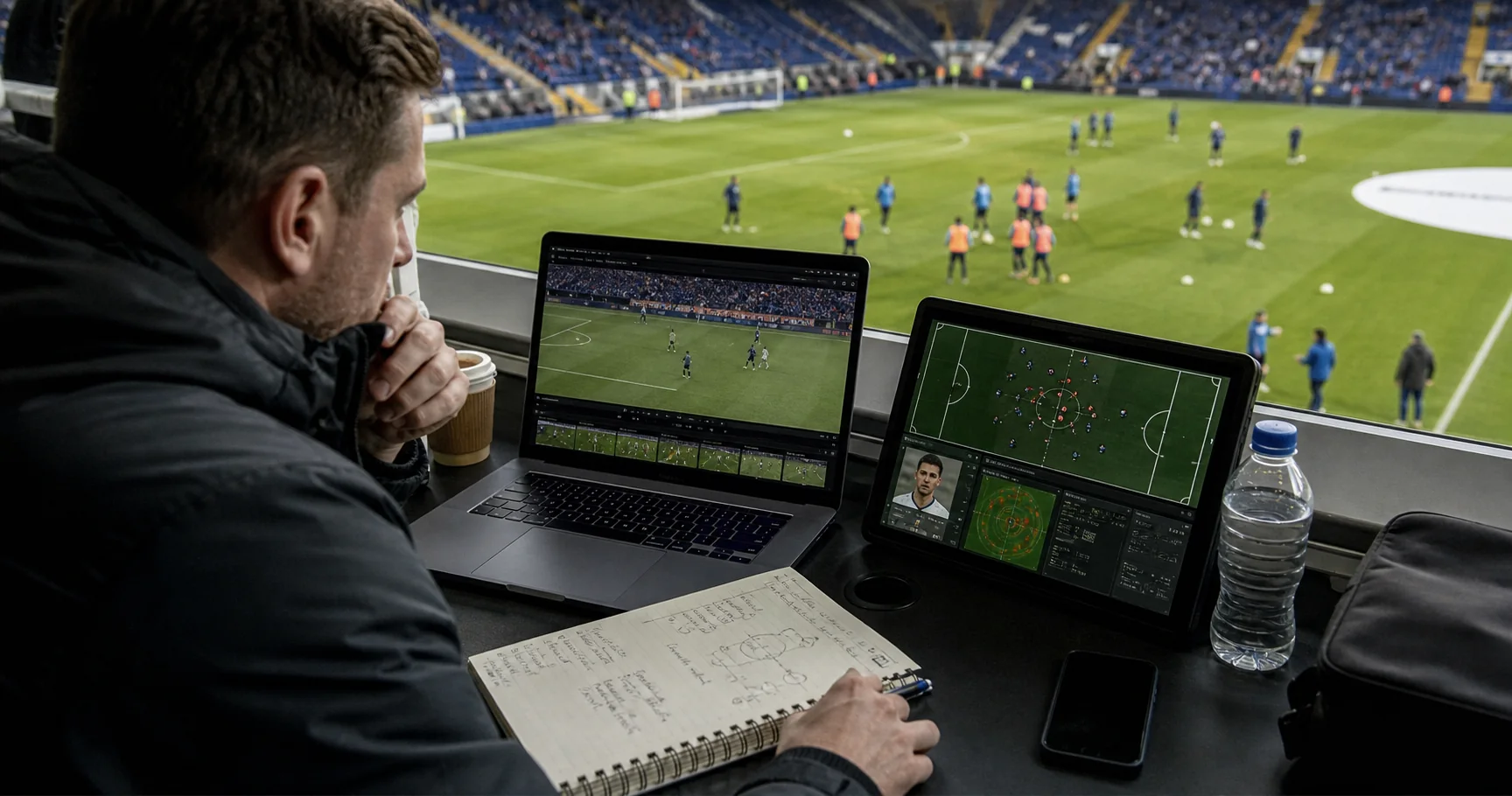
A scouting dossier should preserve the observations behind a recommendation and the conditions that may change it. This workflow combines video, structured notes, and modest analytics without turning uncertain projection into certainty.
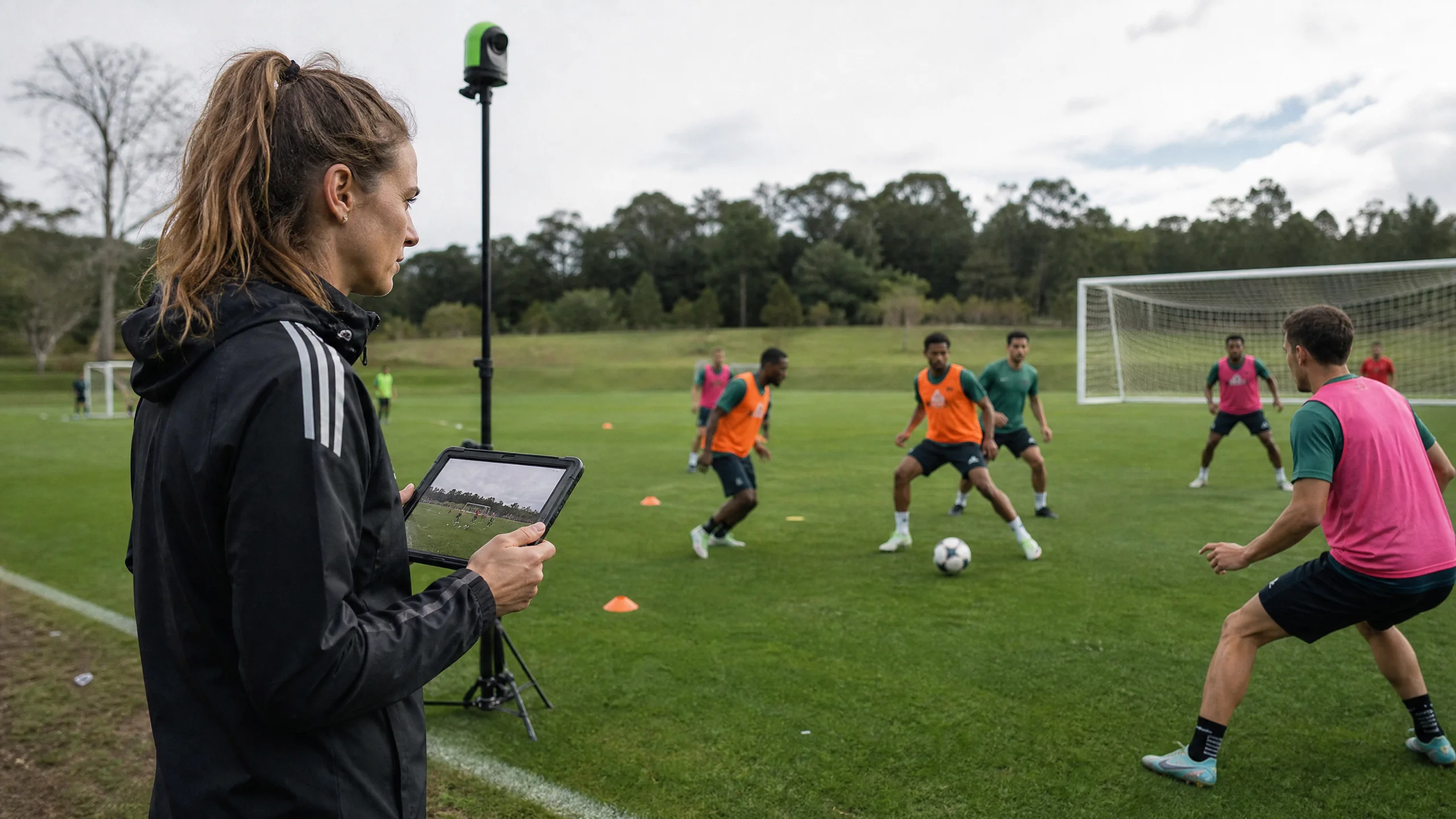
Video analysis loses value when the tagging scheme takes longer than the decision window. A deliberately small taxonomy and an exception queue can give coaches usable clips without pretending to capture every detail.
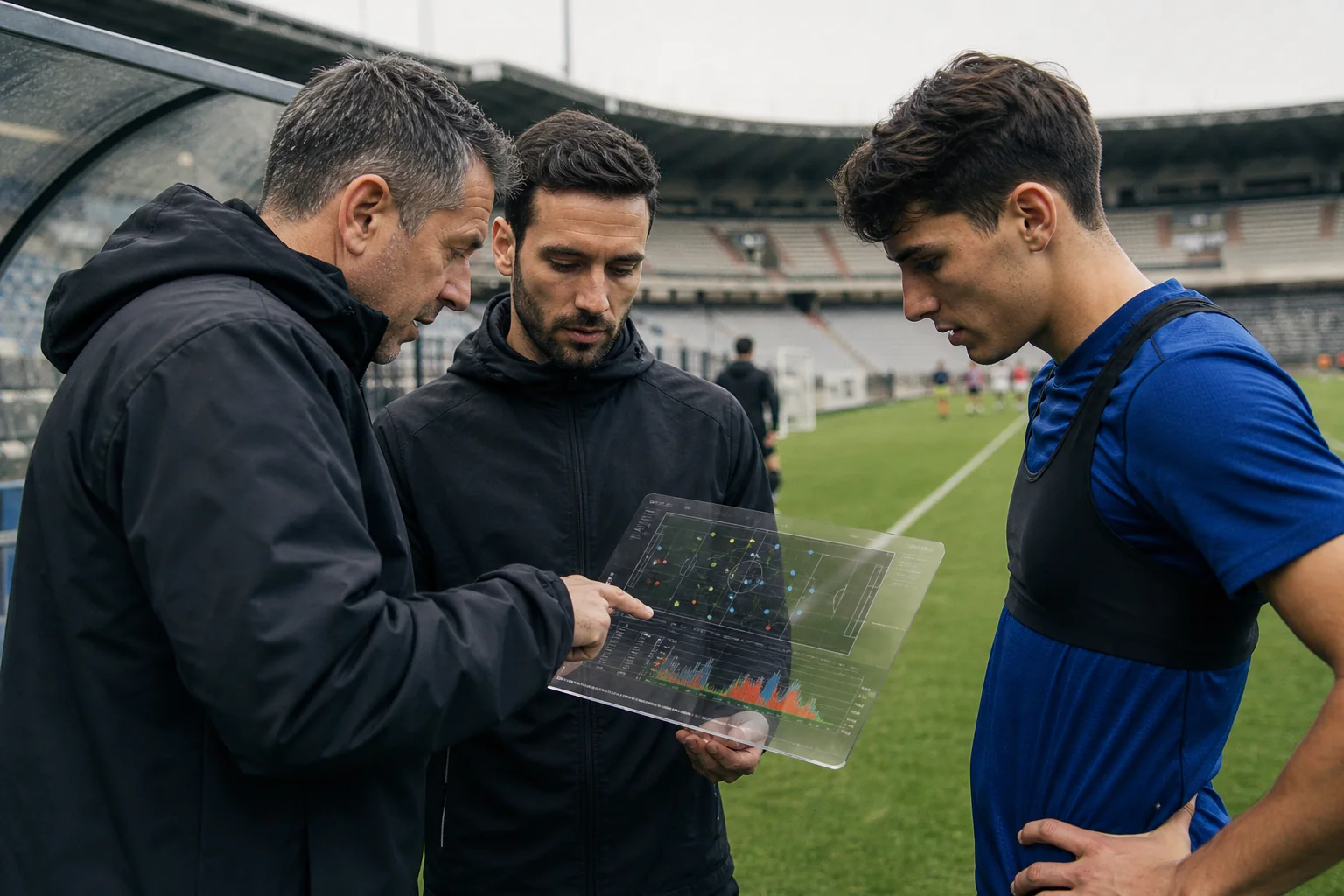
Responsible sports AI is a set of operating controls, not a promise that a model is neutral. Teams can make tools safer by limiting decisions, documenting uncertainty, and giving accountable people a meaningful way to challenge outputs.
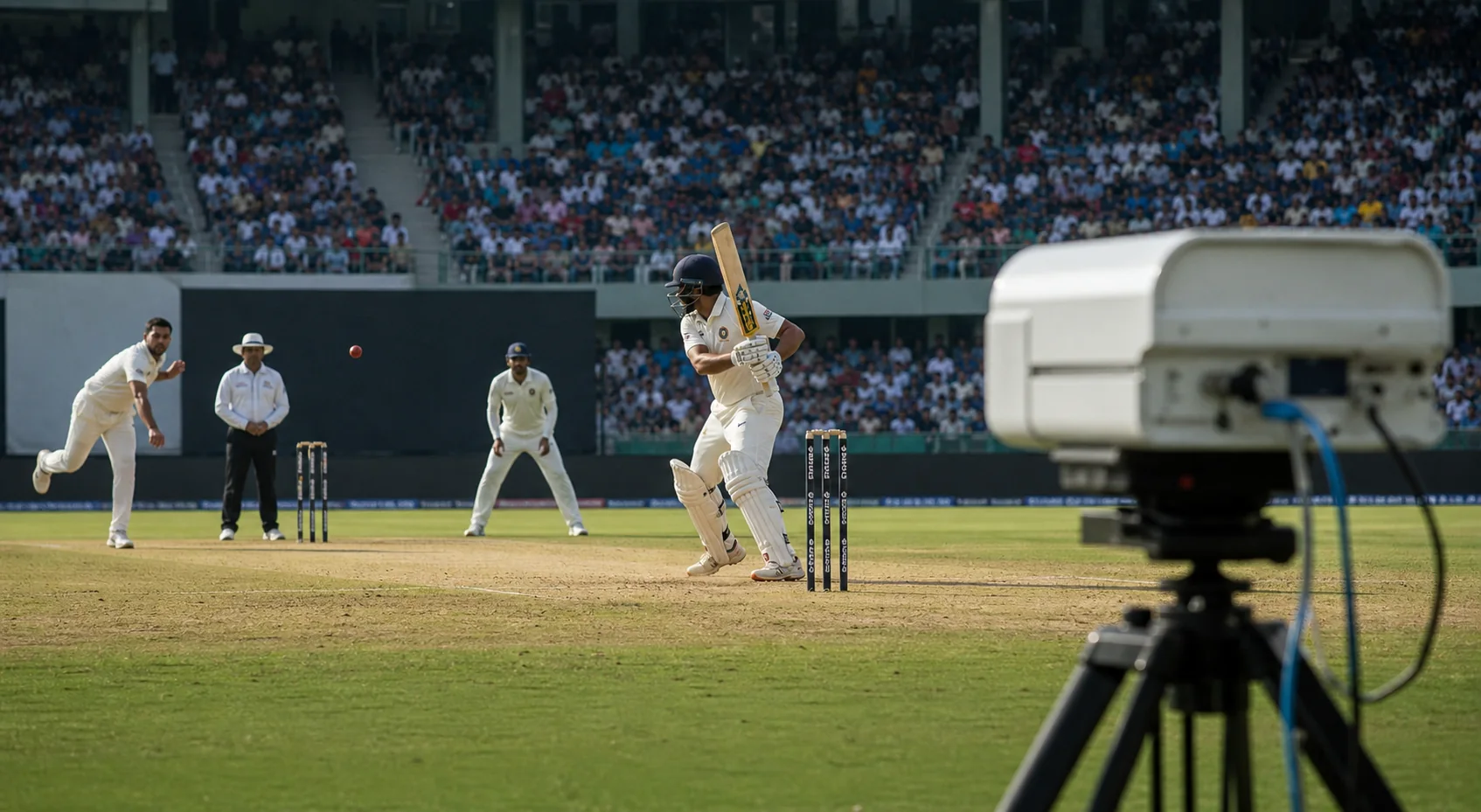
Computer vision at a cricket ground must cope with changing light, temporary layouts, and a wide range of operating conditions. A site-first design can still produce useful review material without assuming a broadcast-style setup.
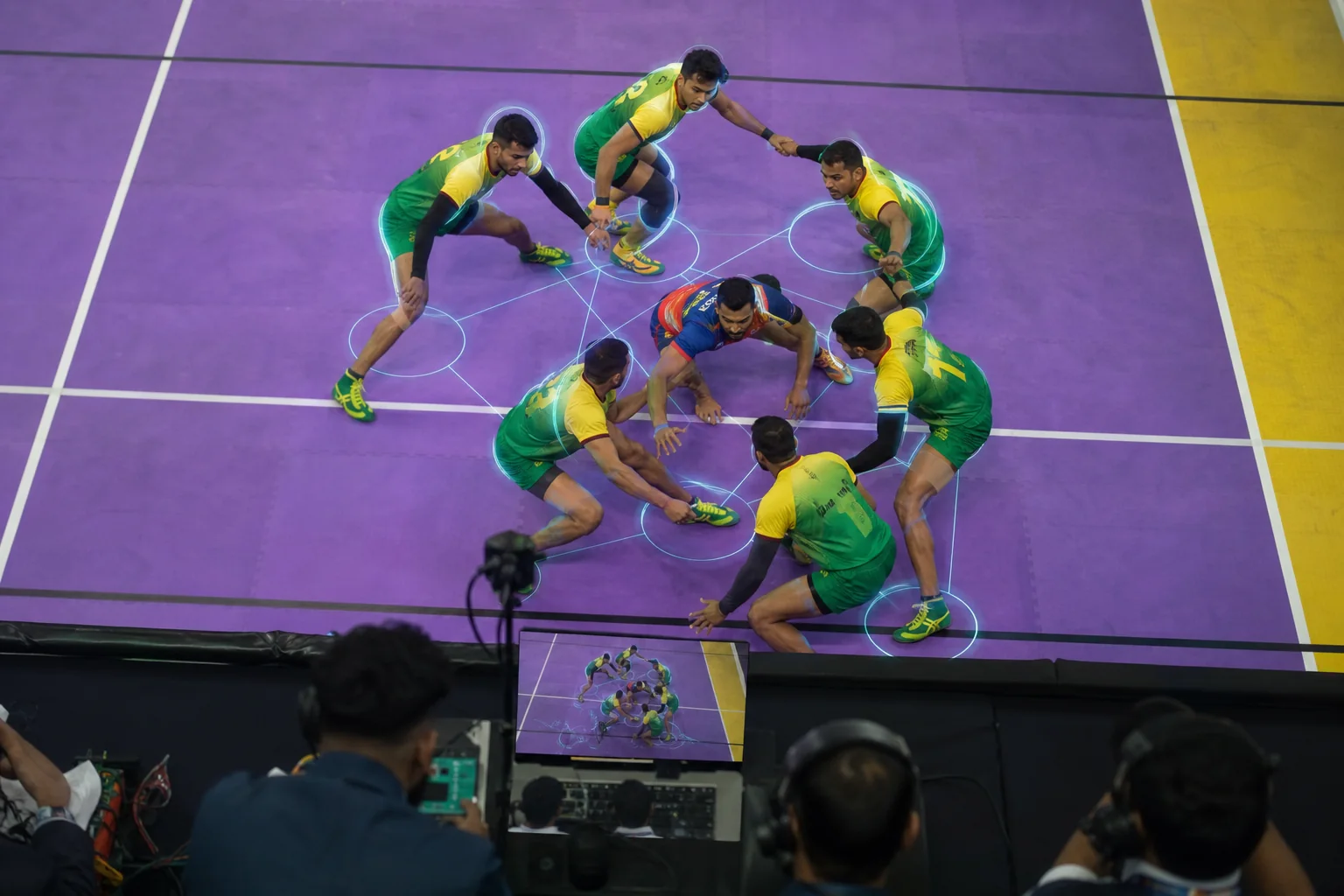
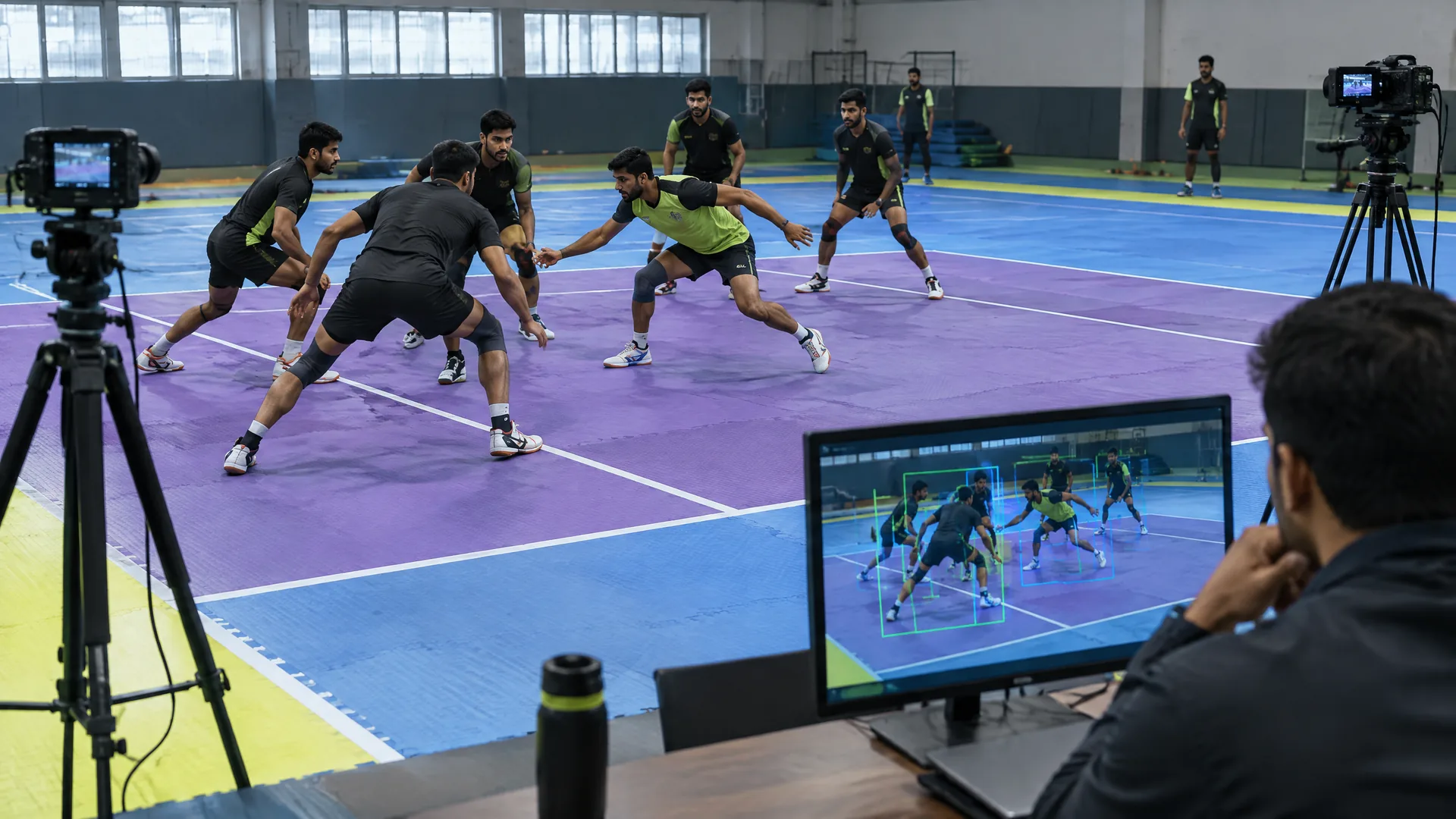
Kabaddi makes optical tracking confront rapid contact, compressed space, and frequent occlusion. The right design focuses on confidence-aware sequences and reviewable phases rather than a brittle promise of continuous certainty.
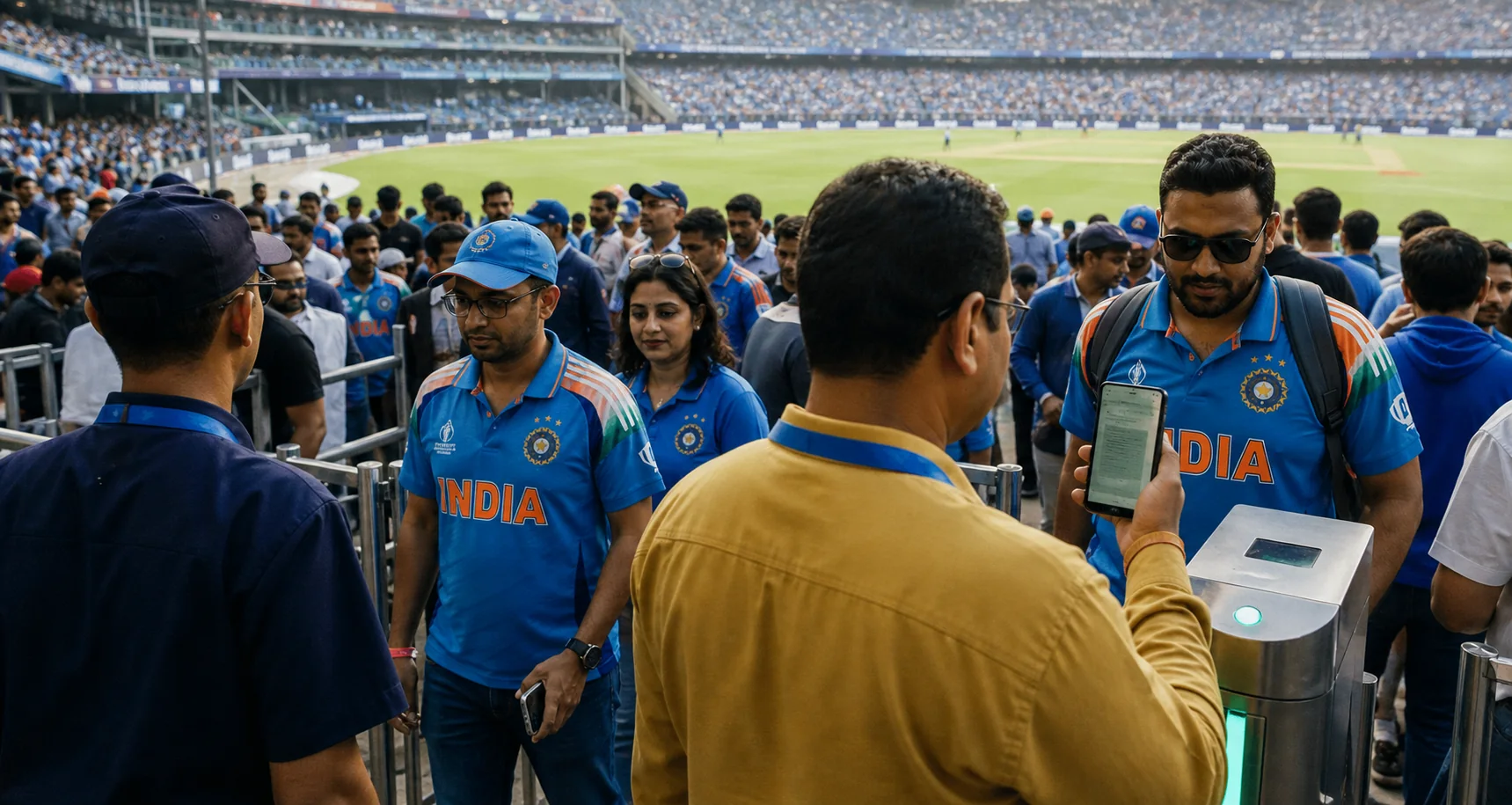
Venue analytics can improve queues and egress only when it is designed around aggregate movement and clear limits on surveillance. This field guide covers practical measurement, operational handoffs, and consent-aware safeguards.
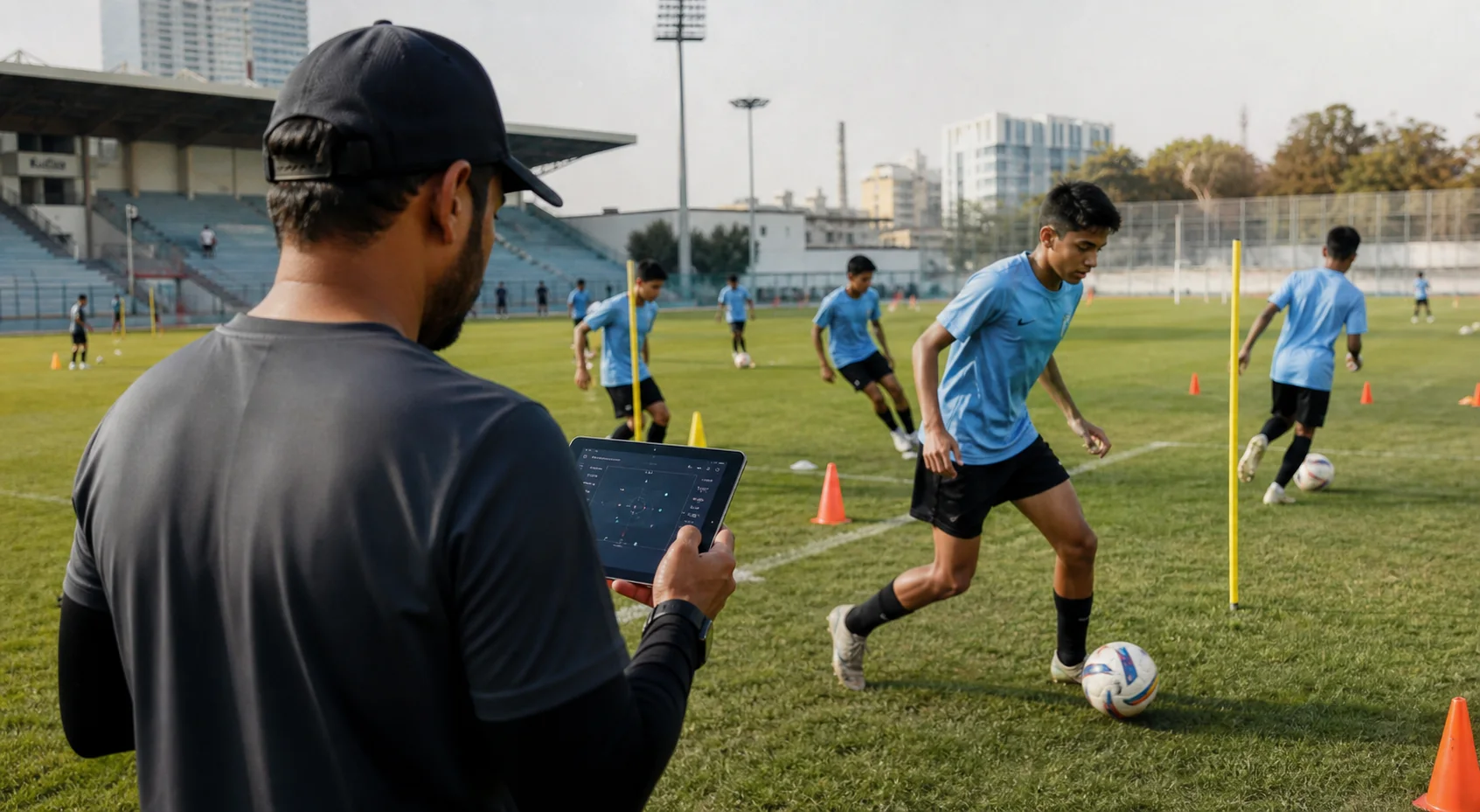
An academy does not need a large platform to develop sound data habits. Shared definitions, parent-aware permissions, and simple review routines can create a trustworthy base for long-term performance work.
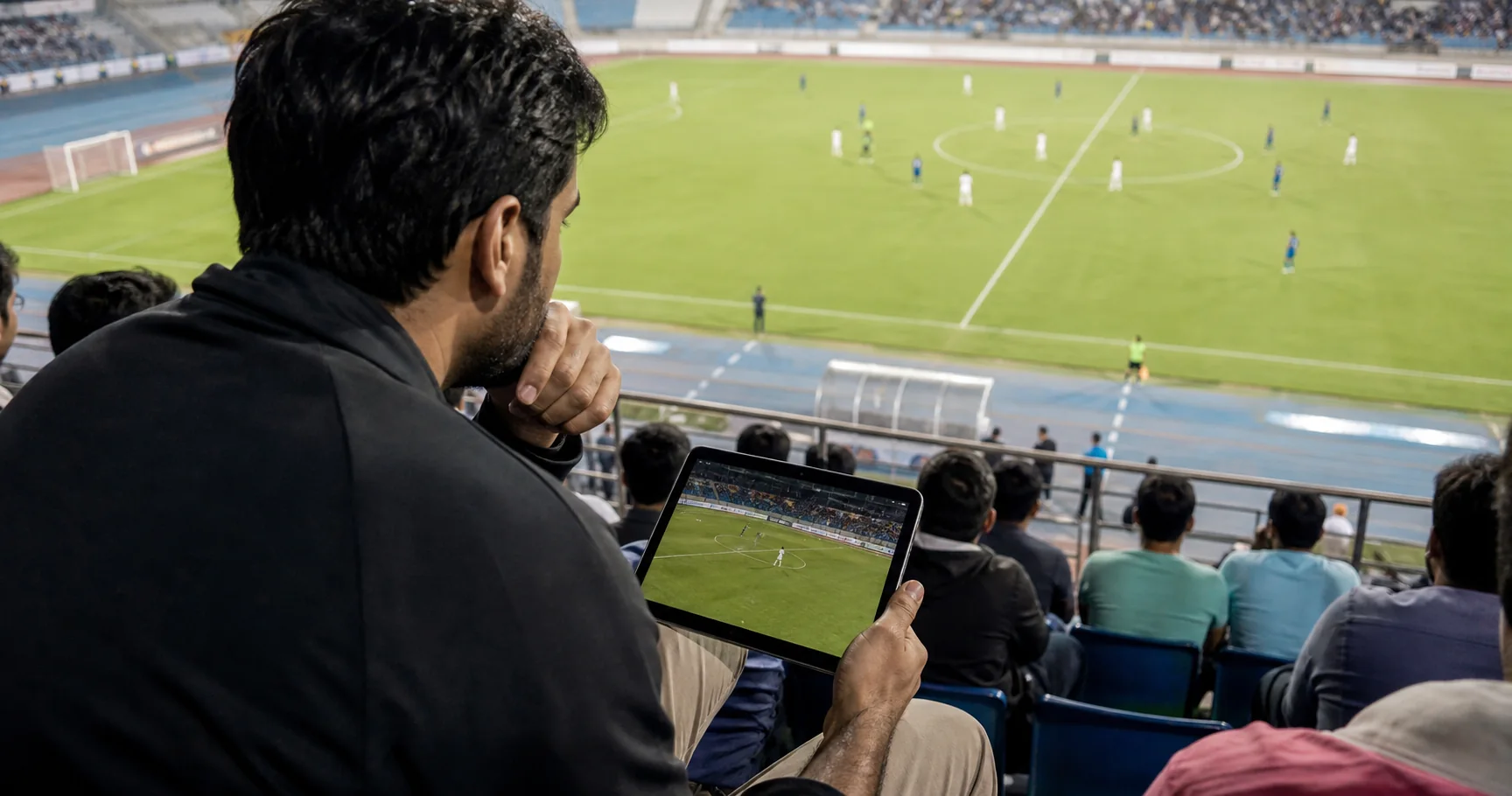
A player observed in one competition context can look different when the pitch, travel, opposition, and tactical instruction change. A context ledger helps scouts compare evidence fairly without claiming more certainty than the sample supports.
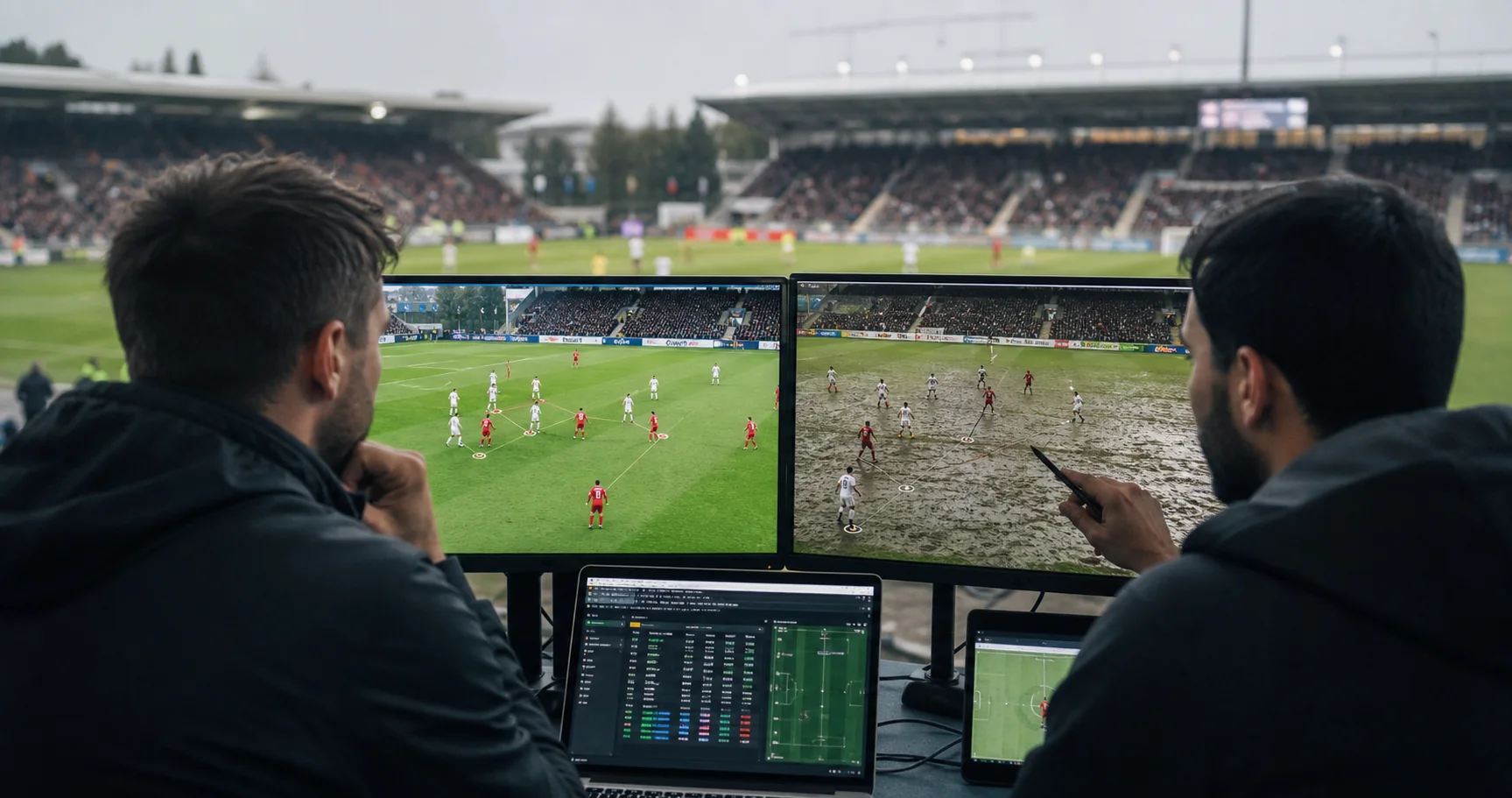
A model can remain technically available while its inputs, tactics, or competition environment have moved on. Drift monitoring connects those changes to a practical decision: recalibrate, restrict, retrain, or pause.
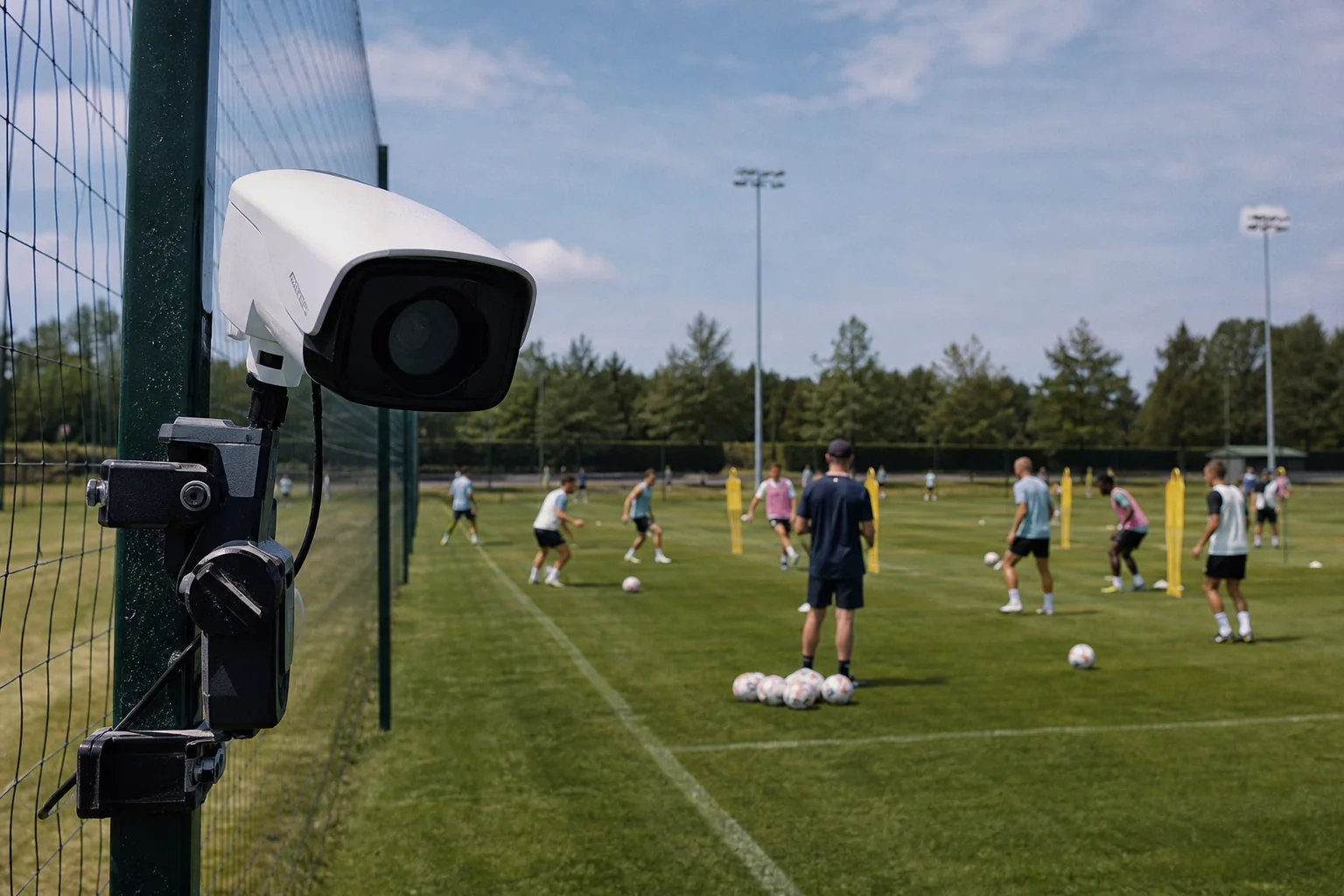
Processing video near the capture point can reduce upload friction, but it introduces choices about storage, failure recovery, and access. This article maps a practical pipeline from camera health check to a coach-ready review package.
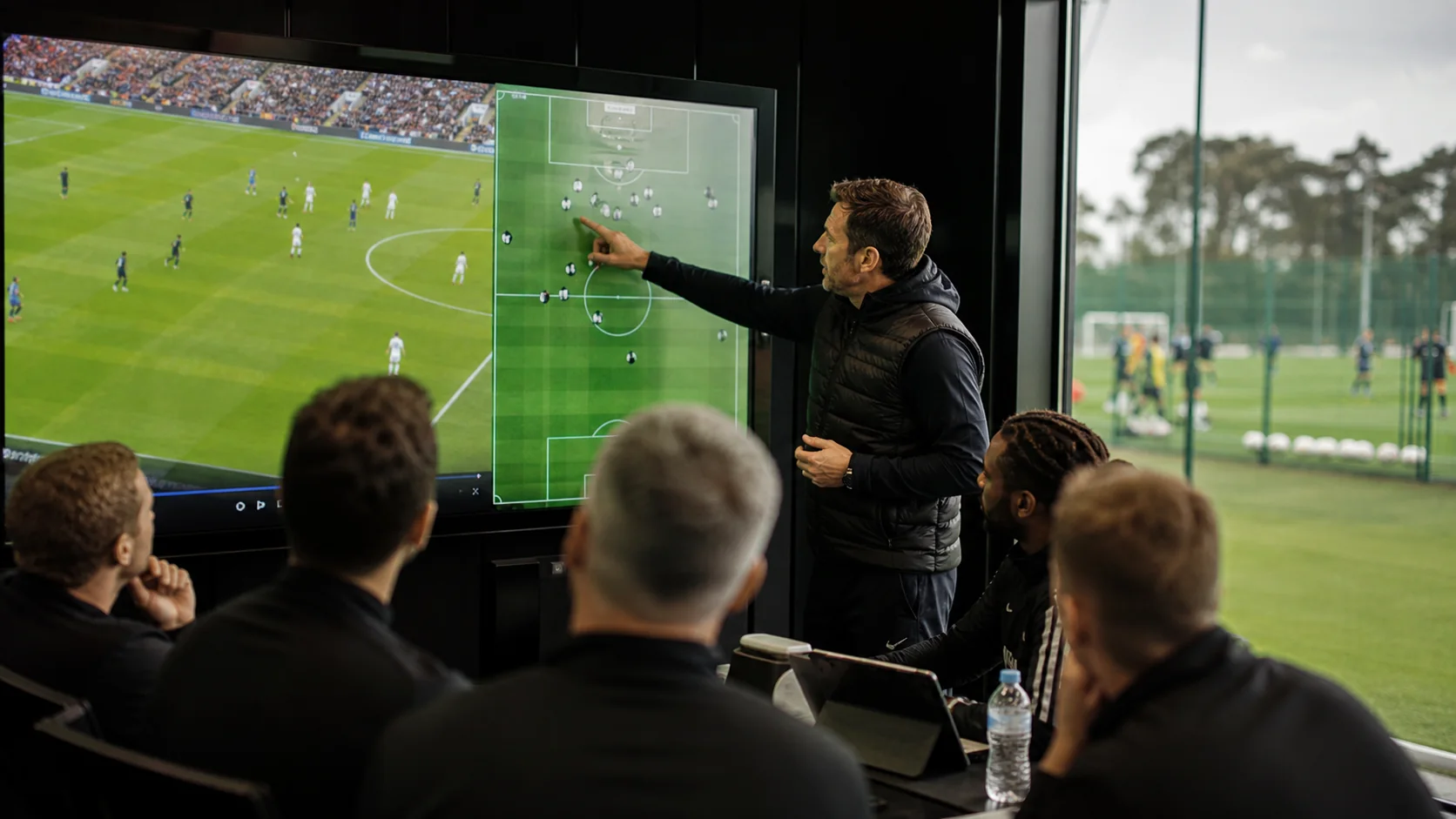
An explainable output is not a colorful score decomposition. A decision brief must show the question, evidence, uncertainty, and action options in language that fits a real coaching meeting.
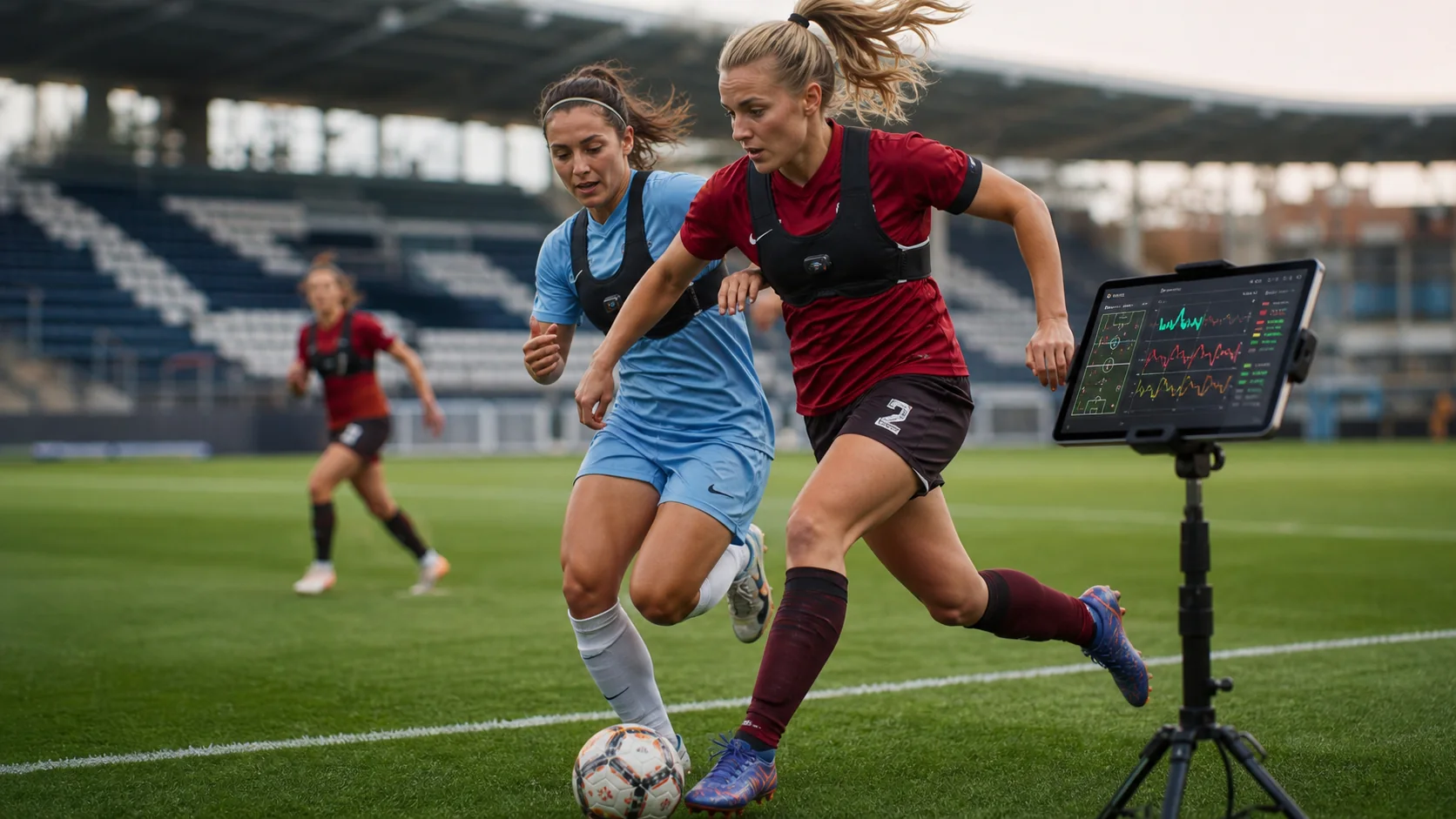
Analytical tools become less useful when their assumptions are inherited from different populations, competitions, or recording practices. Representation work means checking coverage, definitions, and feedback loops before exporting a model or benchmark.
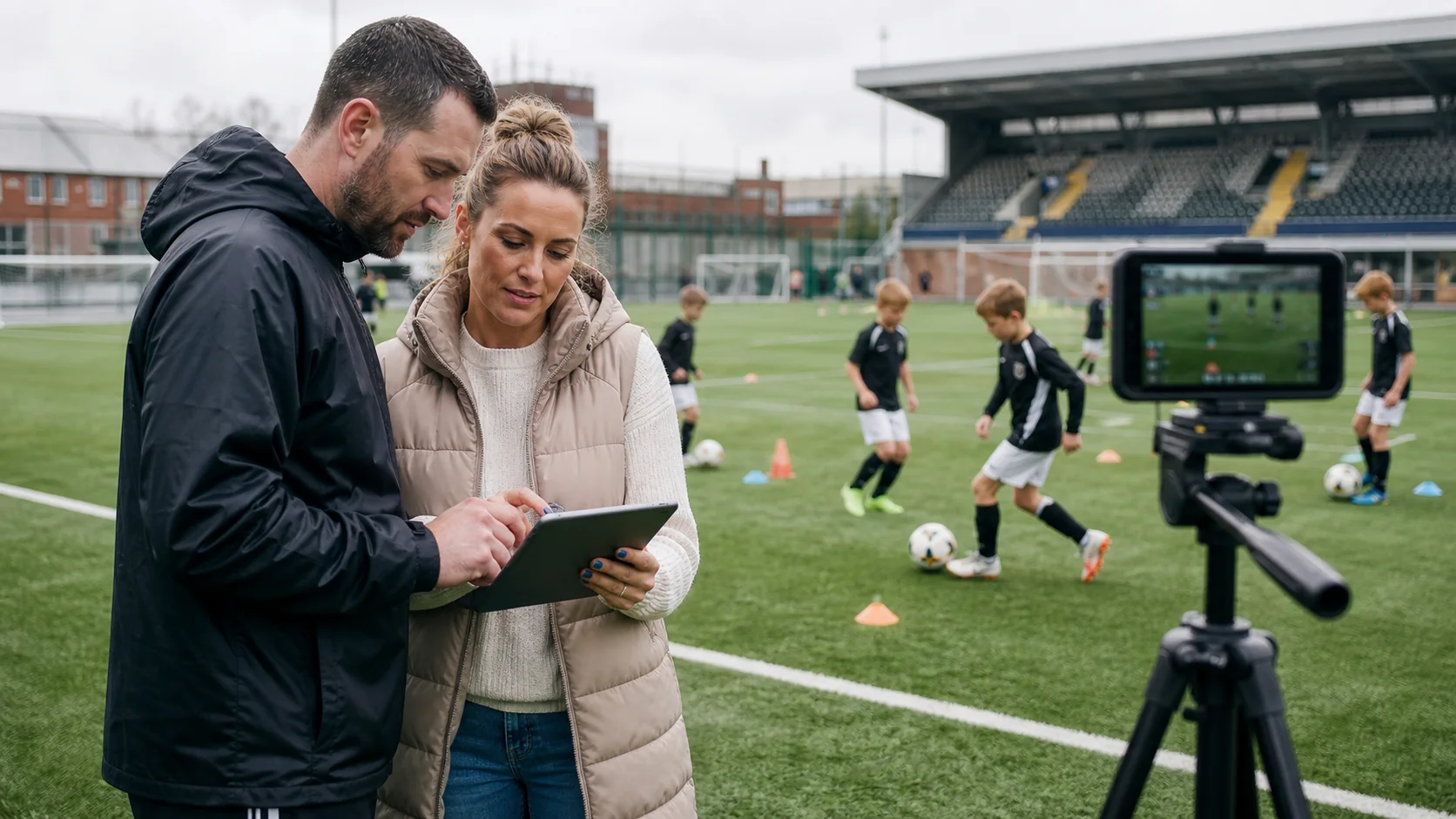
Youth video analysis needs clear boundaries because footage can be useful for learning while still creating long-lived privacy and power concerns. A good programme makes permissions understandable, access narrow, and review practices age-appropriate.

Combining video, location feeds, and event logs can enrich analysis, but only if clocks, coordinates, and confidence are reconciled. The goal is a trustworthy joint view, not the appearance of a perfectly measured athlete.
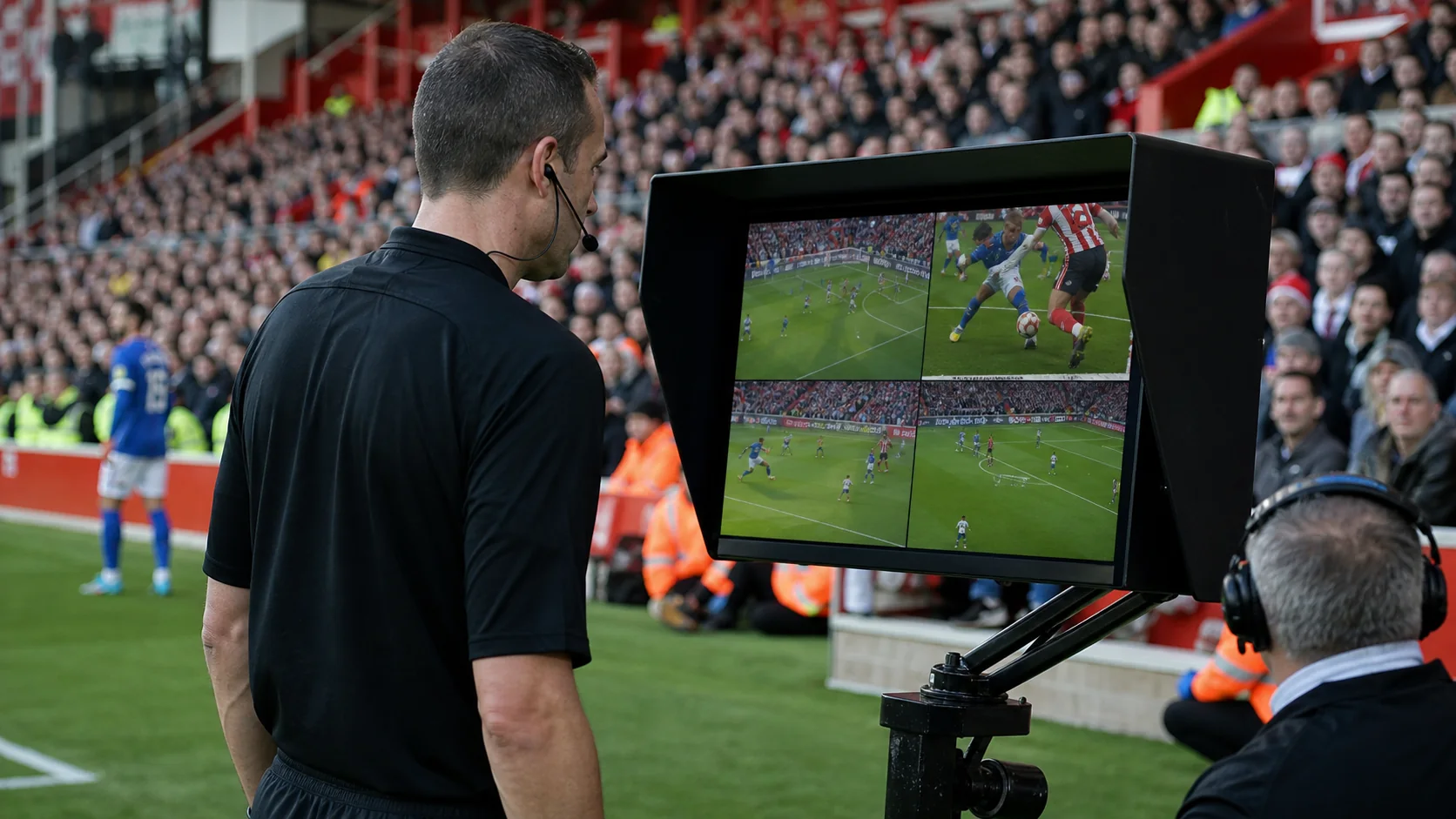
A replay system earns trust when its operators can show what was viewed, what was available, and why a decision path was chosen. Auditability should be designed into the incident workflow before the first contentious call.