Which training technology has Kohli actually described?
If you search for “Virat Kohli training technology,” you may find a long list of smart bands, AI coaches and private dashboards. Most of those claims don't tell you when he used the tool—or whether he used it at all. There is one clear, dated account: during the 2019 Cricket World Cup, Kohli said India’s players had worn GPS trackers and that the information helped the team’s physios and trainers judge workload and decide when to rest. That is a story about people making training decisions with movement data. It is not a verified inventory of Kohli’s equipment in 2026.
This guide looks closely at what he said, what a wearable tracker can contribute, and what a fan still cannot know from public evidence. For the wider system, read our athlete performance tracking guide.
What happened in India’s 2019 World Cup campaign?
In a 9 July 2019 IANS report carried by Gulf News, Kohli spoke before India’s semi-final against New Zealand. He described short turnarounds between travel and matches and said the GPS trackers the players had been wearing helped physios and trainers track workload. The practical consequence, in his account, was deciding who could skip an optional practice session and arrive fresher for match day. Mid-Day’s report from the same period described a base-layer vest with a pocket for the device.
Notice the decision being made. A player was not automatically pronounced fit by a gadget. The staff considered training and match demands, the schedule and how someone felt. A rest day can matter as much as another net session when a squad is travelling. The evidence supports Kohli’s historical team-use account; it does not disclose his individual tracker logs or a secret scoring algorithm. If you want the underlying concepts, our guide to turning GPS tracks into training decisions separates the measurement from the coach’s judgement.
What can a cricket GPS vest measure—and what can’t it?
An outdoor athlete-monitoring unit can record movement over time. A coaching staff may examine running distance, higher-speed efforts and repeated movement demands to put a practice in context. What the device measures depends on its sensors, sampling and placement. A GPS trace does not read a batter’s intent, diagnose fatigue, grade a cover drive or predict the next century. A training report still needs context: Was it a light nets day or a long fielding session? Was the player returning from travel? Did the recording miss indoor work?
Catapult’s November 2023 World Cup article said India was among teams working with the company; it also described what monitoring vests can do for cricket teams generally. It did not identify Kohli personally as a Catapult wearer. We cannot take a team-level vendor claim and turn it into his private device history. The wearable technology in sports guide explains the difference between movement data, physiological signals and inference.
How does a workload report change a training day?
Picture a team two days from a match after a travel day. The trainer can compare recent outdoor movement with the planned session and ask whether extra running work would provide useful preparation or simply add demand. The physio can consider medical context; a batter can report how he feels. A coach can still choose a short skill session or rest. That is an illustrative workflow—not Kohli’s actual personal log or a description of any undisclosed 2026 session.
The 2019 quote is valuable because it connects the tracking to a decision a fan can understand: sometimes the best preparation is not another hour of practice. It also has a limit. Kohli’s account reflects that team and tournament; it is not a controlled study proving GPS trackers kept the squad injury-free. The Cricket Association of Bengal GPS-vest report describes a separate documented deployment and must not be mistaken for Kohli’s programme.
Does he use a smart band, AI app or video-analysis platform now?
We could not verify a current Kohli-owned wearable brand, personal training app, AI coach or dashboard from the sources reviewed for this article. A promotional post, photograph of a wristband or fan-made statistical dashboard would not establish how he trains. Even the fact that the Indian team used Catapult in a 2023 tournament does not prove that Kohli personally wore a particular model. The publicly documented 2019 GPS account and later team-level information answer different questions.
There is also a distinction between a fan analysing match footage and a player using a specific video-analysis product. Public footage can show a practice action; it cannot expose the coach’s private review process. Our AI video analysis guide explains what video can and cannot show without assigning such a system to Kohli.
What can a young cricketer learn from the example?
The transferable lesson is the question the staff asked, not the prestige of a wearable: What decision will this measurement change? If you are choosing between an extra hard session and rest after a demanding week, record the schedule honestly and speak to a qualified coach or clinician when health is involved. Don’t buy a sensor because you think a star player uses one, and don’t treat a single metric as medical advice. A simple practice log can reveal whether you are repeating the same workload without a clear purpose.
The same caution applies to batting analytics. A clip or score can help frame a question about timing or shot selection. It does not tell you why a person missed a ball without the bowler, pitch and match situation. For a different documented use of cricket footage and filtered tactical data, read our Rohit Sharma analytics explainer.
Sources, dates and what remains unknown
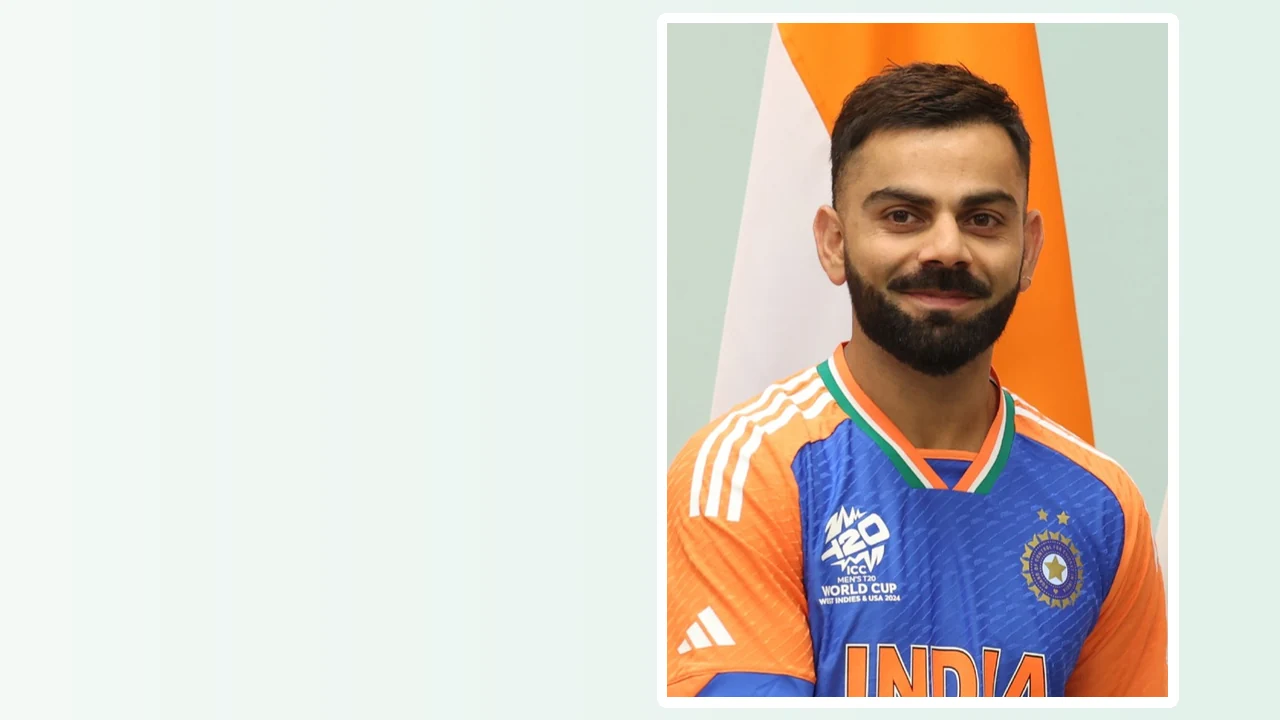
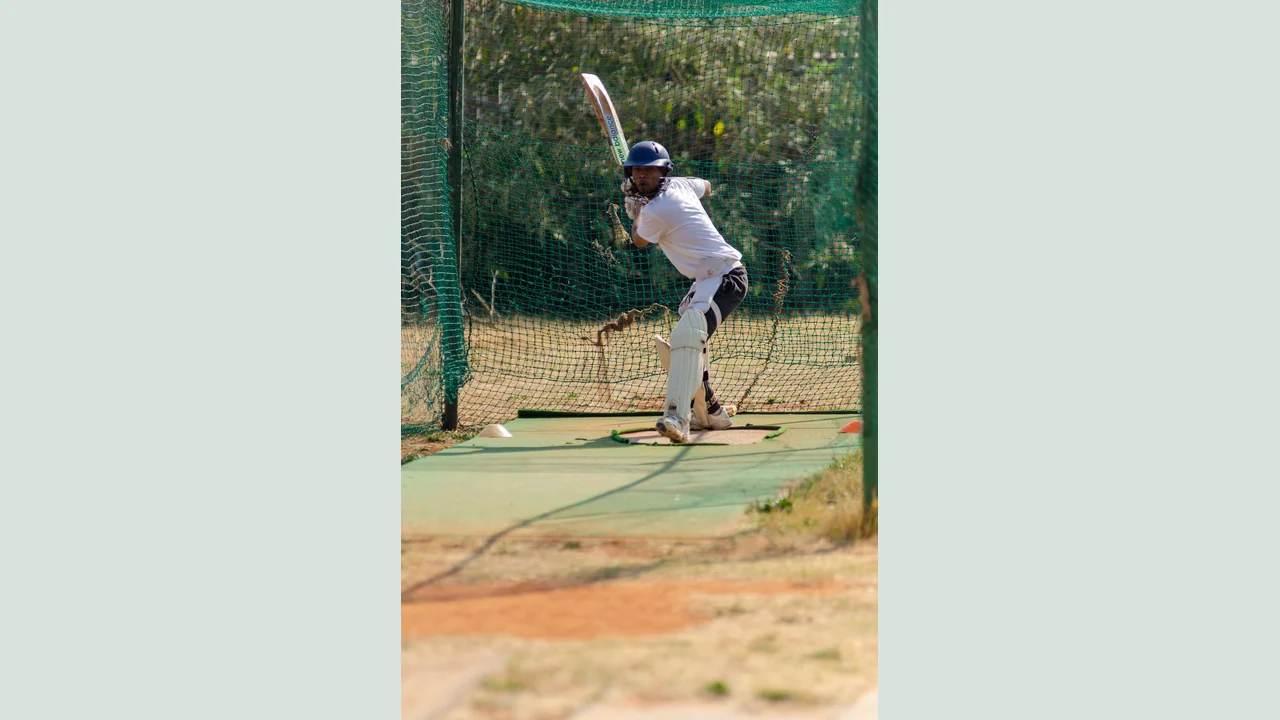
The 2019 account comes from Kohli’s quoted comments in the 9 July IANS/Gulf News report, with contemporary vest description in Mid-Day. Catapult’s 14 November 2023 statement concerns teams, not a verified Kohli-specific device. We checked these sources on 5 October 2026. They do not provide current personal training equipment, a named 2026 AI app, GPS outputs, a published individual workload plan or proof of improved fitness. The cover is a licensed photograph of another cricketer practising in nets, not Kohli or his GPS equipment. A separately credited, genuine Kohli portrait was taken at a government reception on 4 July 2024; it is not evidence of his training or a product endorsement.