Smart Venuesdeep dive
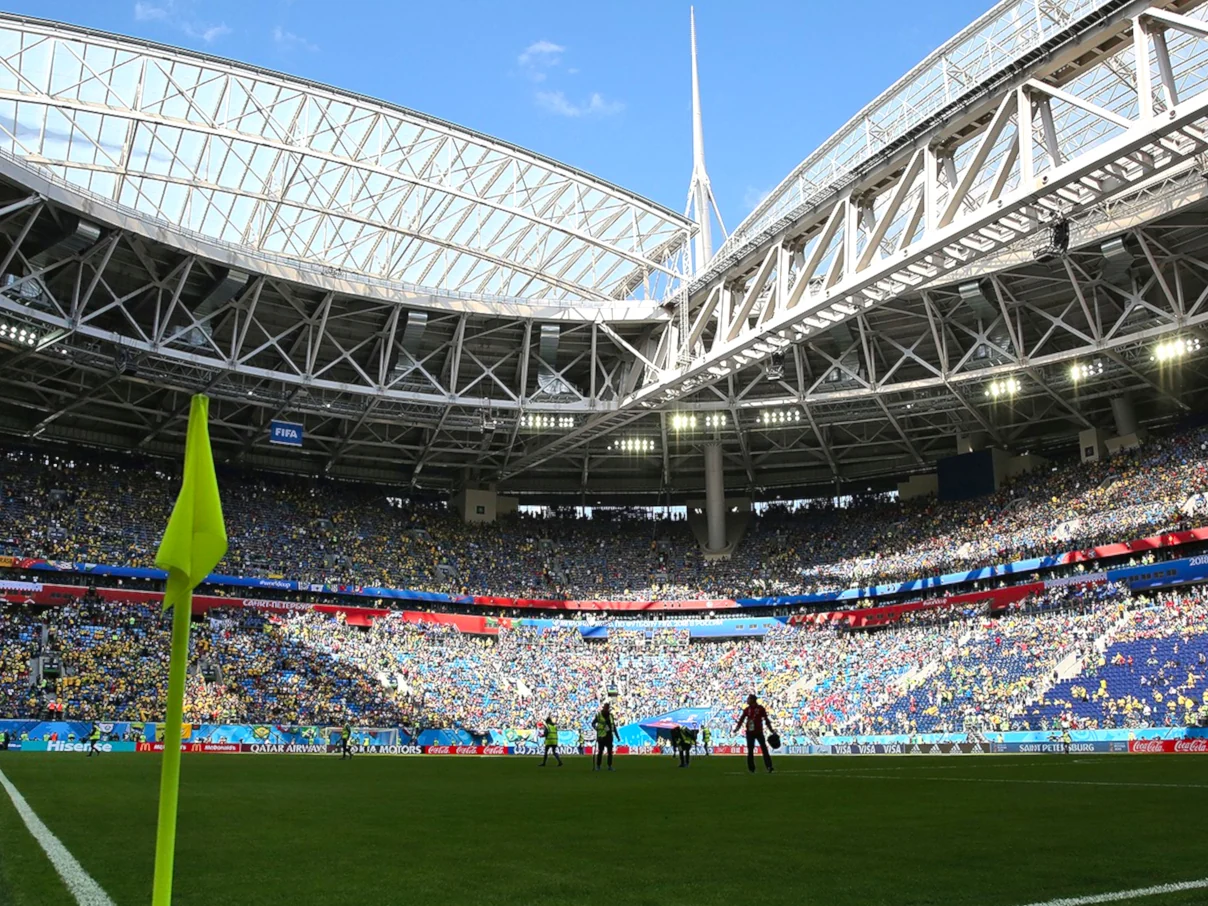
World Cup Broadcast Technology: FIFA 2026 Systems Case Study
A source-led map of FIFA World Cup 2026 host broadcast, tracking, officiating and distribution layers—and the boundaries of each claim.
How stadium networks, ticketing, crowd operations, accessibility, broadcast and energy systems work under match-day pressure.
42 in-depth storiesA source-led map of FIFA World Cup 2026 host broadcast, tracking, officiating and distribution layers—and the boundaries of each claim.
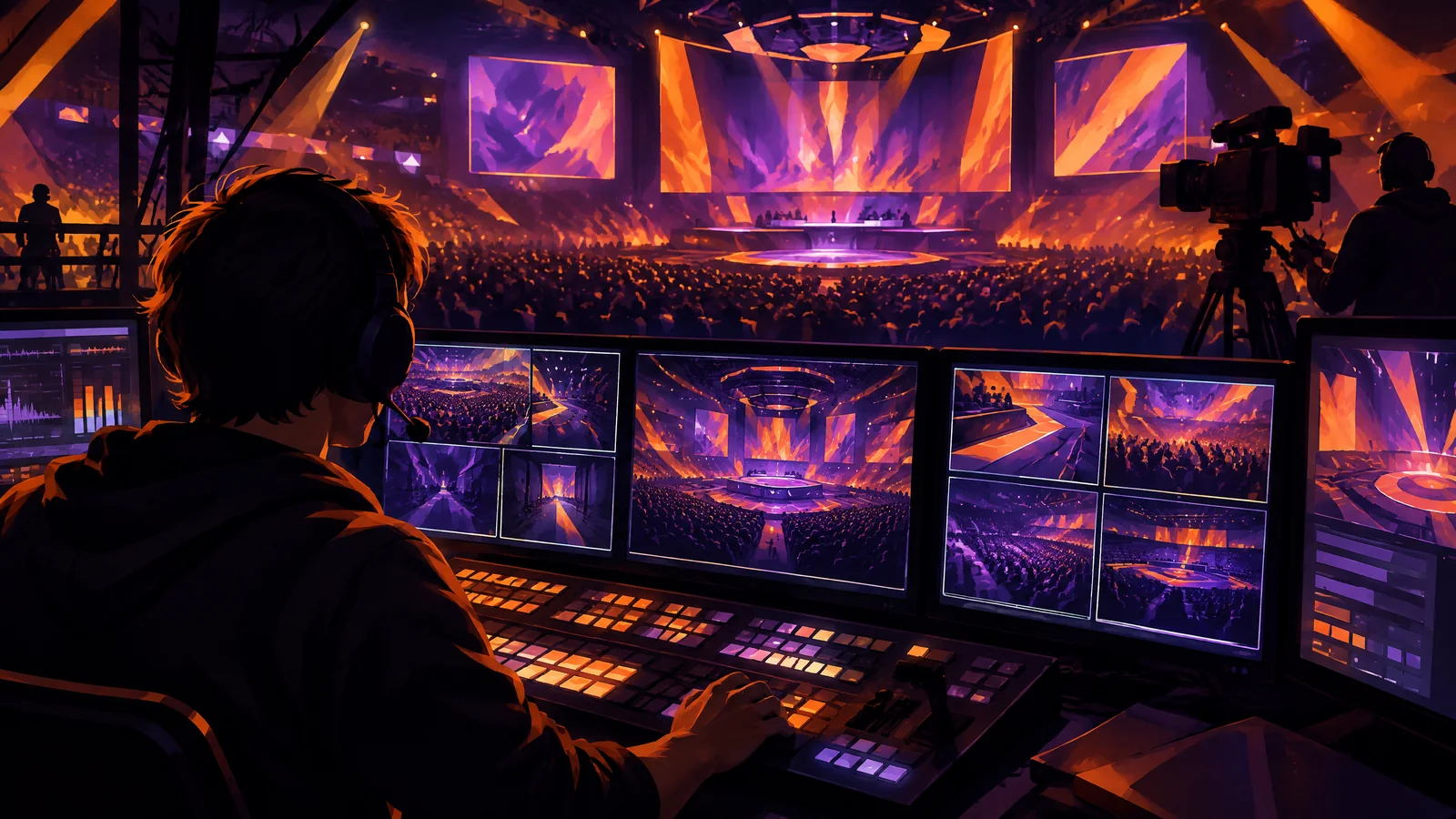
An esports tournament stream is a programme, not simply a player screen: learn how observers, cameras, graphics, replay, encoding and delivery fit together.
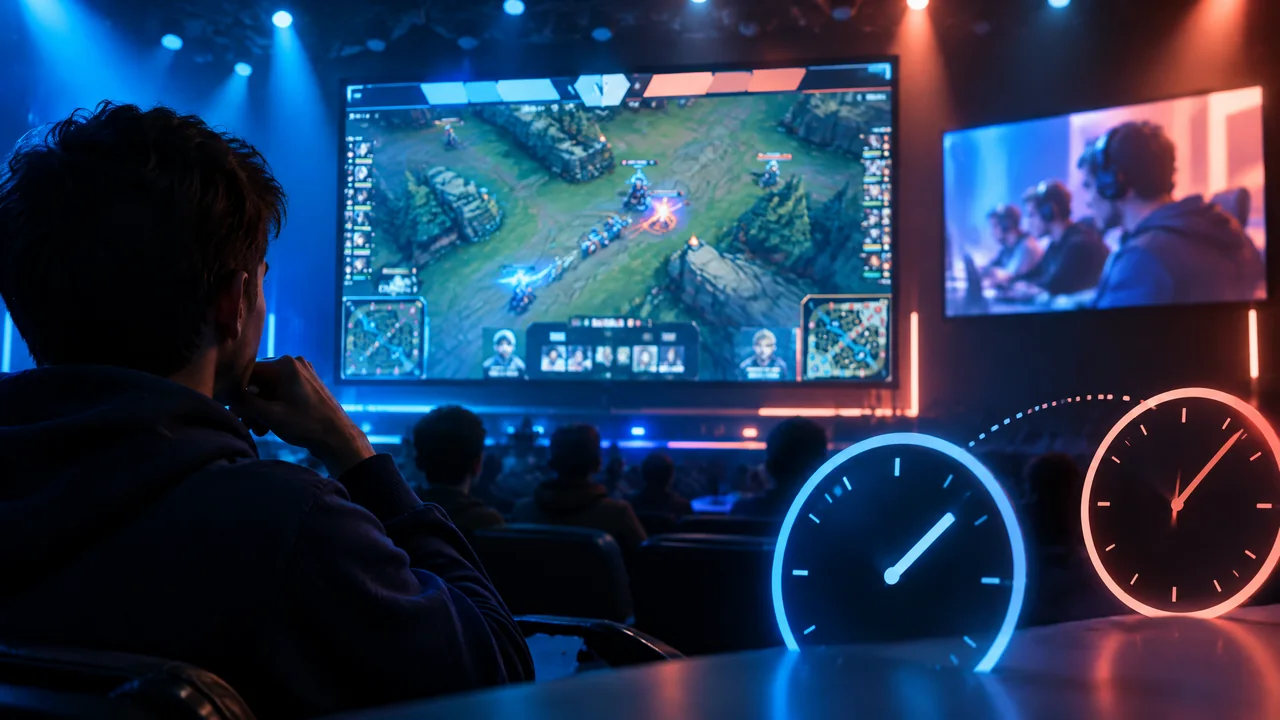
If an esports score appears before the stream, compare official data and video timing; a timing gap alone does not prove either feed is fake.
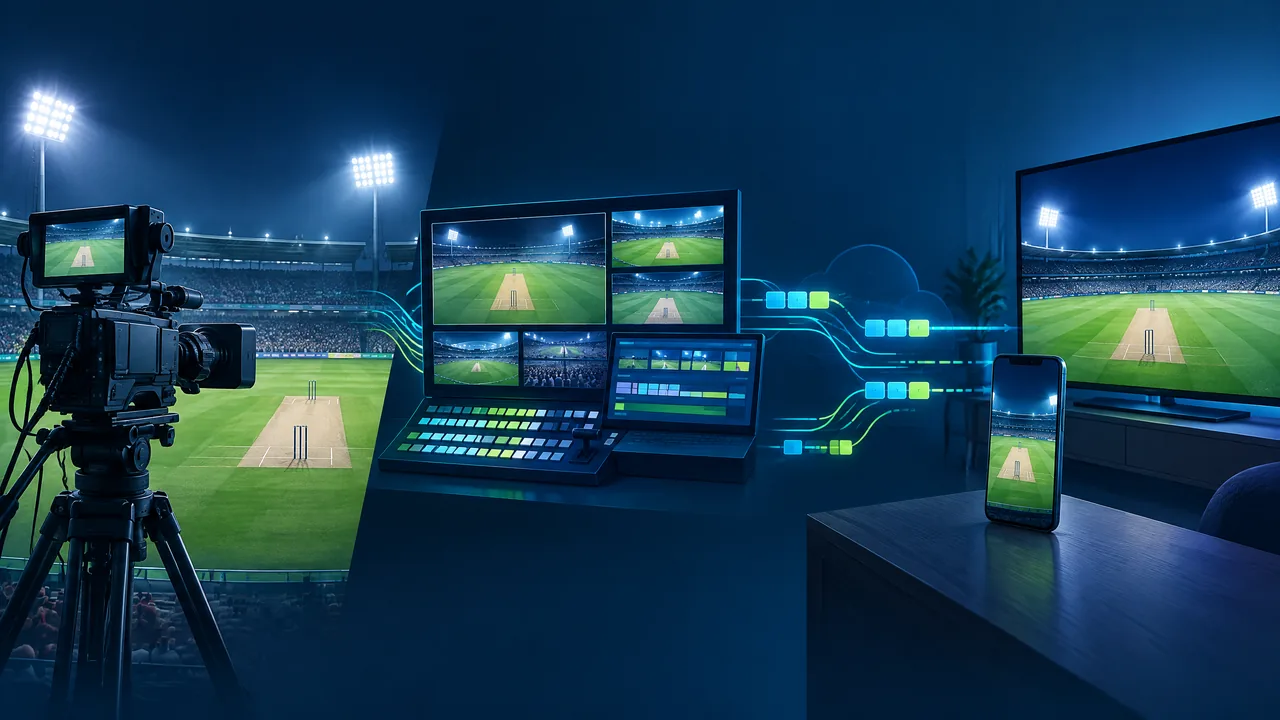
Live cricket reaches a phone, TV or browser through a chain of specialist decisions: capture at the ground, a produced programme feed, multiple encoded versions, HTTP delivery and player adaptation. This guide separates that general workflow from a particular broadcaster’s undisclosed setup.
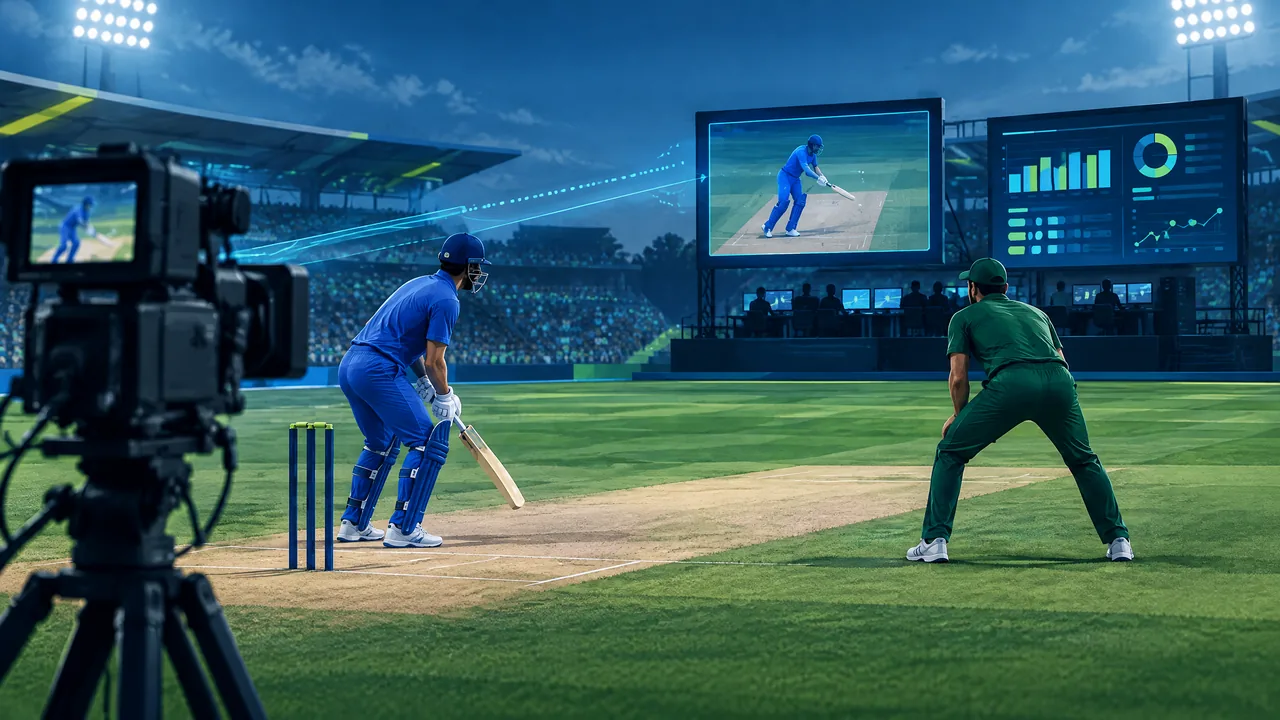
ICC and Olympics.com identify the India–Pakistan Asian Games men’s cricket final in Nisshin on 3 October. This guide separates confirmed India viewing details from broadcast, replay, scoring and review technology that still needs event-specific proof.
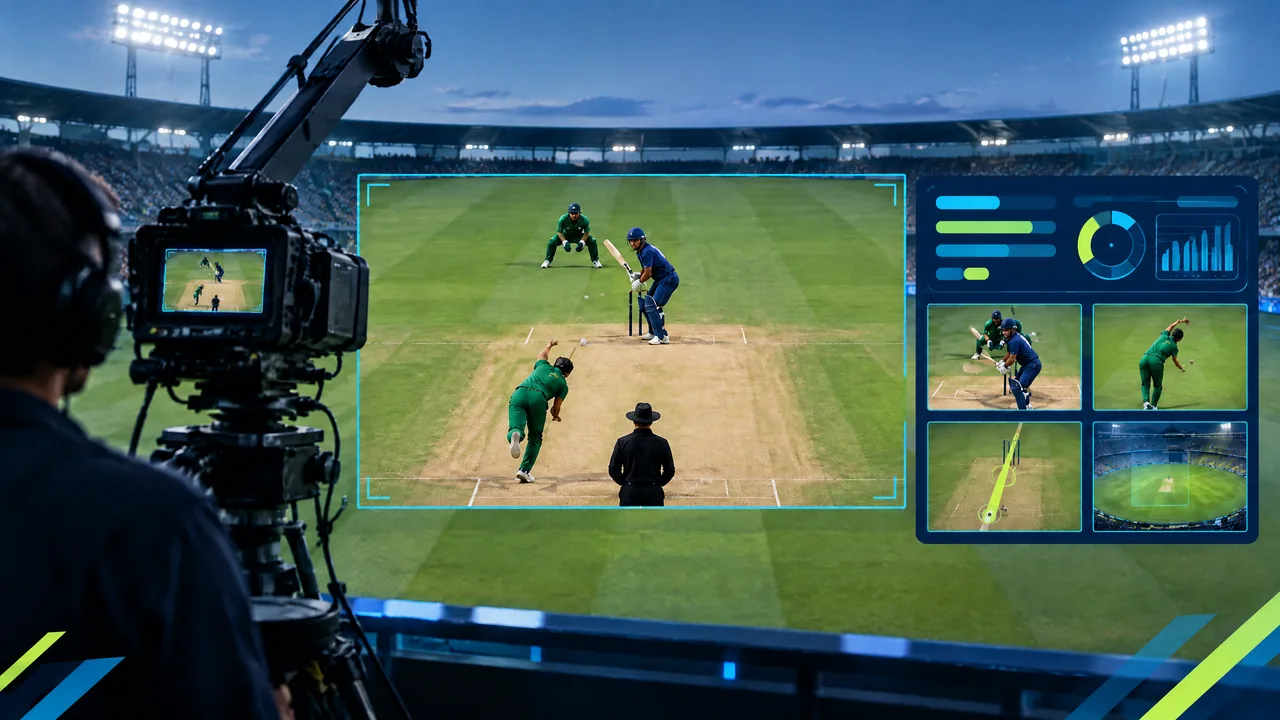
Sri Lanka and Bangladesh are listed for the Asian Games men's T20I third-place play-off at Korogi Sports Park. This guide separates the confirmed fixture record from technology that must be visible or officially documented before it can be called match-specific.
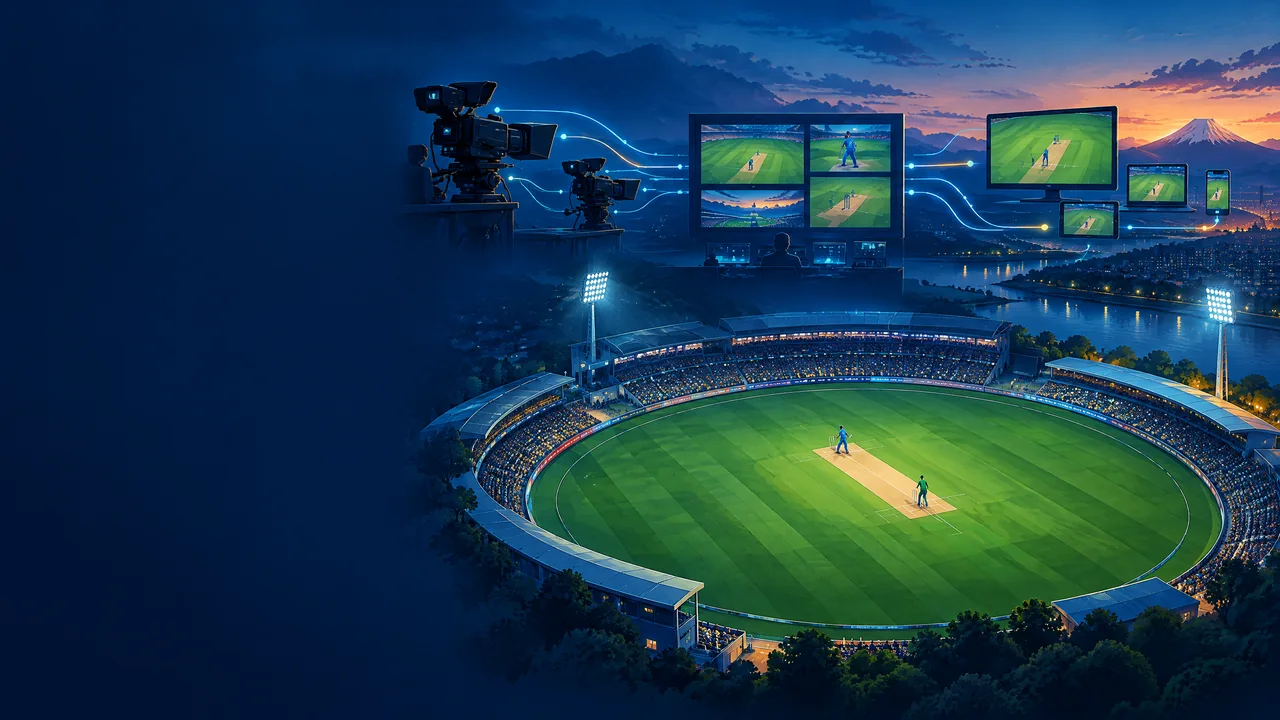
The men's cricket gold-medal match is scheduled for 3 October at 10:00 AM IST in Nisshin. Find the verified India viewing options and see how cameras, production and delivery bring a match to your screen.
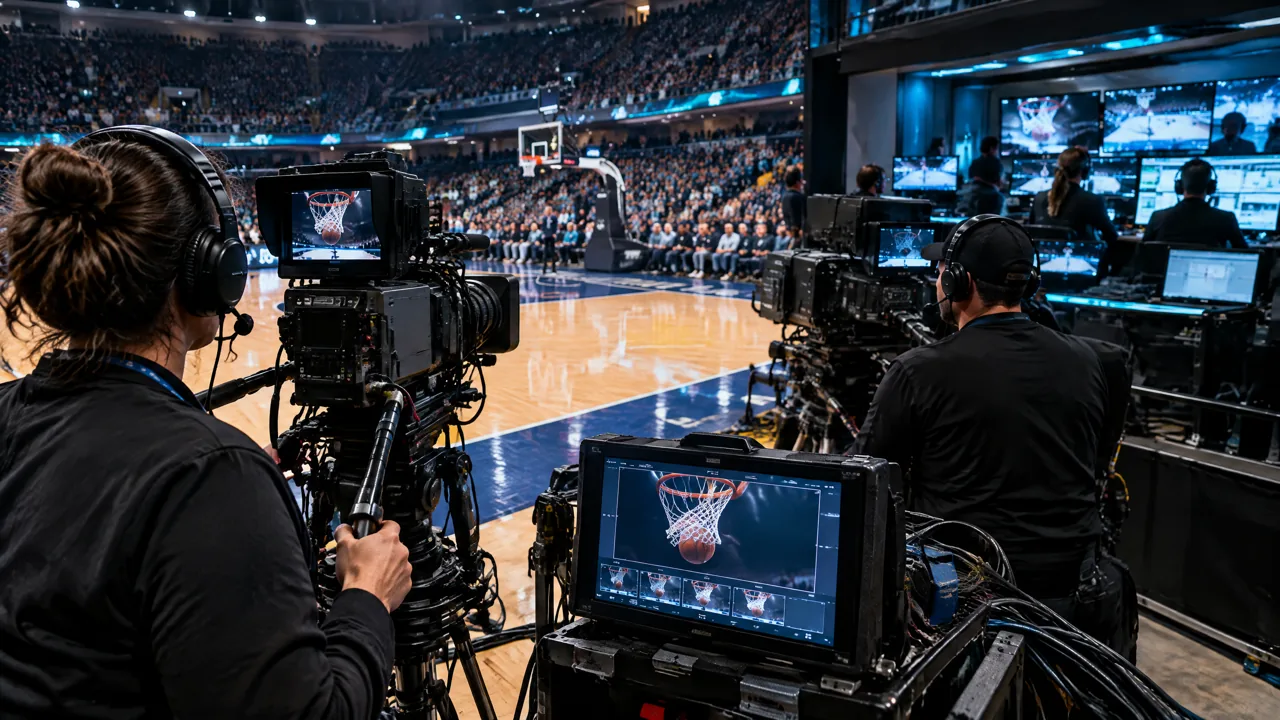
USA Sports described additional replay, camera and player-mic coverage for the 2026 WNBA playoffs, with graphics operated across a Denver-to-venue REMI workflow. What did the plan actually establish?
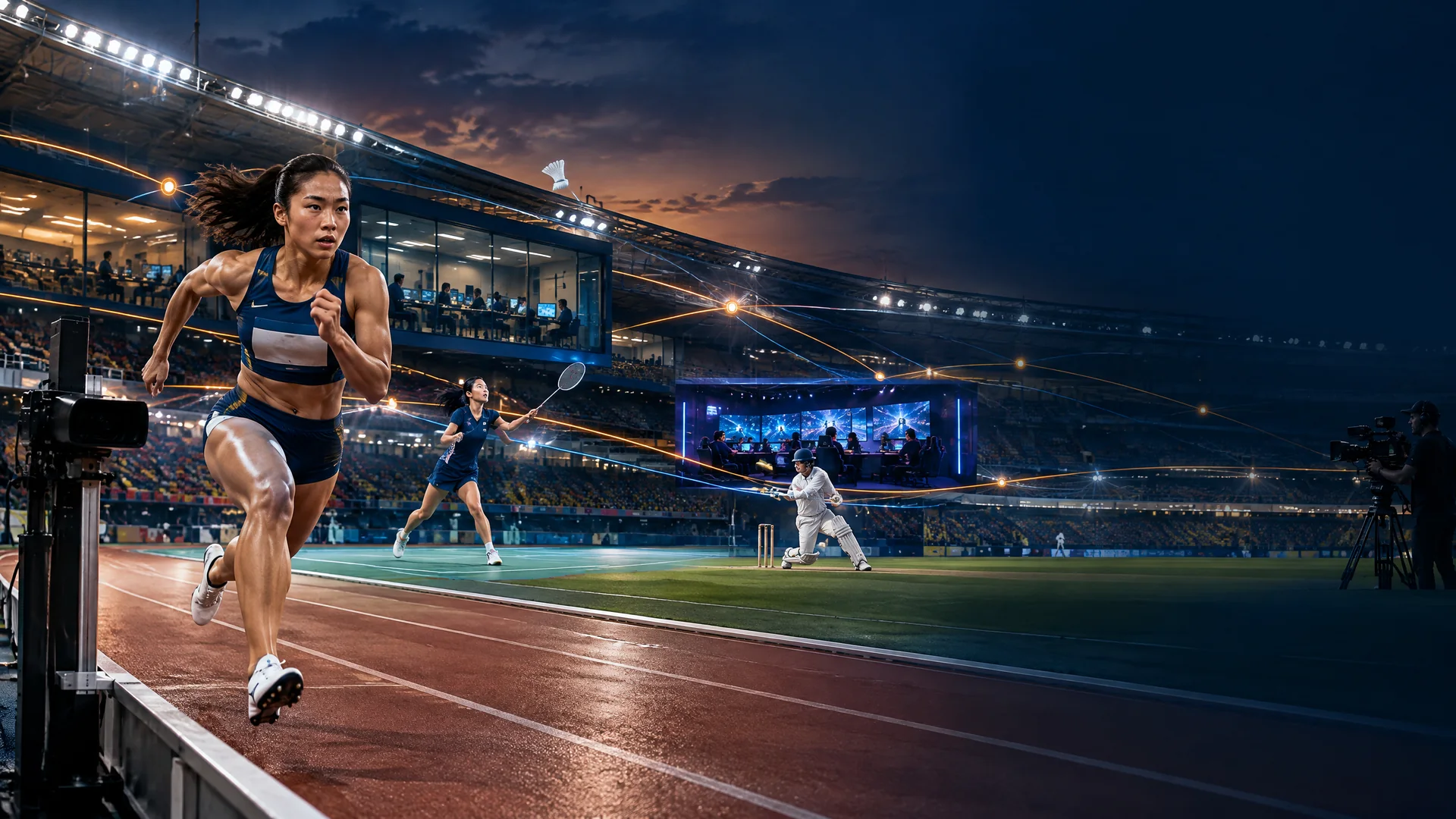
A verified map of the Asian Games 2026 technology stack, from event IT and venue support to timing, results, media devices and the esports competition environment.
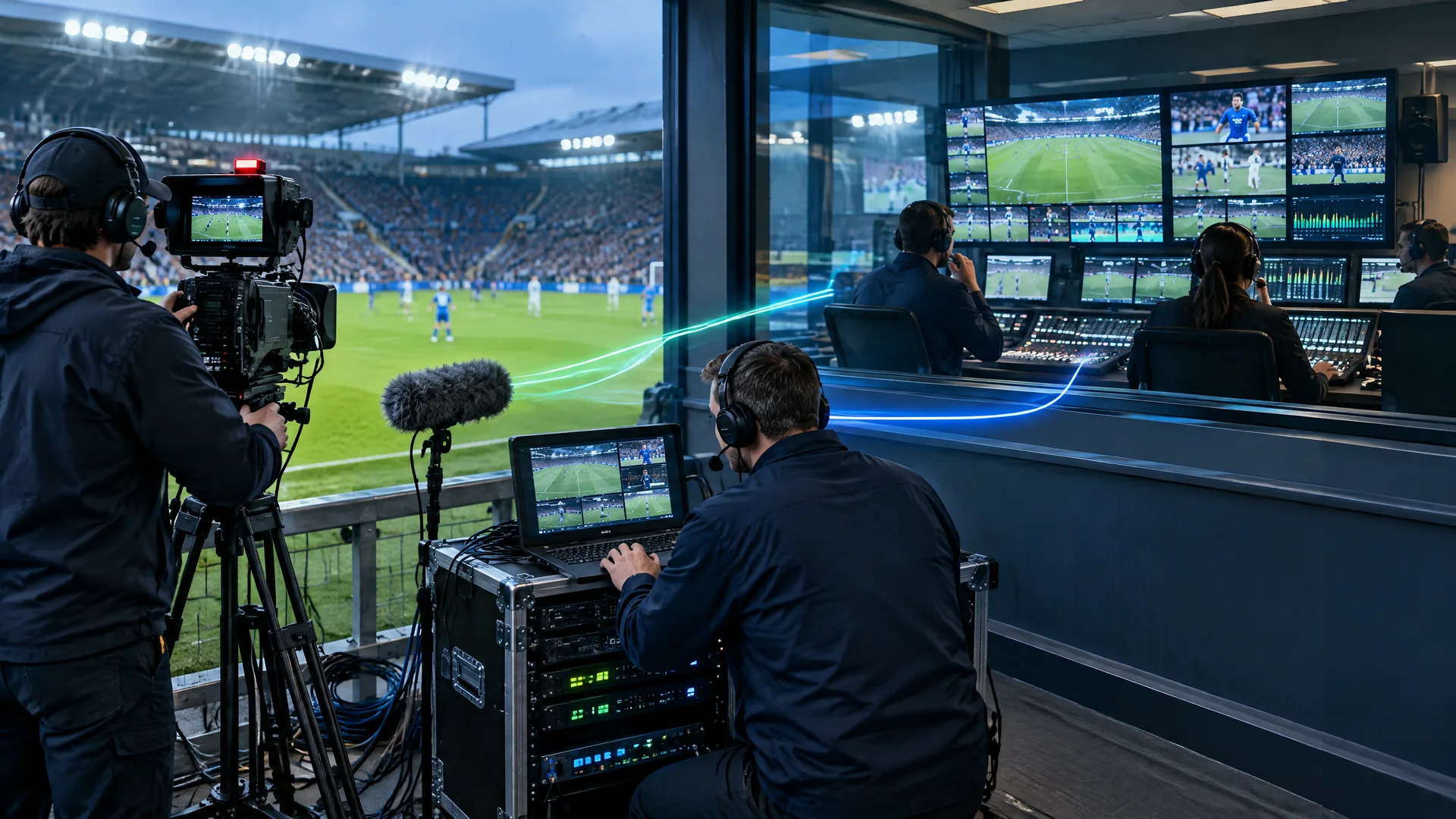
REMI moves selected live-production roles away from the venue while cameras and essential support remain on site. This guide follows every feed, return path and responsibility.

NBC's Medinah compound and the PGA TOUR's remote world-feed team share more than 50 course cameras while producing different domestic and international programs in 1080p HDR.
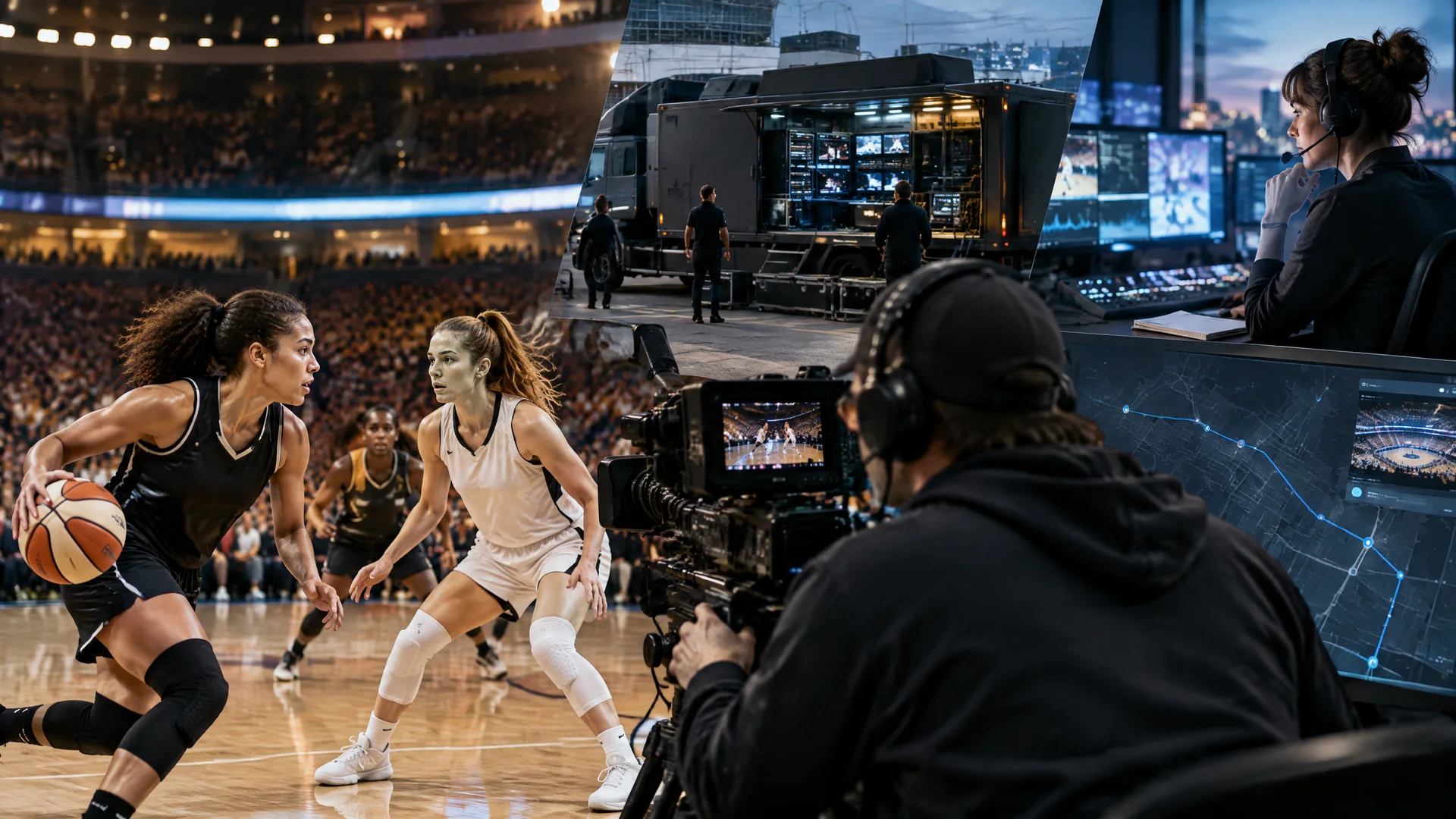
ESPN prepared parallel truck, crew and transmission plans for uncertain WNBA playoff locations while retaining 1080p HDR, REMI and home-based rules analysis.
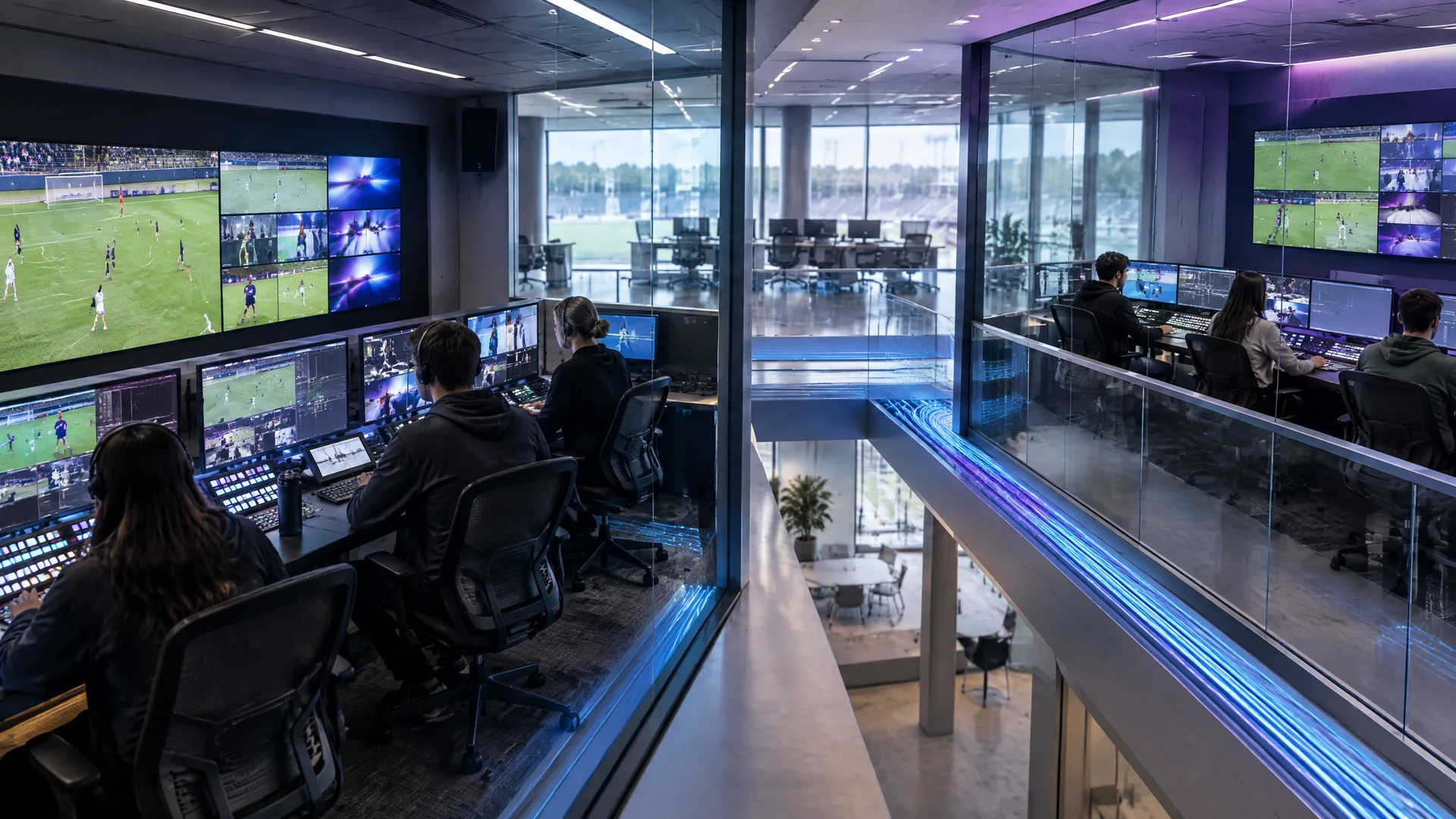
Washington’s four-room IP facility has handled about 30 events while initially using two control rooms. Its early workflow separates installed capacity from active production and measured results.
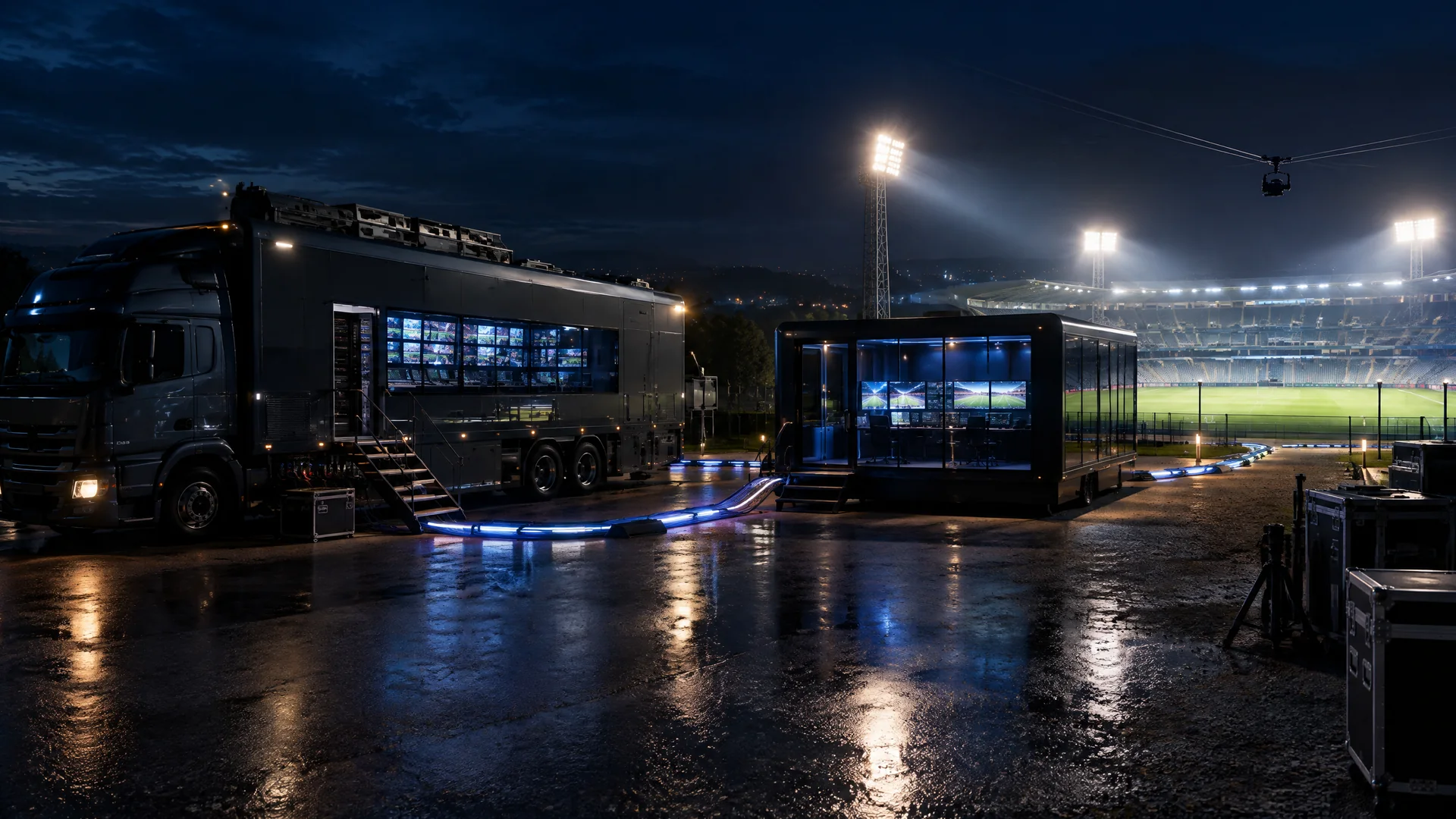
ESPN’s 2026 Monday Night Football plan adds a Countdown truck and selective camera tests around an established Flagship operation. The 4K HDR change is primarily in distribution, not a new end-to-end production rebuild.
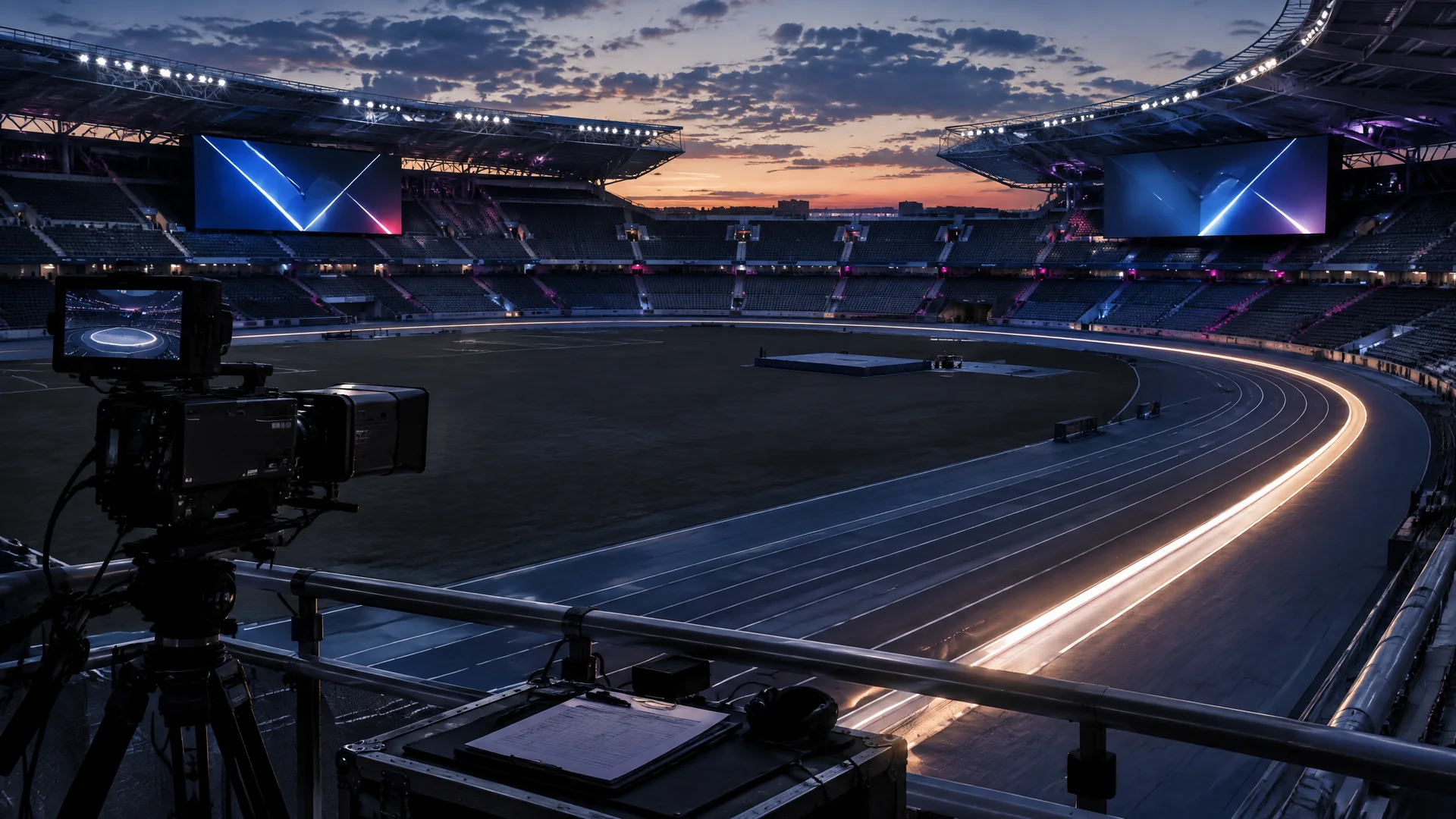
Host Broadcast Services says World Athletics Ultimate ran competition, stadium presentation and television from one detailed rundown. The post-event account documents coordination and live difficulty, not measured audience or accessibility gains.
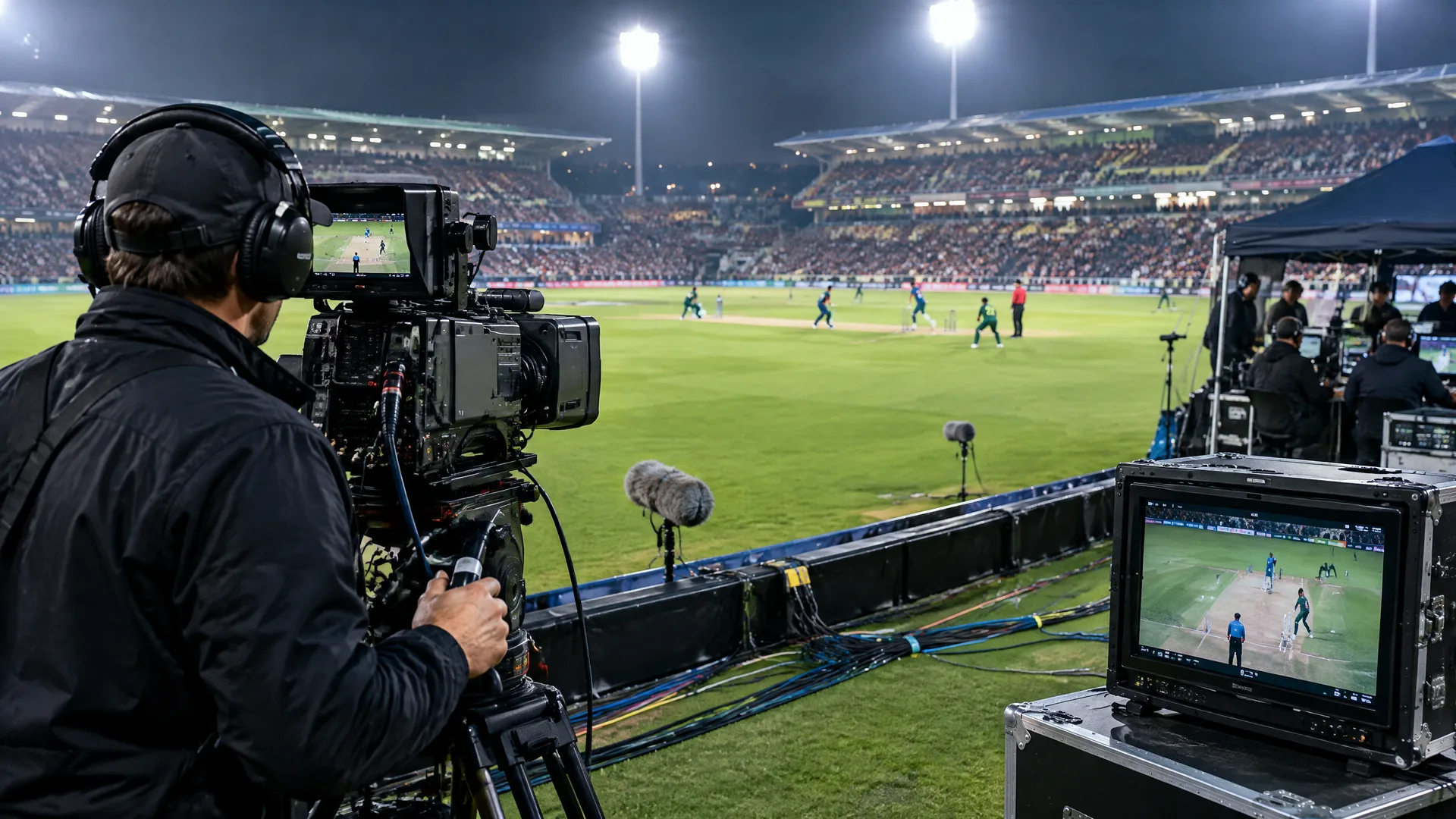
A practical guide to the connected systems that capture, produce, protect and deliver a live sporting event to every viewer.
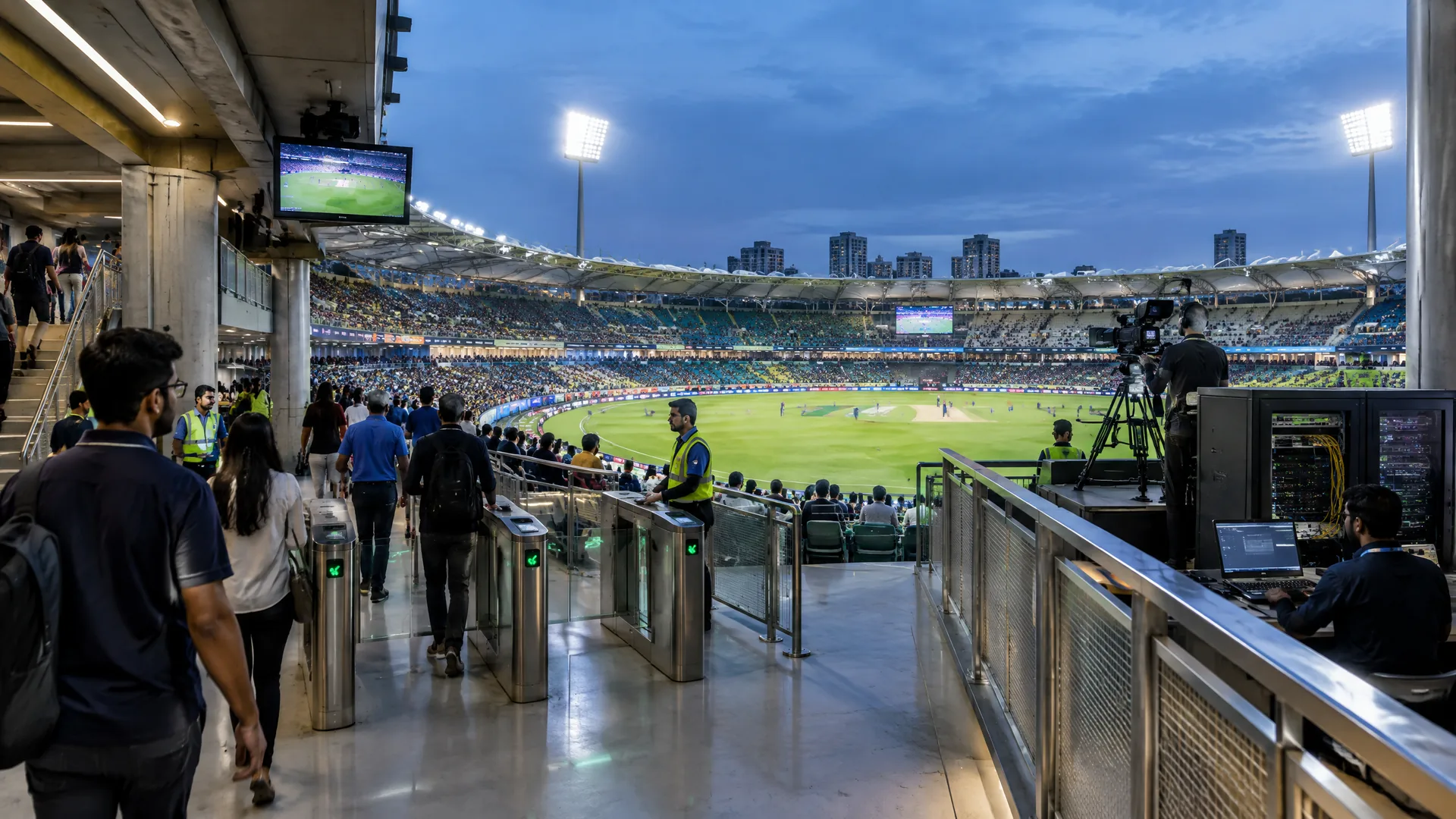
A practical guide to the connected systems that help stadium teams manage arrival, safety, media, buildings, accessibility and disruption.
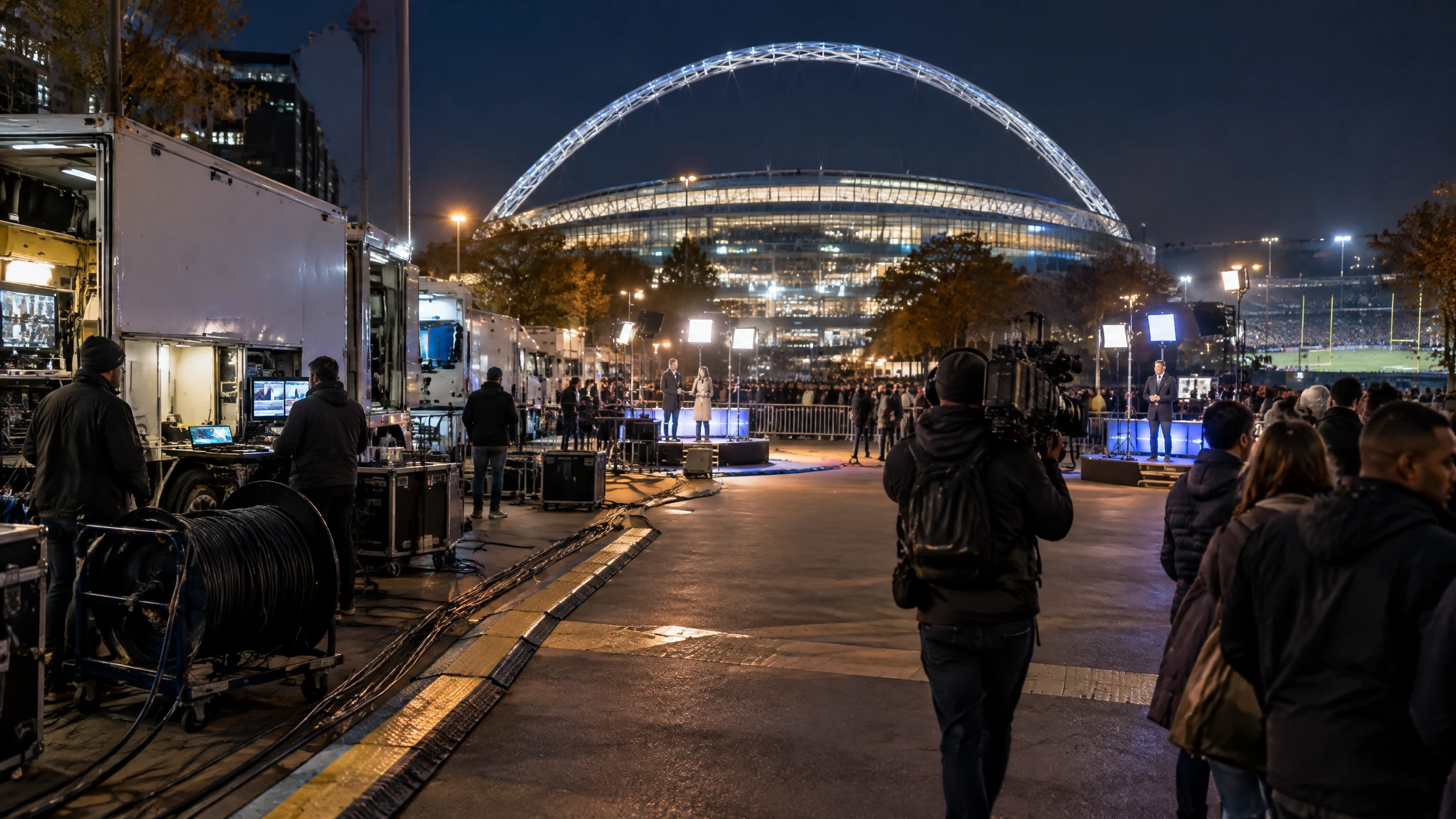
Fox Sports plans a fibre-linked, semi-remote Big Noon Kickoff production at Wembley. The reported compound-to-set design is specific, but its performance remains untested.
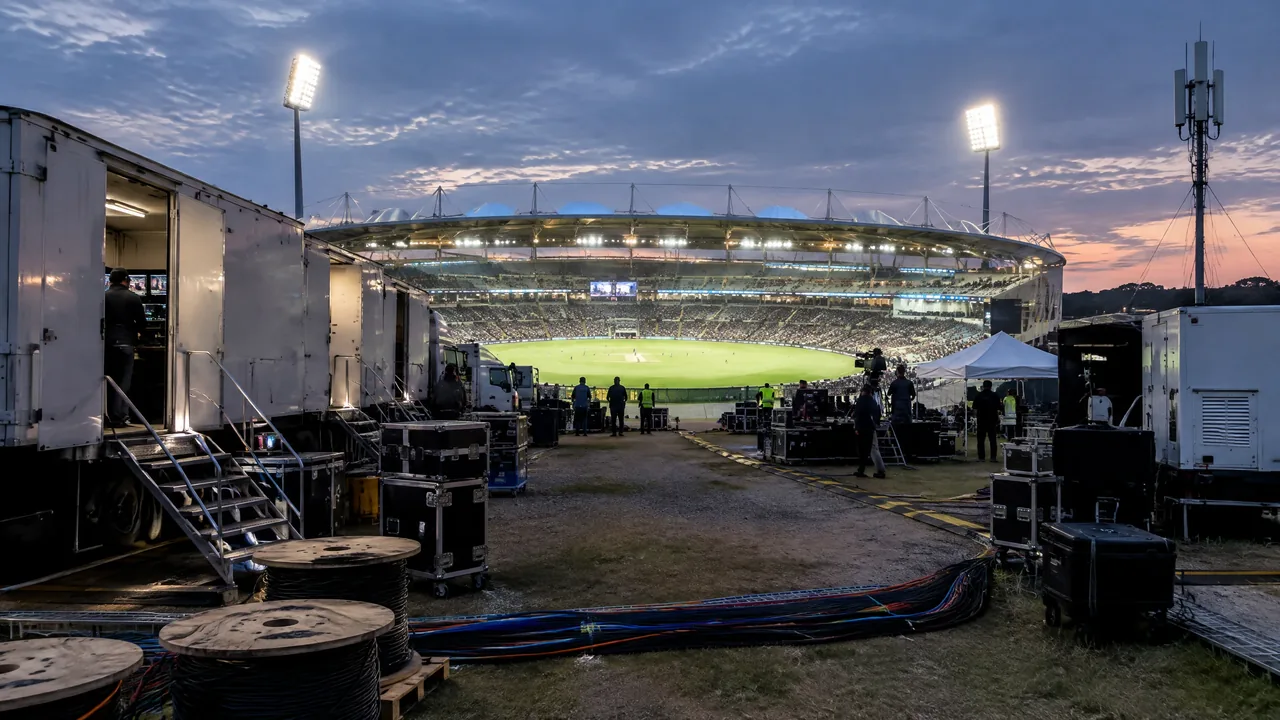
Netflix’s first NFL game in Australia used a large IP broadcast compound at the MCG. The case shows how redundancy and remote production shape global live sport.
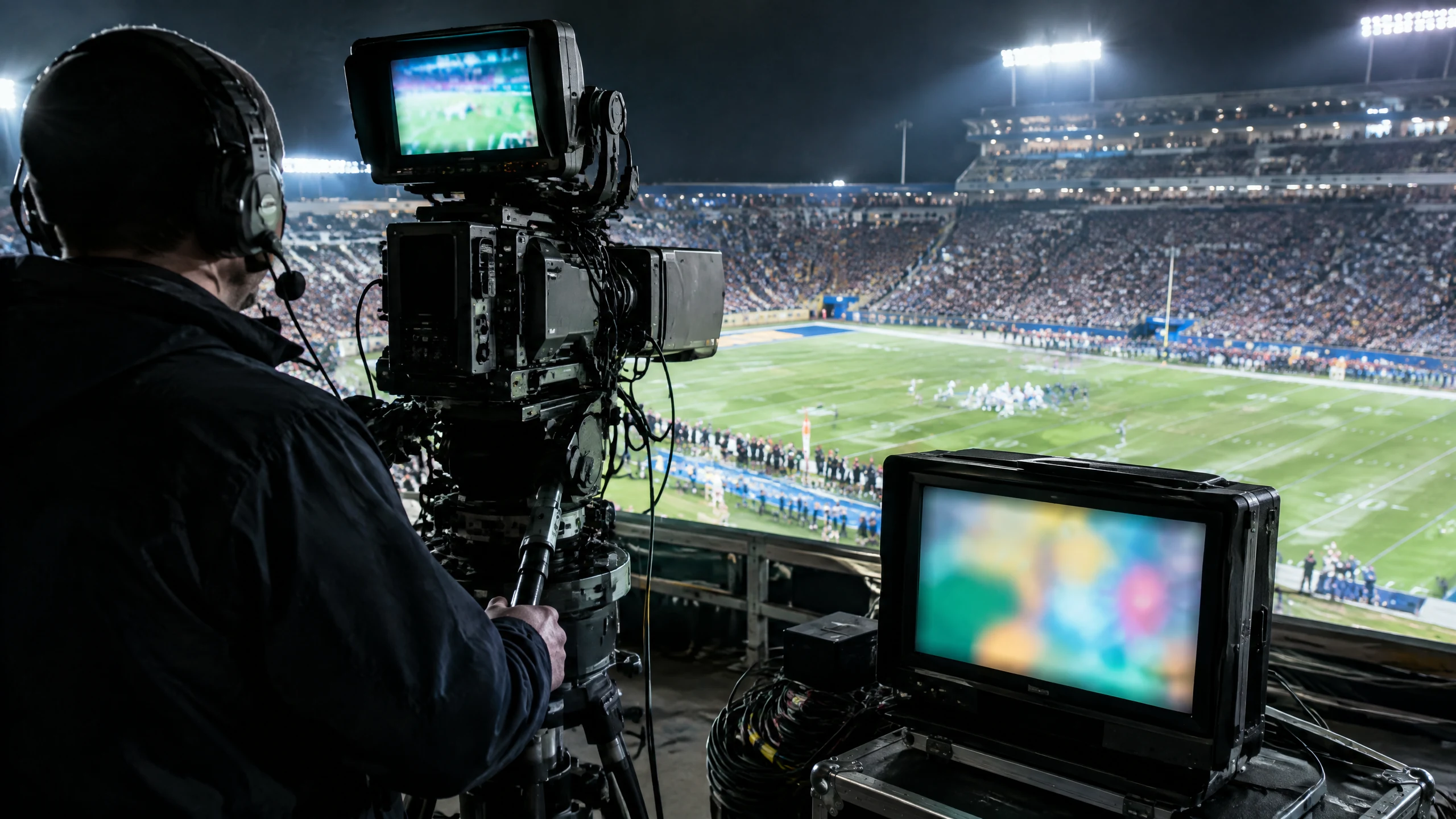
CBS Sports is phasing HDR across its NFL crews in 2026. The rollout shows why monitoring, mobile units and crew fluency matter as much as cameras.
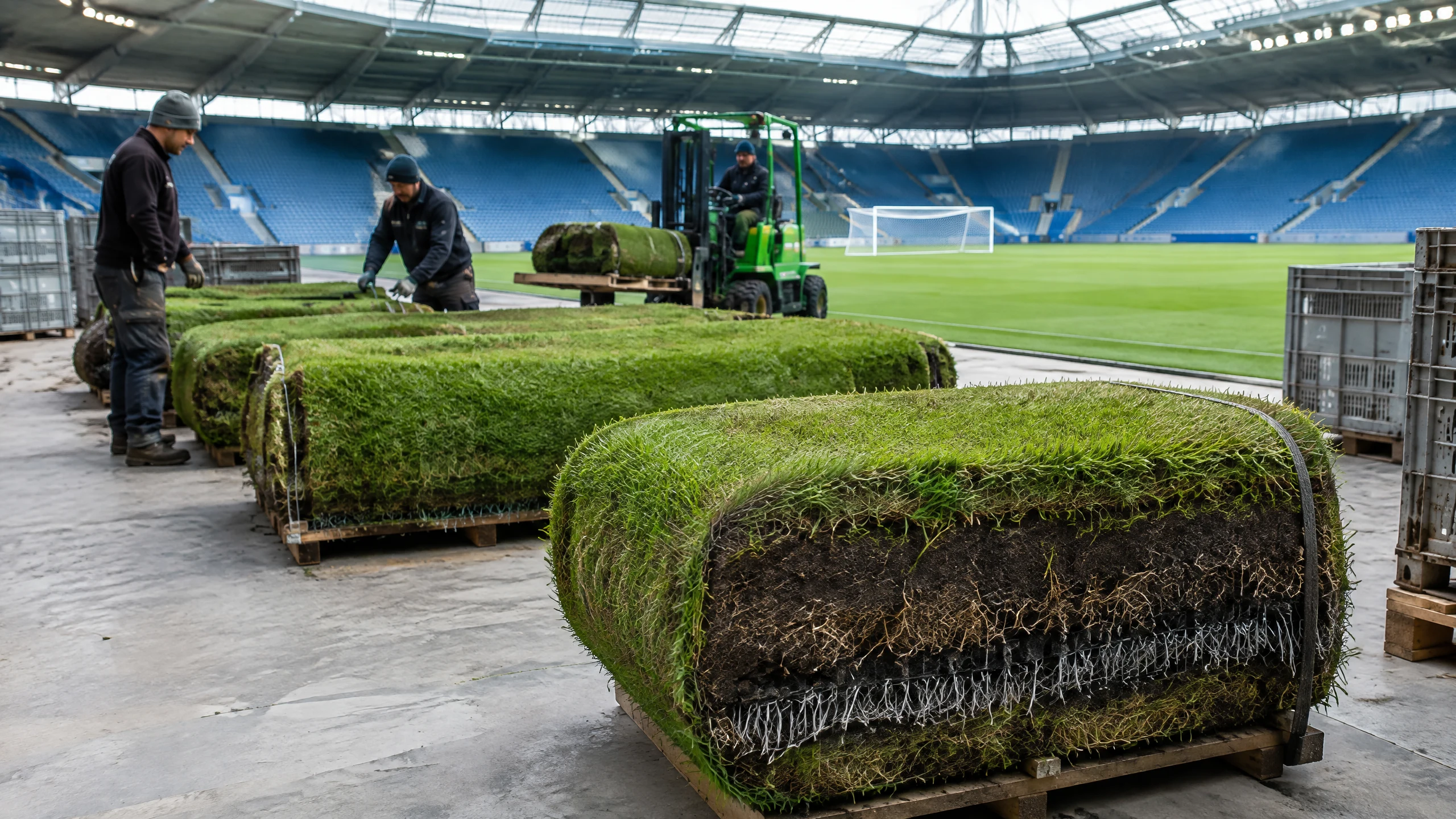
BC Place’s temporary World Cup hybrid pitch is being separated for reuse. What the project reveals about specifying end-of-life routes for sports surfaces.
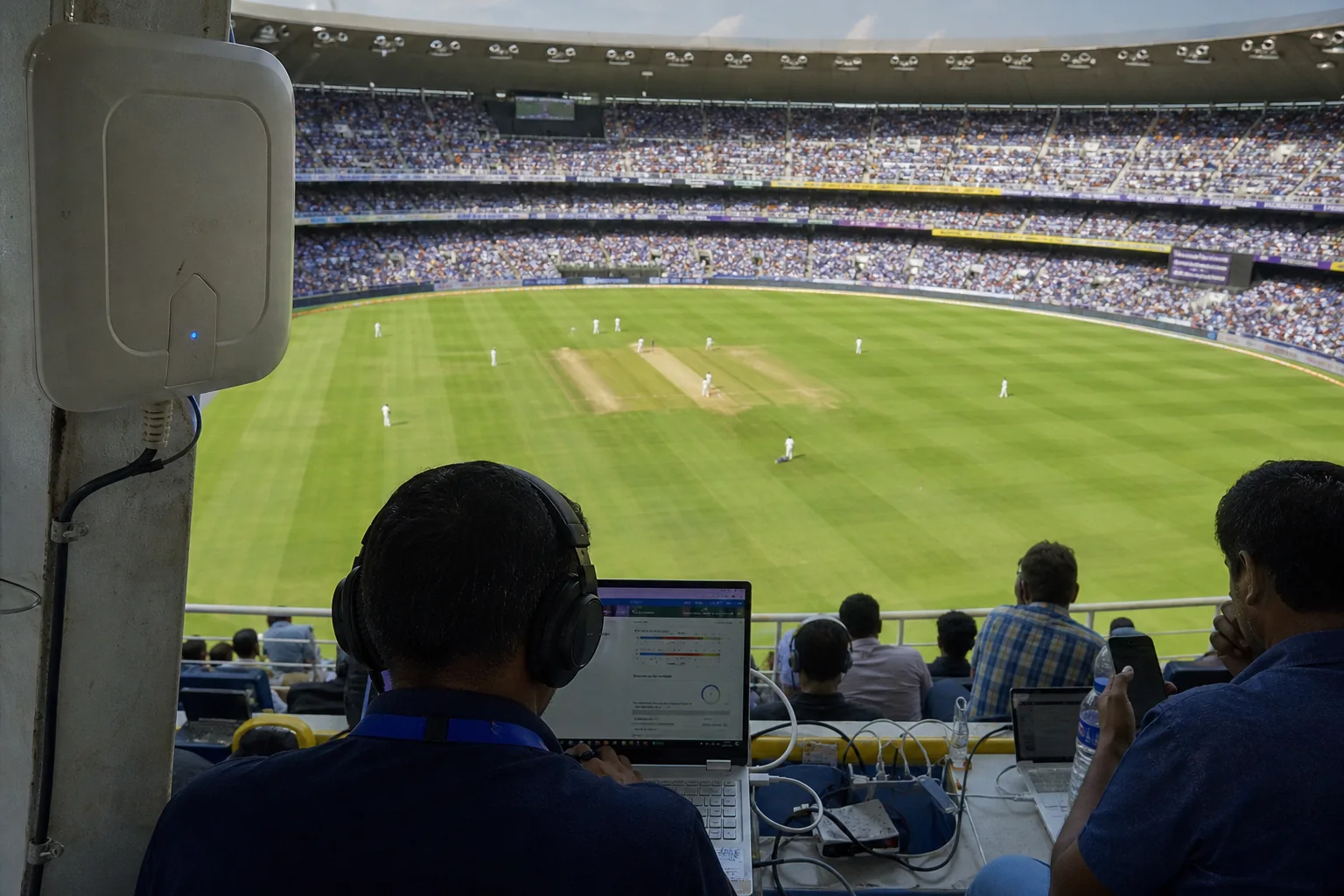
A stadium Wi-Fi program succeeds when radio design, wired capacity, and event operations are planned as one system. This guide explains the decisions that keep a connectivity upgrade useful when thousands of devices arrive at once.
Connectivity is only the surface. The modern venue is becoming a coordinated network of access, safety and fan-service systems.
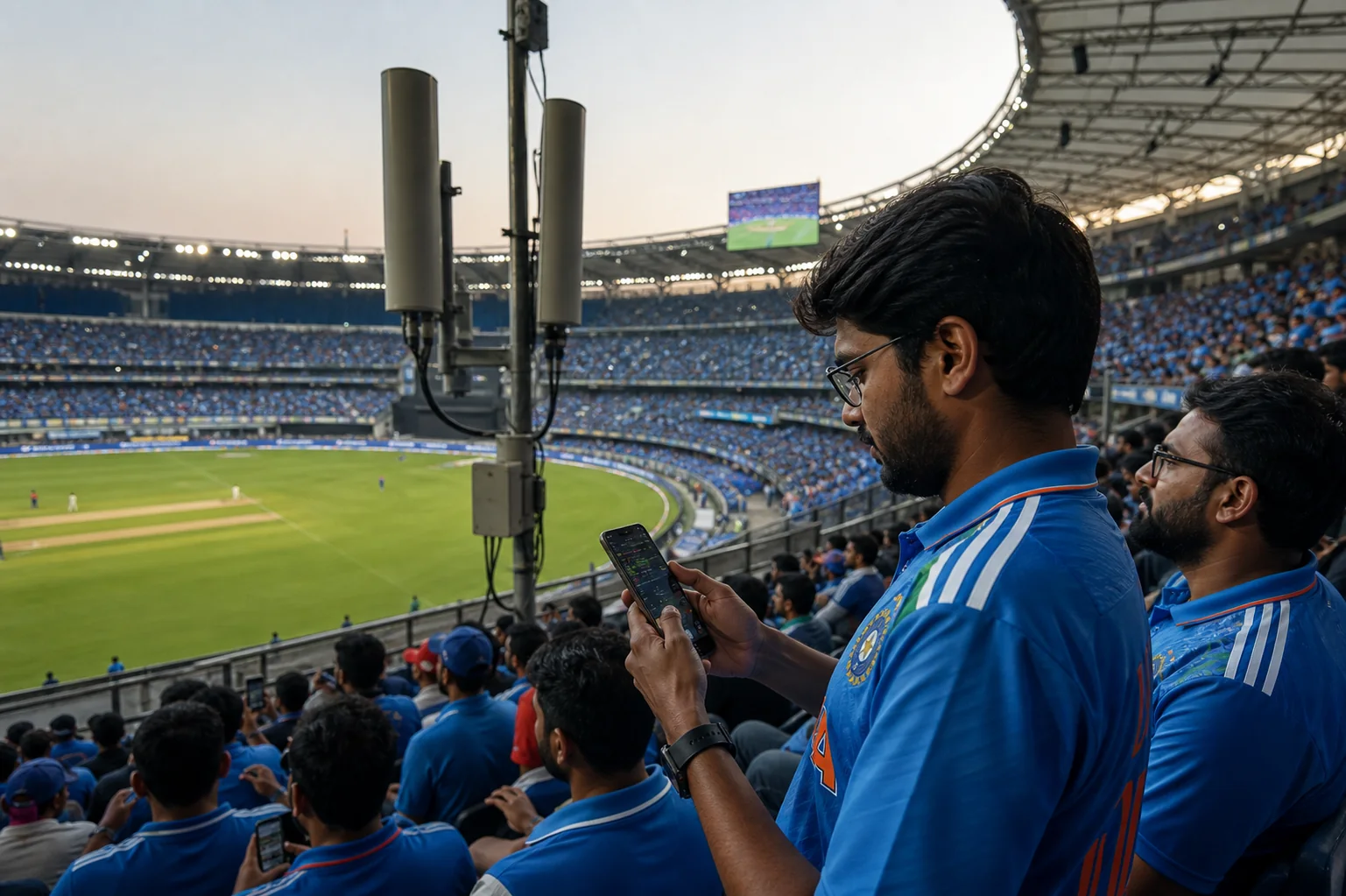
Mobile coverage inside a venue depends on commercial alignment as much as antennas and fibre. This field guide sets out how operators can scope a neutral-host approach without handing everyday event decisions to a technical black box.
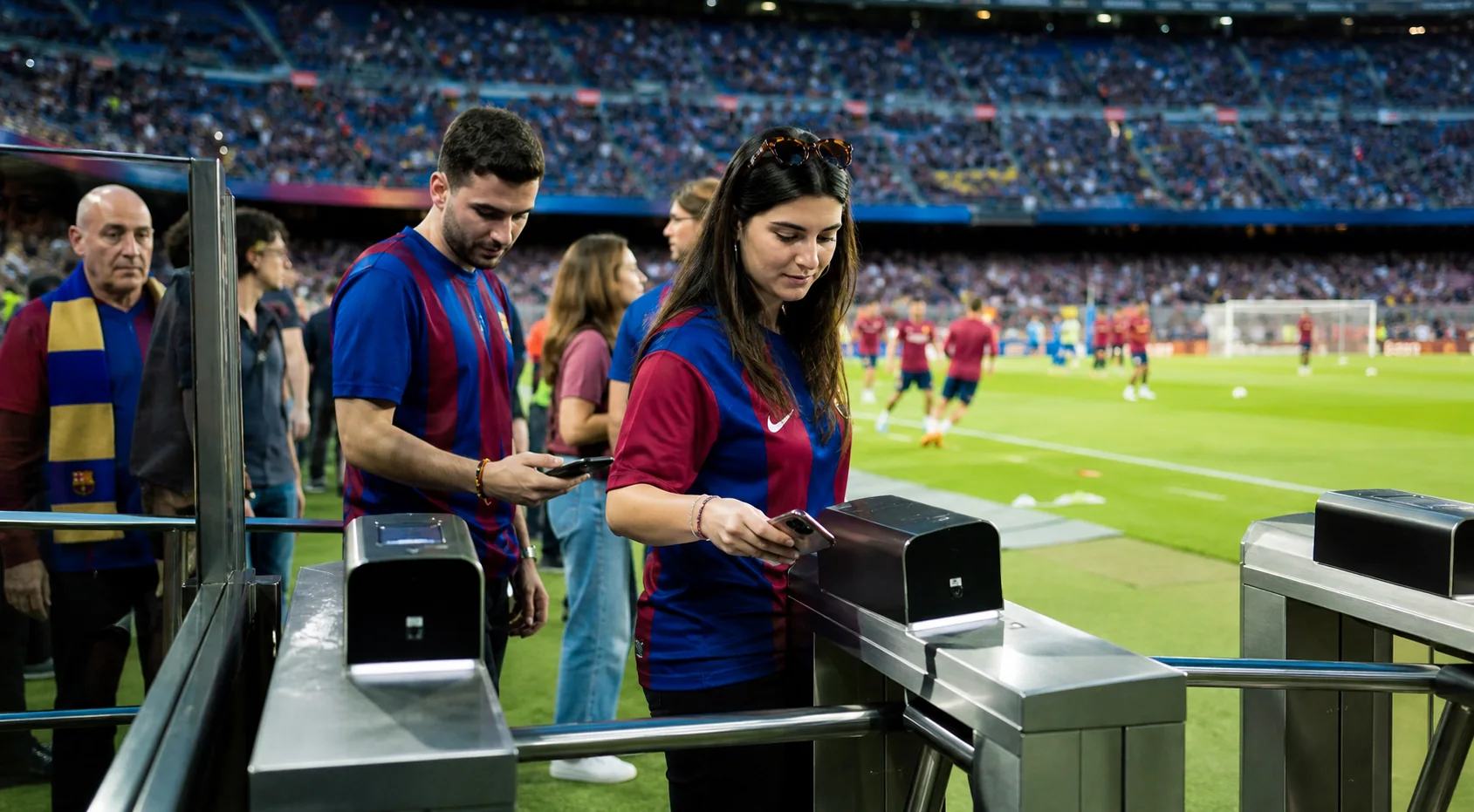
Digital tickets can speed entry, but tying every ticket to a persistent identity is not automatically necessary or desirable. This article shows how to choose verification levels that match risk, accessibility, and operational capacity.
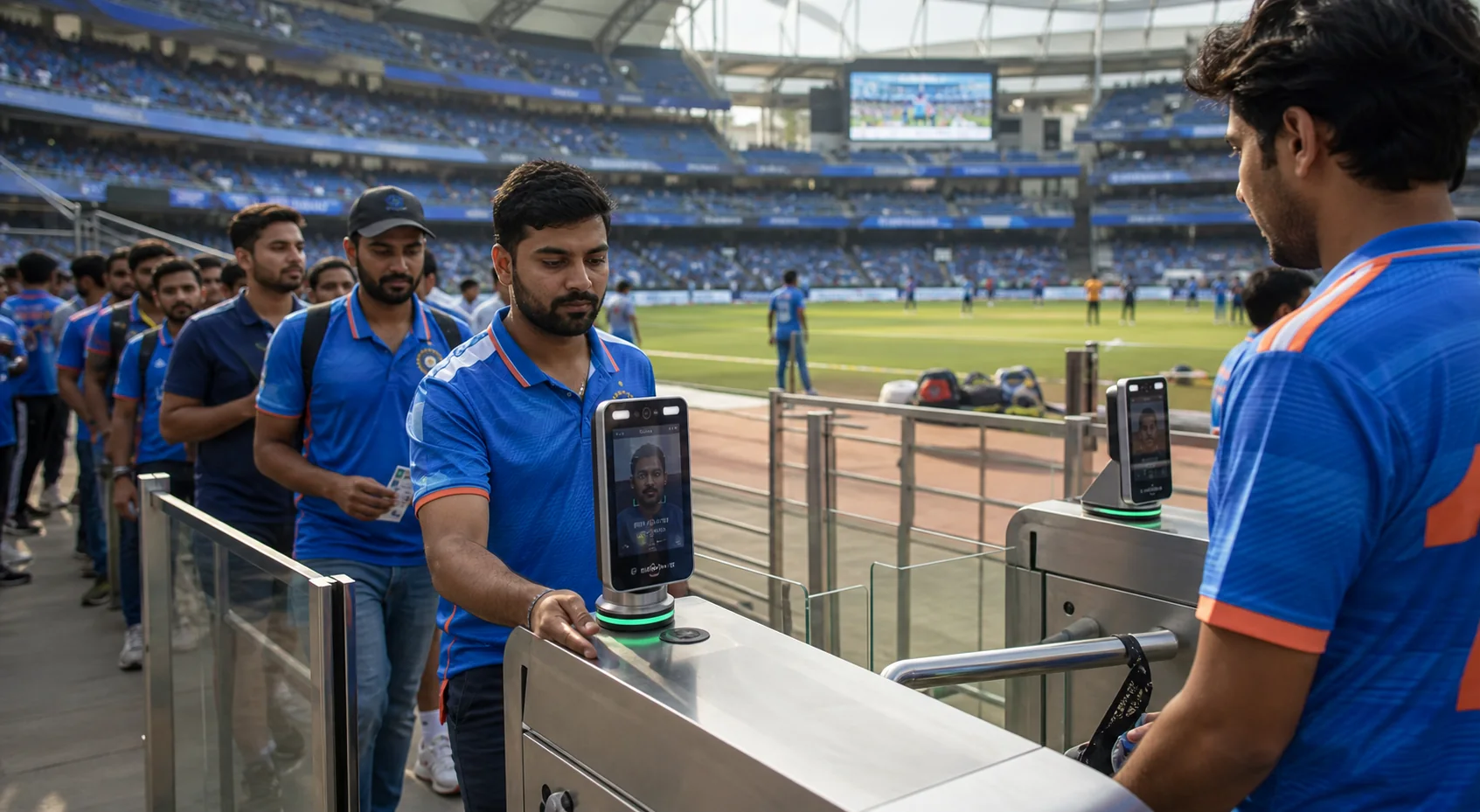
Biometric entry can appear attractive when organisers want fast, controlled access, yet the technology changes the privacy and accountability burden. Indian venue teams can evaluate it responsibly by starting with a narrow purpose and a credible non-biometric route.
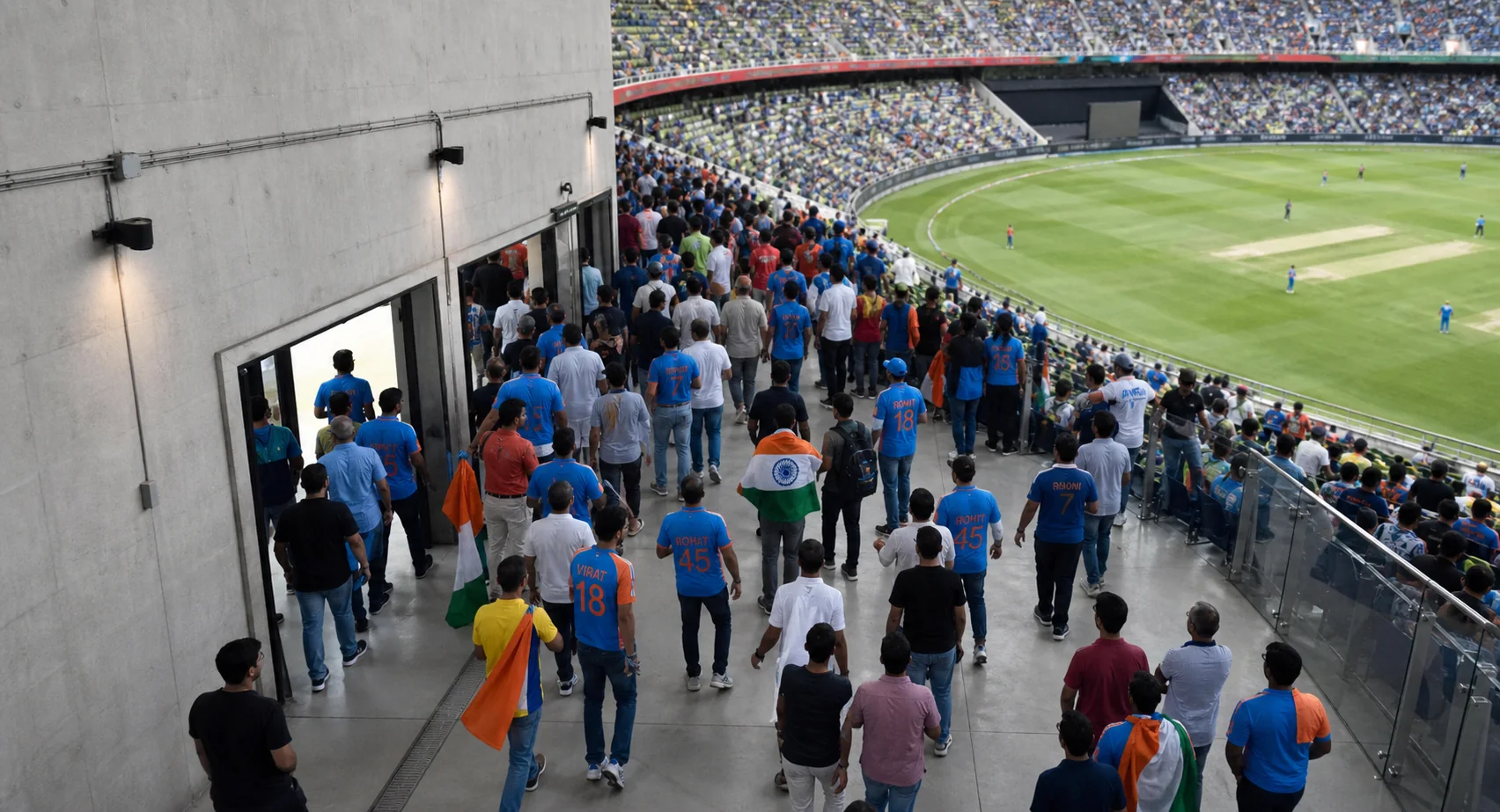
Crowd-flow modelling is most useful when it changes routes, staffing, and timing rather than producing an impressive animation. Learn how to connect forecasts to reversible operating decisions and frontline observation.
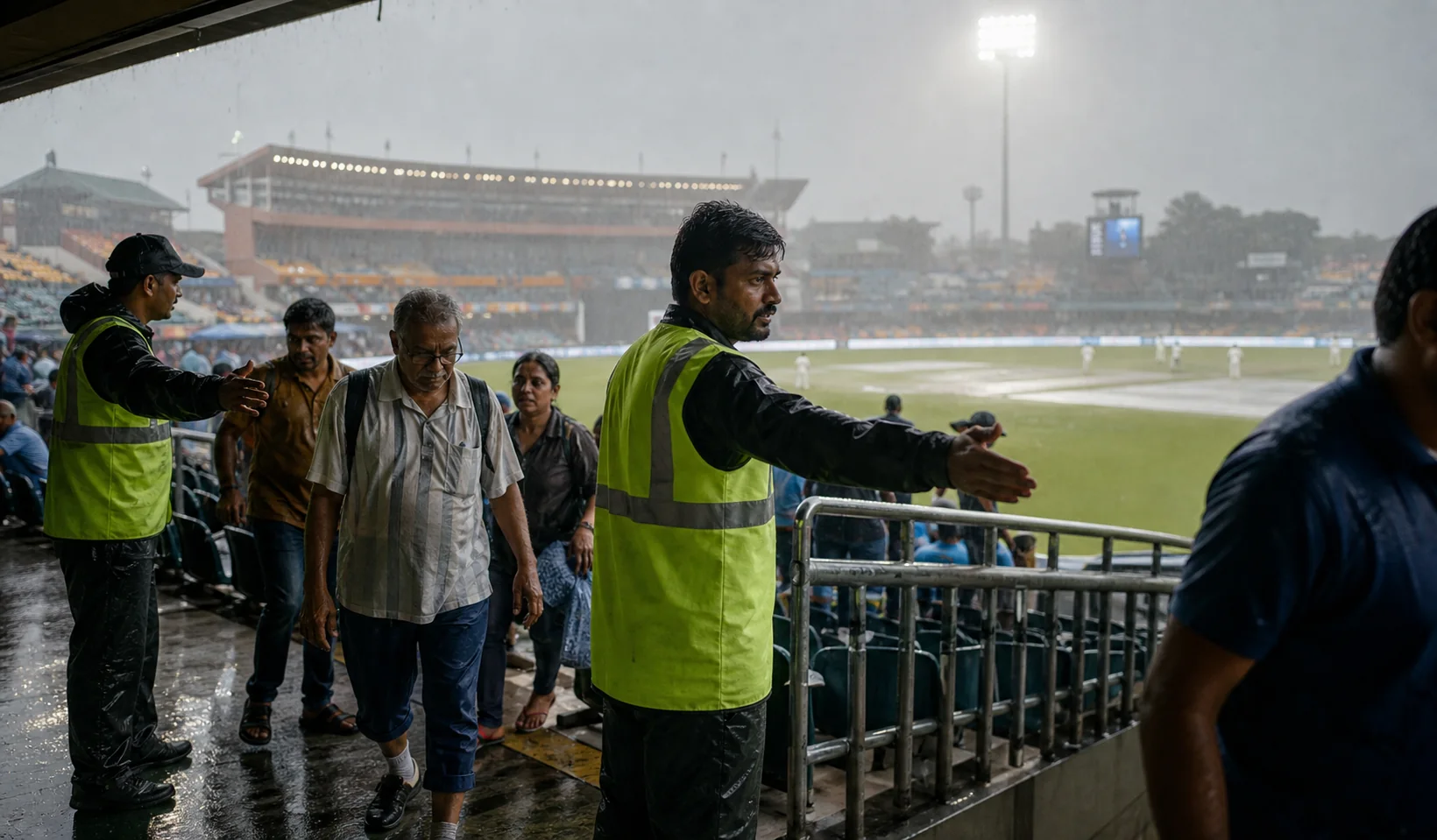
Rain and lightning plans must account for wet surfaces, interrupted transport, communication gaps, and people who cannot move quickly. This practical guide adapts venue safety workflows to monsoon-season conditions without assuming one weather response fits every site.
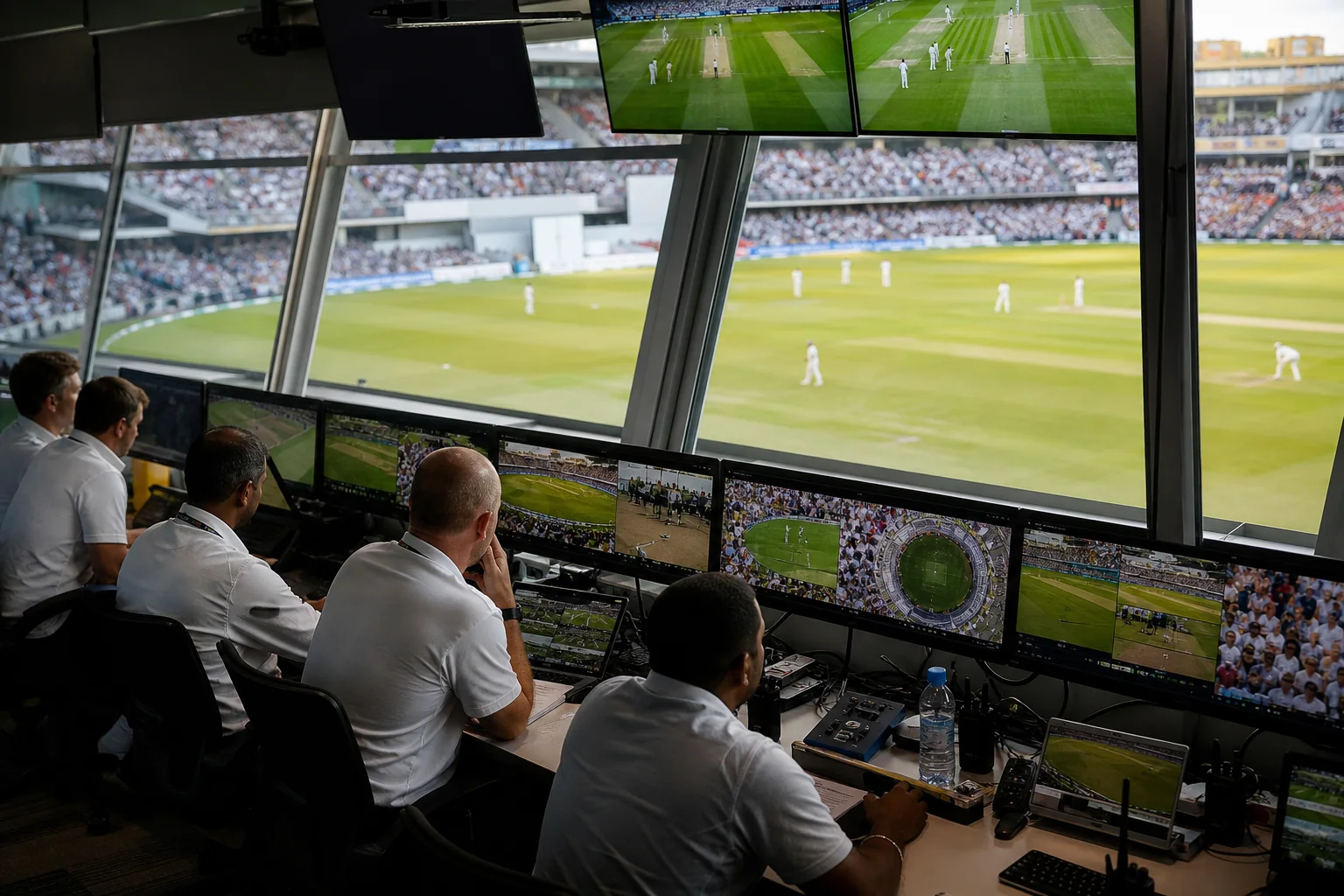
A control room is valuable when it shortens the path from a signal to a well-owned action. This article outlines a command-centre design that supports supervisors without creating surveillance theatre or alert fatigue.
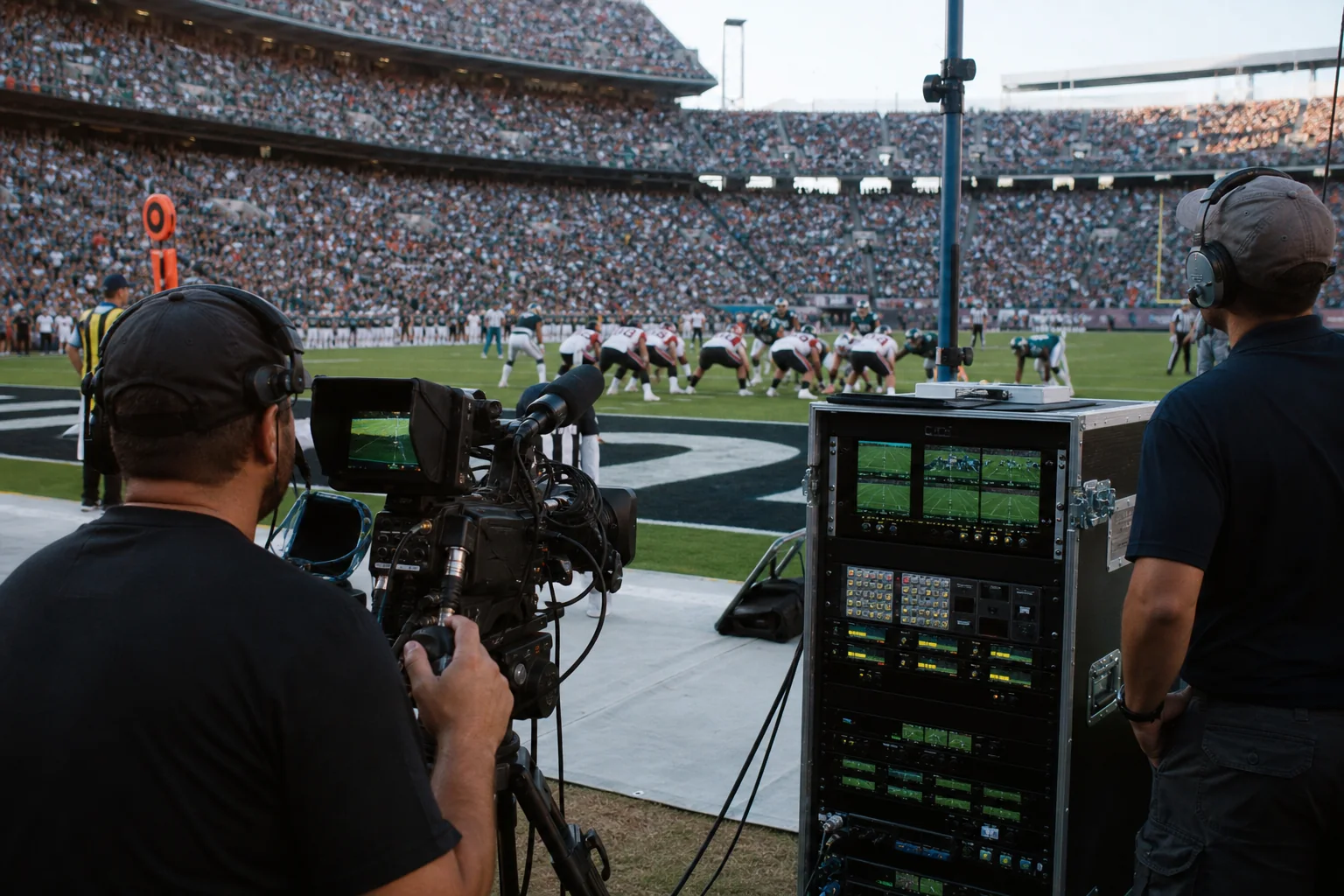
Moving venue production from dedicated video paths to IP can increase flexibility, but it also joins broadcast reliability to network discipline. Use this transition plan to protect match-day operations while modernising the facility.
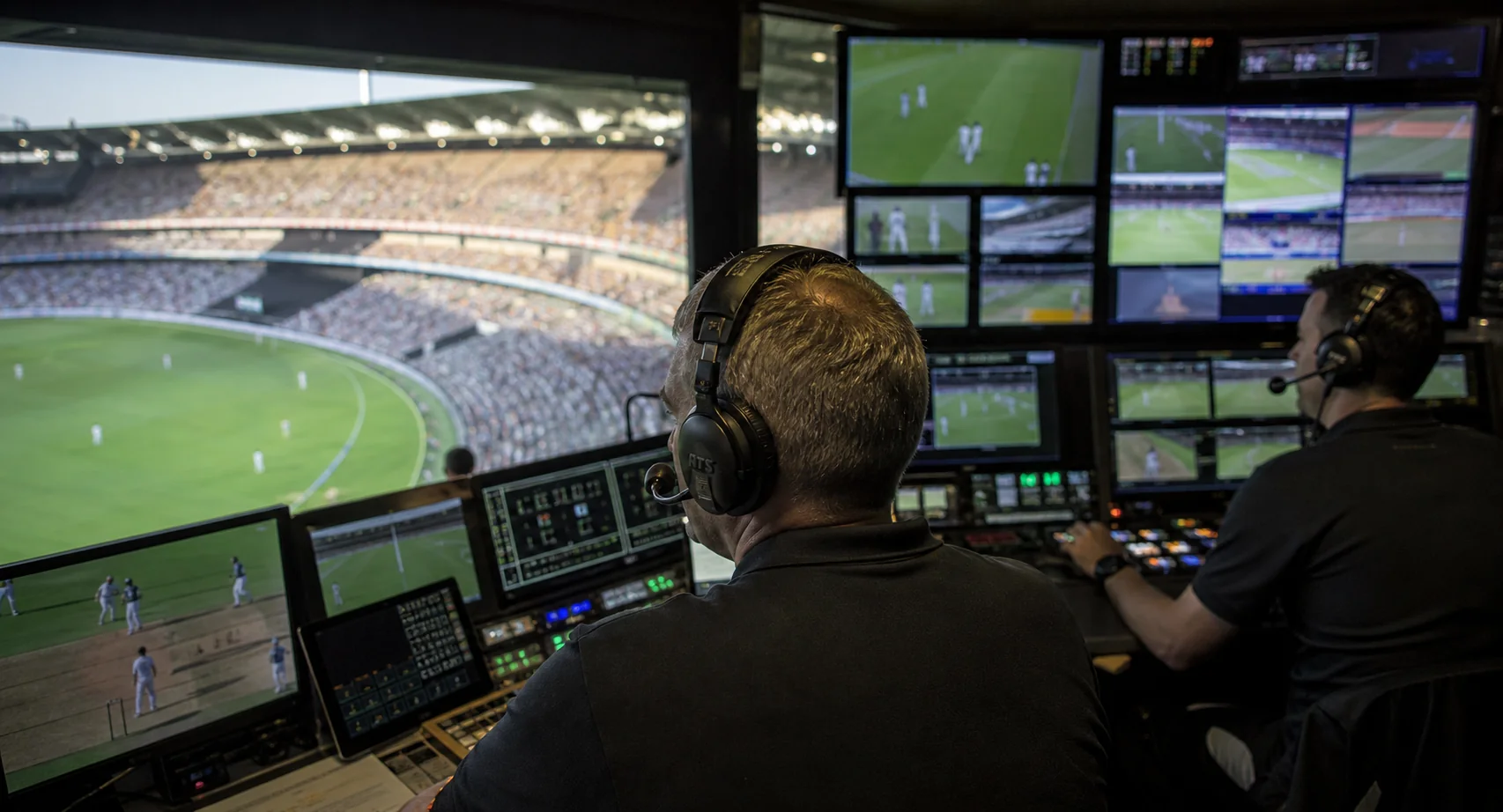
Remote production can relocate parts of a broadcast workflow, yet venue teams still own physical access, camera readiness, and local recovery. This field note defines the handoffs that make distributed production workable on event day.
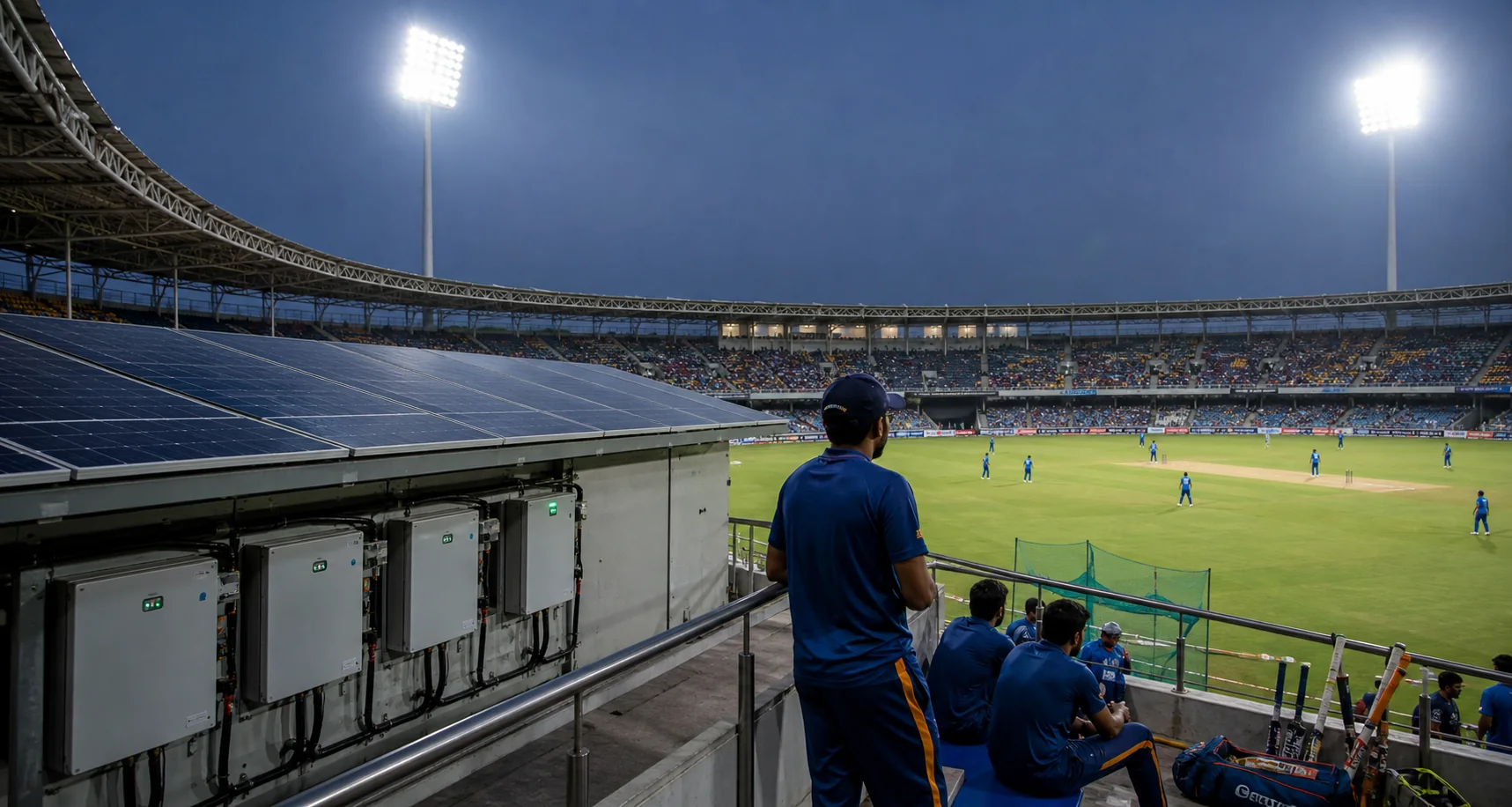
Energy resilience at Indian venues calls for a measured plan that links generation, storage, grid supply, and event priorities. This guide focuses on operating choices, measurement discipline, and safe fallback rather than headline claims about sustainability.
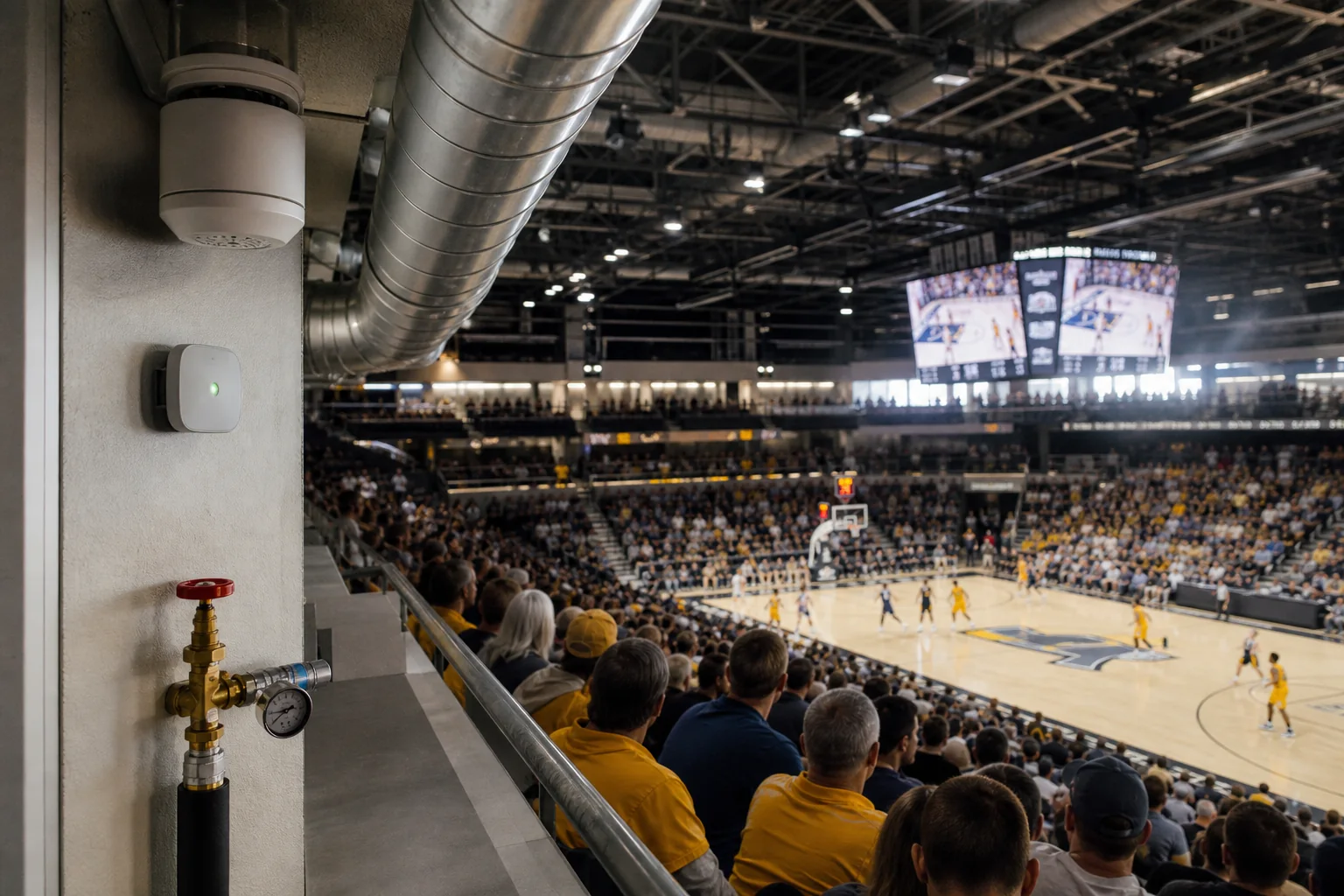
Venue utilities perform best when buildings respond to how spaces are actually used, not a fixed calendar setting. This article shows how to improve HVAC and water operations while protecting comfort, hygiene, and event resilience.
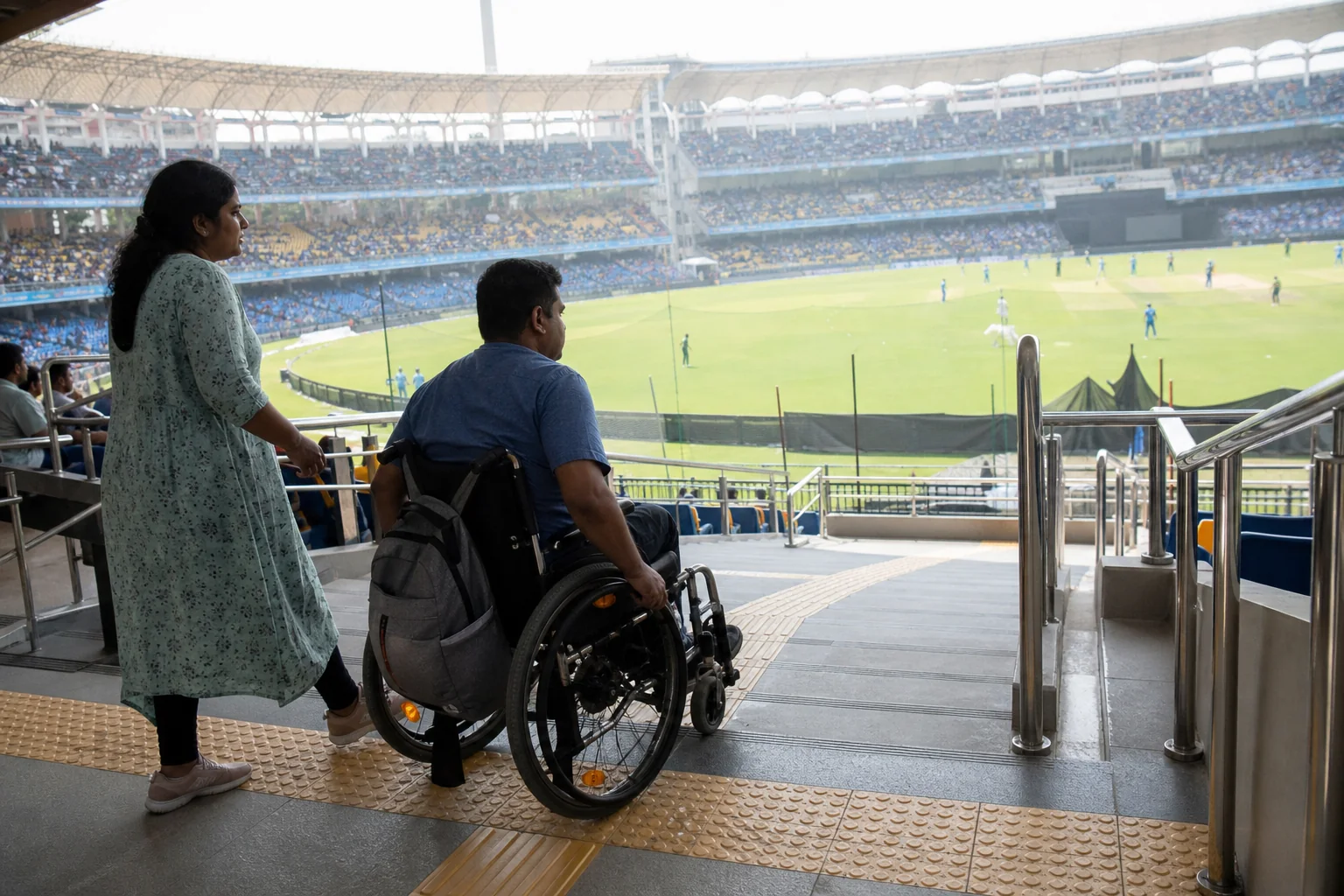
Accessibility is not finished at the accessible entrance; it is a journey through information, queues, seating, amenities, and departure. This guide helps Indian venue teams design for sensory, mobility, communication, and confidence needs in practical event conditions.
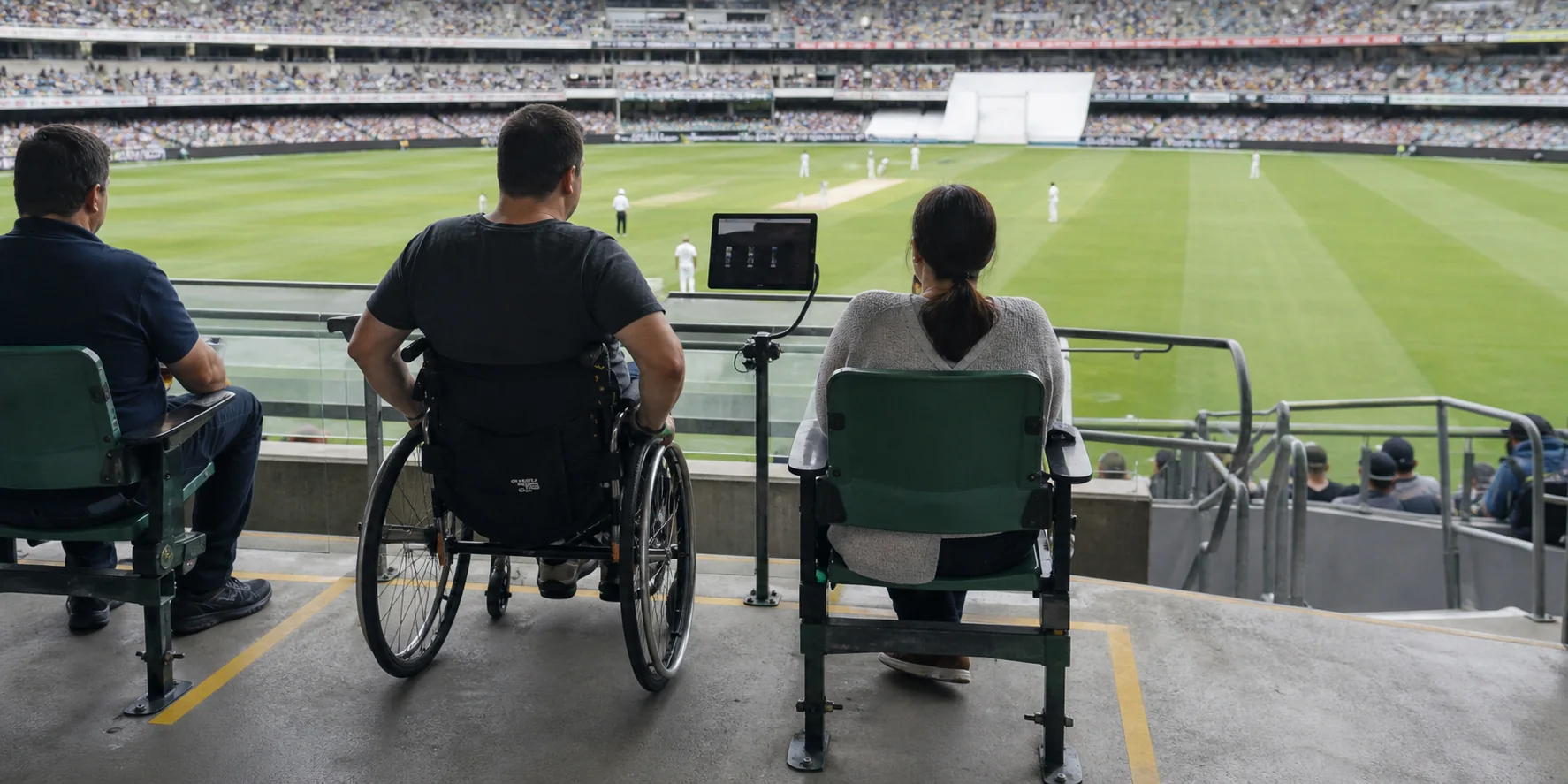
An accessible seat is a commitment to a usable location, clear route, and respectful support—not simply a label in a ticketing map. This field note explains how venues can manage inventory, companions, holds, and event-day changes fairly.
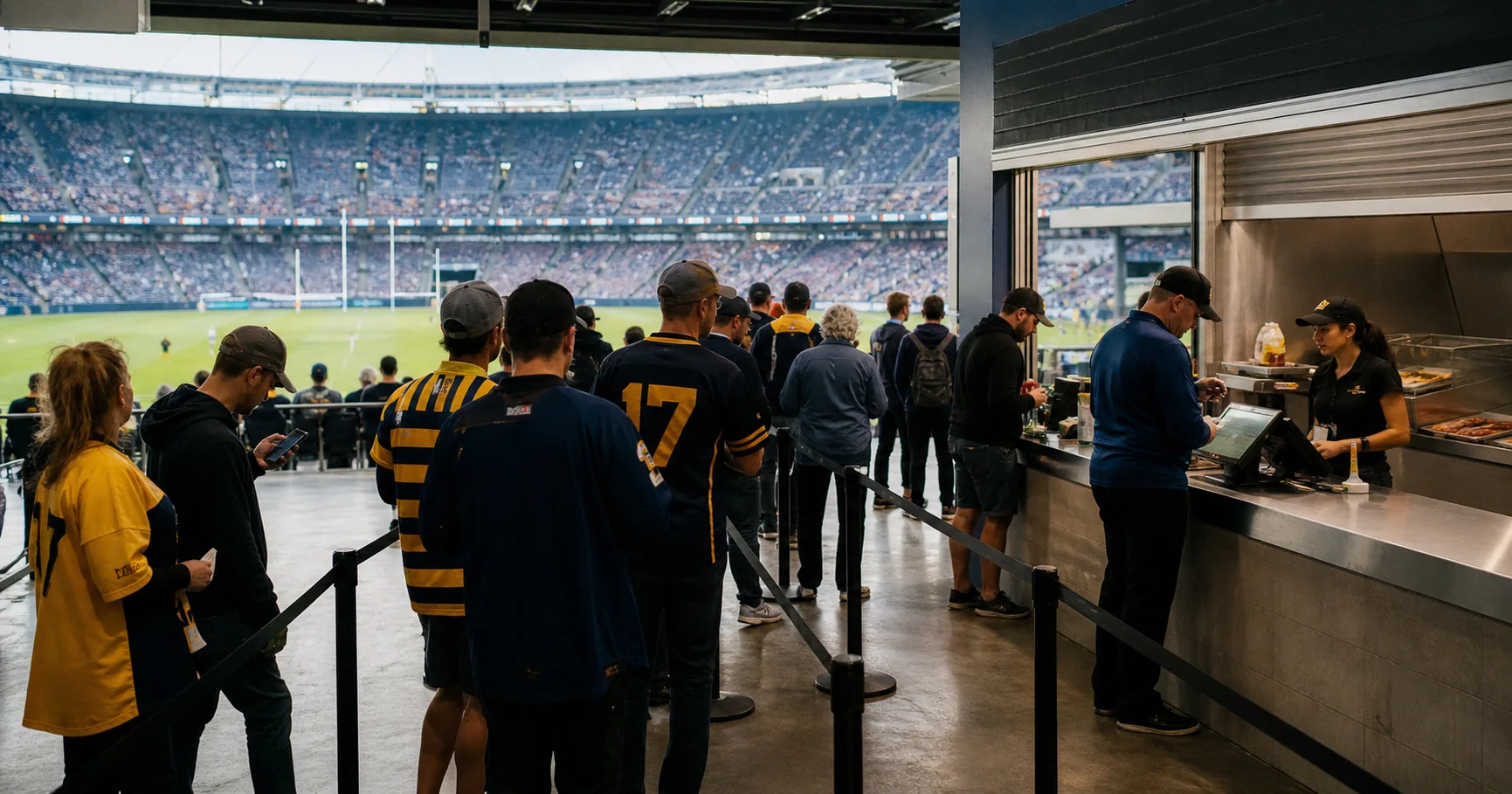
Queues are not merely a customer-service issue; they shape crowd safety, accessible movement, and staff workload. Learn to design a joined-up queue system that uses physical layout, staffing, and information before relying on an app.
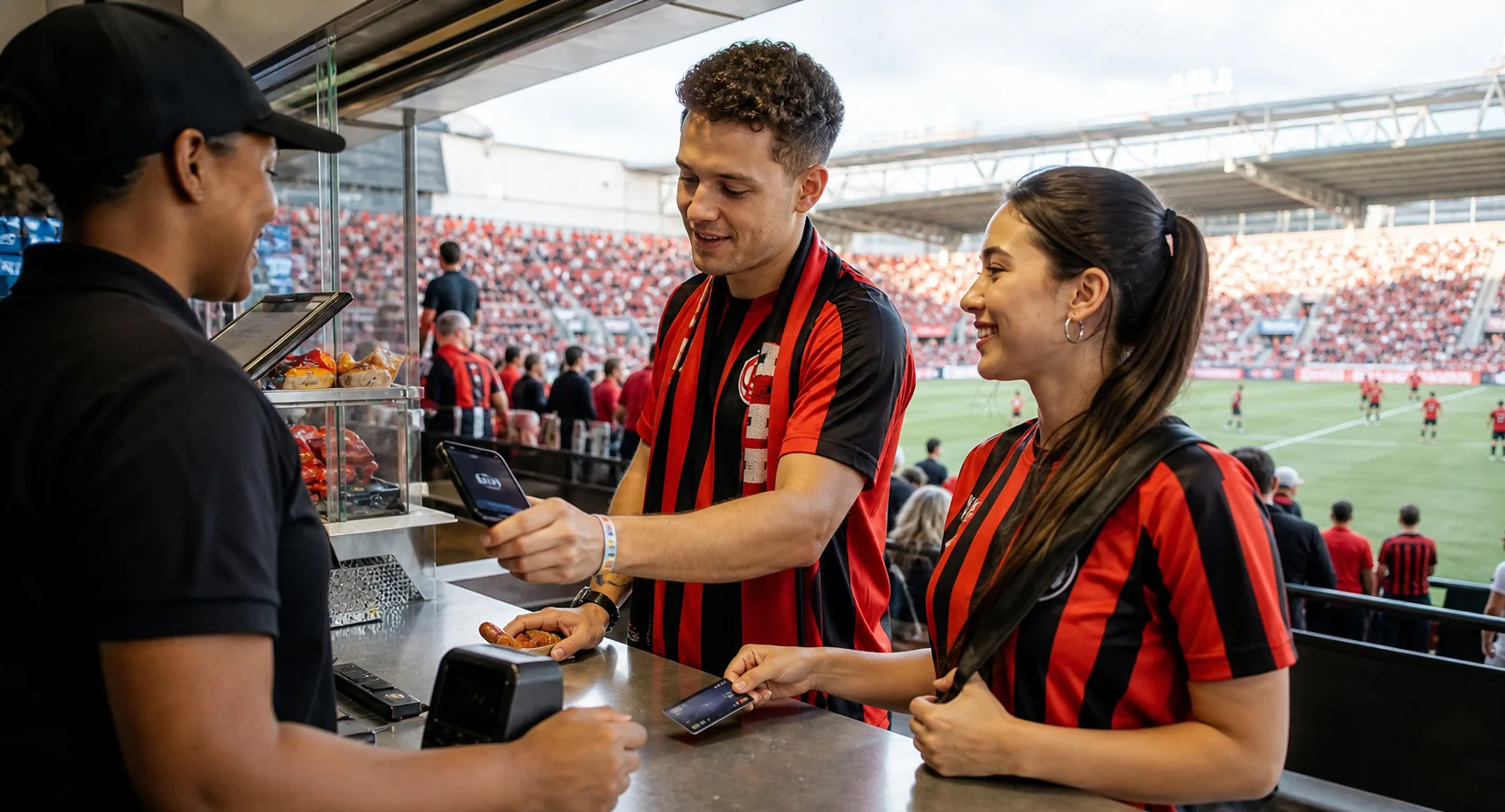
Digital payment can make concession operations faster, but payment failure and exclusion risk must be designed into the service. This article offers a practical framework for cashless or low-cash venues that remains usable when devices, networks, or accounts fail.
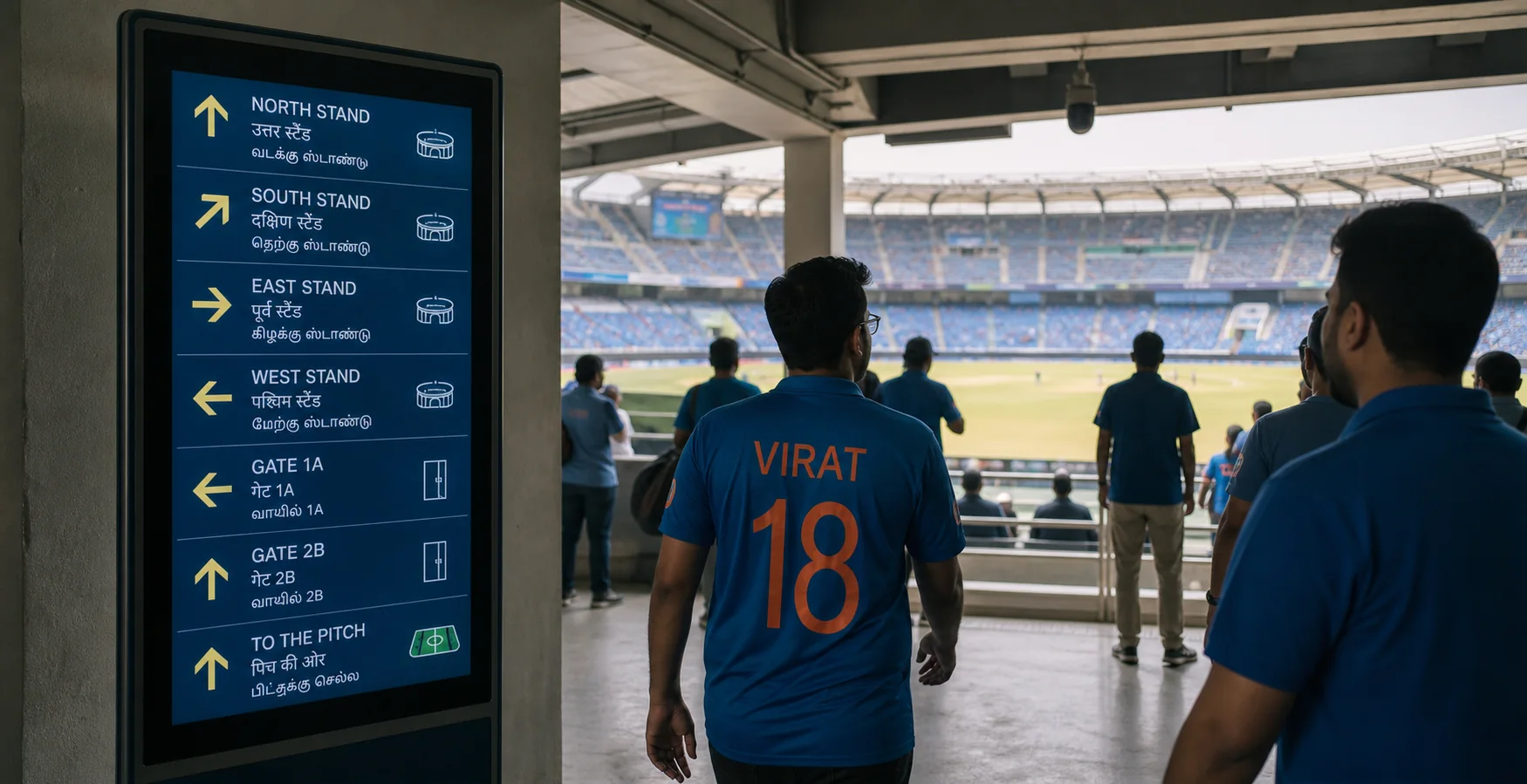
In a multilingual venue, signage must help people act quickly without creating conflicting instructions or inaccessible displays. This field note shows how Indian sports venues can govern digital messages as an operational system.
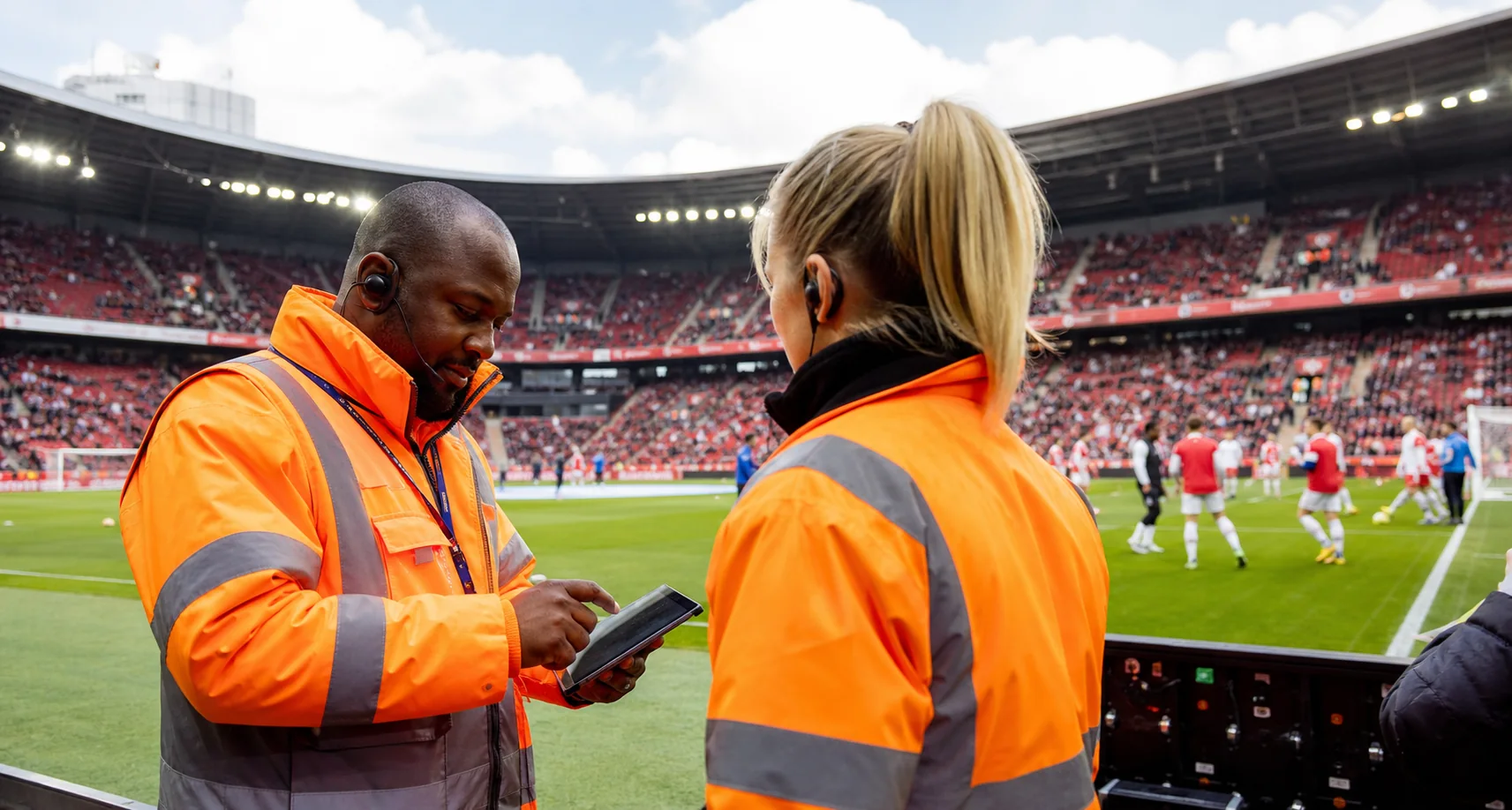
Scheduling, tasking, and radio coordination tools can improve readiness, yet they should not reduce event staff to an always-tracked data source. This guide balances operational visibility with proportionate workforce governance.
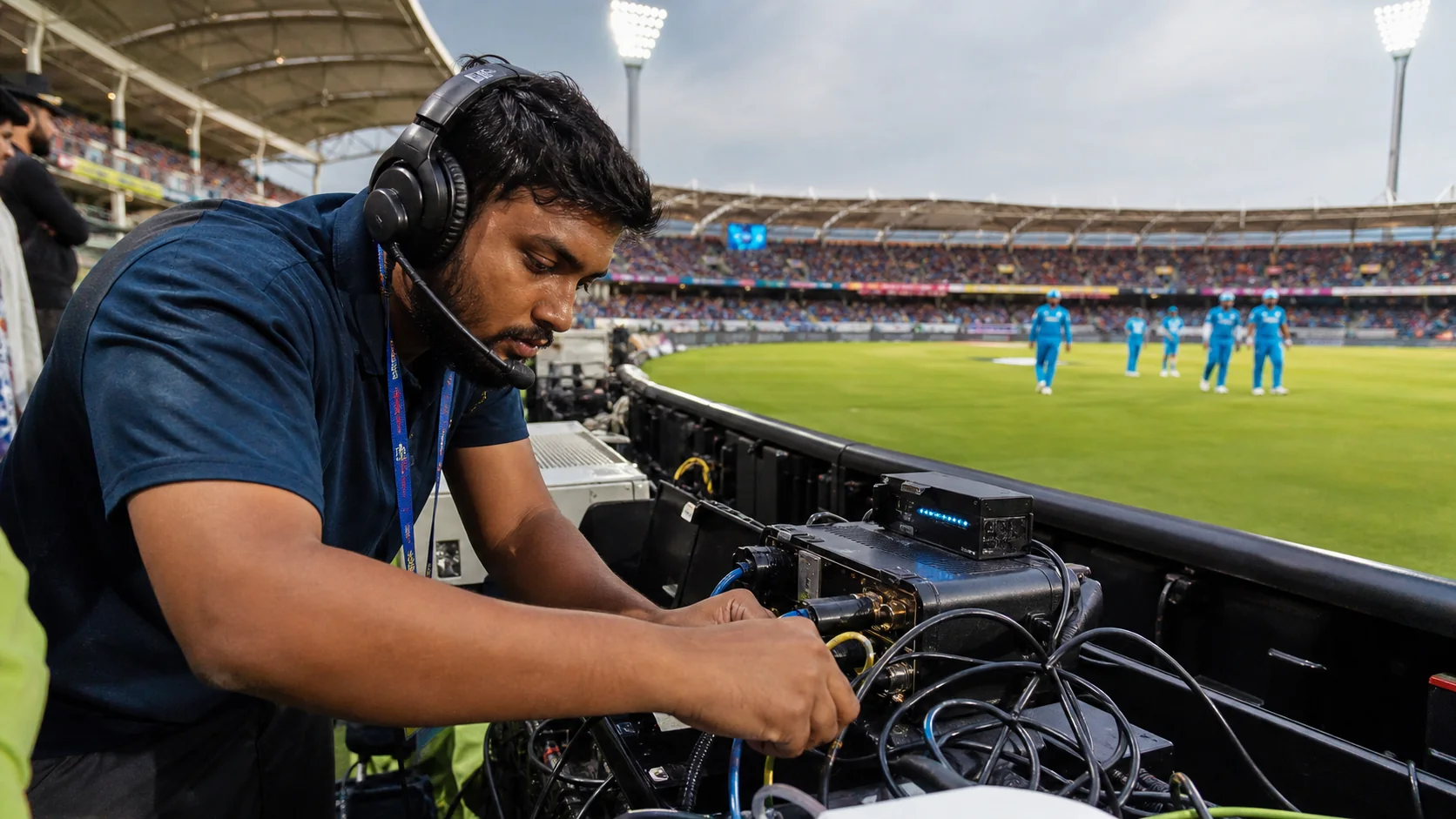
A venue cyber incident can become a physical operations problem when access, screens, building controls, or communication tools are affected. This deep dive turns cyber resilience into practical event-readiness decisions.
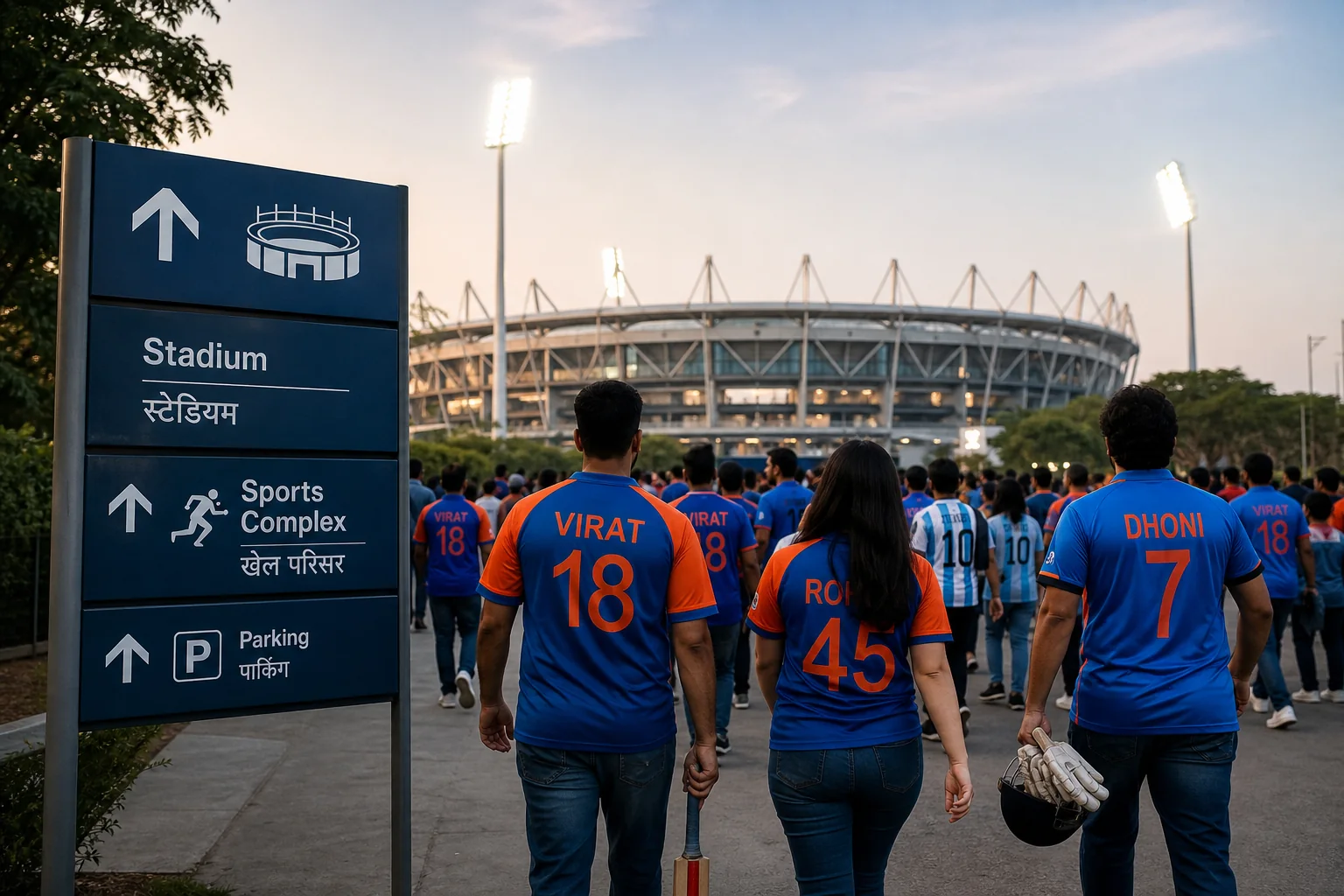
The fan journey starts at the transport interchange, neighbourhood street, or drop-off point rather than the turnstile. This guide helps Indian venue operators coordinate clear, accessible last-mile guidance with changing event conditions.
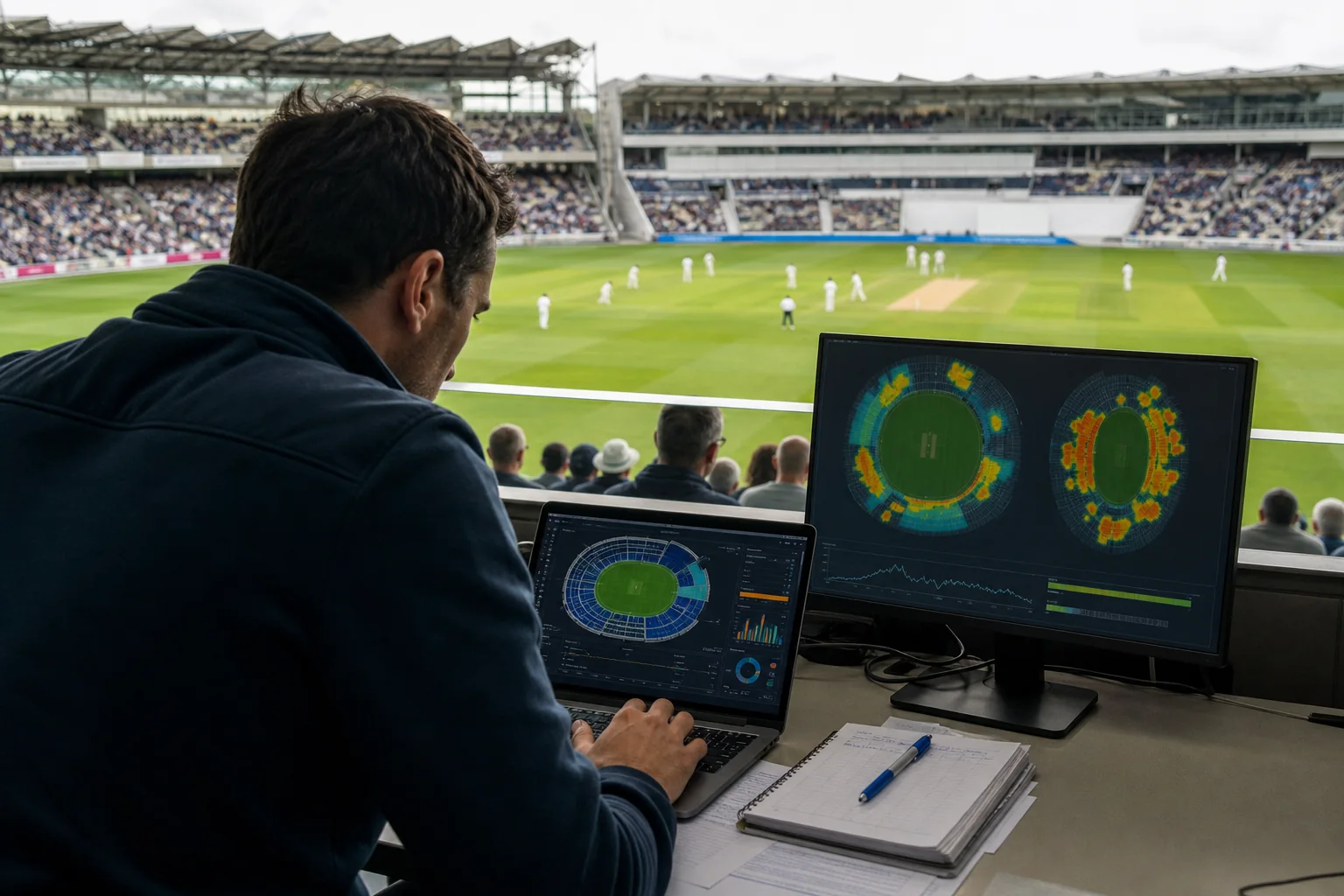
Venue teams need timely information to operate gates, services, and support, but more data is not automatically better. This article sets a proportionate governance model for combining fan operations data without losing purpose or trust.