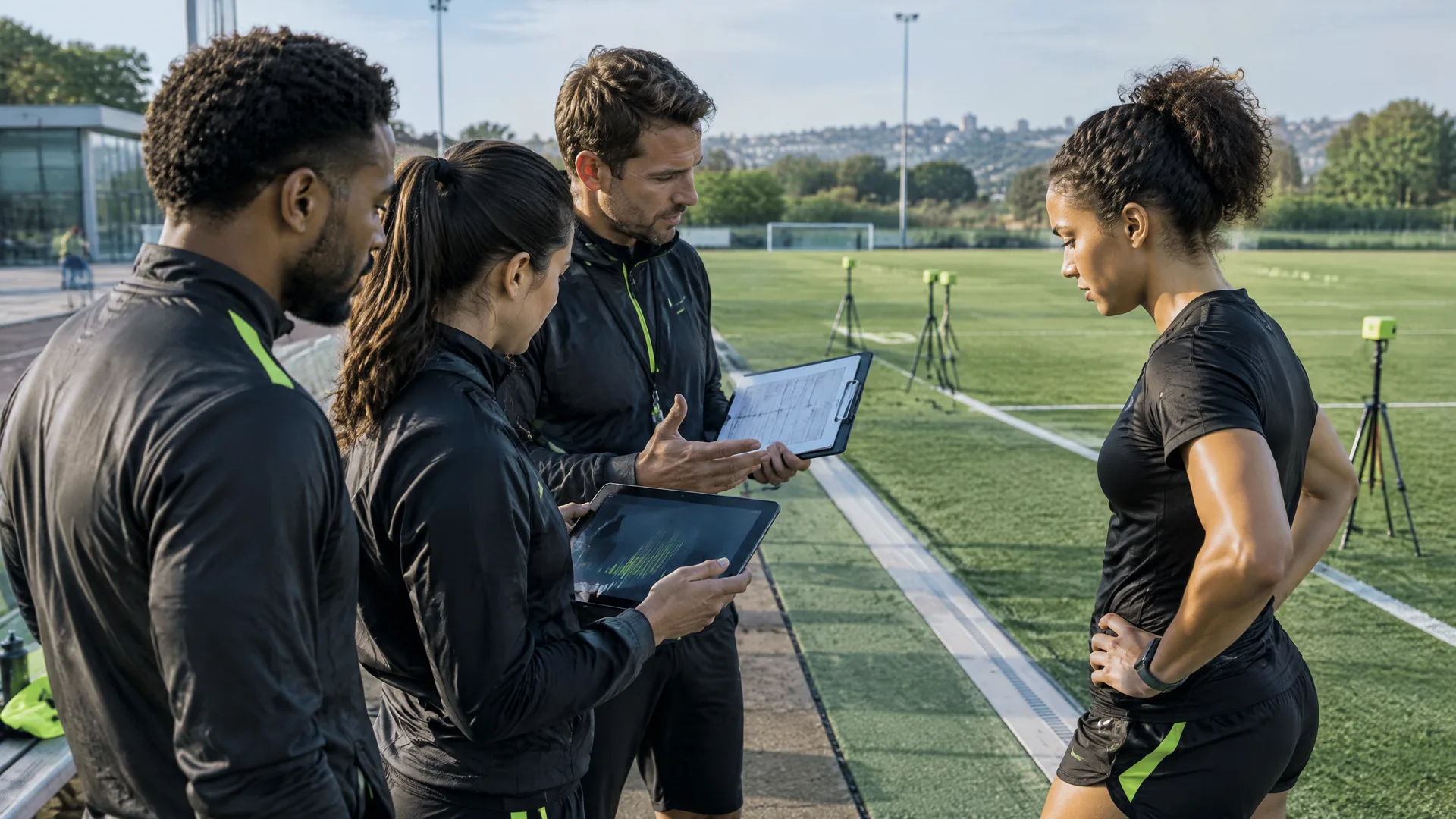
Performancedeep dive
Athlete Performance Tracking: A Decision-First Framework
A practical framework for turning athlete performance tracking into accountable, proportionate decisions rather than a stream of disconnected measurements.
Field notes and explainers on training design, tactics, biomechanics, skill development, recovery and multidisciplinary performance work.
23 in-depth storiesA practical framework for turning athlete performance tracking into accountable, proportionate decisions rather than a stream of disconnected measurements.
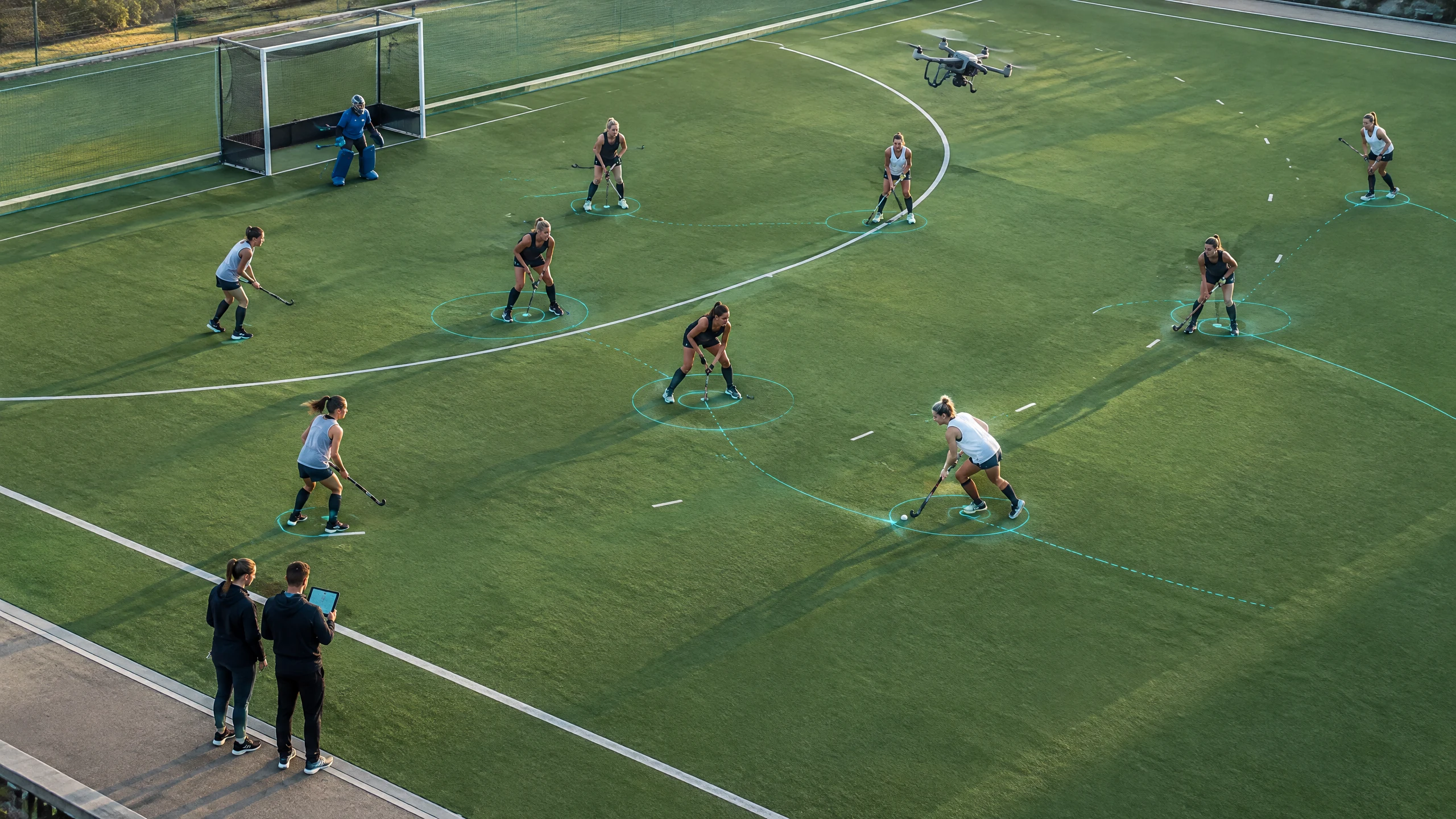
South Korea’s hockey and shooting teams are using AI video analysis in training. What coaches can act on—and what the report does not prove.
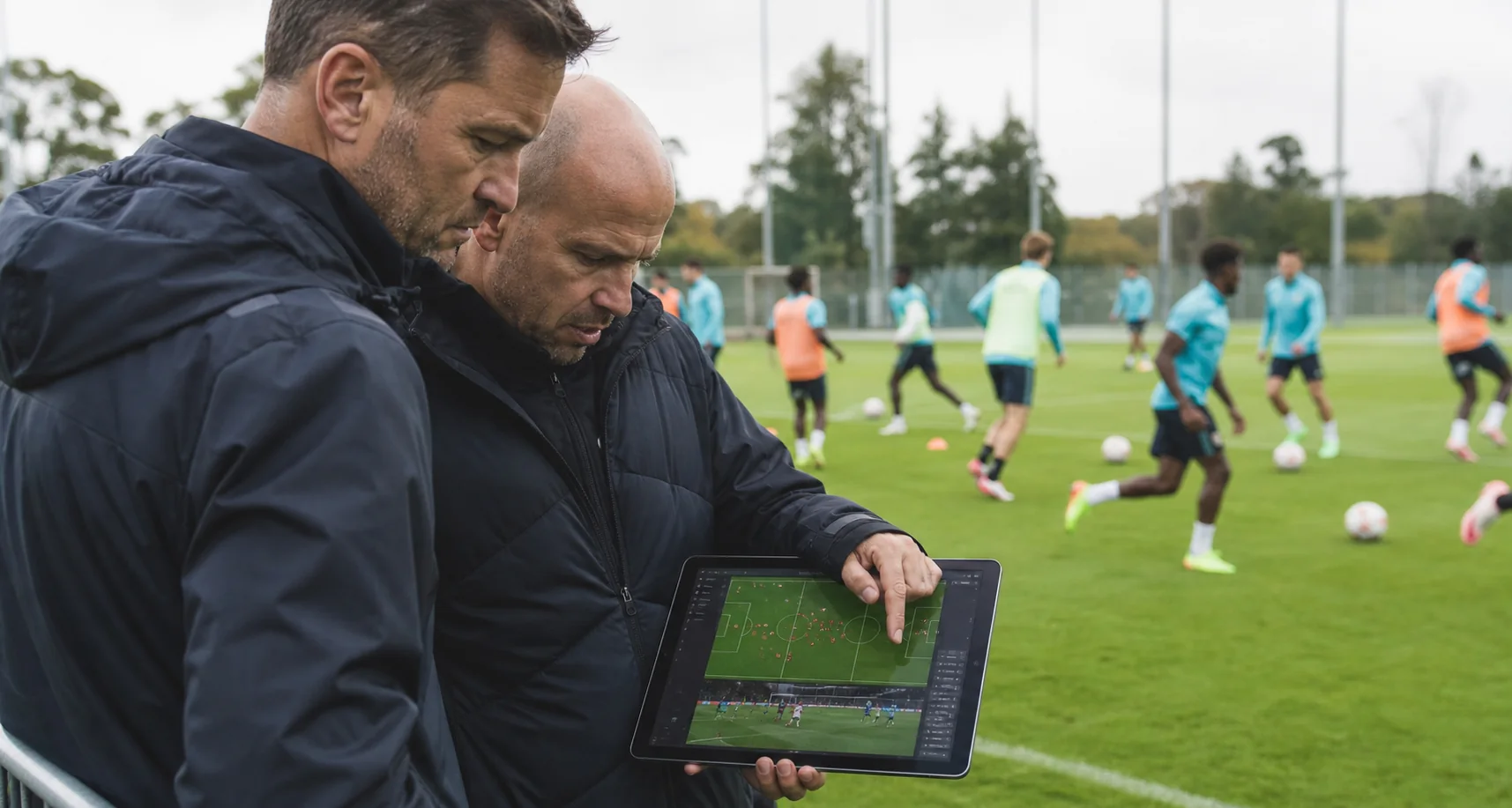
Why the best analysis starts with a decision in the dugout, not a dashboard in the data lab.
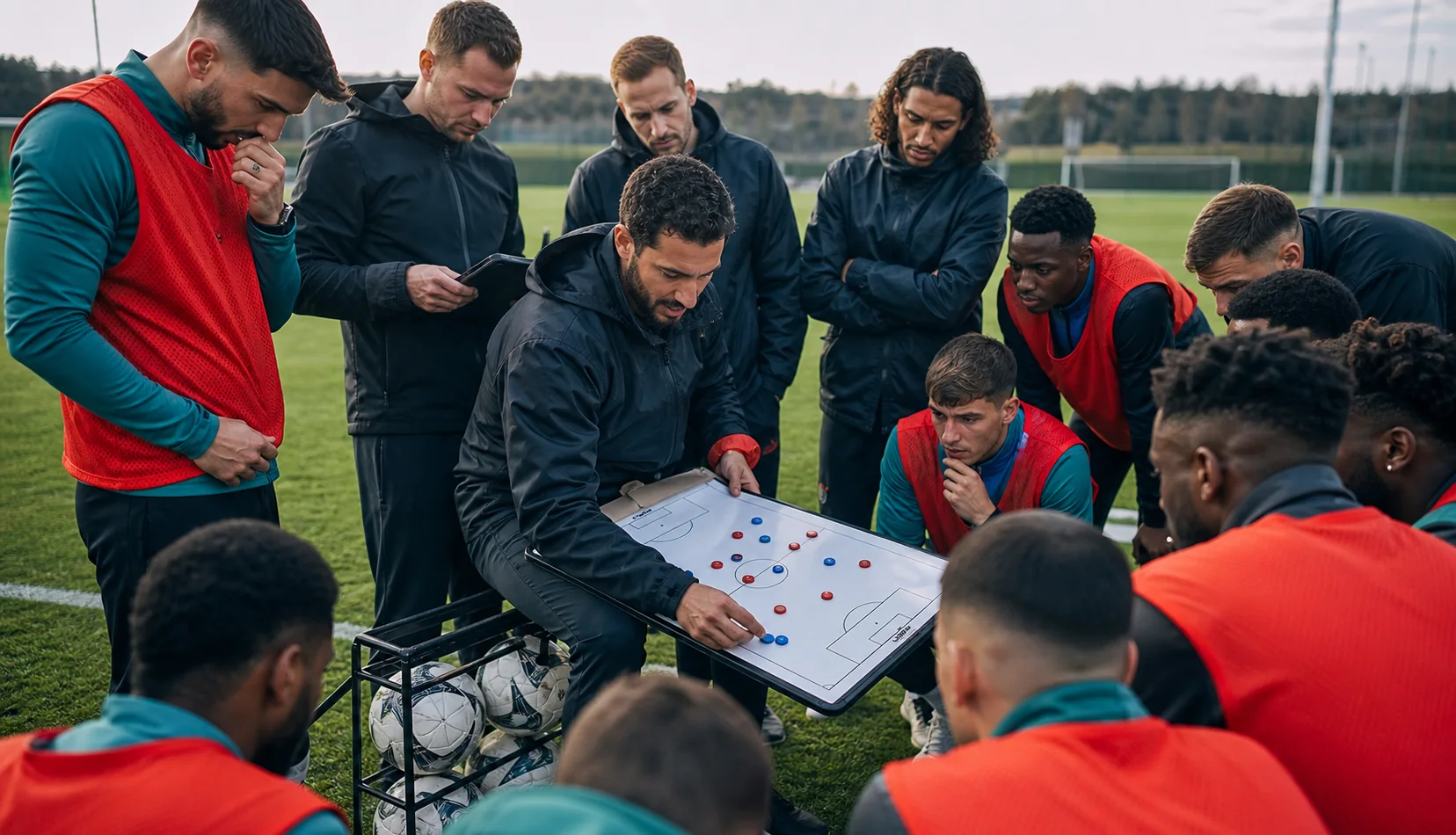
A daily huddle should reduce noise, clarify ownership, and change the day’s plan when the evidence warrants it. This guide sets out a fast agenda that joins coaching, performance, venue, and athlete information without creating a meeting culture.
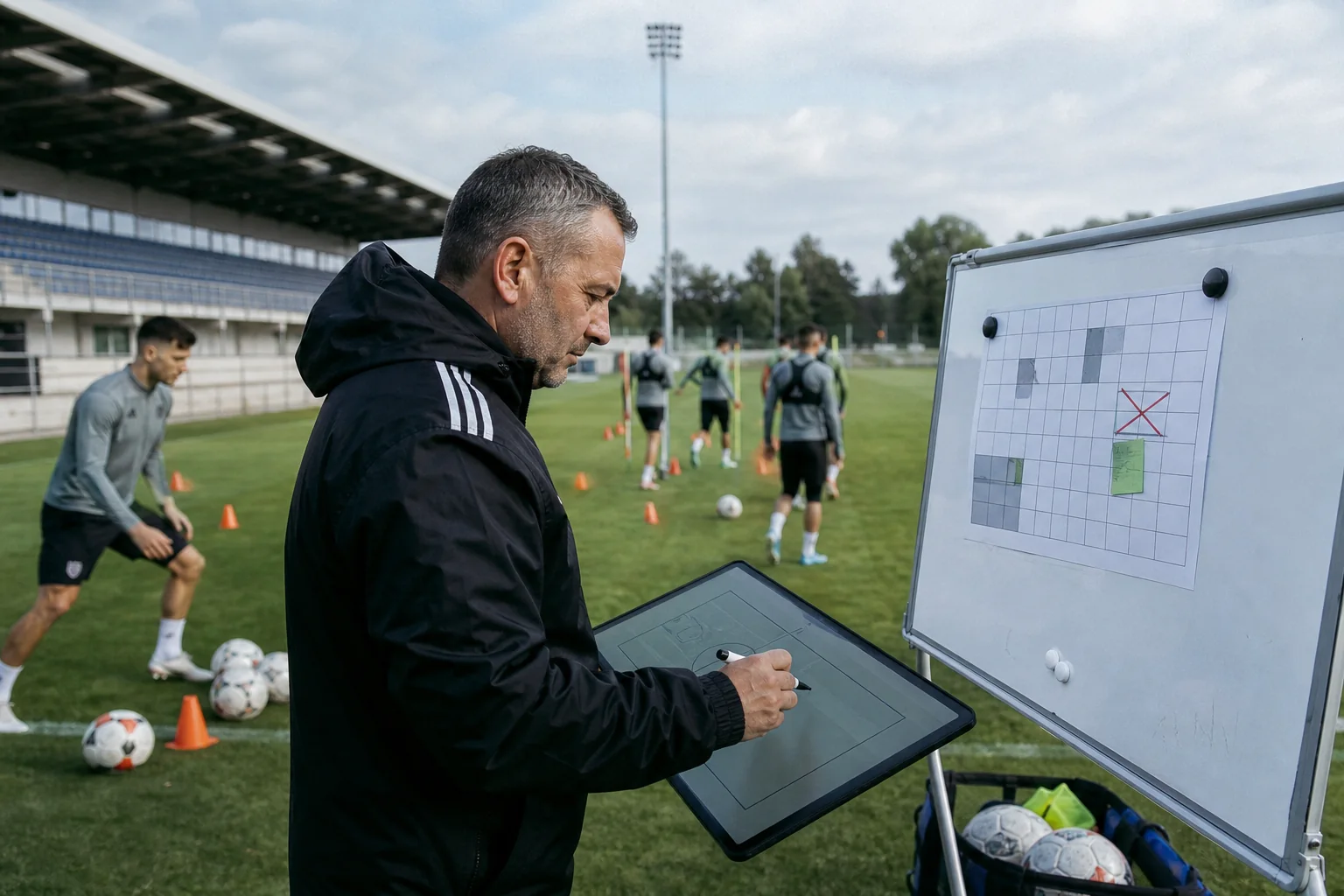
A resilient microcycle is built from decision rules, not a beautiful weekly template. This guide shows coaches how to preserve high-value work when travel, rain, and late fixture changes disrupt the plan.
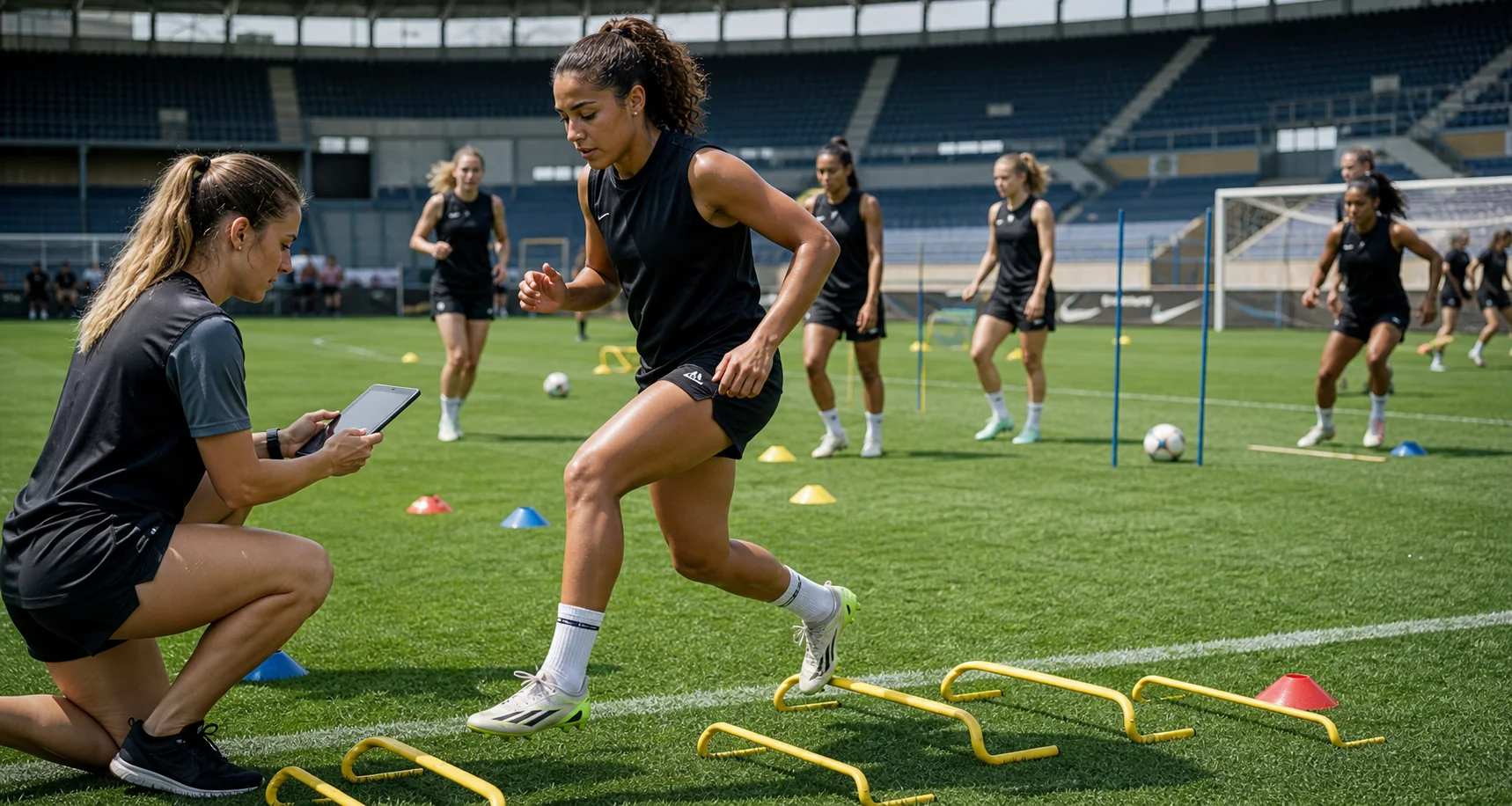
Individualisation starts with asking athletes what helps them train and compete well, then designing choices around real context. A respectful system avoids stereotypes, protects privacy, and gives coaches practical information for daily decisions.
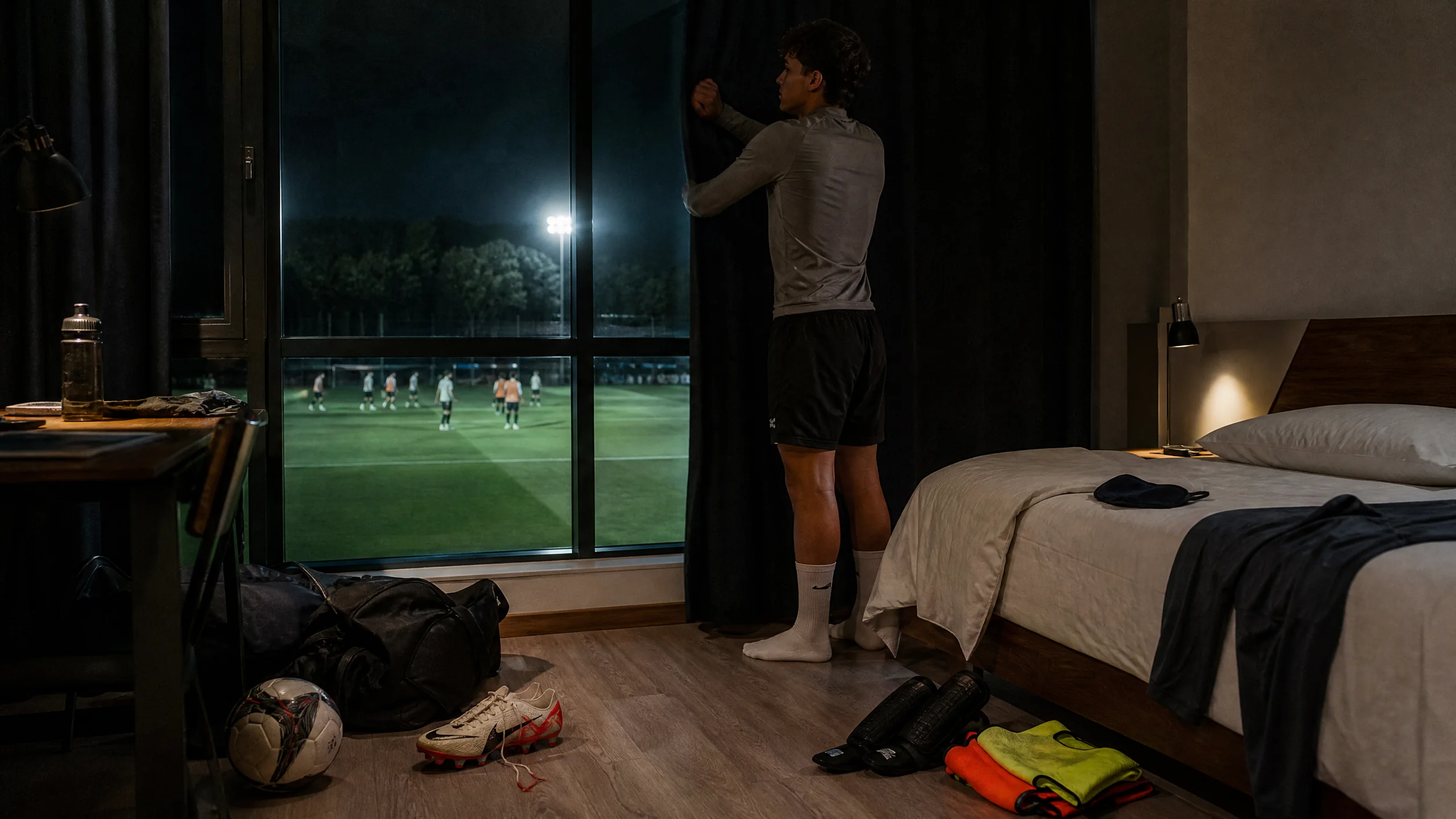
Sleep support in camp begins with schedule design, room logistics, and fewer late disruptions—not surveillance of athletes at night. Learn how to build a respectful operating system that protects opportunity while keeping personal information private.
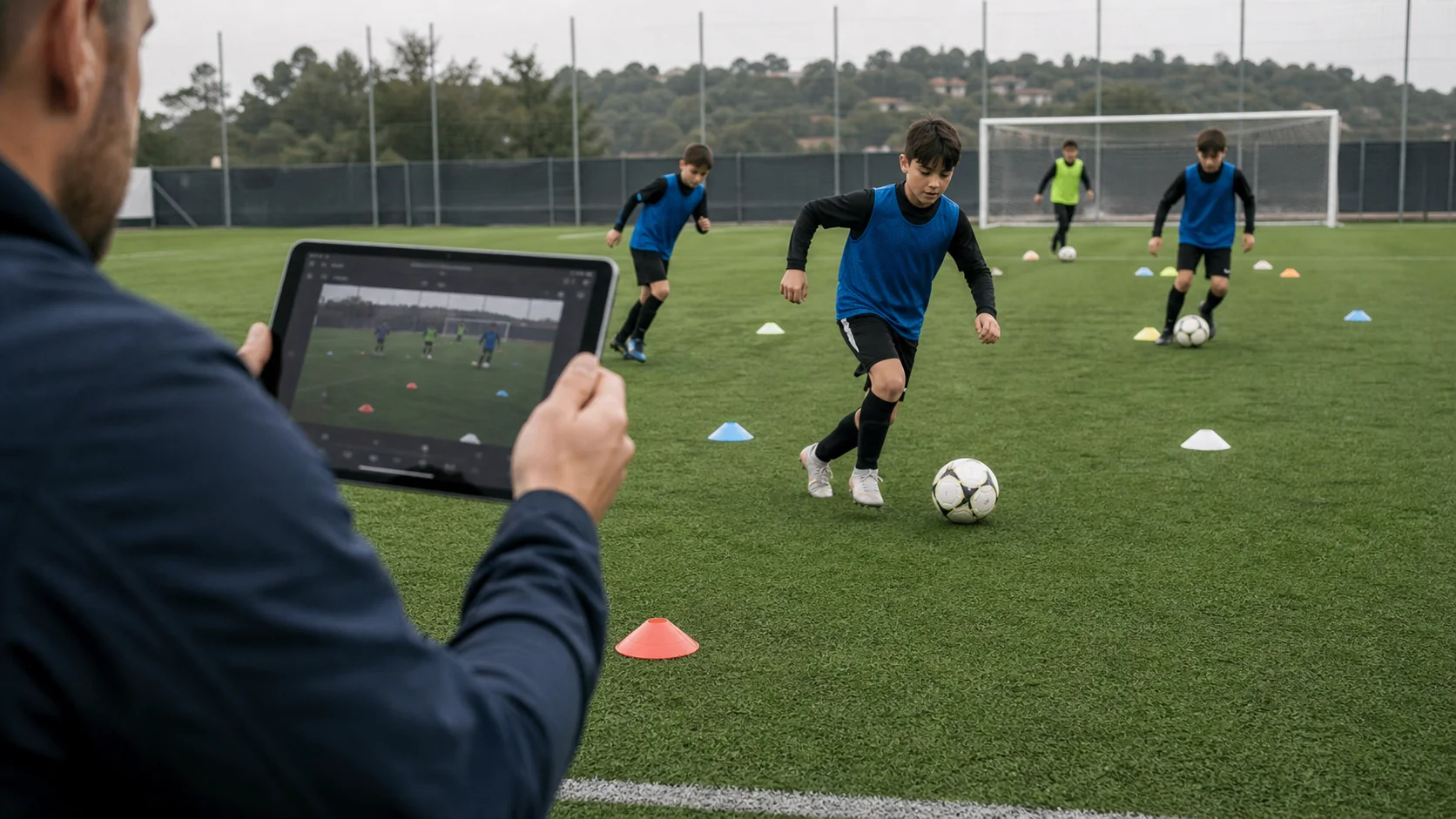
Better drills shape what athletes attend to, explore, and repeat under realistic pressure. Use constraints to guide learning while preserving room for different bodies and credible solutions.
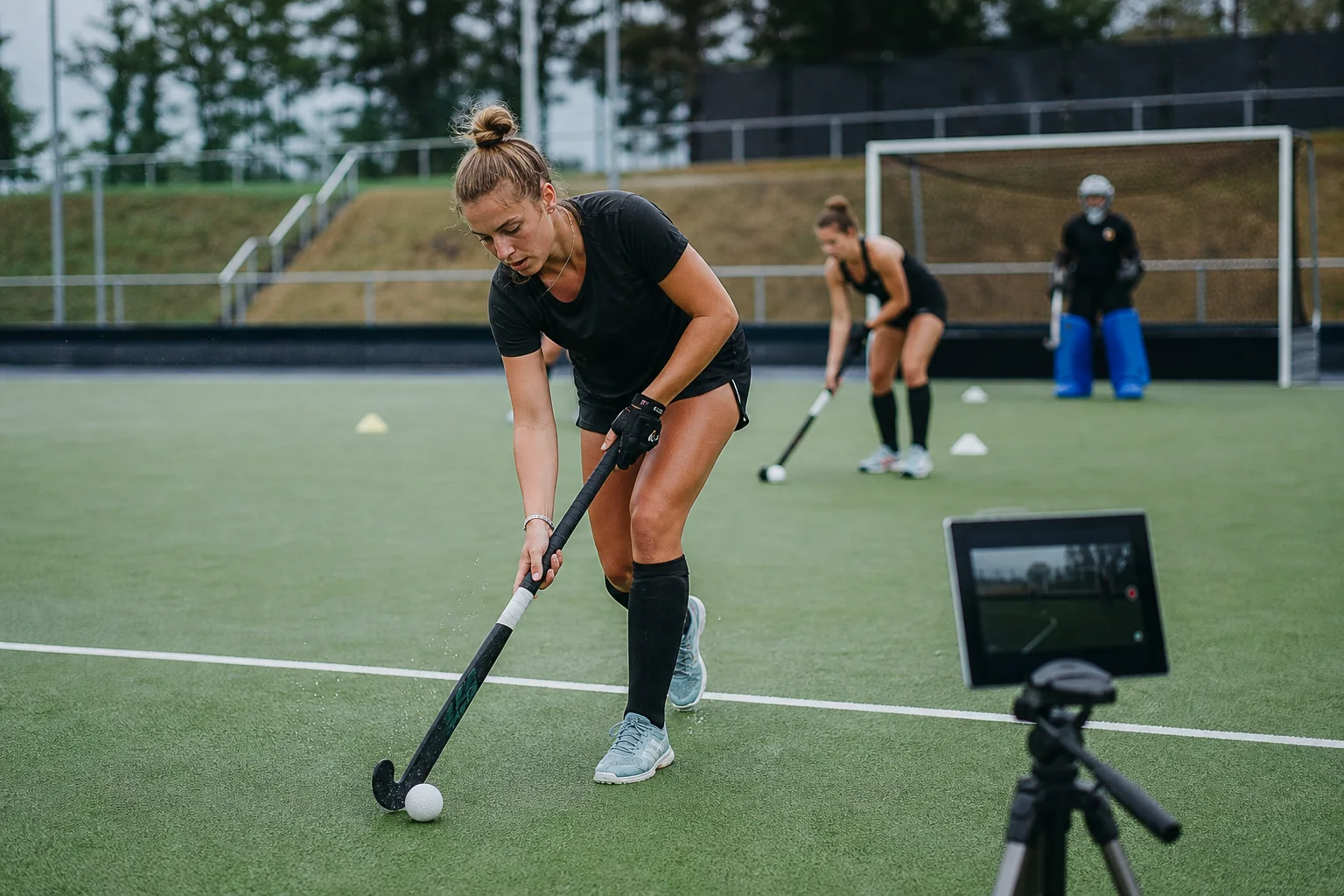
Turf speed, water availability, and training time can change the feel of hockey practice overnight. Keep the tactical objective stable while adapting ball speed, contact, running load, and session setup to the surface you actually have.
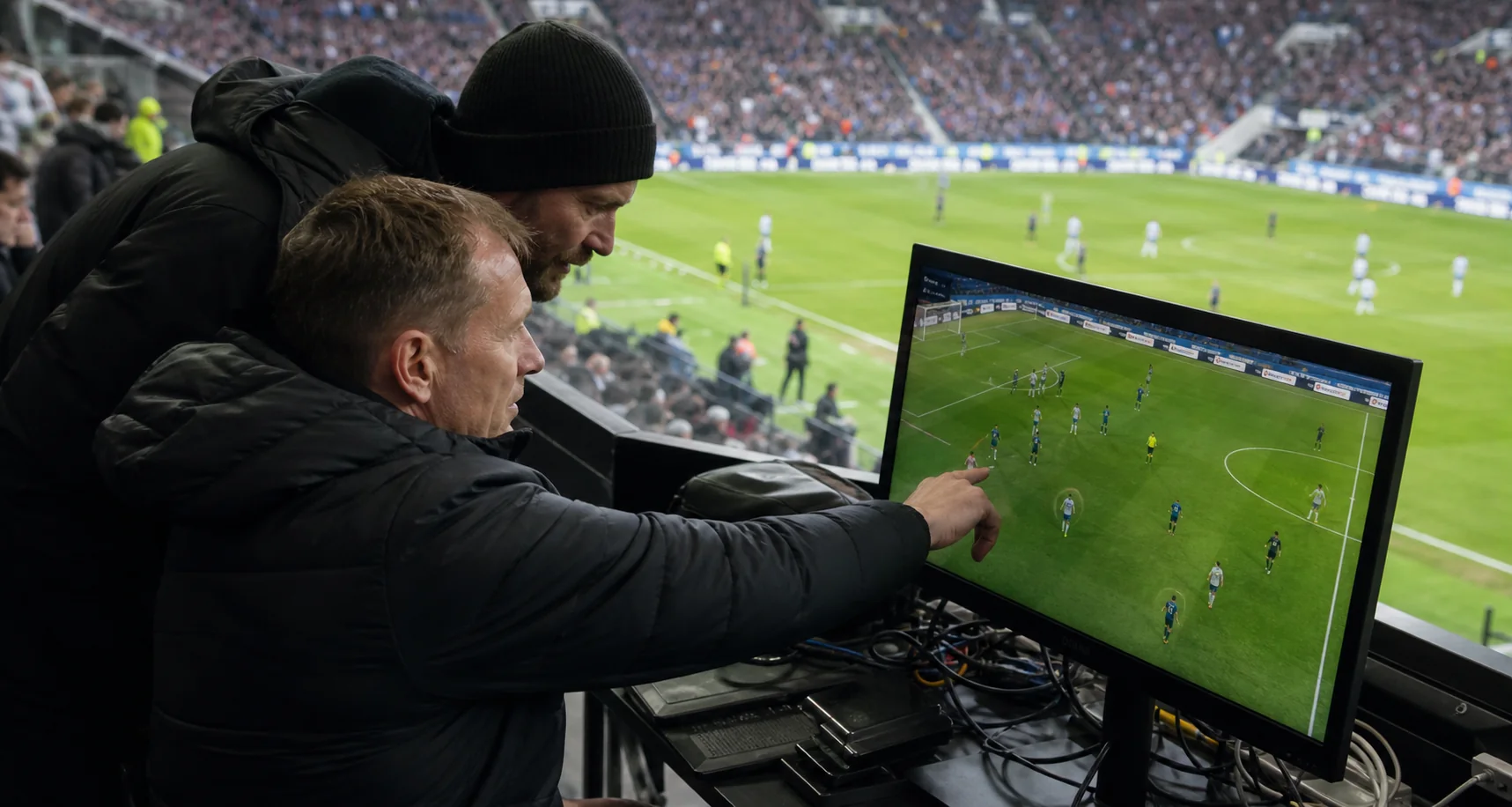
Video becomes useful only when it changes what a player notices and chooses under pressure. Build a review process that starts with a tactical question, limits noise, and reconnects footage to the next practice.
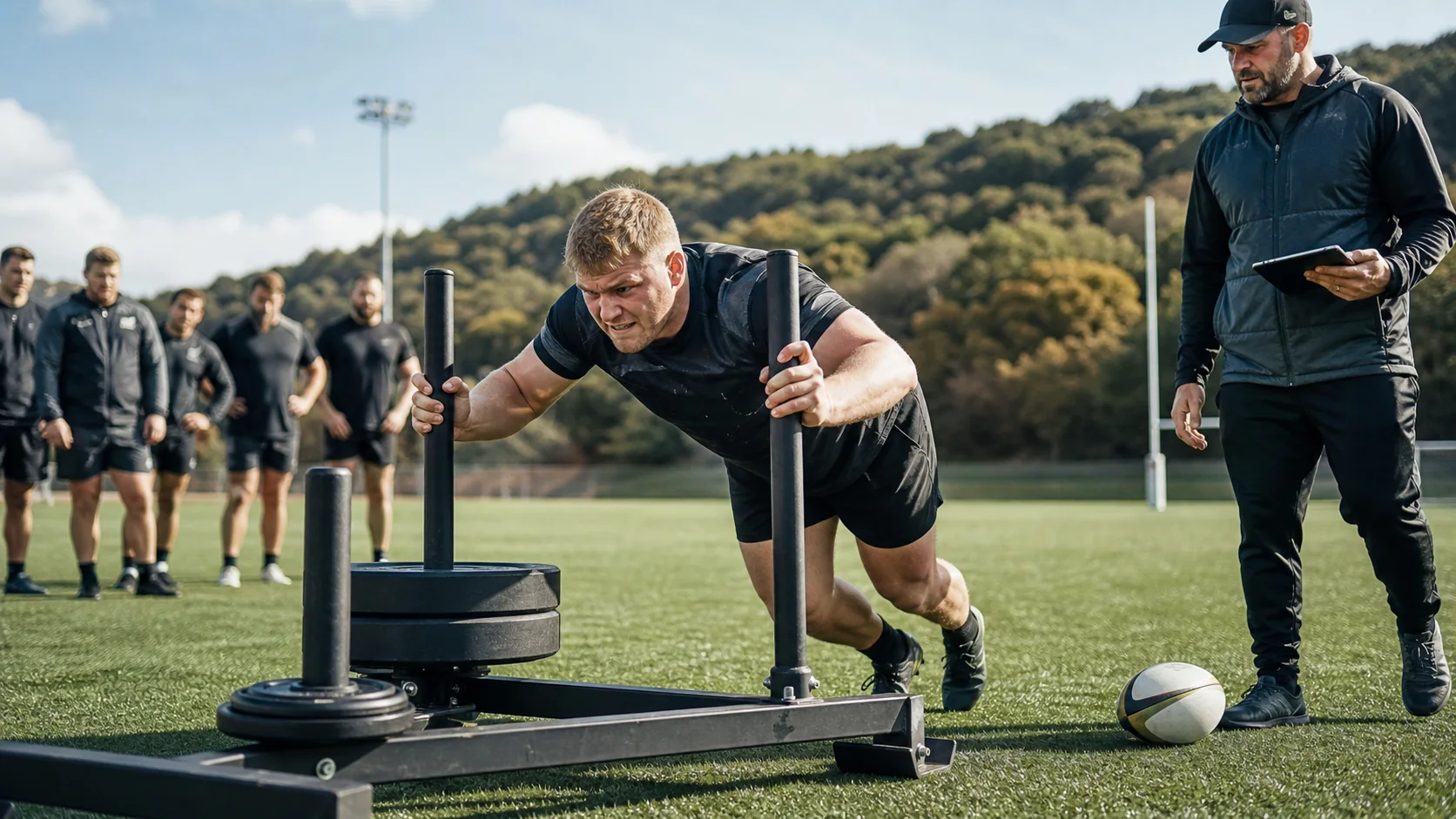
Power sessions transfer best when they are linked to a sporting action, a position in the week, and an honest measure of quality. This guide helps staff select, progress, and review explosive work without chasing novelty.
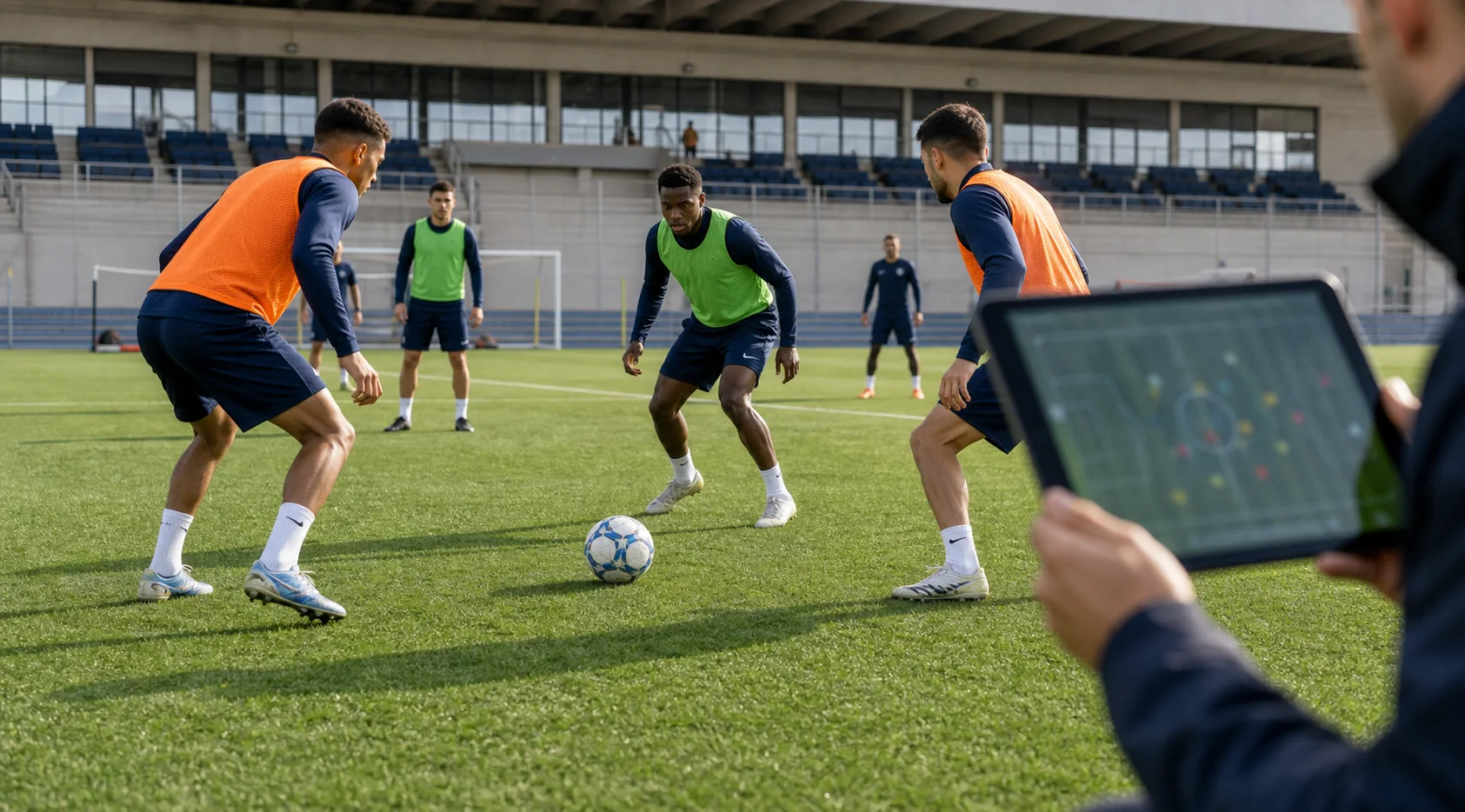
Pressing practice should teach players what to see together, not merely reward hard running. Build drills that connect triggers, cover, communication, and recovery shape at the speed of the game.
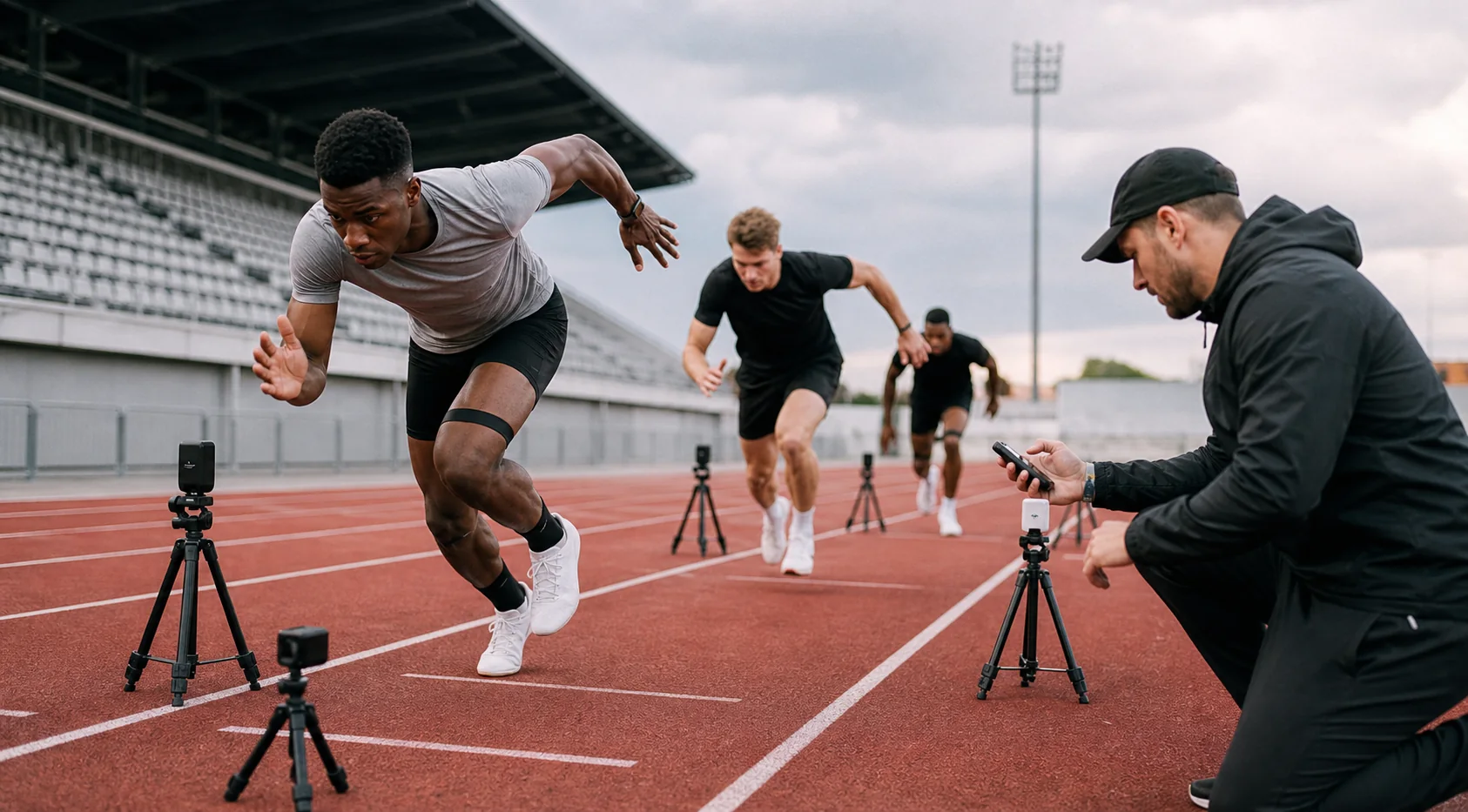
Sprint exposure needs intent, spacing, and trustworthy observation, especially in team-sport weeks. Plan fast running as a skill-and-capacity stimulus rather than a punishment or a last-minute conditioning add-on.
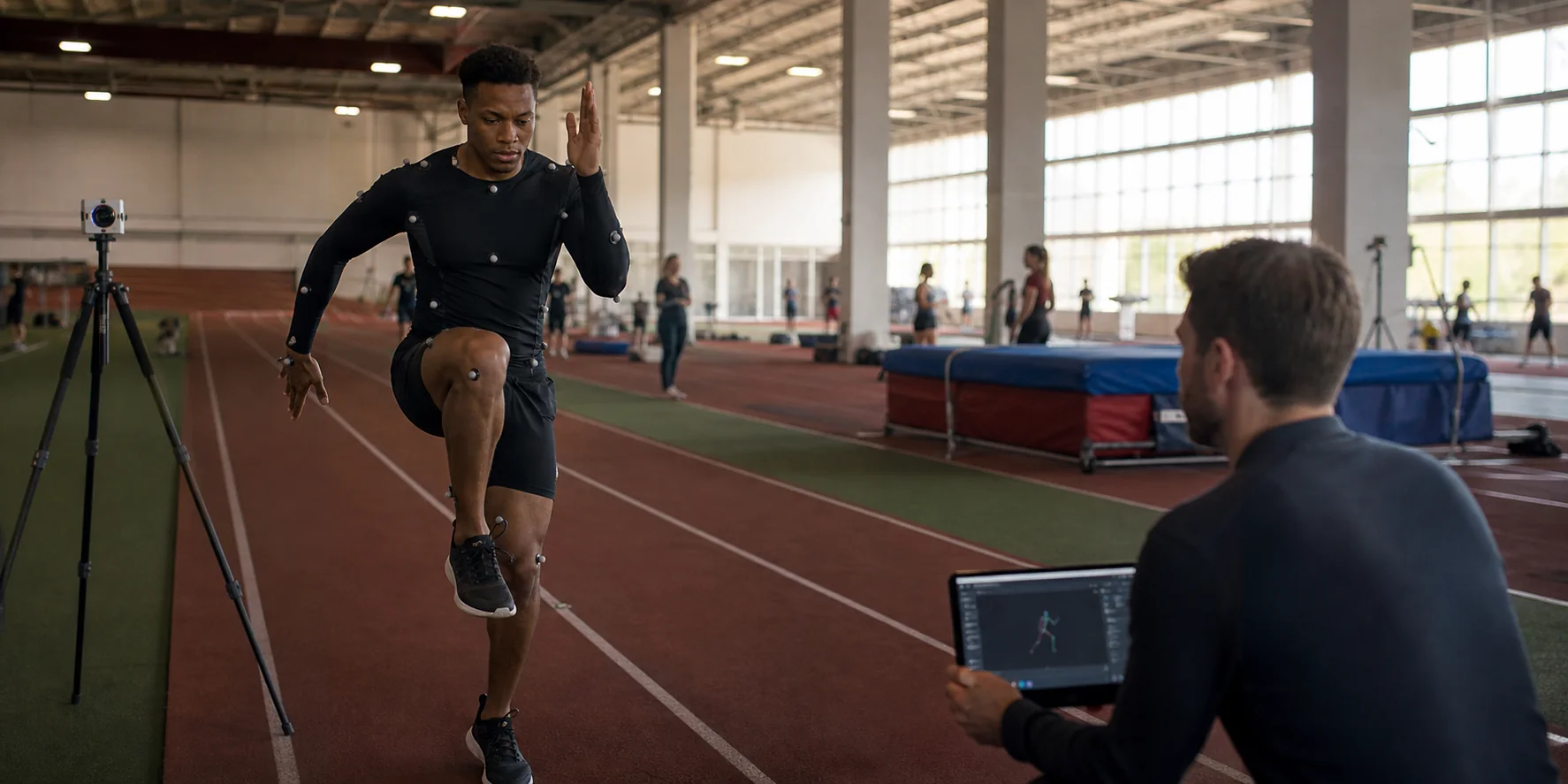
Movement screening is most useful when it directs a safe, coachable conversation rather than labels bodies as broken. This article outlines a repeatable field workflow for observing movement, selecting interventions, and respecting the limits of the evidence.
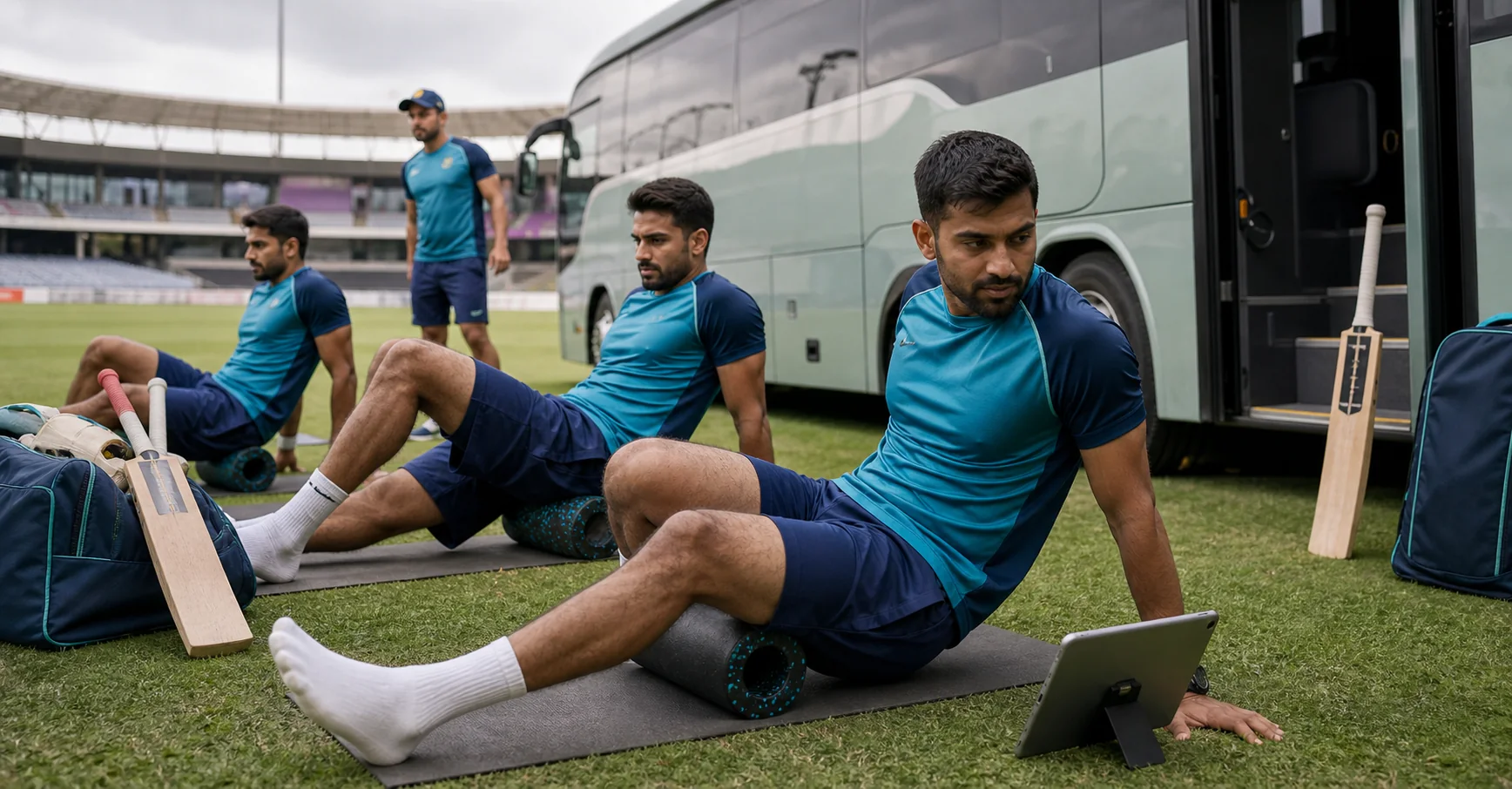
Travel recovery is an operational system, not a collection of expensive rituals. Map friction across the trip, give athletes meaningful choices, and use simple checks to protect the next training decision.
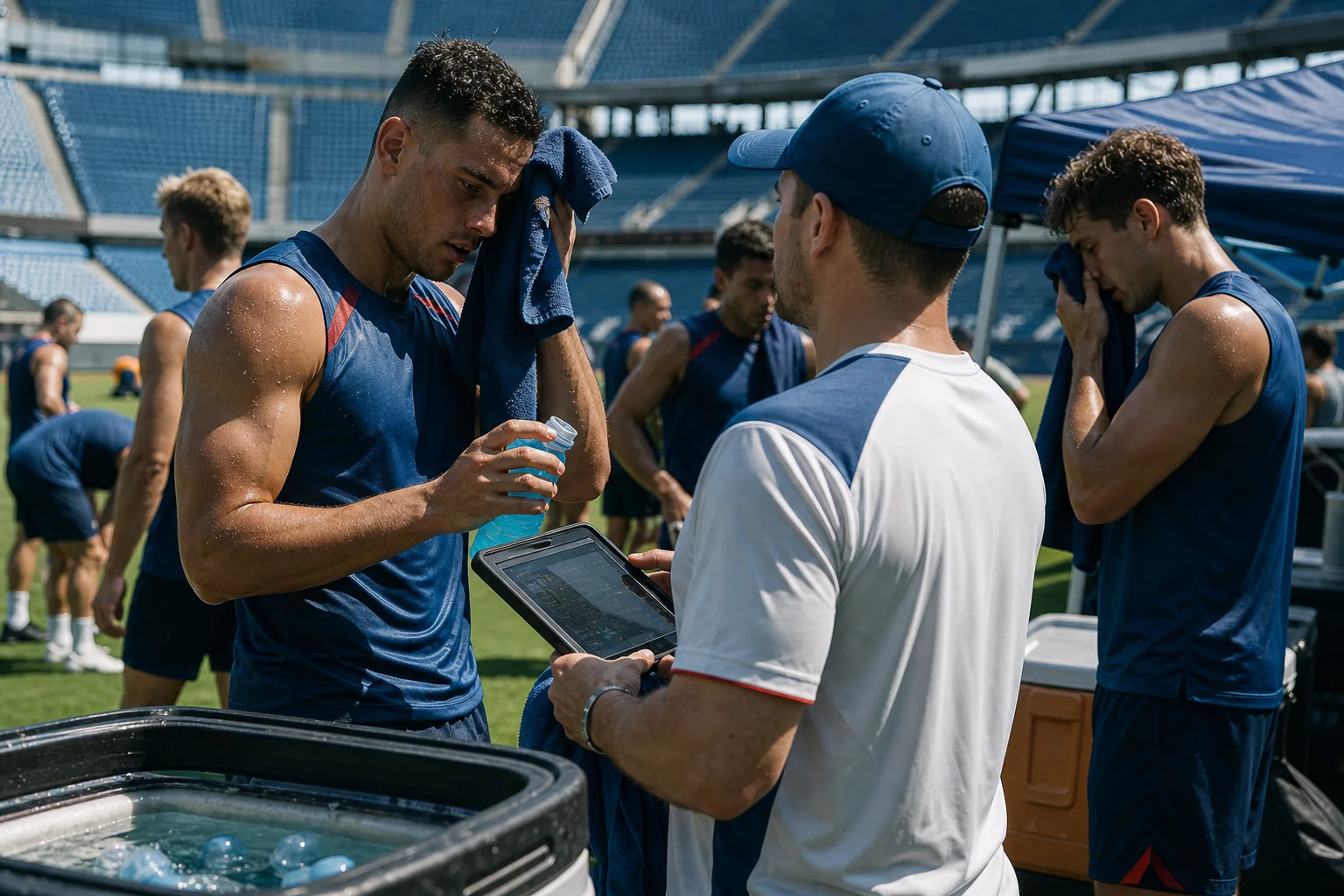
Training in heat requires choices about timing, density, shade, communication, and stop rules—not bravado. This operational guide helps teams adapt practice while preserving the tactical purpose and athlete dignity.
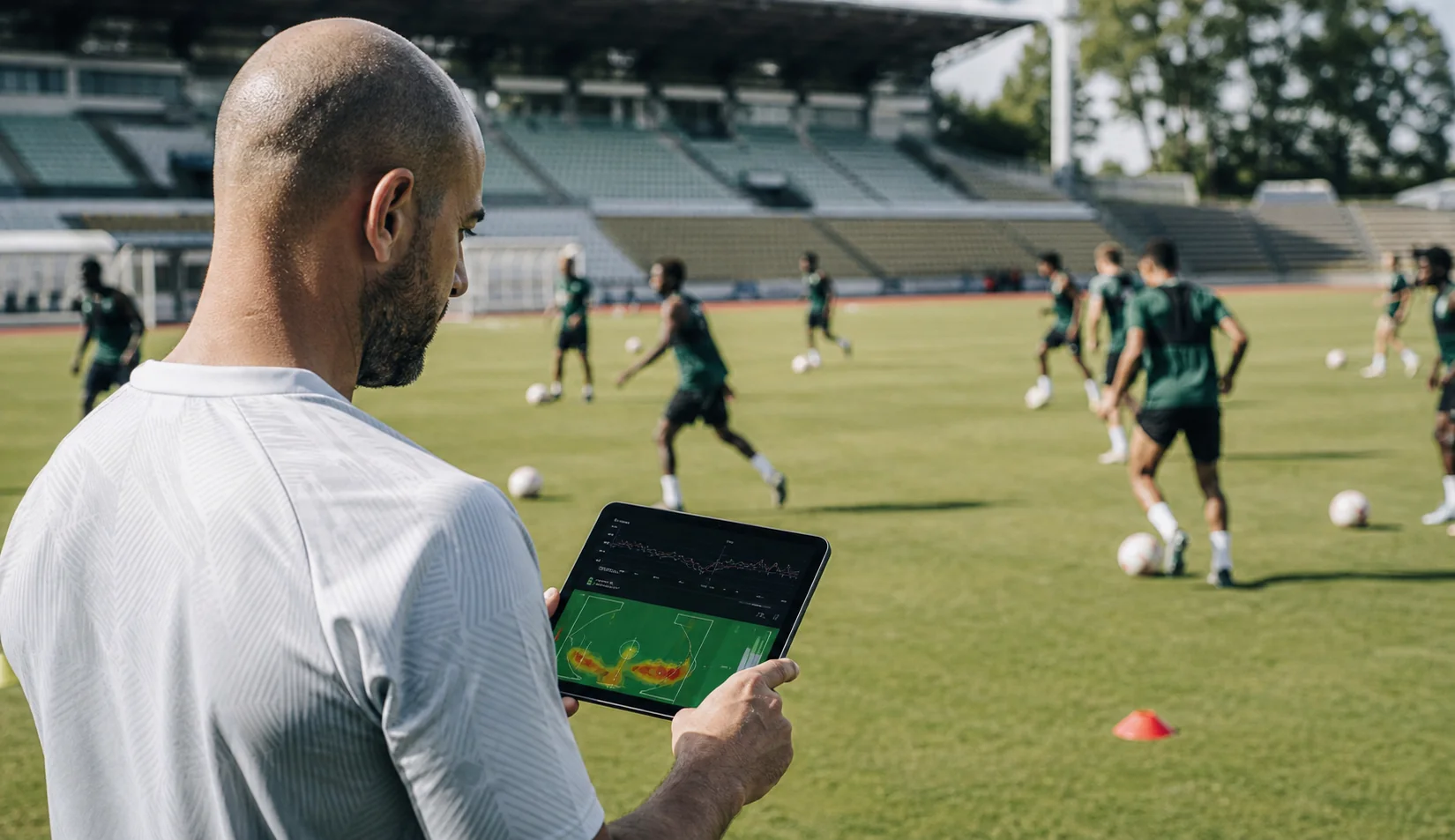
Distance, effort ratings, and athlete feedback do not always point in the same direction—and that is valuable information. Learn how to investigate disagreement without turning one noisy signal into an automatic restriction.
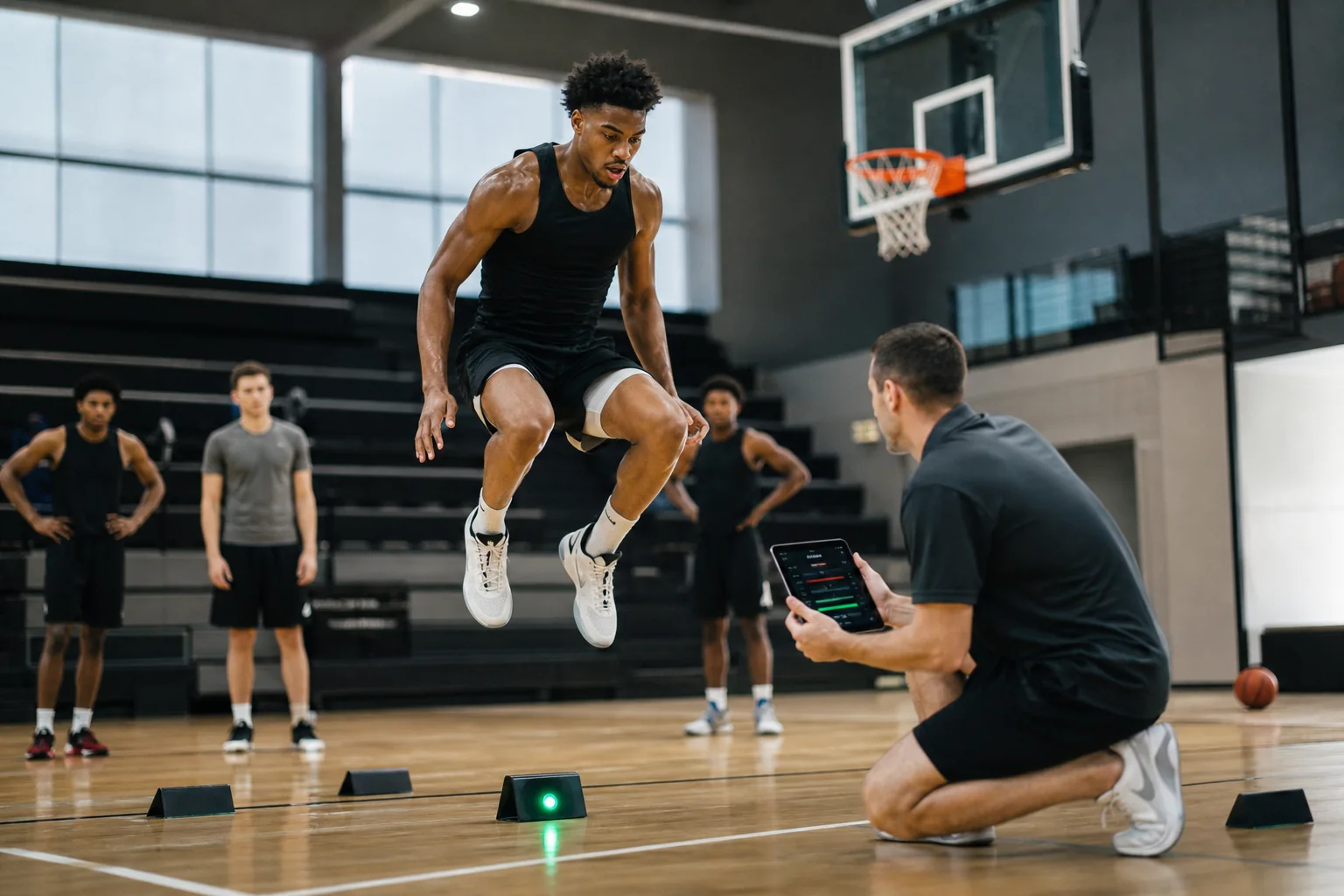
Landing quality is a skill shaped by task design, fatigue, and the next action—not a pose held for a camera. This article shows how to integrate jump and landing exposure into basketball practice without turning it into a disconnected test.
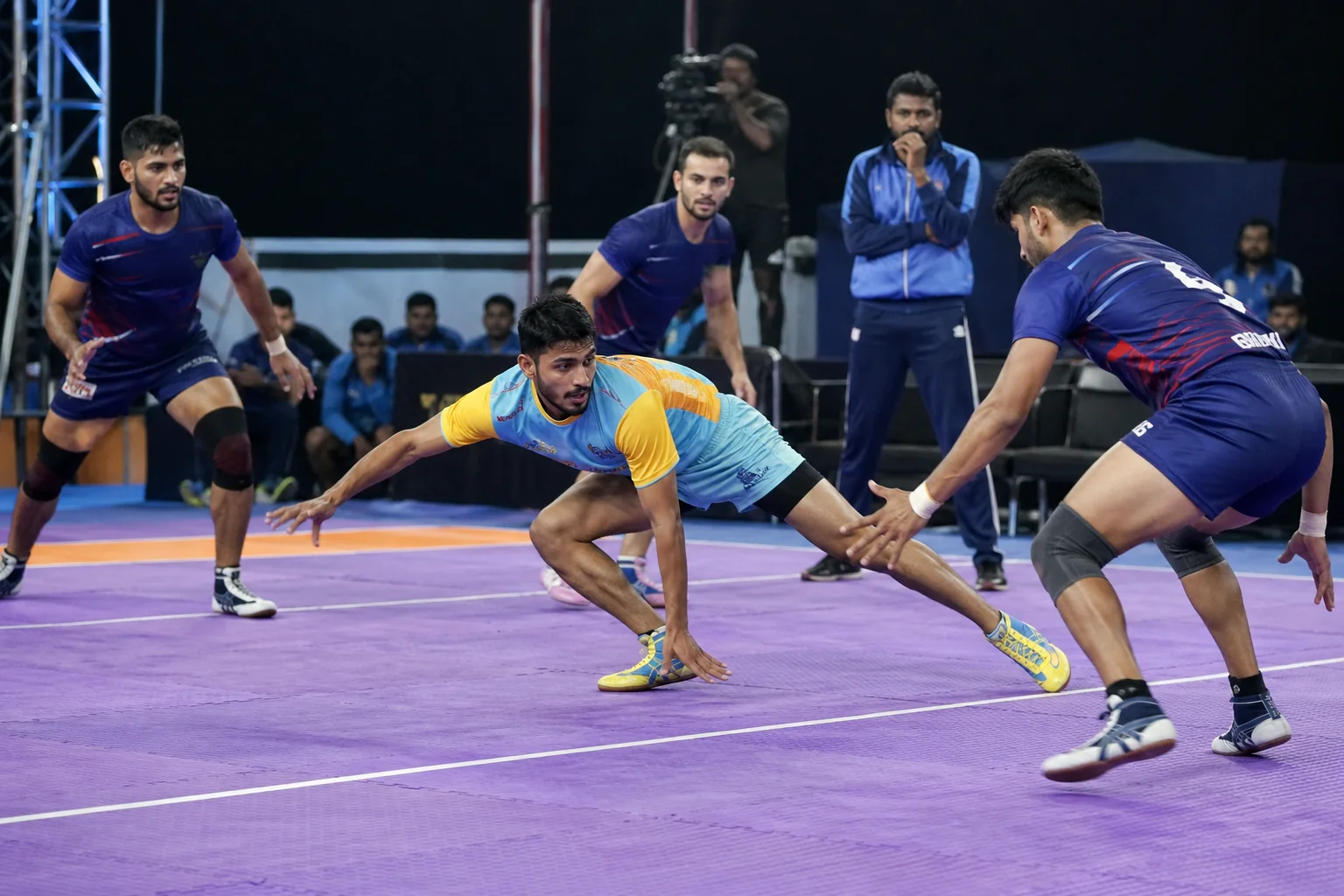
Kabaddi practice can preserve its improvisation while becoming more deliberate about what players see and choose. Use raid and defence cues to design representative tasks, manage contact exposure, and review decisions with precision.
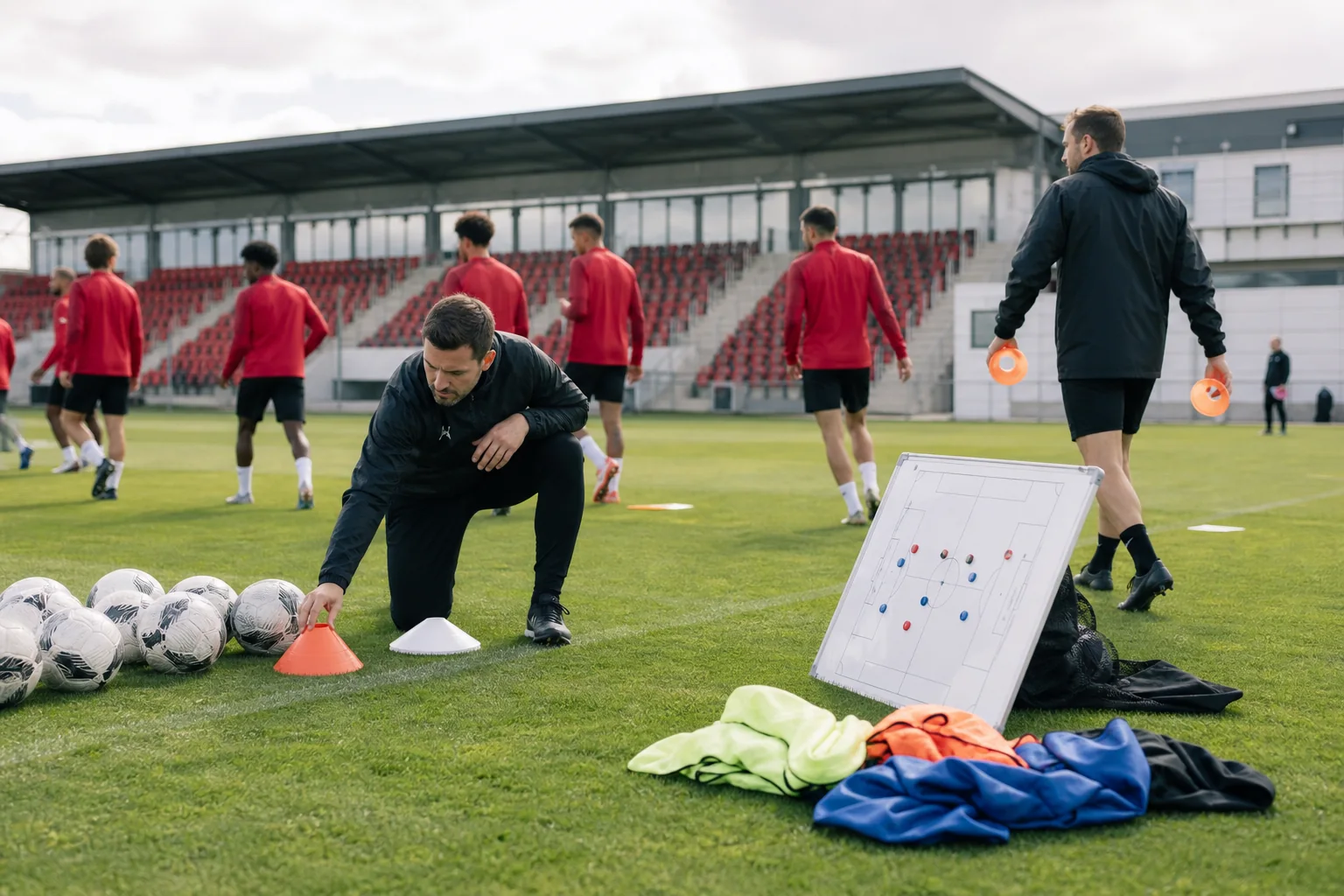
A well-designed session can still fail through late setup, unclear roles, and missing equipment. This playbook turns practice operations into a repeatable system that protects coaching time and athlete attention.
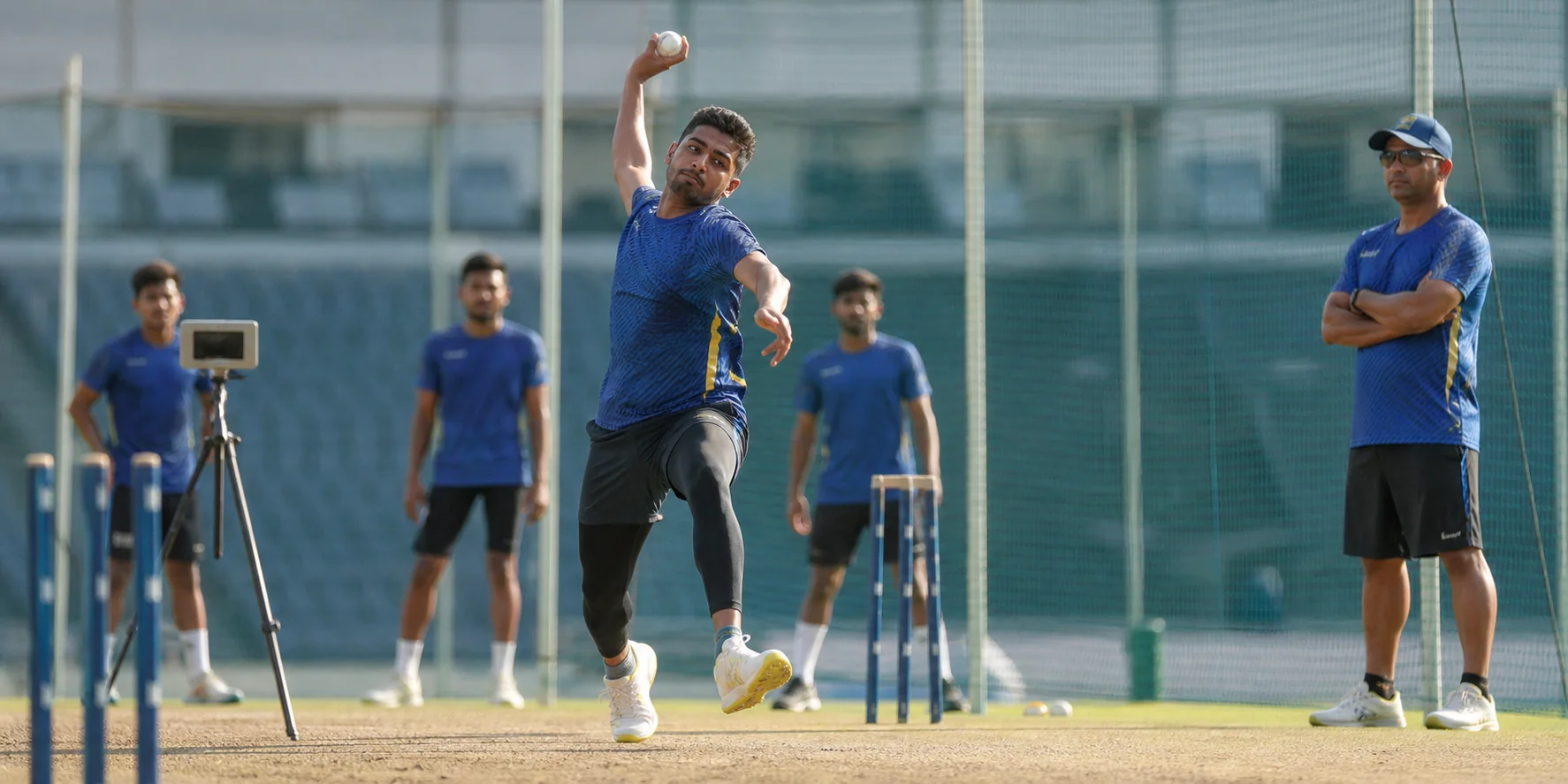
Fast-bowling preparation works best when technical intent, run-up rhythm, and bowling exposure are planned together. This field guide offers a practical seasonal workflow for cricket programmes managing varied surfaces, travel, and player roles.
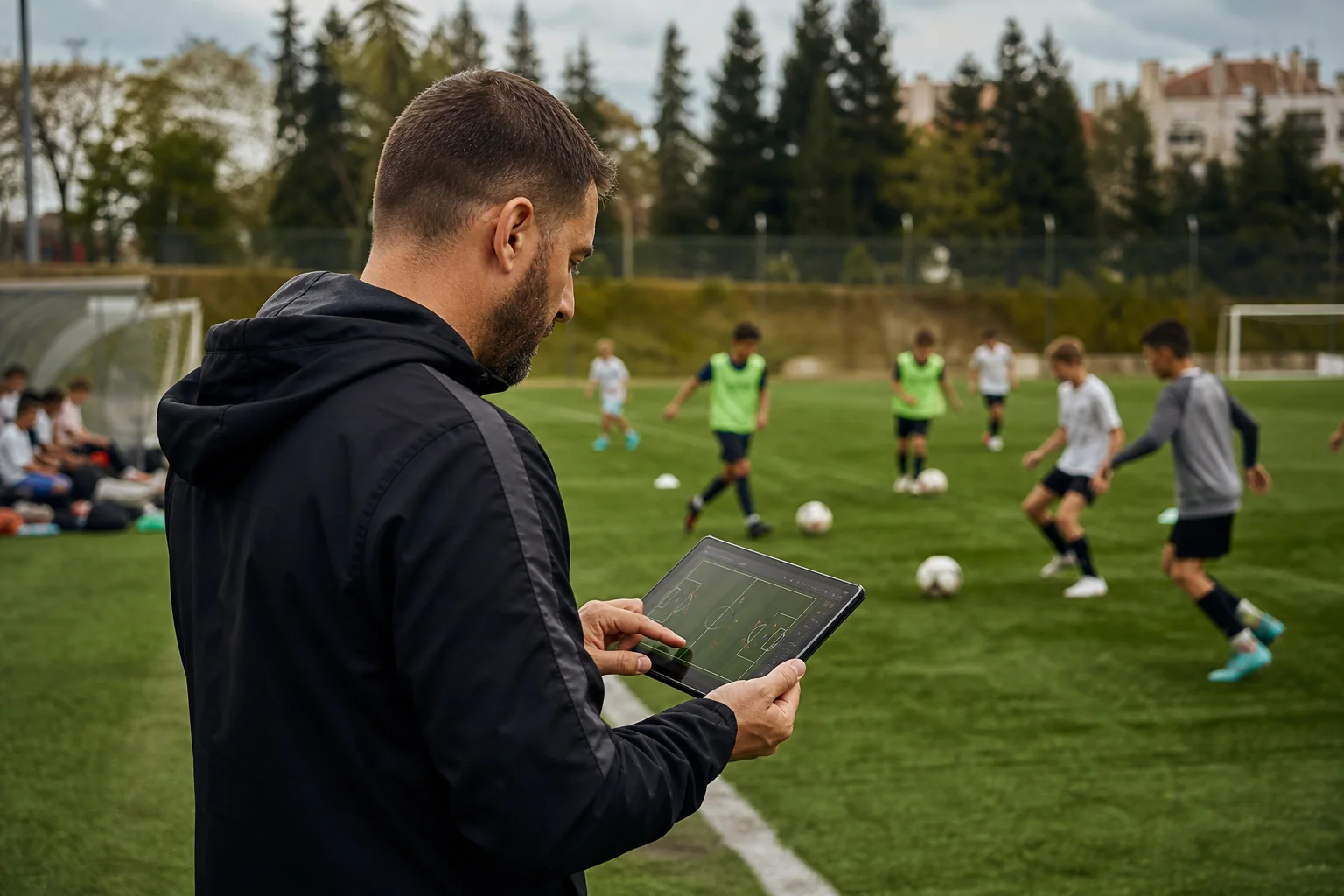
Youth performance programmes need information, but collecting everything creates risk without improving coaching. Build a proportionate system that defines purpose, consent, access, retention, and a clear route for young athletes and families to ask questions.
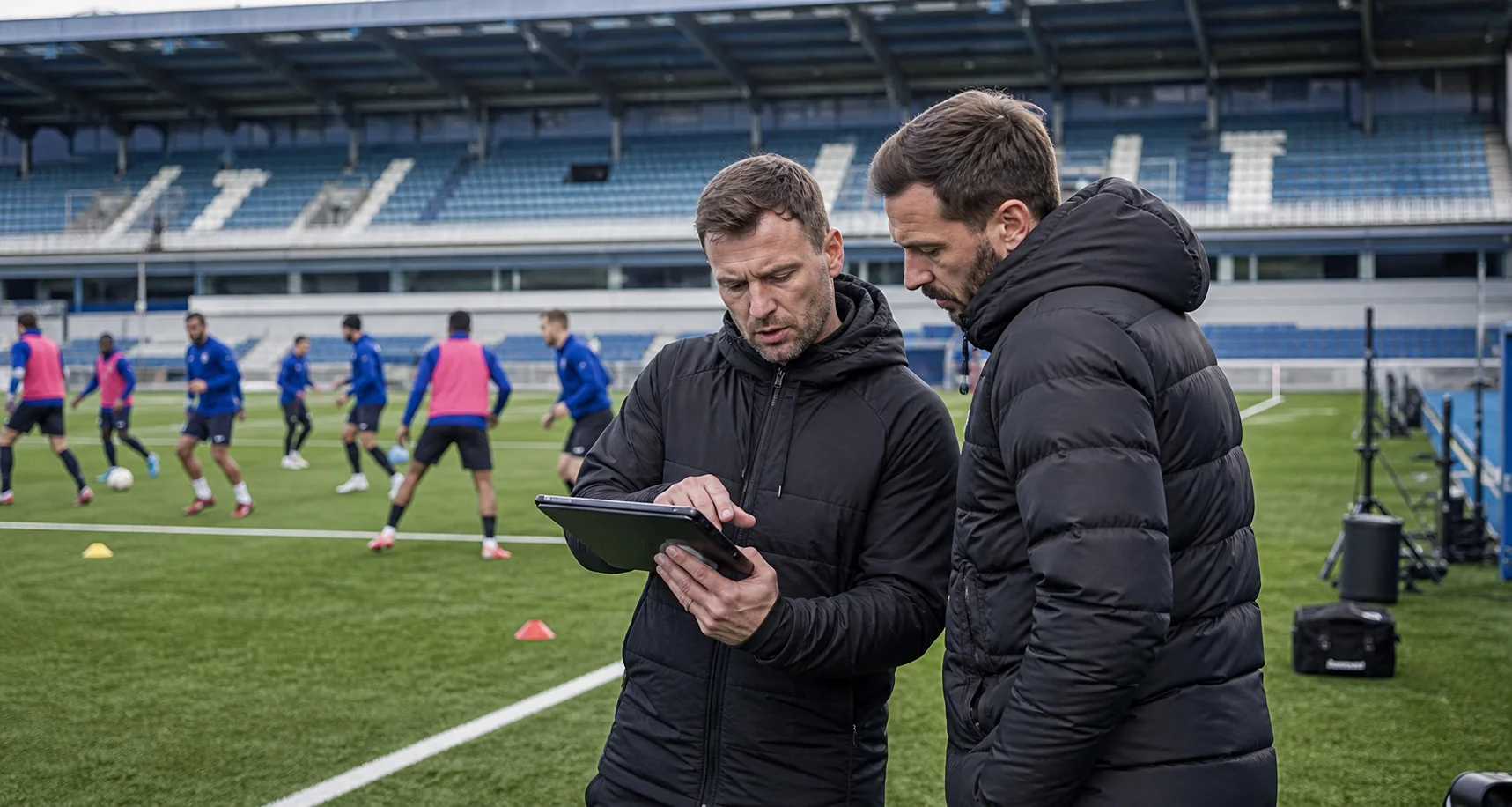
The best analysis systems make coaching conversations shorter, clearer, and easier to act on. Establish common definitions, clip standards, and feedback routes so insights survive the journey from data room to training field.