What performance-analysis technology has Rohit actually discussed?
Rohit Sharma has described two concrete ways data entered his cricket preparation. When he moved into the opening role in 2013, he wanted to study video and data from leading openers, he said at a SportsMechanics event in 2023. In a 2020 Mumbai Indians interview, he explained that team analyst CKM Dhananjai filtered information for him before matches, helping him think through alternative plans. Those are firsthand accounts of footage, analyst work and human decisions. Neither tells us the name of a personal training app or confirms an AI system he uses today.
This article is for the fan who wants to know what “Rohit Sharma performance analytics” means in practice, rather than another list of career statistics. It is about learning from comparisons and preparing choices, not crediting software for every run. Our sports analytics guide covers the broader vocabulary.
How did footage help when he became an opener?
At a March 2023 event marking SportsMechanics’ association with Indian cricket, Sportstar reported Rohit’s reflection on his 2013 move up the order. He said he wanted to examine footage and data showing what the best openers around the world were doing. He credited analytics with helping his development in that role. That is his assessment of a historical transition, not a controlled experiment showing video caused a particular batting result.
What might a batter look for in such footage? You can watch how an opener sets up against a new ball, when they leave a delivery, and how they balance attack with risk. Match context matters: a short highlight package excludes the balls the player chose not to hit. We do not know which clips Rohit reviewed, which fields appeared in the data, how often he watched them, or whether any comparison was produced by a specific camera or AI model. The value in his account is that he used evidence to frame a cricket problem, then had to play the next ball himself. Our match-video-to-tactical-decisions guide explains why an analyst should keep clips attached to context.
What did Mumbai Indians’ analyst give him?
The Mumbai Indians’ own September 2020 interview names CKM Dhananjai as its Data Performance Manager. Rohit said the analyst team filtered information and gave him material he could use for a plan B or plan C on the field. He also said the choice of what to execute was his. Dhananjai described a digital-first team approach and said players had access to an app, but the article does not identify that app by name or show a personal dashboard belonging to Rohit.
That filtering is a useful piece of technology design. The rawest possible data dump is rarely the fastest way to decide what to do against a bowler. A manageable summary could set up questions for the player and coach, who then decide which options fit the pitch and the moment. We cannot see Mumbai Indians’ private models or state what exactly Rohit was shown. Our player-decision support guide describes the general principle without claiming MI used any particular AI system.
What might a responsible batting-analysis workflow look like?
Suppose a coach wants to review how an opener faces a particular length. Start with a representative set of deliveries, not a single viral clip. Note format, bowler, match phase and field. Watch both the scoring shots and the balls defended or left. Then bring a few examples to a conversation: what did the batter see, what were the options, and what would they practise next? On a training ground, film can help revisit that discussion after a net session. This is an illustrative workflow—not a transcript of Rohit’s training room or a claim that MI used exactly this method.
The 2020 interview does establish one human checkpoint: Dhananjai and colleagues filtered the information, and Rohit chose the on-field response. Technology can shorten a search through clips or records, but decisions still happen with imperfect information and a live opponent. For broader context, see AI video analysis in sports.
Are a fan dashboard and a player’s training tool the same thing?
No. A public Power BI chart built from Rohit’s match scores can help a fan inspect career trends. It does not prove he saw the chart, used Power BI himself, or trained with that analyst’s calculations. A team analysis system might combine video, ball-by-ball records and private staff notes; public sources do not disclose that whole setup. The SportsMechanics anniversary report documents a longstanding association with Indian cricket, not a personal equipment contract or an endorsement from Rohit of every vendor feature.
There is a related category mistake to avoid. The Indian team’s GPS workload monitoring, discussed publicly by Kohli in 2019, is a different type of information from Rohit’s 2013 footage study and 2020 MI match planning. We discuss the documented GPS history in our Virat Kohli training-technology explainer, without claiming Rohit or Kohli uses the same private tools in 2026.
Can the data tell a young batter exactly how to play?
Rohit’s example suggests a better question: which piece of film or data would help you explain the problem to your coach? A junior opener can review a few complete overs, including leaves and mistakes, and look for a repeatable choice to practise. They do not need to imitate another batter’s stance or buy the software used by an elite side. Age, opposition, coaching context and privacy all change what a useful comparison looks like.
Avoid turning a season average into a judgement about a single training day. Even accurate data can be sampled badly; a player may be facing different bowlers or pitches. A coach’s observation and the batter’s own account should be part of any decision that affects technique or workload. The athlete performance tracking guide sets out a decision-first checklist for such programmes.
Sources, dates and what remains unknown
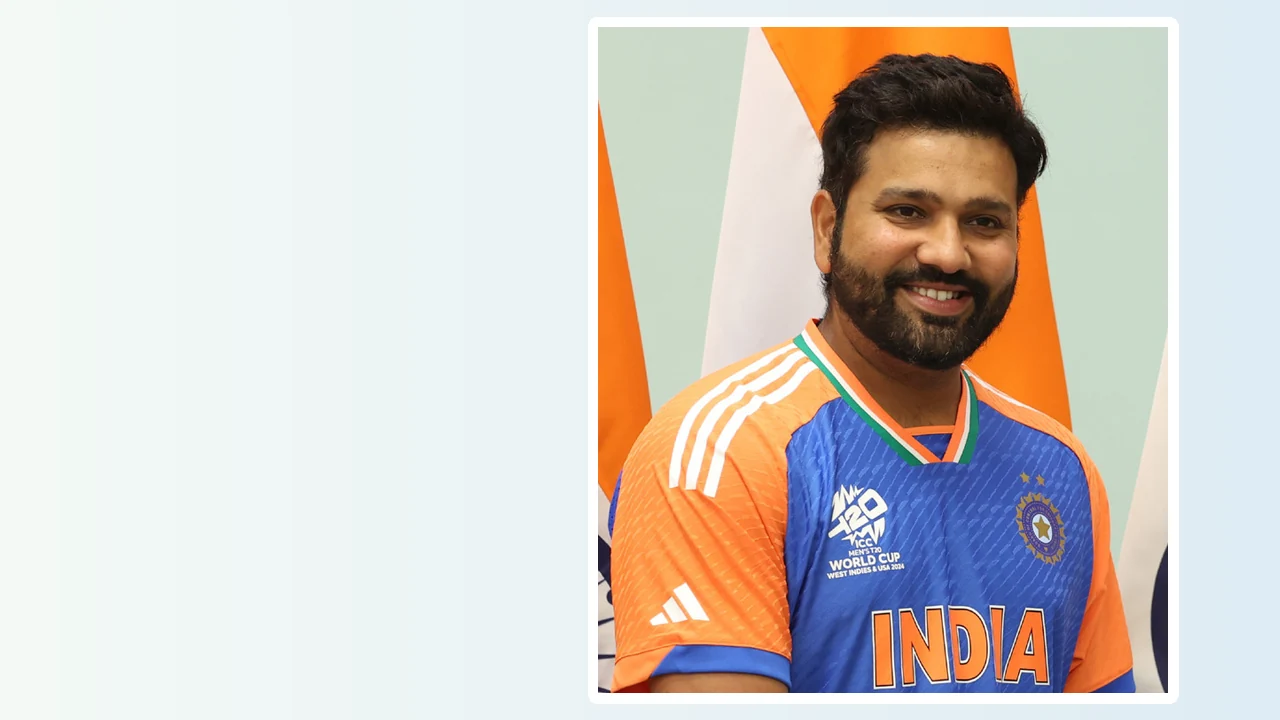
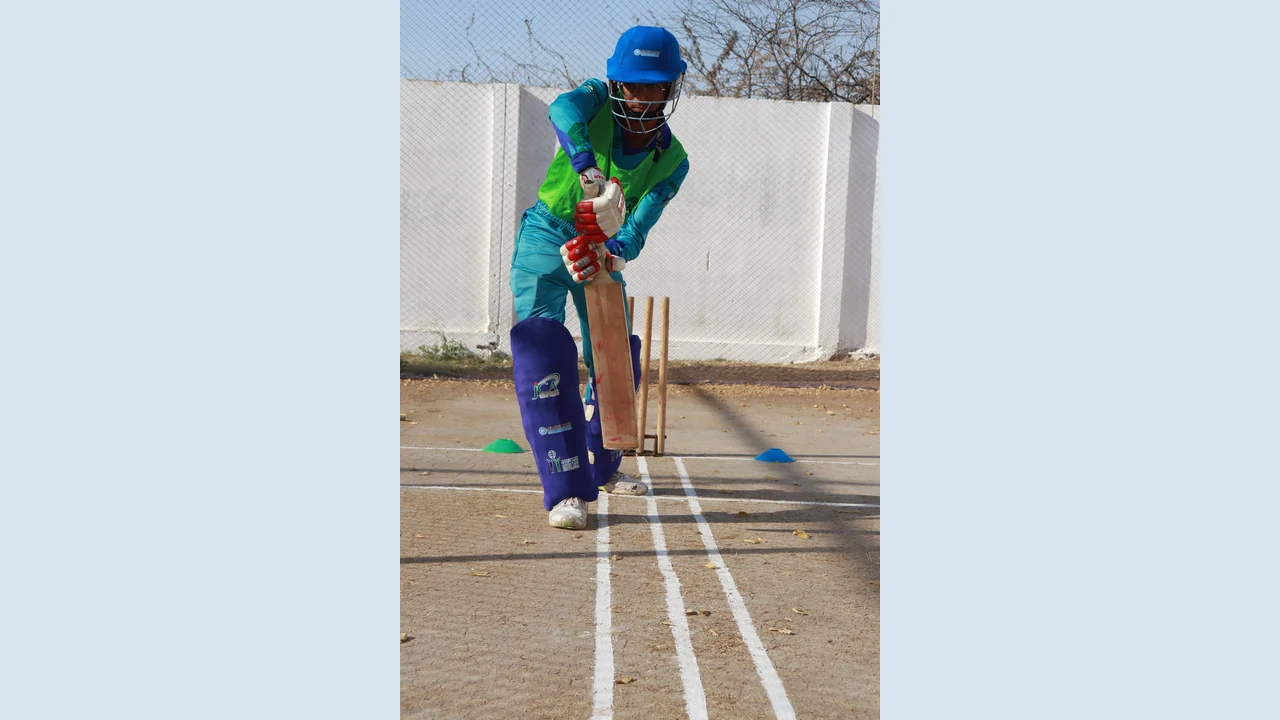
We checked the Mumbai Indians’ first-party 19 September 2020 interview and Sportstar’s reporting from the 21 March 2023 SportsMechanics event on 5 October 2026. Their firsthand Rohit comments support historical footage study and team-analyst-filtered information for match decisions. They do not identify a personally owned app, current 2026 coaching setup, individual wearable, specific sensor model, or any causal performance gain from an AI product. The cover is a licensed photograph of another cricketer during a batting drill, not Rohit or his film review. A separately credited, genuine Rohit portrait was taken at a government reception on 4 July 2024; it does not endorse an analytics product.