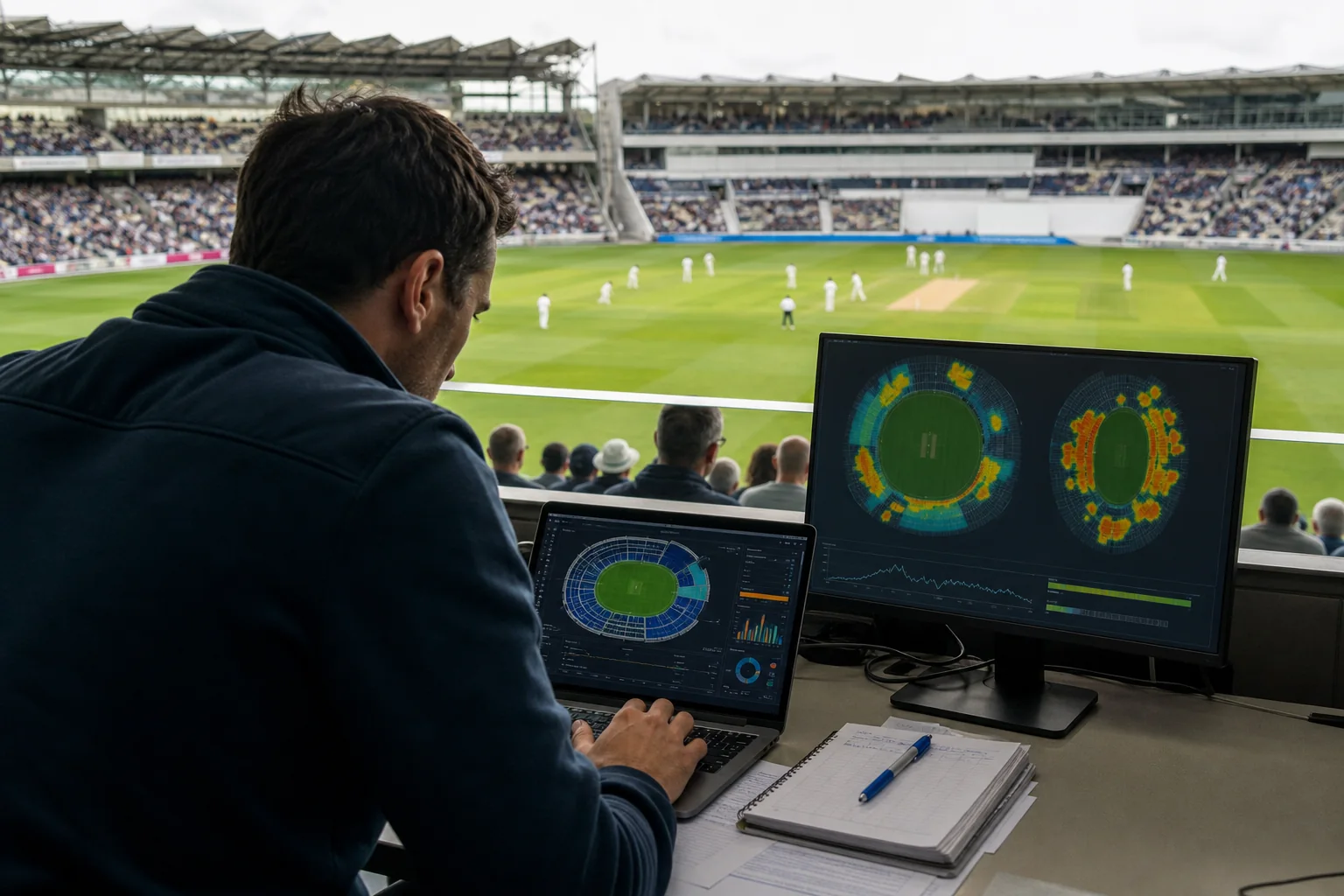
Fan operations data can include ticket scans, service requests, purchases, app interactions, accessibility assistance, Wi-Fi analytics, CCTV-derived observations, and incident records. Each source has a different purpose and sensitivity. A useful governance model begins by listing what the venue needs to decide on event day, rather than starting with every field a platform happens to collect. The practical test is whether the arrangement makes the next event easier to run safely. The intended result should be stated in plain operational language before specifications are written. The venue should make this choice deliberately rather than inheriting it from a default setting.
Create a purpose map for each dataset. State the operational decision, data elements, owner, collection point, permitted users, retention period, and sharing conditions. This makes it easier to spot when a legitimate gate-flow record is being proposed for unrelated profiling or when a helpful support note is visible to staff who do not need it. Purpose clarity reduces both risk and confusion. Build the procedure with facilities, customer-facing teams, and technical staff in the same room. A clear readiness check exposes dependencies that procurement documents often miss. Frontline staff need a short instruction that remains usable when communication is imperfect.
Data quality needs field validation. A scan may indicate entry but not location; a purchase may not represent the purchaser; a Wi-Fi signal may not represent a person; a camera count may fail in dense movement. Label these limitations in dashboards and avoid presenting estimates as facts. Supervisors should be encouraged to combine data with direct observation and to record when the picture is uncertain. If a condition cannot be observed in the field, it is a weak trigger for an event decision. Observe the boundary between teams, where handoffs and unclear language commonly cause delay.
Use minimisation as an operating choice. Aggregate a flow measure when individual identity is unnecessary, restrict precise locations to a defined safety purpose, and avoid storing free-text notes that invite irrelevant personal detail. Sensitive assistance information should have narrow access and clear deletion rules. A smaller, well-understood dataset is often more useful to an event team than a large, ambiguous one. Choose controls that reduce a defined risk without quietly shifting it to another group. Pair every speed or utilisation metric with an observation of fairness, access, or resilience. Use evidence with humility: sensors, records, and observations each describe only part of the scene.
Build role-based views around work. Gate supervisors may need lane status and exception categories; customer support may need a ticket history; facilities may need service demand by zone; executives may need aggregate outcomes. They do not all need the same profile. Log access to sensitive records and design support tools so staff can resolve an issue without browsing unrelated information. Keep a concise record of exceptions, because recurring exceptions reveal design debt. Privacy and safety rules need a named custodian and a route for frontline questions. Access should be proportionate to the task, with logs that support review without creating busywork.
Govern suppliers and integrations as carefully as internal tools. Document where information travels, what subcontractors can access, how exports are controlled, how an account is removed, and what happens at contract end. Require incident notification and practical deletion or return processes. A venue cannot manage fan trust solely through its own policy if operational partners hold the relevant data. Roll out in a bounded pilot where a supervisor can reverse the change quickly. Temporary event changes should have a deadline, inspection, and rollback plan. An exercise should include at least one failed assumption, so recovery is genuinely practised.
Review governance after real events. Examine unusual access, missing records, customer complaints, dashboard errors, new use requests, and lessons from incident debriefs. Give privacy, security, operations, and supporter-facing teams a shared review forum. The goal is informed venue management with boundaries people can understand, not an ever-growing data estate that no one can confidently explain. Use the debrief to replace anecdote with a specific adjustment for the next event. Learning compounds when the team changes one variable at a time and records the outcome. The mature outcome is a service the venue can explain, operate, and improve with confidence.