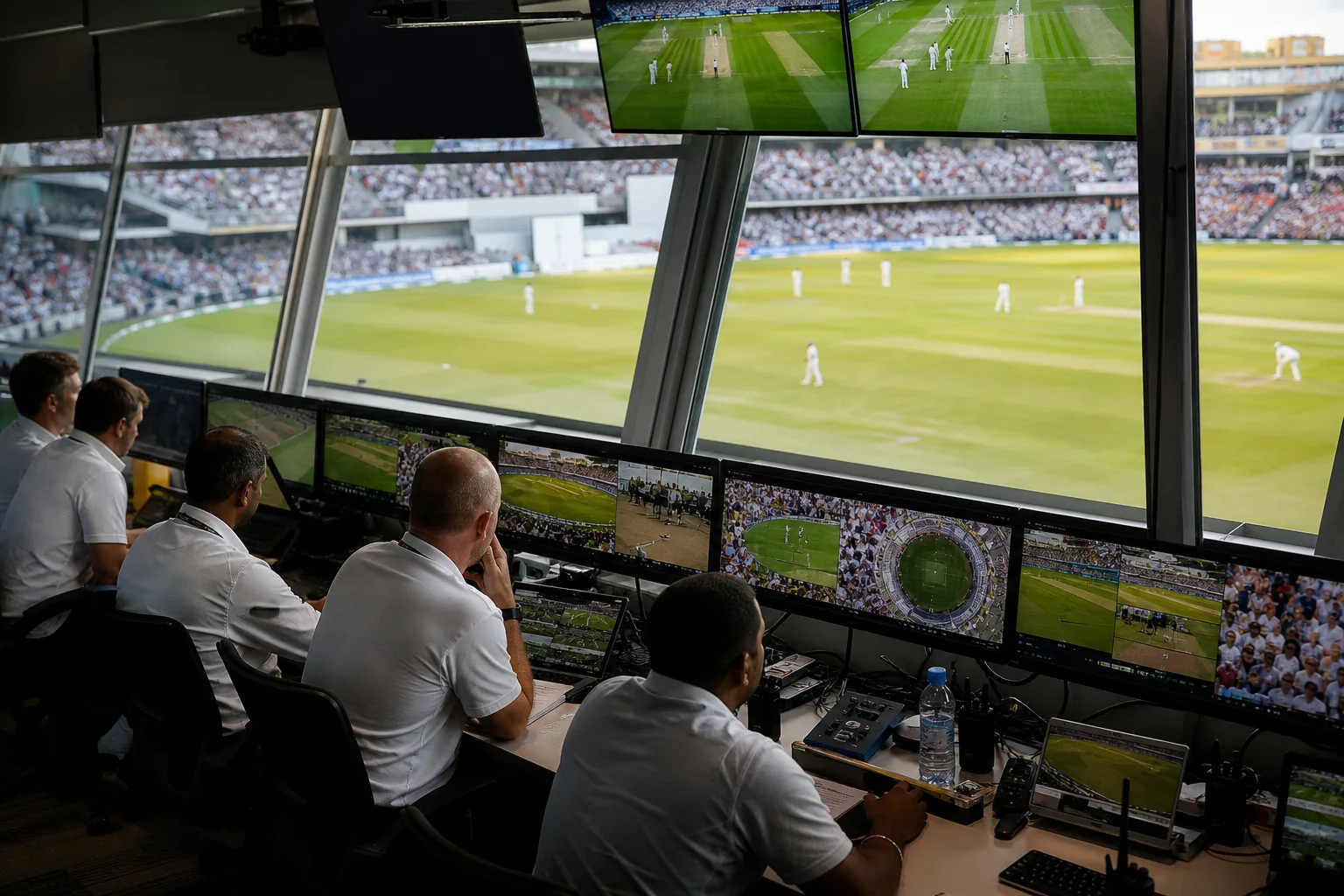
A venue command centre should be organised around decisions, not data feeds. Before selecting displays, list the events that require coordinated action: a gate failure, rising congestion, medical assistance request, lost child report, severe weather, broadcast interruption, or power anomaly. For each, specify the first reliable signal, accountable lead, field confirmation, and message channel. This frames the work as an operating capability rather than a technology purchase. The practical test is whether the arrangement makes the next event easier to run safely. The intended result should be stated in plain operational language before specifications are written.
The most useful screen often shows a concise operating picture: event phase, gate condition, crowd observations, transport status, weather state, critical system health, and open incidents. Detail should be available on demand. Filling a wall with camera mosaics and raw alarms can create the impression of awareness while making it harder to recognise the one change that needs intervention. Name the owner, the handoff point, and the manual fallback before approving a design. Build the procedure with facilities, customer-facing teams, and technical staff in the same room. A clear readiness check exposes dependencies that procurement documents often miss.
Design roles deliberately. One person may coordinate the overall event, another may manage logs, a technical lead may interpret infrastructure signals, and a liaison may speak with public agencies. Do not assume a technology operator can make a safety decision or that a senior event leader can investigate every alert. Authority, handoff, and escalation thresholds should be rehearsed. The decision should be tested against the people who will use it under event pressure. If a condition cannot be observed in the field, it is a weak trigger for an event decision. Observe the boundary between teams, where handoffs and unclear language commonly cause delay.
Incident records need to capture decisions as well as timestamps. Note what was observed, what information was unavailable, who was consulted, action taken, and subsequent result. This supports debriefing and fair accountability. It also helps identify whether recurring incidents are caused by a technical fault, a vague procedure, conflicting authority, or an unrealistic expectation of field staff. Keep the public experience, staff workload, and safety consequence visible in the decision. Choose controls that reduce a defined risk without quietly shifting it to another group. Pair every speed or utilisation metric with an observation of fairness, access, or resilience.
Video and location data require governance even when used for safety. Limit access to a legitimate operating need, maintain retention and disclosure rules, protect feeds from unauthorised viewing, and prohibit informal sharing. A command centre gains trust when its staff can explain why a data source is present, how it is used, and how it is controlled. Use a documented review point so assumptions can be revised rather than defended. Keep a concise record of exceptions, because recurring exceptions reveal design debt. Privacy and safety rules need a named custodian and a route for frontline questions.
Exercises should test workload rather than merely system availability. Run overlapping scenarios: a late gate opening while a radio channel becomes busy and a supervisor requests a route change. Observe whether information reaches the decision maker in time and whether the field receives a clear instruction. The weakness is often a handoff or unclear terminology, not the underlying technology. Any partner involved should understand both its technical role and its authority boundary. Roll out in a bounded pilot where a supervisor can reverse the change quickly. Temporary event changes should have a deadline, inspection, and rollback plan.
Improve the room through event reviews, not periodic refurbishment alone. Remove alerts that never lead to action, simplify reports that no one uses, and add field feedback to the status model. The command centre is a social system supported by technology. Its maturity comes from disciplined coordination and honest learning, not from the number of displays in view. Good practice preserves a workable service when the preferred digital path is unavailable. Use the debrief to replace anecdote with a specific adjustment for the next event. Learning compounds when the team changes one variable at a time and records the outcome.