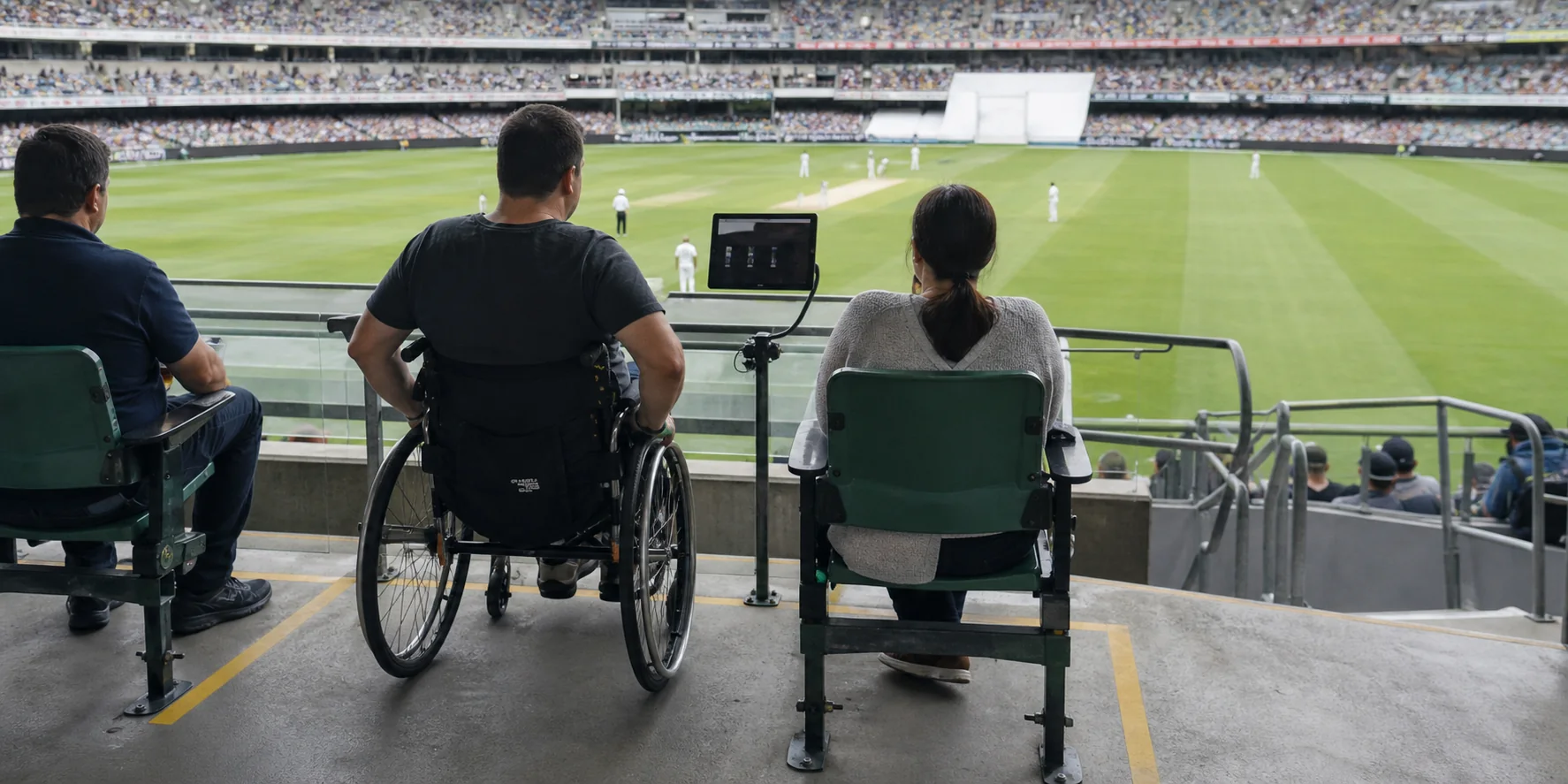
Accessible seating inventory is often managed as a ticket category, but the physical seat remains the real product. Its usable value depends on sightlines, clear approach, companion arrangements, nearby amenities, and the ability to leave safely. Begin with a verified seat-by-seat register that reflects the event layout, not just the base stadium plan. This frames the work as an operating capability rather than a technology purchase. The practical test is whether the arrangement makes the next event easier to run safely. The intended result should be stated in plain operational language before specifications are written.
Create a release policy that balances availability with protection. Some locations may be held until a defined point because a late booking or a visitor with a specific requirement cannot be substituted easily. If unused seats are later released, record the decision, preserve a method to recover capacity for legitimate access needs, and explain the policy consistently to customer service staff. Name the owner, the handoff point, and the manual fallback before approving a design. Build the procedure with facilities, customer-facing teams, and technical staff in the same room. A clear readiness check exposes dependencies that procurement documents often miss.
Companion arrangements should be flexible without displacing the person requiring the accessible location. Avoid a system that can sell a companion seat independently or forces families to negotiate at a gate. Ticketing, seating operations, and stewards need the same view of which seats may move, which must remain fixed, and who can approve a change once the venue is open. The decision should be tested against the people who will use it under event pressure. If a condition cannot be observed in the field, it is a weak trigger for an event decision.
Event overlays can quietly invalidate good design. Camera platforms, rails, sponsor structures, temporary bars, cable routes, and standing zones may obstruct a view or route. Make an accessibility inspection a compulsory sign-off before seating inventory opens and again after event build. The operational drawing should identify what must not be changed without access approval. Keep the public experience, staff workload, and safety consequence visible in the decision. Choose controls that reduce a defined risk without quietly shifting it to another group. Pair every speed or utilisation metric with an observation of fairness, access, or resilience.
Exception handling needs discretion. A guest might arrive with an unlisted mobility aid, find an obstruction, need a different transfer arrangement, or be affected by a companion ticket error. Give guest-services staff authority to solve routine issues within clear limits, a private place to discuss personal needs, and a rapid escalation path when the original seat cannot safely be used. Use a documented review point so assumptions can be revised rather than defended. Keep a concise record of exceptions, because recurring exceptions reveal design debt. Privacy and safety rules need a named custodian and a route for frontline questions.
Review outcomes beyond sales. Track relocations, no-show patterns, sightline complaints, route interruptions, companion-seat conflicts, and time to resolve each issue. Do not use a low complaint count as proof that capacity is adequate. Invite voluntary feedback from accessible-seat users and test a sample journey with them after different event builds. Any partner involved should understand both its technical role and its authority boundary. Roll out in a bounded pilot where a supervisor can reverse the change quickly. Temporary event changes should have a deadline, inspection, and rollback plan. An exercise should include at least one failed assumption, so recovery is genuinely practised.
Treat seating data as controlled operational information. Limit who can view personal assistance notes, avoid unnecessary labels on printed tickets, and set retention periods for any support records. A trustworthy inventory workflow combines accurate physical checks with considerate service. It gives customers confidence that the seat they selected will still be usable when they arrive. Good practice preserves a workable service when the preferred digital path is unavailable. Use the debrief to replace anecdote with a specific adjustment for the next event. Learning compounds when the team changes one variable at a time and records the outcome.