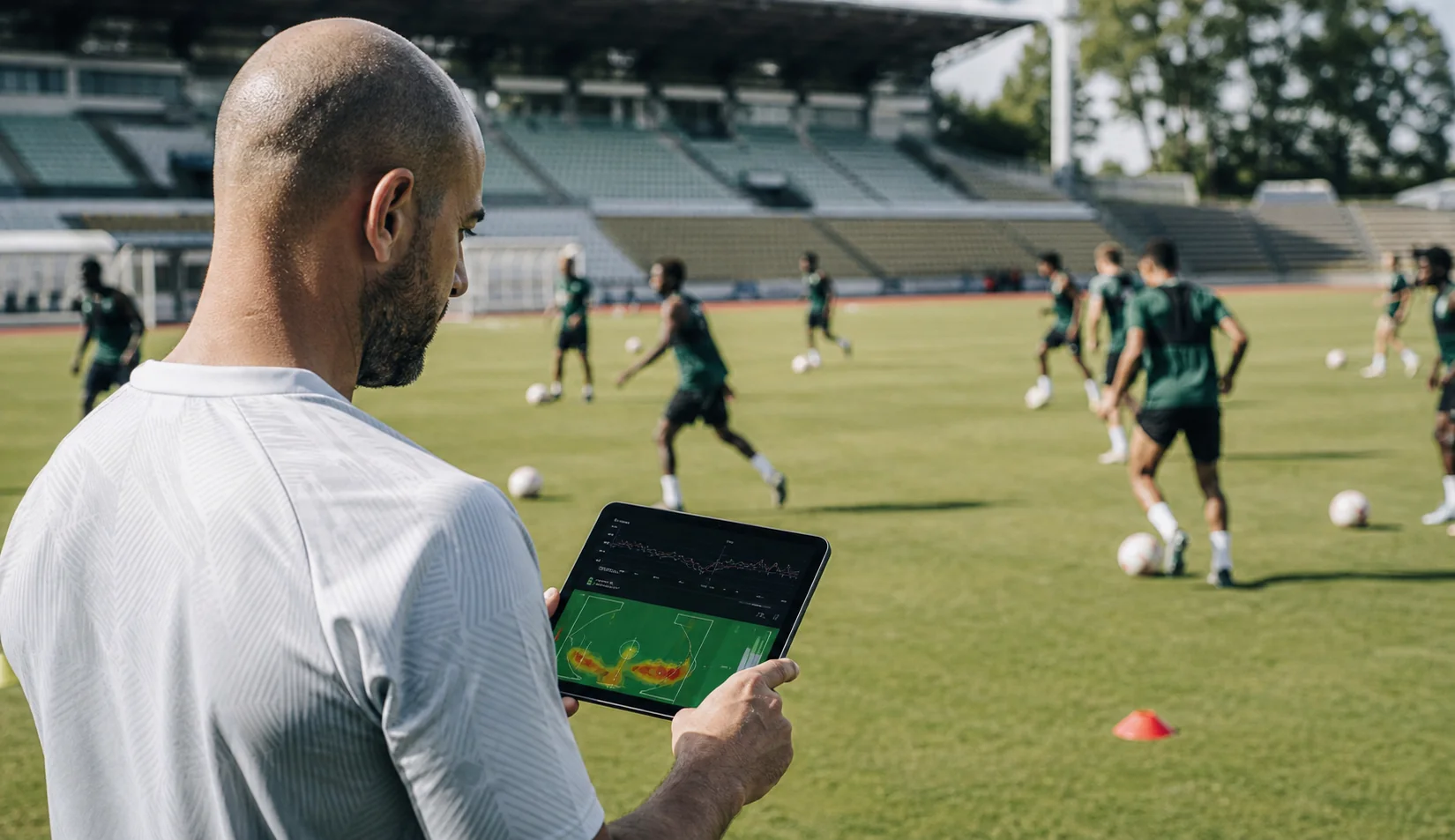
Load monitoring becomes more useful when staff stop expecting every measure to agree. An athlete can record modest running volume yet report unusually high effort after a tactical session full of accelerations, contact, or cognitive stress. Another can cover a large distance at a familiar pace and feel fine. Treat disagreement as a question to investigate, not a contest in which the most technical device wins. The purpose is to understand the training dose that matters for the next decision, whether that decision concerns session design, individual modifications, or recovery opportunity.
Start by checking the data chain before discussing the athlete. Confirm the correct device was assigned, the session clock was accurate, the effort question was asked consistently, and the comparison period is relevant. Indoor work, poor satellite reception, different drill sizes, and altered wearable settings can all distort external-load comparisons. For self-reported effort, note timing, privacy, language, and whether players understand the scale. A late or copied response is not proof of poor engagement; it is a quality issue that the operating system should fix before drawing conclusions. Revisit the choice after a comparable task so the programme learns from a pattern rather than from a single impression.
Then reconstruct the session. Break it into blocks and ask what actually drove strain: repeated short accelerations, defensive contact, heat, long tactical concentration, travel, or unfamiliar drills. A positional summary can hide this story. The sport coach’s practice plan and the athlete’s account often reveal more than a dashboard total. Use a quick debrief in which staff identify the two blocks likely to have shaped the response. This habit helps distinguish a meaningful mismatch from an ordinary consequence of how different measures describe different parts of the same session. This creates a practical feedback loop: decision, delivery, observation, and a proportionate adjustment for the following session.
Build a response menu rather than a red-amber-green rule. If an athlete’s subjective effort is high after a relatively small external load, a coach might protect the next day’s optional extras, reduce a repeated high-cost drill, or simply check the response after sleep. If the mismatch repeats across similar sessions, consider a more detailed conversation and a review of training design. Escalate to qualified clinical staff through the appropriate pathway when the athlete reports a health concern. Monitoring informs choices; it does not replace professional assessment or athlete agency. The staff can then distinguish a useful adaptation from a temporary workaround and communicate the next step clearly.
Compare each athlete chiefly with their own recent context. Squad averages can set expectations, but they are poor substitutes for individual baselines, roles, and acclimatisation. A goalkeeper, spinner, centre forward, and winger may all have valid but very different load signatures. Use rolling windows cautiously: they smooth noise but can hide a sharp change in training content. Present ranges and notes alongside totals, and avoid declaring a universal “safe” threshold. Thresholds are decision aids only when they have been observed consistently in that specific environment. Staff should record the adjustment, observe the next meaningful exposure, and revise the plan if the evidence changes.
Data access must match purpose. Coaches may need a concise readiness and exposure summary, while detailed individual comments should sit with a restricted performance group. Explain to athletes how self-reports are used, especially where selection decisions are nearby. Do not reward low effort scores or punish high ones; either response teaches people to manage the metric rather than report honestly. A simple audit log for changes to data, unusual exclusions, and access requests makes the system more trustworthy and protects both staff and players. That decision should be captured in the session note, then checked against the athlete and coach response at the next review.
A weekly discordance review is enough for most programmes. Select a few cases, list the measures, retell the session, capture the action taken, and see whether the interpretation helped the next week. Over time, this produces local knowledge about which drills produce invisible cost, which athletes need different recovery options, and which measures are too unreliable to retain. The mature system does not chase a single readiness number. It uses imperfect signals transparently, with the athlete and coach involved in turning them into sensible training decisions. Use the follow-up to confirm whether the tradeoff worked in practice rather than assuming that the first response was correct.