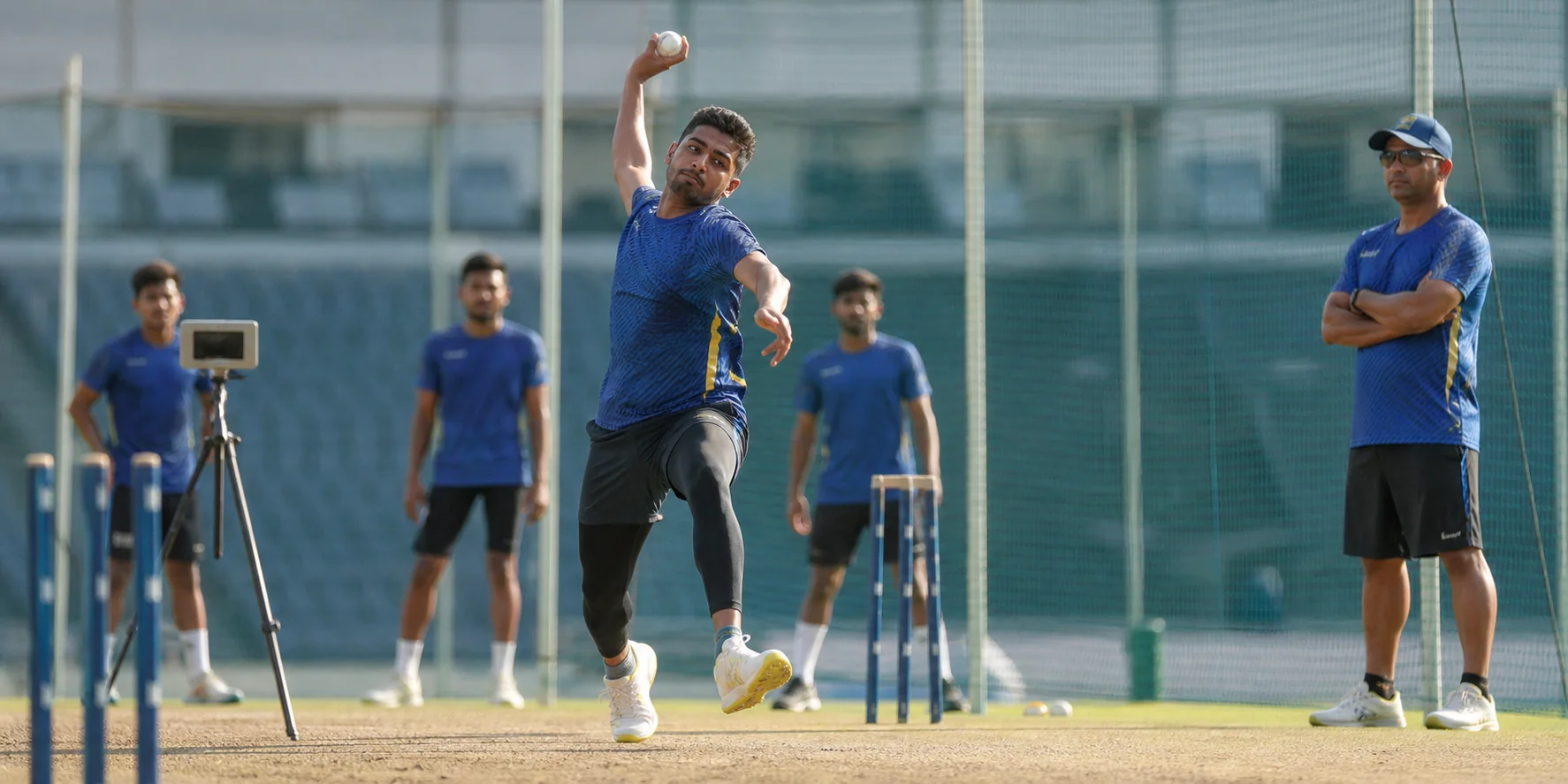
Fast bowling places a distinctive sequence of running, bracing, rotation, and repeated high-intent delivery on an athlete, so capacity cannot be reduced to gym strength or a single overs total. Start by mapping the likely bowling demands across the season: match format, expected spells, practice intensity, surfaces, travel, and the player’s role in the squad. In Indian cricket programmes, that map may need to accommodate heat, varied practice wickets, and tournament travel without assuming that every venue behaves the same. The map is a planning hypothesis, updated with actual exposures and athlete feedback.
Separate delivery exposure from general conditioning. Count or estimate balls delivered in meaningful categories, such as technical warm-up, controlled skill work, high-intent spells, and match bowling. Note run-up condition, surface, and whether the bowler had a genuine batter or target. These contexts change the dose even when the raw number of deliveries is similar. Pair the bowling record with coach notes on rhythm and intent, rather than asking a tracker designed for field running to explain the whole workload. Consistent categories are more useful than an elaborate estimate no one trusts.
Progress capacity by changing one main feature at a time: spell length, number of spells, intensity, or recovery spacing. A player returning from a low-bowling block may first rebuild run-up and delivery rhythm in short controlled spells before adding a second spell or match-like pressure. Avoid simultaneous jumps in all features just because a fixture is approaching. The desired adaptation comes from repeated, tolerable exposures, not a heroic catch-up session. Publish the individual plan so the bowling coach, strength coach, and player are not working from competing assumptions about what counts as a meaningful day.
Use technique work to protect intent, not to turn every ball into a laboratory test. Video can help the bowler and coach identify one rhythm or alignment cue, especially when it is linked to the current task. Keep camera angles and language consistent, and do not infer injury status from appearance. If the player reports a health concern, follow the team’s clinical process. On ordinary days, the coaching question is simpler: can the bowler reproduce the agreed action at the planned intensity and volume, and what adjustment preserves quality when that answer changes?
Strength, sprinting, and jumping should complement rather than duplicate bowling stress. Select physical work based on the gap in the week: force production, elastic qualities, trunk control, or general robustness may each have a place, but high-cost work needs spacing around intense spells. Do not stack a demanding lower-body session, maximal sprinting, and a long bowling day by default merely because each appears on a separate programme. The performance lead should show the combined exposure on one calendar and negotiate priorities with the bowling coach before the week starts. Revisit the choice after a comparable task so the programme learns from a pattern rather than from a single impression.
Monitoring should combine simple data with conversation. Record planned versus delivered bowling, session effort, travel or surface changes, and any coach observation that altered the plan. Watch trends rather than reacting to one unusual day, and recognise measurement limits: delivery counts can be missed, intensity labels are subjective, and match demands vary with tactics. Detailed individual records should remain inside the authorised performance and coaching group. Athletes should see their own plan and have a clear way to correct a mistaken entry, particularly when records influence future workload decisions. This creates a practical feedback loop: decision, delivery, observation, and a proportionate adjustment for the following session.
End each phase with a review of what the bowler could repeatedly deliver, not just their peak session. Did quality hold across spells? Were recovery days sufficient for the actual schedule? Which surface or travel condition required a different preparation? Use those answers to redesign the next block. Capacity is not a promise that every match demand will be easy; it is a growing ability to tolerate and express the sport’s repeated actions. A transparent, jointly owned plan gives players confidence while leaving room for coaching judgement when competition changes the script.