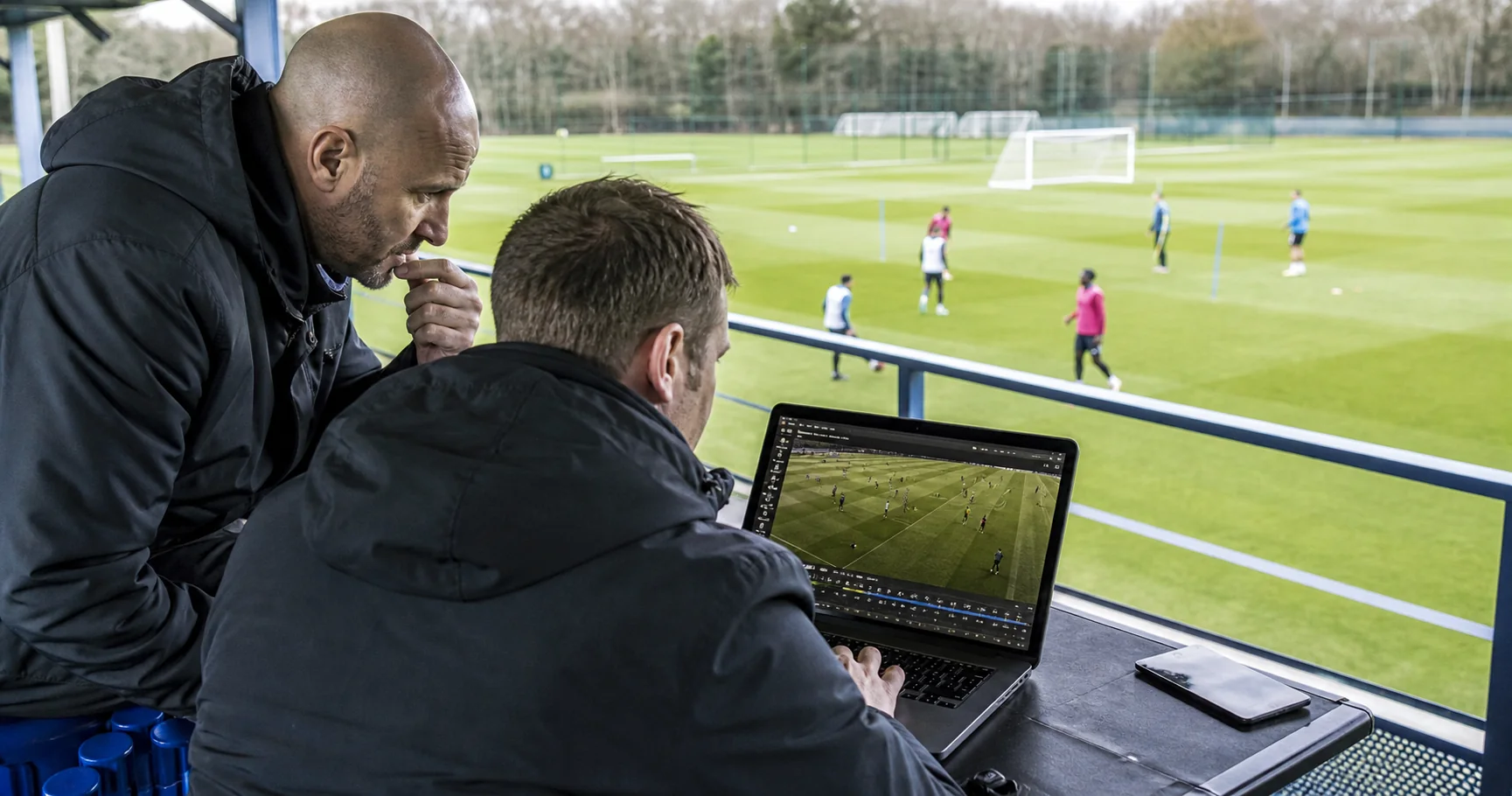
The evidence package should be deliberately constrained. It draws from time-ordered actions, possession context, line-up state, opponent behaviour, and carefully defined video tags, with timestamps, source health, and definitions attached. The process is to frame each prediction around an available decision, compare plausible alternatives, and keep the model output tied to the state that existed before the action occurred. Avoid interfaces that encourage operators to hunt indefinitely for a confirming image or pattern. A fixed sequence and a bounded replay window make reviews more consistent, while preserving room for the authorised human judgement that a technical system cannot replace.
The central problem in Decision-focused modelling from match event streams is not whether a system can display an answer. It is which coaching choice the model can inform, and what evidence would count against its recommendation. In a performance department that has many tagged actions but limited time to act on analysis, that distinction affects both safety and credibility. Define the incident or decision class, the evidence threshold, and the person authorised to conclude. A robust design makes it obvious when the available record is incomplete, because forcing an answer under pressure usually transfers uncertainty to someone who cannot see it.
Before live use, walk through ordinary and degraded cases with the people who will operate it. Assign roles for initiation, verification, communication, and technical recovery. Test camera loss, missing records, slow synchronization, and disagreement—not just ideal demonstrations. The resulting playbook should explain what to do when one input is absent and when a user challenges the system. This rehearsal reveals dependencies that would otherwise surface at the least convenient moment. In practice, record this step in the shared operational log so that the next reviewer can see the context, owner, and unresolved question without reconstructing it from memory.
Quality review should examine the difficult boundary cases. Track calibration by score band, stability when the same situation is recoded, and the proportion of recommendations that users can trace back to relevant clips. Sample completed cases and compare the record with independent reviewer interpretation. Look for clusters of disagreement by lighting, angle, play type, venue setup, or operator shift. Such patterns tell the team whether to improve capture, training, definitions, or the escalation rule. A single overall percentage rarely identifies the intervention that will actually improve reliability. In practice, record this step in the shared operational log so that the next reviewer can see the context, owner, and unresolved question without reconstructing it from memory.
On the day, follow a disciplined chain of custody. An analyst writes a one-page decision brief before modelling, including the user, deadline, action alternatives, and excluded variables. During review, staff sample clips from high and low scores and ask whether the explanations match observable play. The final output is a question card with a linkable clip set, not a ranking alone. Make the logs readable enough for a later reviewer to reconstruct the sequence without relying on memory. Each handoff needs a time, an owner, and a clear status. Where the procedure allows discretion, capture a short reason rather than pretending that every decision was entirely automatic.
Real constraints should be plainly visible: event feeds omit off-ball positioning, tagging conventions change, and a model may describe past choices without proving that a different choice would have caused a better result. Label predictions as decision support, document excluded groups and contexts, and prevent a single score from becoming an automatic selection rule. Version the training window and definitions so later reviewers can reconstruct the claim. Retention, role access, and correction rights are part of the credibility of the process. Keep records long enough for legitimate audit, then delete or de-identify them on schedule. Train staff to distinguish evidence, inference, and final judgement, especially when a visual overlay or system alert could appear more definite than it is.
For the next release, Deploy the smallest model that changes a real review conversation. When video contradicts the score, preserve that disagreement as a case for refining the question rather than forcing staff acceptance. Document the decision rule before changing the technology, and test it against a case set that includes past ambiguity. The aim is predictable, reviewable practice—not a faster route to an unexamined conclusion. That standard protects both the people subject to the decision and the people asked to make it. In practice, record this step in the shared operational log so that the next reviewer can see the context, owner, and unresolved question without reconstructing it from memory.