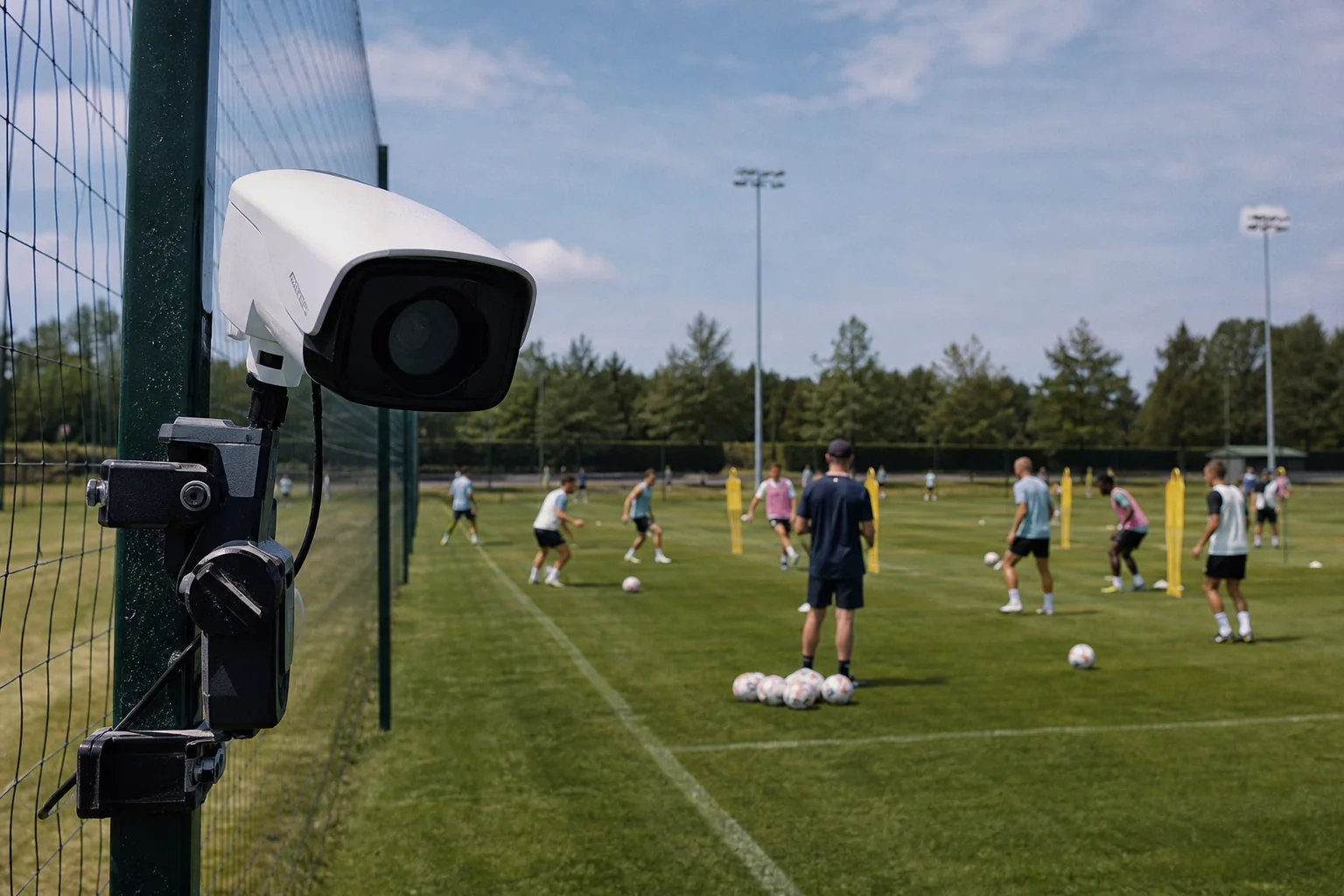
An evidence-led approach to Edge video processing for training-ground workflows begins with a question that admits uncertainty: which computation should happen locally so review is timely without losing the ability to audit, secure, and recover footage. That matters in a training site where network capacity varies and coaches need clips soon after a session finishes, where a fast conclusion can carry more weight than the material supports. State what would count as supporting evidence, what would count against it, and what remains unknown. This gives the work a disciplined scope and makes it easier for colleagues to add observations without being pushed toward an early consensus.
Build the record from traceable material. Use camera health pings, local timestamps, encoded video segments, processing logs, upload status, and review-package metadata, and document where each item came from and when it was created. The analytical method is to separate capture, local processing, durable storage, and coach delivery into explicit stages with checks and retry behaviour at each handoff. Keep primary evidence distinct from interpretation, and make a missing source visible rather than silently substituting a proxy. A dossier or review package should enable a colleague to revisit the same material and reasonably understand how the conclusion was reached.
Before training, staff run a short camera-health test and confirm local storage headroom. At session end, the device seals segments, processes agreed tags or detections, and produces a manifest; only completed packages are offered for review. Overnight synchronization verifies checksums and re-queues failed uploads without deleting the local source prematurely. The operating rhythm should leave room for correction without treating it as failure. Capture edits with a reason, preserve earlier wording when a substantive judgement changes, and ask whether recurring corrections reveal a weak definition. That history is especially valuable when staff rotate or when a later decision depends on how confident the earlier team actually was.
Assess the record rather than merely the headline. Use time from session end to first usable clips, dropped-segment rate, processing completion rate, upload recovery time, and the number of package-to-source mismatches. Read those measures alongside an intentionally selected set of ambiguous examples. A high coverage number may still lack the decisive context; agreement may be high because the rubric is too broad. The test is whether the evidence supports a practical next action while accurately signaling the conditions in which that action might not transfer. In practice, record this step in the shared operational log so that the next reviewer can see the context, owner, and unresolved question without reconstructing it from memory.
Different roles need different moments to contribute. Start independent observation before group discussion, then have an editor or lead reviewer test the emerging claim against the original sources. This ordering reduces the chance that an early opinion becomes the category through which every later clip or note is read. Use a short challenge prompt: what contextual explanation, alternative interpretation, or missing match would most change the current view? In practice, record this step in the shared operational log so that the next reviewer can see the context, owner, and unresolved question without reconstructing it from memory.
The record also has ethical and procedural boundaries. local hardware can overheat, storage fills faster than expected, clocks drift, and an edge output may omit frames needed to investigate an automated tag Encrypt local storage, use role-based access, document retention on device and central storage, and provide a physical-security plan for equipment. Avoid collecting audio unless there is a clear, agreed need. Make access proportionate and give the people responsible for the process a route to query errors or misuse. Sensitive athlete-linked materials deserve the same discipline whether they appear as video, notes, scores, or seemingly harmless metadata.
Act on the strength actually available: Process only the features with a time-sensitive use case at the edge; keep heavier experimentation central. Design a manual export path for the rare day the automated package cannot be trusted. When the correct next move is another observation, a narrower test, or no automated action, say so directly. Credibility comes from a process that can decline to overstate its case. Over time, this creates a library of better questions as well as better answers. In practice, record this step in the shared operational log so that the next reviewer can see the context, owner, and unresolved question without reconstructing it from memory.