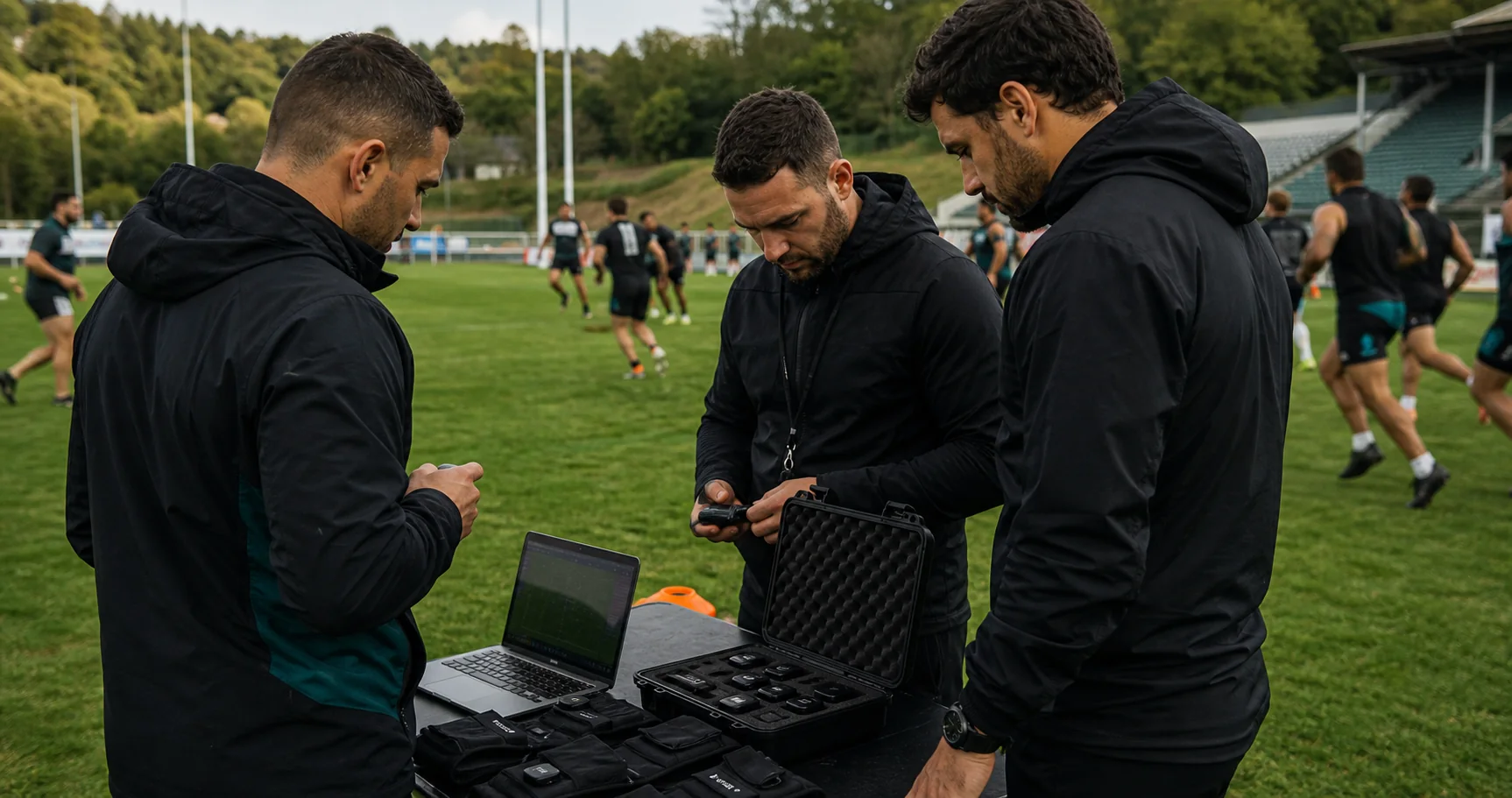
For this part of the programme, use case deserves explicit ownership. Procurement should begin with the decision the system must support, rather than a feature list. Before staff act, they need to establish whether the system serves a priority decision. The best next step is to rank use cases and reject features without an owner. This is not bureaucracy for its own sake: it prevents a device output being mistaken for a complete account of performance or readiness. Build the check into the normal handover, then review exceptions with the people closest to the training. A clear limitation is a strength when it prevents an overconfident decision.
A sound implementation treats total cost as both a measurement and a people issue. Total cost includes garments, replacements, charging, staff time, training, connectivity, and support. That means asking whether the programme can sustain the true operating cost instead of simply accepting the displayed number. Teams can respond by choosing to cost a full season including labour and consumables. Explain the rule to athletes before the relevant session and make the same explanation available to coaches. Where the measure cannot answer the question reliably, say so and use observation or another record. This approach creates a usable boundary around the data and preserves trust when the workflow is under pressure.
The operational test for interoperability is whether it supports a real decision at the right time. Interoperability determines whether staff can combine session context with device outputs without fragile manual work. Staff must therefore determine whether information can move safely between systems. A practical safeguard is to test exports and identifiers with a small realistic dataset. Keep the process short enough to survive travel, busy fixtures, and staff absence. Then retain only the context needed to understand the outcome later. The measure should illuminate a decision, not replace the coach, athlete, or welfare lead who carries responsibility for it. That distinction is central to sustainable wearable practice.
Teams often underestimate validation evidence until an unusual session exposes the gap. Validation evidence should match the sport, movement, population, and claimed metric under consideration. The decision point is whether evidence supports the intended use. Make the workflow resilient by choosing to ask for task-specific methods and limitations, not broad claims. Test it during ordinary training rather than first attempting it during a decisive fixture or difficult conversation. If the process fails, preserve the reason for failure alongside the data rather than repairing the record invisibly. That gives the programme an honest evidence trail and a concrete target for the next improvement cycle.
Good wearable practice makes data ownership visible before it becomes a disputed conclusion. Contract language must state who controls raw data, derived outputs, and permitted secondary uses. The staff question is who may use data after collection. To answer it consistently, negotiate purpose limits, access, and deletion terms. Use a named owner for the check and a simple route for athletes to add missing context or raise concern. Avoid escalating a single reading into a judgement about character, commitment, or capability. The goal is a bounded, practical signal that improves planning while respecting uncertainty, individual dignity, and the realities of the sport environment.
service resilience is the first practical issue in this workflow. A service interruption plan matters because coaching workflows can become dependent on a platform. The team should decide how staff work during an outage before interpretation begins. In practice, maintain a manual fallback for essential decisions. This keeps the output connected to an observable training question rather than a generic score. It also gives athletes and staff a way to challenge a record that does not match the session. The result is a repeatable process with limits stated upfront, which is more useful than a polished dashboard detached from practice.
Start with exit plan, because it shapes the quality of every later comparison. An exit plan protects continuity when a programme changes direction or a contract ends. The useful question is how records and equipment are handled at exit. A workable operating rule is to require portable exports, return procedures, and certified deletion. Staff should record the rule in the session plan and apply it consistently across comparable groups. If circumstances force a change, label the change rather than pretending continuity. That discipline protects coaching judgement, reduces avoidable arguments, and makes the resulting history credible enough for careful review.