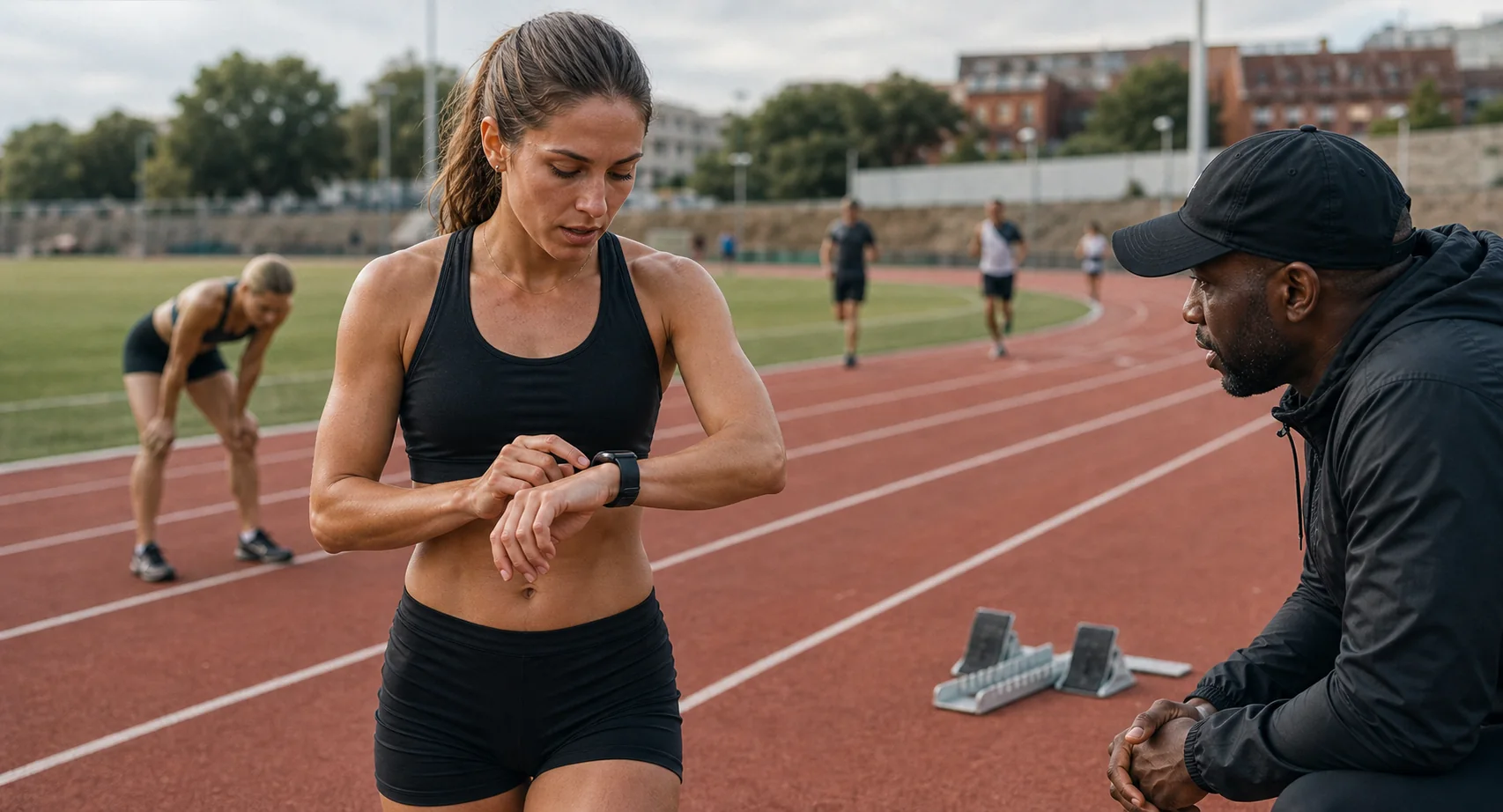
Wearable sensors can now capture acceleration, workload, heart-rate patterns and movement symmetry throughout training. The promise is compelling: combine these signals to identify an athlete whose recovery is falling behind the plan before pain or performance loss becomes obvious.
But a number is not a diagnosis. Baselines differ between athletes, devices drift and context matters. Travel, sleep, training phase and even how a sensor is worn can change the reading. The strongest performance teams therefore treat wearable data as one layer of evidence alongside athlete feedback, coaching observation and qualified medical assessment.
Useful systems make their limits visible. They show trends rather than declaring certainty, minimise unnecessary collection and give athletes a clear explanation of who can see their data. In high-performance sport, the best technology is often the one that helps staff ask a better question at the right time.