A retailer-specific estimate, not a universal rate
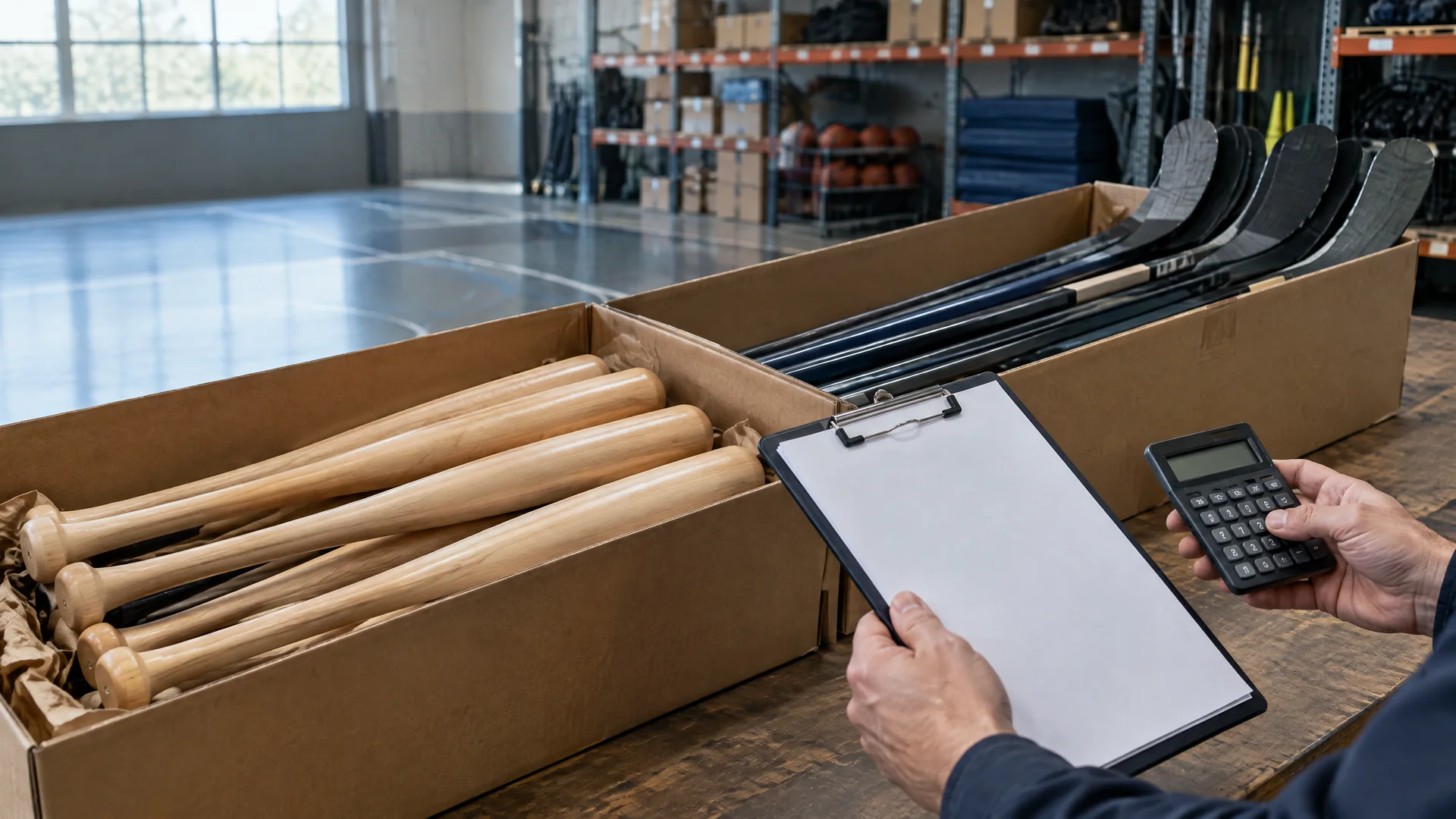
Home Run Sports, a Winnipeg retailer, is at the centre of this report. Mark Macaulay, its head of procurement, told Canadian Press that bringing a relevant U.S. bat product across the border would make the retailer’s cost 50% higher than it was before 8 September. That is a prospective landed-cost statement from one named retailer, not an official universal tariff rate and not a measured market outcome. It does not establish the exposure for every bat, sporting-goods seller or family. The reported estimate concerns a particular import decision, and the account does not supply the product’s customs classification or an official rate for that bat.
The report’s clock is evidence chronology
Yahoo Finance Canada’s Canadian Press syndication displayed the report on 13 September 2026 at 12:00 p.m. GMT+2, equivalent to 10:00 UTC and 15:30 IST. That timestamp identifies when this accountable report appeared; it is not a SportyTechs publication date, a new policy date or proof that costs had already moved. CityNews Winnipeg also carried the Canadian Press account, but its displayed clock does not provide the timezone needed for a conversion. The central status therefore remains narrow: Macaulay said the import would cost more, prospectively, for Home Run Sports’ relevant product.
Possible consequences remain conditional
Macaulay also said prolonged tariffs could lead to delayed or cancelled shipments and higher retail prices. Those are reported possibilities, not completed shipment cancellations or recorded price rises. For clubs, schools and equipment managers, the useful implication is to distinguish planning exposure from an observed result: supplier lead times, order timing and replacement options may need review before a purchase commitment. They should not be treated as evidence that a retail increase has reached customers or that sport participation has fallen. The distinction matters most where seasonal ordering makes a future cost risk look like a present market fact.
The 8 September policy background is separate
Finance Canada describes countermeasures effective 8 September for listed U.S.-origin goods, with product-specific rates of 15%, 25% or 50%. Those older countermeasures provide policy context, but they do not identify the named bat’s classification, origin documentation or applicable official rate. Nor does the 13 September report establish a new tariff policy. The Sports & Fitness Industry Association’s request to suspend sports-related tariffs dates from 24 August and is background rather than a new 13 September action. The retailer’s 50% figure should consequently not be relabelled as the government rate for bats or sporting goods generally.
A procurement checkpoint separates the questions
Before treating an estimate as a buying decision, procurement teams can check the product’s country of origin, its tariff classification and the applicable rate in sequence. Freight, brokerage, insurance and other inputs then inform landed cost; supplier alternatives, timing and terms are separate commercial questions; and a final retail price remains a later decision rather than an automatic calculation. This editorial checkpoint complements SportyTechs’ guidance on turning a sports-tech pilot into a procurement decision and unit economics for connected sports hardware. It is not a calculation of Home Run Sports’ exposure, because the report does not disclose the product data and commercial inputs needed to make one.
The market evidence is still absent
The report does not provide dated invoices, customs entries, import volumes, a retailer price series or proof of completed shipment cancellations. It also supplies no measured consumer-price effect, participation effect or evidence of manufacturing relocation. That absence is why the story remains a procurement-risk brief rather than a broader market-impact claim. Readers assessing a supplier assertion can apply the documentation standard discussed in the startup evidence room for sports buyers, while organisations considering joint buying can review shared procurement for community sport technology. Neither internal context converts this one reported statement into evidence of a sector-wide outcome.
What would justify a follow-up
A later update needs evidence that is more specific than a general concern about tariffs: a product- and origin-specific official exemption or rate record, a dated invoice or price list, a documented procurement programme, shipment data, or an independently measured market outcome. Those materials could clarify where an actual cost change occurred and whether it reached a particular buyer or retail channel. Until then, the appropriate status words are reported, said, would and prospective. The available evidence supports a named retailer’s warning about a U.S. bat import; it does not support claims of actual price rises, cancellations, reduced participation, a product classification, manufacturing relocation or a new policy on 13 September.